Tag: space technology
52 articles

Berlin Air Show Spotlights Space, Defense Tech Advancements
The Berlin Air Show's Space Day stole the spotlight with show-stopping models, including a rocket poised for liftoff and a gargantuan moon complete with orbiting satellites. Exhibits also shed light on cutting-edge human support systems, like an AI-powered exoskeleton that's part of the German Space Agency's innovative projects.

Rheinmetall and ICEYE Forge European Space-Based ISR Venture
Rheinmetall and ICEYE are joining forces to revolutionize European space intelligence with a new venture, Rheinmetall ICEYE Space Solutions, GmbH, aiming to deliver cutting-edge, space-based intelligence, surveillance, and reconnaissance (ISR) data. By adopting an open architecture approach, they're building a resilient, expandable, and sovereign ISR platform that's set to transform the industry.

Space Force Launch Plans Unscathed by New Glenn Disaster
Despite the recent setback with Blue Origin's New Glenn heavy lifter explosion, the U.S. Space Force and National Reconnaissance Office are staying the course, reaffirming their commitment to the company. The Space Force has even awarded Blue Origin a new task order for an NRO satellite just hours before the accident.

US Space Command Targets Cislunar Space for Offensive Operations
The US Space Command is shifting its focus to cislunar space, a region between Earth and the moon, with plans for offensive operations, and has reordered its science and technology priorities to make it a top target. This move includes a push for fast on-orbit mobility and control in space.

DARPA's Robotic Servicing Spacecraft Set for Summer Launch
Get ready for a game-changing summer launch: Northrop Grumman's robotic Mission Robotic Vehicle is set to soar into space on a SpaceX Falcon 9, thanks to a partnership that's pushing the boundaries of space exploration. The mission, backed by Northrop Grumman's investment, will test the capabilities of the Robotic Servicing of Geosynchronous Satellites (RSGS) demonstration.

Quantum Space Ramps Up Satellite Production with Tulsa Factory
Quantum Space is revolutionizing satellite production with its new Tulsa factory, aiming to produce a staggering 1,000 satellites per year. The company's CEO, Jim Bridenstine, says launching its first satellite is the top priority, with full production to follow in the near future.

Pentagon draws private capital to bolster defense manufacturing base
Quantum Space is making a bold move from Maryland to Tulsa, driven by the city's unique offering: a cutting-edge hypergolic test stand for in-space propulsion testing that will supercharge their satellite manufacturing and propel them to new heights - literally, with a planned 2027 flight.
Pakistan Shifts to Deprecation-Centric Deterrence Against India
Pakistan is revolutionizing its defense strategy against India, shifting from a traditional denial-based approach to a bold new model of deprecation-centric deterrence, powered by a cutting-edge satellite constellation. This game-changing move comes on the heels of a pivotal conflict that exposed the limitations of conventional deterrence.
DARPA Hands Over Space-BACN Laser Link Project to DIU
Imagine a universal key that lets satellites from different constellations communicate seamlessly - that's the game-changing potential of Space-BACN, a reconfigurable satellite laser link developed by DARPA and now handed over to DIU. This innovative technology could unlock a new era of collaboration and data sharing between previously incompatible optical communications systems.

Pakistan Accelerates Multi-Domain Defence Build-Up
Pakistan is rapidly bolstering its defence capabilities, with recent milestones including the launch of its fifth dedicated remote-sensing satellite and the commissioning of the advanced Hangor-class submarine, PNS/M Hangor, marking a return to long-endurance submarine operations. This strategic boost is set to significantly enhance the country's naval prowess.
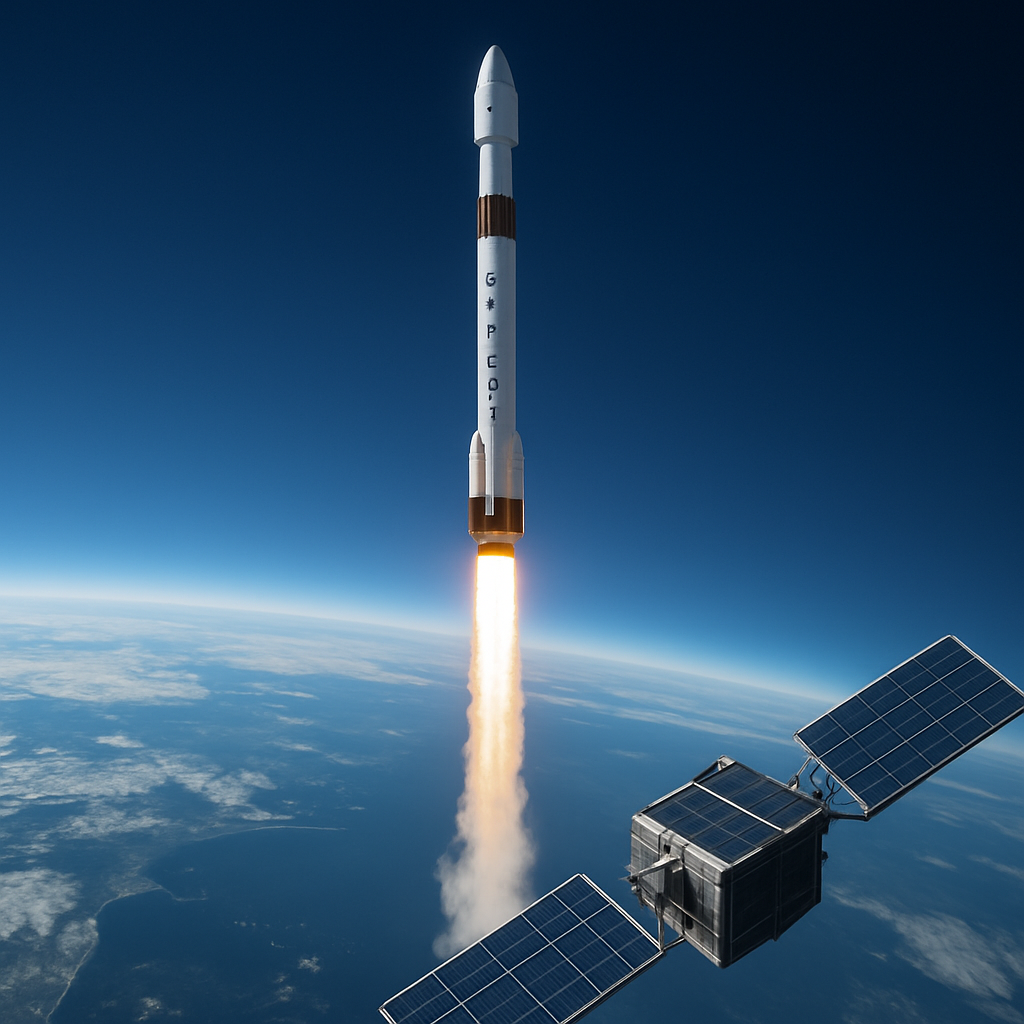
US Space Force Completes GPS III Upgrade with Final Satellite Launch
Imagine having pinpoint accuracy for your daily needs - from banking transactions to navigation - thanks to the upgraded GPS III system, now complete with the launch of its final satellite, SV-10. This game-changing upgrade delivers position data that's three times more accurate and eight times more jam-resistant than ever before.

Space Force Bolsters Satellite Defenses with Radar Warning Contracts
The US Space Force is taking satellite defenses to the next level with $3 million contracts awarded to three innovative companies to develop cutting-edge radar warning receivers. These game-changing sensors will empower the Space Force to detect whether their satellites are being tracked or targeted, ensuring a critical edge in space awareness.
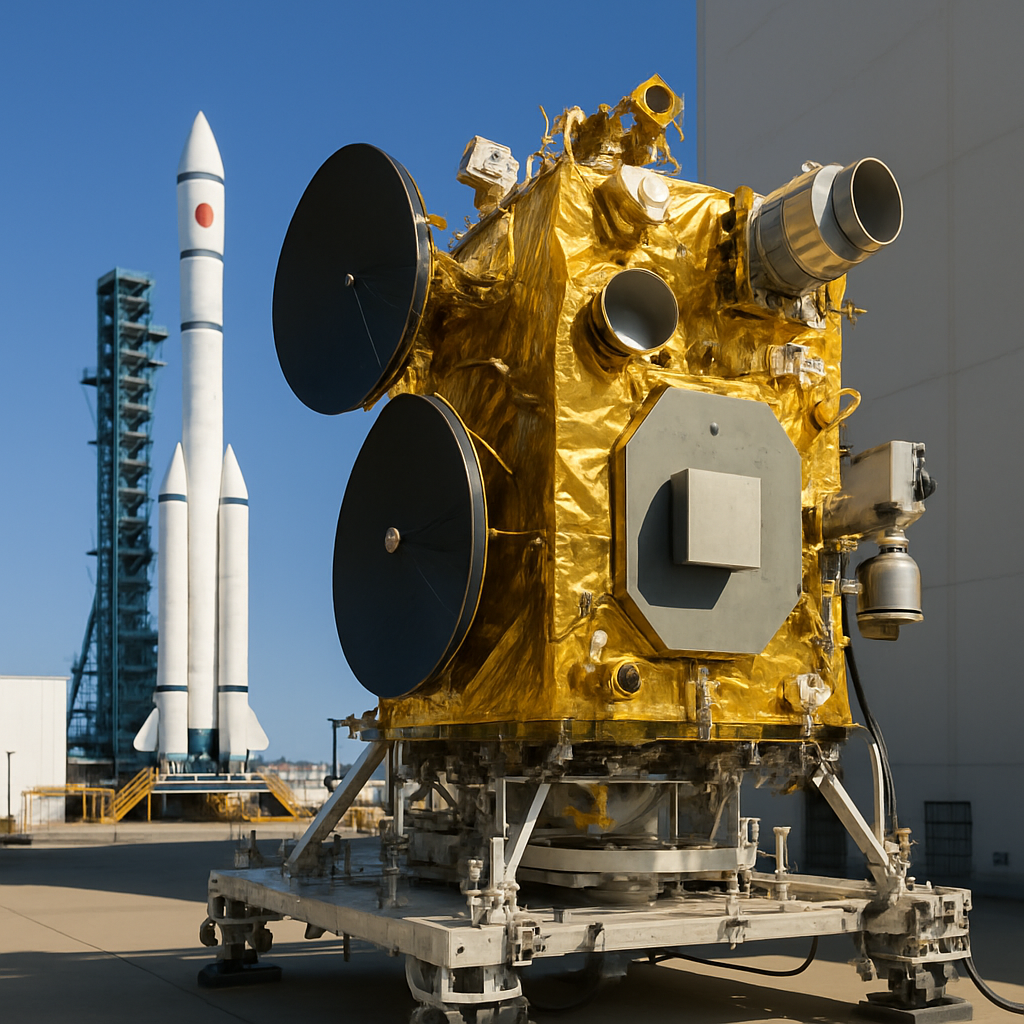
Pakistan Completes Electro-Optical Satellite Constellation with PRSC-EO3 Launch
Pakistan has made history with the launch of its PRSC-EO3 satellite, marking a major milestone in the country's growing technical expertise and completing its Electro-Optical Satellite constellation. The successful launch from China’s Taiyuan Satellite Launch Center is a testament to Pakistan's expanding capabilities in space technology.
US Military Adopts Software-Defined Approach to Dominate Space Domain
To stay ahead of evolving threats, the US military is turning to a software-defined approach to secure its space assets and maintain freedom of action. By adopting open-systems architectures, satellite operators can rapidly update spacecraft software in orbit and counter adversarial moves with speed.

US Space Force Awards $3.2 Billion for Orbital Interceptors
The US Space Force is taking a major leap in missile defense, awarding $3.2 billion in prototype contracts to 11 companies, including industry giants and innovative newcomers, to develop space-based interceptors that can counter threats with speed and agility. This move marks a significant step in the development of a new layer of US missile defense.
Space Force Awards $3.2 Billion for Golden Dome Interceptors
The Space Force is taking a giant leap in missile defense, awarding $3.2 billion to 12 top companies to develop cutting-edge, space-based interceptors for the Golden Dome program, aimed at outpacing rapidly advancing threats. This move accelerates the development of innovative solutions to counter modern missile threats.

Pentagon Anchors Future in Space with Next-Gen Satellite Network
The US military is betting big on space, with a next-gen satellite network set to revolutionize communications, missile defense, and strategic operations. Satellites have become the backbone of US military planning, enabling a more resilient and distributed force.

Trump Names Execs to Lead Space Force Acquisition, NRO
President Trump has nominated two top defense executives, Erich Hernandez-Baquero and Roger Mason, to lead major US space acquisition and reconnaissance organizations. This move comes as the Space Force is set to receive a massive 342% funding boost to $19.1 billion for procurement in fiscal 2027.

Space Force Pivots to New Space Data Network Over SDA Transport Layer
The Space Force is shifting gears, ditching the Space Development Agency's Transport Layer approach in favor of a new Space Data Network (SDN) backbone to meet its space data needs. This move marks a significant pivot, with the Space Force opting to consolidate requirements into the SDN rather than continuing to fund the Transport Layer's successive satellite tranches.

Space Force Awards Orbital AMTI Contracts to Nine Firms
The US Space Force has just awarded contracts to nine companies to build or operate orbital AMTI systems, but details about the deals, such as their value and timing, remain under wraps. The lack of transparency has left many questions unanswered, sparking curiosity about this significant development.
US Space Force Targets 2030 for On-Orbit Refueling and Space Tug Deployment
The US Space Force is revolutionizing space warfare with its new Objective Force plan, prioritizing space mobility to create a flexible and responsive fleet that can rapidly adapt to emerging threats. By 2030, it aims to demonstrate on-orbit refueling and deploy operational space tugs, marking a major leap forward in the future of space warfare.
Space Force Eyes 30,000 Satellites, Expanded Guardian Ranks
The Space Force is charting an ambitious course with its new Objective Force plan, aiming to deploy a staggering 30,000 satellites and swell the ranks of Guardians by thousands. But what's behind the classified details of this bold vision for a dramatically expanded space presence?

Satellite Imagery Exposes Iran's Shadow Fleet Operations
New satellite imagery has uncovered the secretive operations of Iran's shadow fleet, revealing a complex web of hidden activities that traverse international waters. This groundbreaking visual evidence is just one piece of a larger strategic puzzle, where technology, finance, and transparency intersect to redefine security and commerce.

Pentagon's New Acquisition Model Threatens Space Agency Overhaul
The Space Development Agency's future hangs in the balance as the Pentagon rolls out a sweeping new acquisition model that could overhaul its structure. But don't worry, its crucial missions will live on - even if its name and form may not.