Tag: national security
2618 articles
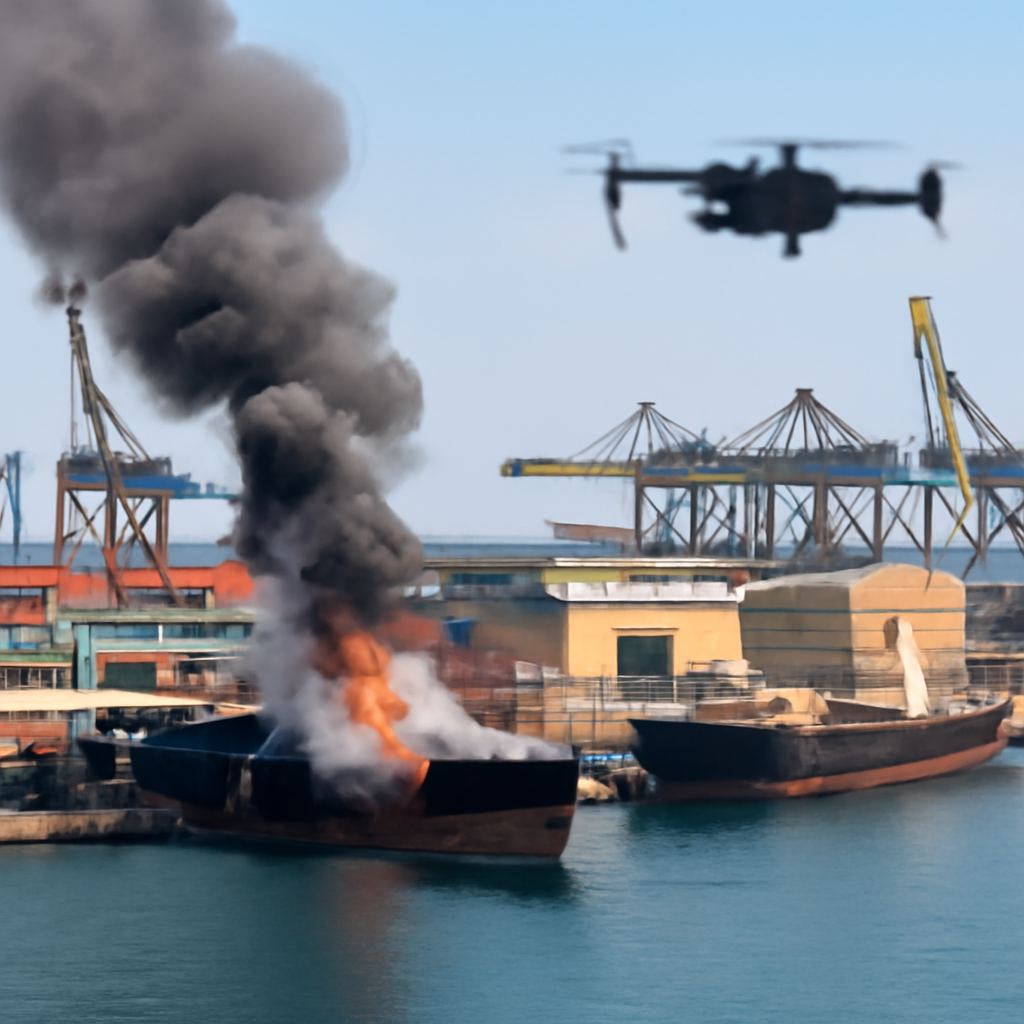
Iran Targets Egyptian Mediterranean Port in Drone Strike
Egypt's government has confirmed that a drone strike hit the Mediterranean port of Damietta on July 29, with investigations revealing that the incident involved two vessels, but no one has claimed responsibility yet. The authorities are still working to uncover the full circumstances of the attack.

AI Proliferation Sparks Warnings of Reckless Gamble
The notion that spreading advanced AI far and wide will create a safety net through sheer numbers is a flawed argument, as it's unclear whether the law-abiding majority can effectively counterbalance malicious actors. Mark Zuckerberg's recent op-ed suggesting that a balance of power is the foundation of safety has sparked debate about the risks and benefits of AI proliferation.
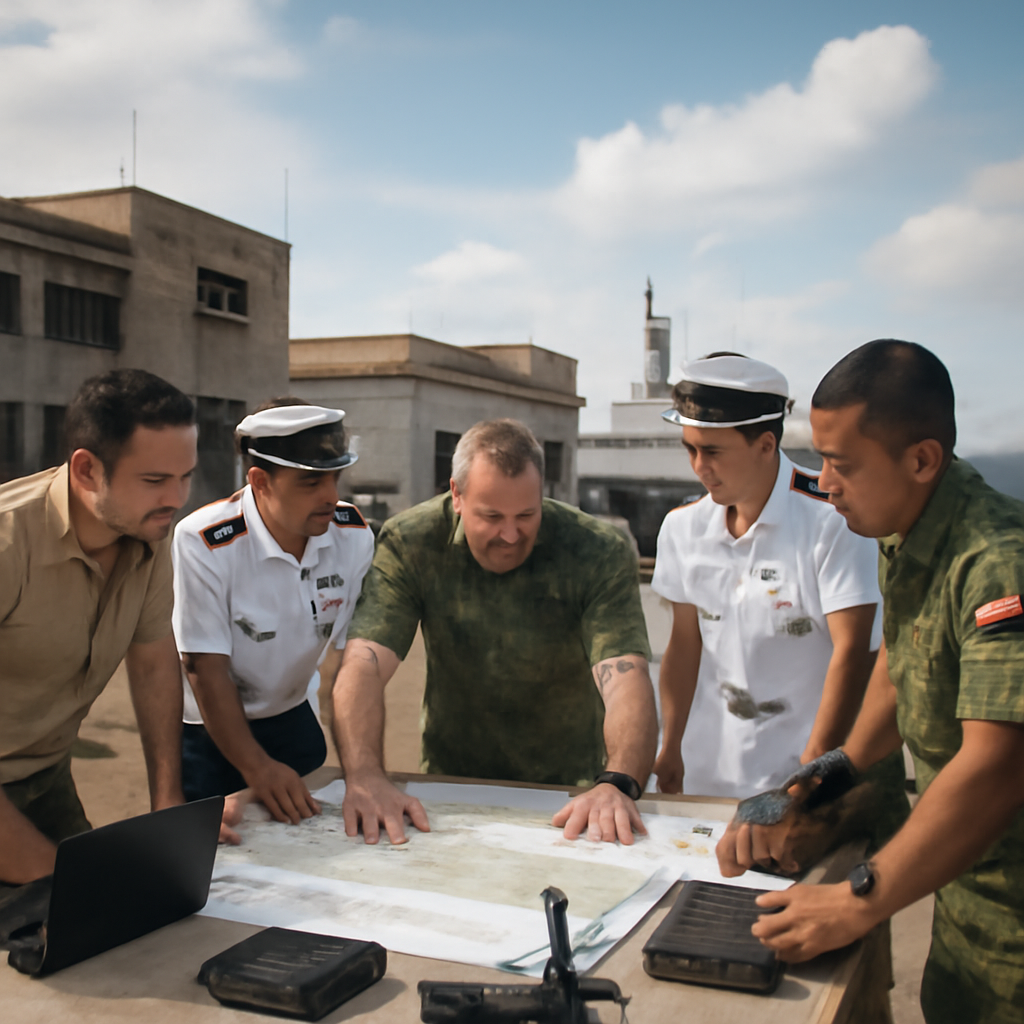
Australia Shifts Focus to Regional Security Amid US Uncertainty
As uncertainty grows around US involvement, countries in the Indo-Pacific are rethinking their security strategies and turning to each other for stability. A recent Chinese missile test in the South Pacific has heightened tensions, prompting regional nations to diversify their alliances and seek protection through collective security arrangements.
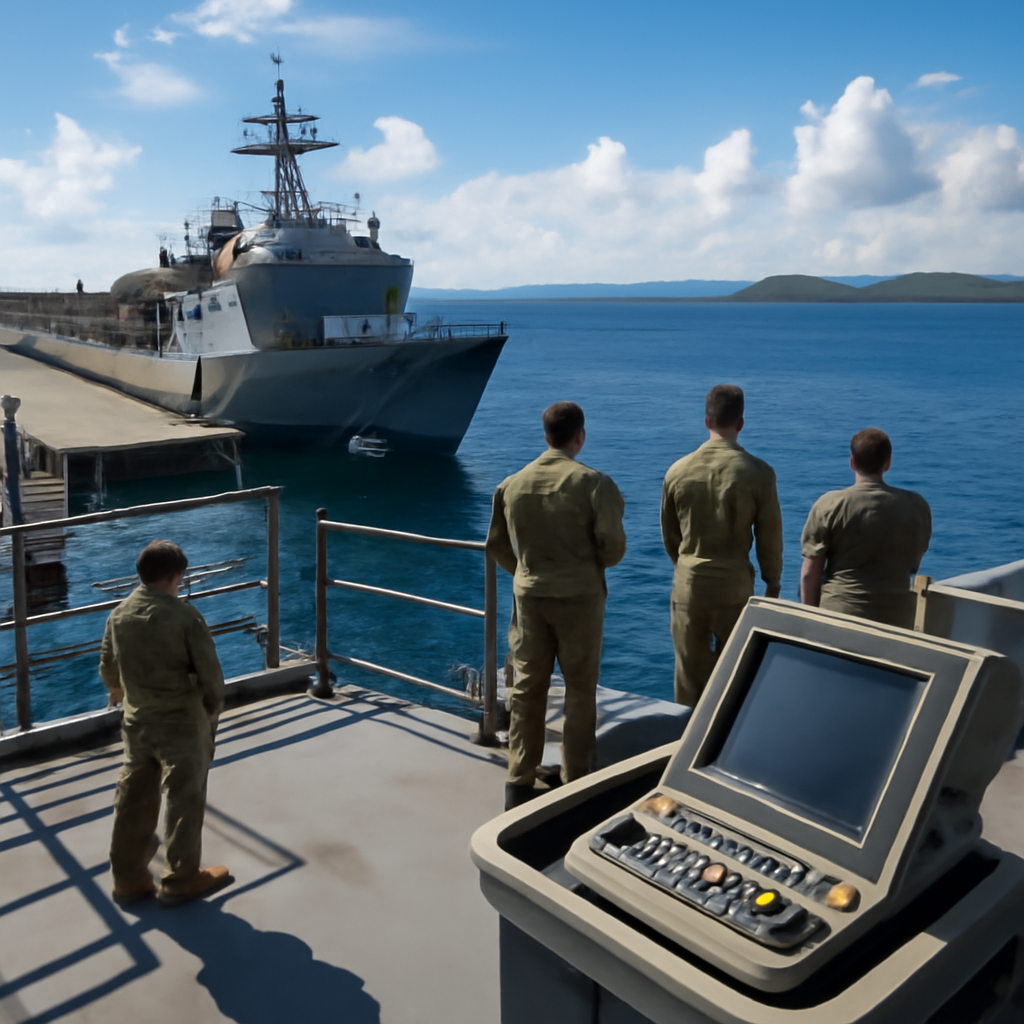
Leidos Tackles Pacific Logistics Tyrannies with AI and Autonomy
Logistics in the Pacific are a daunting challenge, with four major hurdles - distance, water, time, and scale - that can't be overcome, only mitigated. Leidos is tackling these Pacific Logistics Tyrannies head-on with innovative solutions like AI and autonomy.

Rafael CEO Pursues IPO, Seeks Flexibility Amid Global Expansion Plans
Rafael's CEO, Yoav Tourgeman, is betting big on a public listing, aiming for an IPO by 2026, as the company accelerates its global expansion plans with a 30% year-over-year growth trajectory. This move would give Rafael the flexibility to make swift decisions, unencumbered by government oversight.

US Quantum Ambitions Hindered by Complex Supply Chain Challenges
The US quantum ambitions are facing a major roadblock: a complex supply chain that's anything but straightforward. It's not just one supply chain, but multiple intertwined ones, making it a challenging puzzle to solve.

Airpower Fails to Secure Hormuz Despite Dominance in Iranian Skies
Despite the Defense Secretary's boast of a historic win, Iranian drones and missiles are still shutting down the Strait of Hormuz to commercial traffic, exposing a gaping hole in airpower's ability to secure the vital waterway. The US military's impressive destruction of Iran's navy and defense infrastructure has failed to translate to control of the skies and seas.
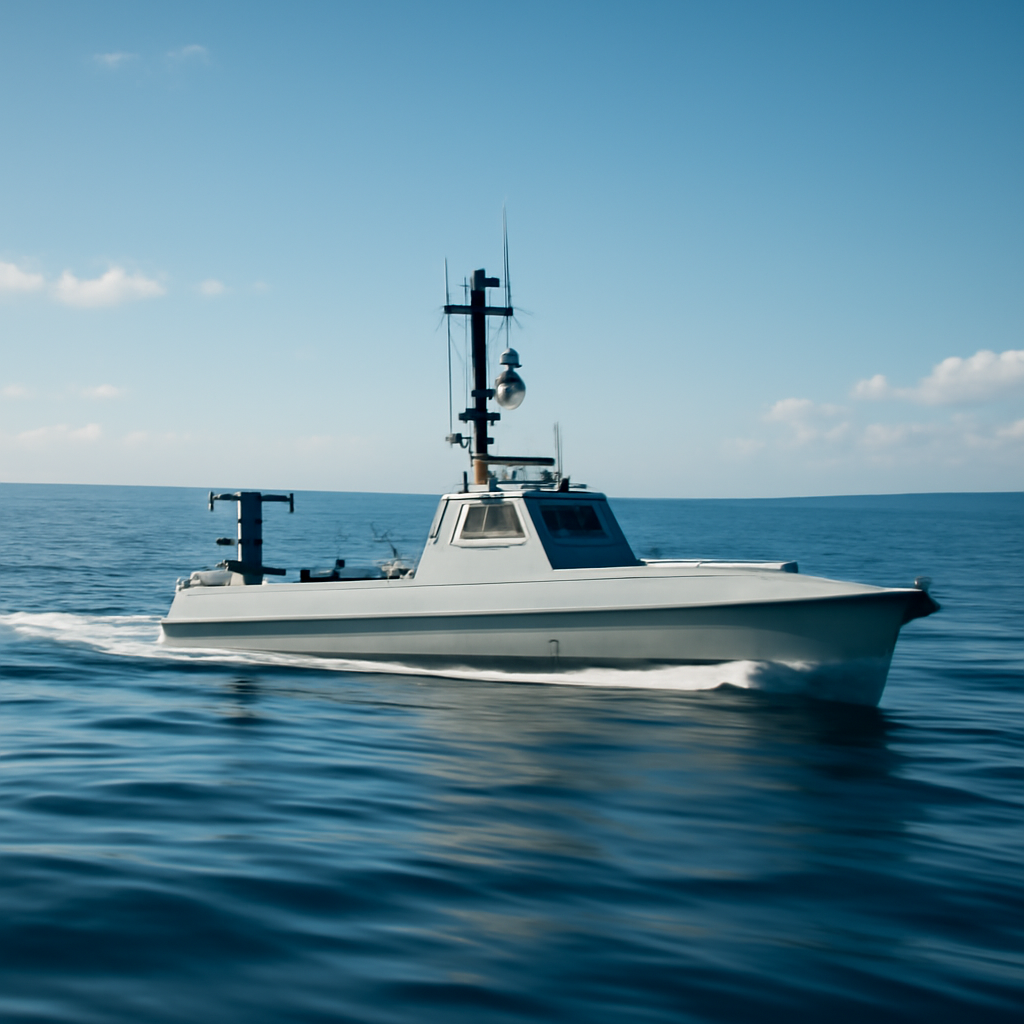
USVs Spark New Rules of Engagement Queries
Meet the Lightfish, a game-changing uncrewed surface vessel that recently tracked a Chinese vessel for hundreds of meters, sparking fresh questions about the rules of engagement at sea. This innovative, long-endurance USV can operate for up to six months, covering over 8,000 nautical miles at a leisurely pace.

US Military Left Vulnerable to Telecom Attacks
The US military's vulnerability to telecom attacks has been exposed, with numerous successful breaches resulting in stolen location data, intercepted communications, and even manipulation of American voters through text messages. This alarming threat isn't caused by a new malware strain, but rather a decades-old signaling system that underpins global telephony and has been left open to exploitation.
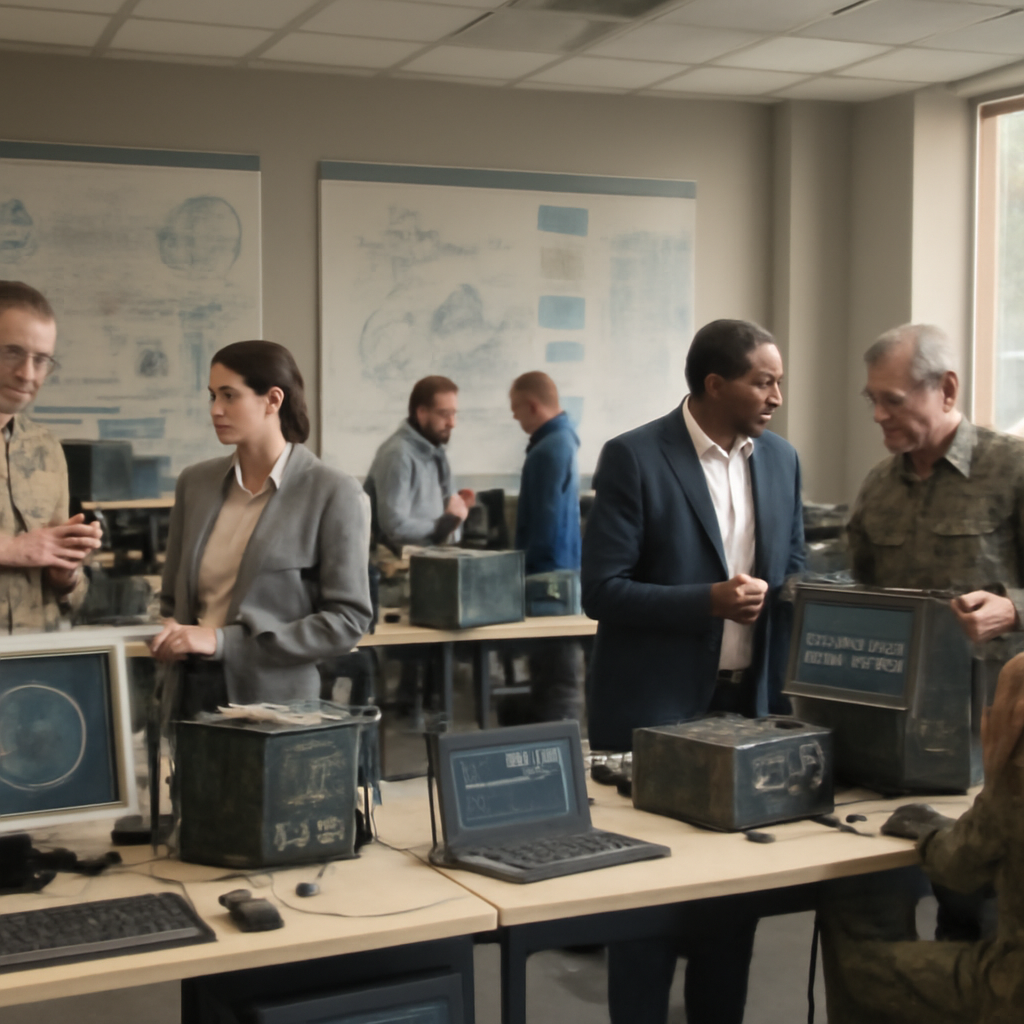
Army Launches Reveille Forge for Air Defense Integration Testing
The Army has launched Reveille Forge, a cutting-edge facility that unites military, industry, and academic teams to revolutionize air defense integration testing. Located at Redstone Arsenal in Alabama, this game-changing environment enables seamless collaboration and integration of innovative solutions with existing defense systems.

Japan Launches Tomahawk Missile from Warship in Pacific Test
Japan just took a major leap forward in its defense capabilities with the successful launch of a Tomahawk missile from a warship in the Pacific Ocean, marking a significant milestone in the country's pursuit of stand-off defense. This impressive live-fire test showcases the nation's steady progress in advancing its military technology.

Australia Urged to Audit and Fix Economic Vulnerabilities
Australia's reliance on imports leaves it alarmingly vulnerable, with just 30 days of net-import cover - a far cry from the 90 days recommended by the International Energy Agency. A government-led national audit could be the key to identifying and fixing these weaknesses before it's too late.
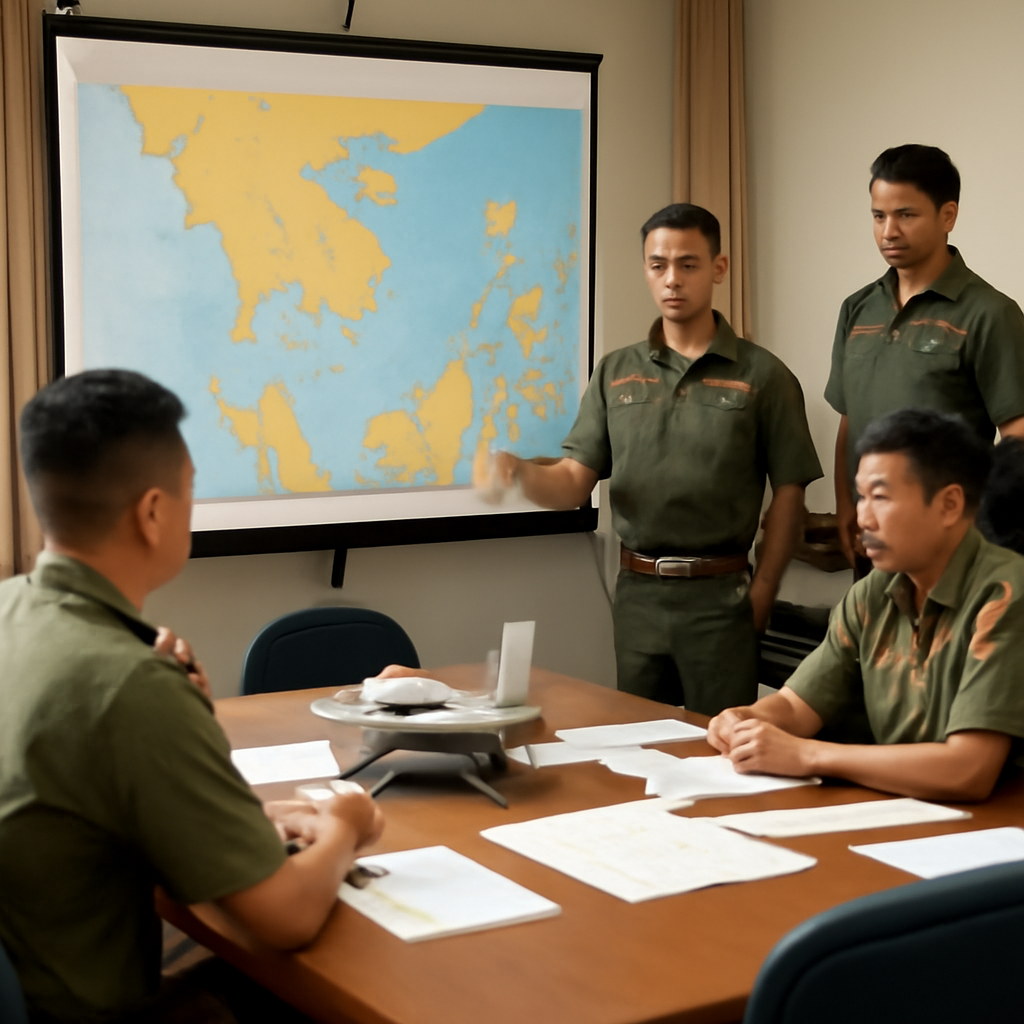
Indonesia's Fighter Jet Gamble Tests ASEAN Ties and Military Cohesion
Indonesia's bold move to acquire combat aircraft from China and Pakistan is testing its delicate balance of military ties with ASEAN and beyond. With its bebas aktif foreign policy, President Prabowo Subianto is walking a tightrope, seeking to stay free and active without taking sides.

NCSC Urges Vendors to Embed Forensic Observability in Network Devices
When cyber incidents strike, organizations need a reliable way to piece together what happened and determine if a device is still trustworthy - that's where forensic observability comes in. The NCSC is urging vendors to build this capability into network devices, like firewalls and VPN gateways, to help defenders quickly investigate and respond to threats.

FCC Blocks Foreign Robots, Inverters Citing Cyber Risks
The FCC has taken a major step to safeguard US cybersecurity by adding foreign-made mobile robots and power inverters to its Covered List, effectively blocking their import, marketing, and sale in the country due to potential cyber risks. This move won't impact existing devices or previously authorized models, but it does set a new standard for protecting American consumers and infrastructure.

US Allies Steward Global Order Amid Hegemonic Uncertainty
As global uncertainty grows, Japan and Australia are taking bold steps to shore up the international order, with a landmark agreement between the two nations marking a new era of cooperation. By strengthening ties with each other and with the US, key allies are proactively working to preserve a stable world order.
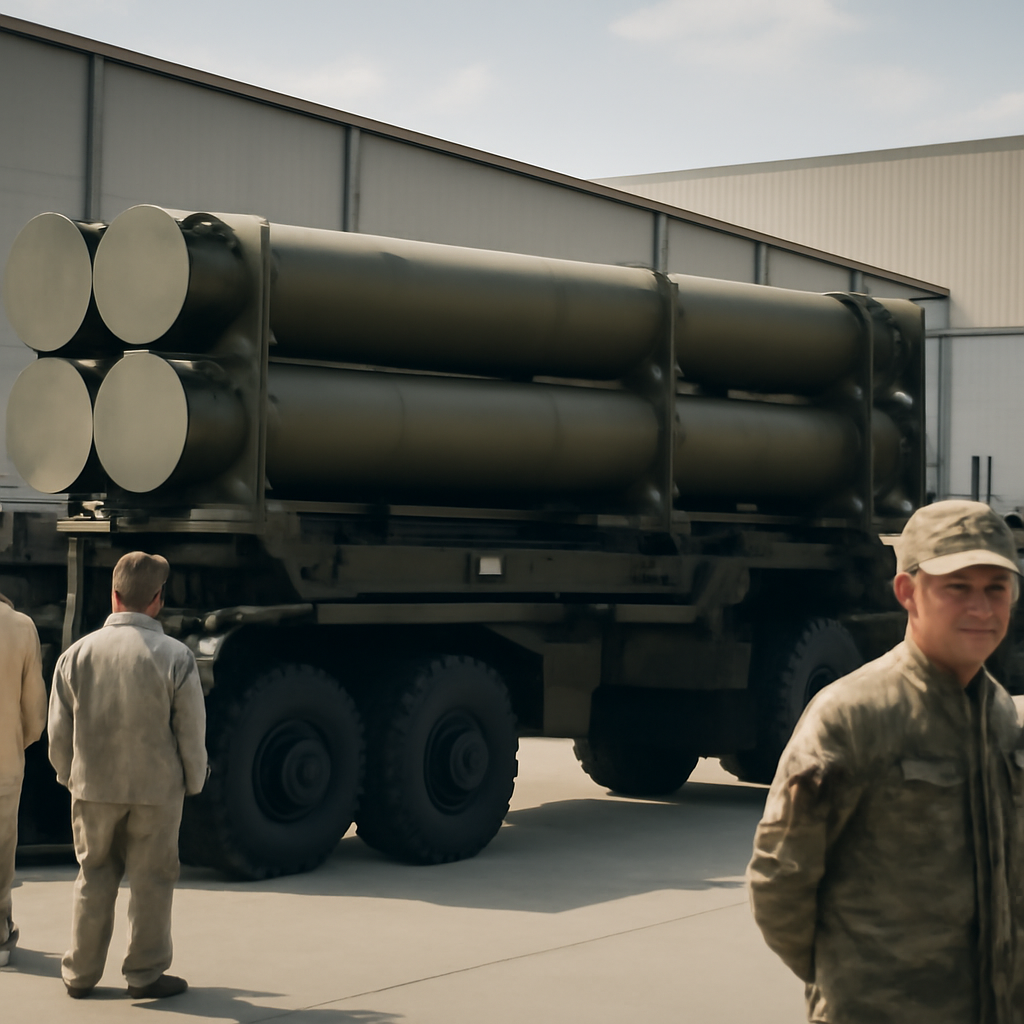
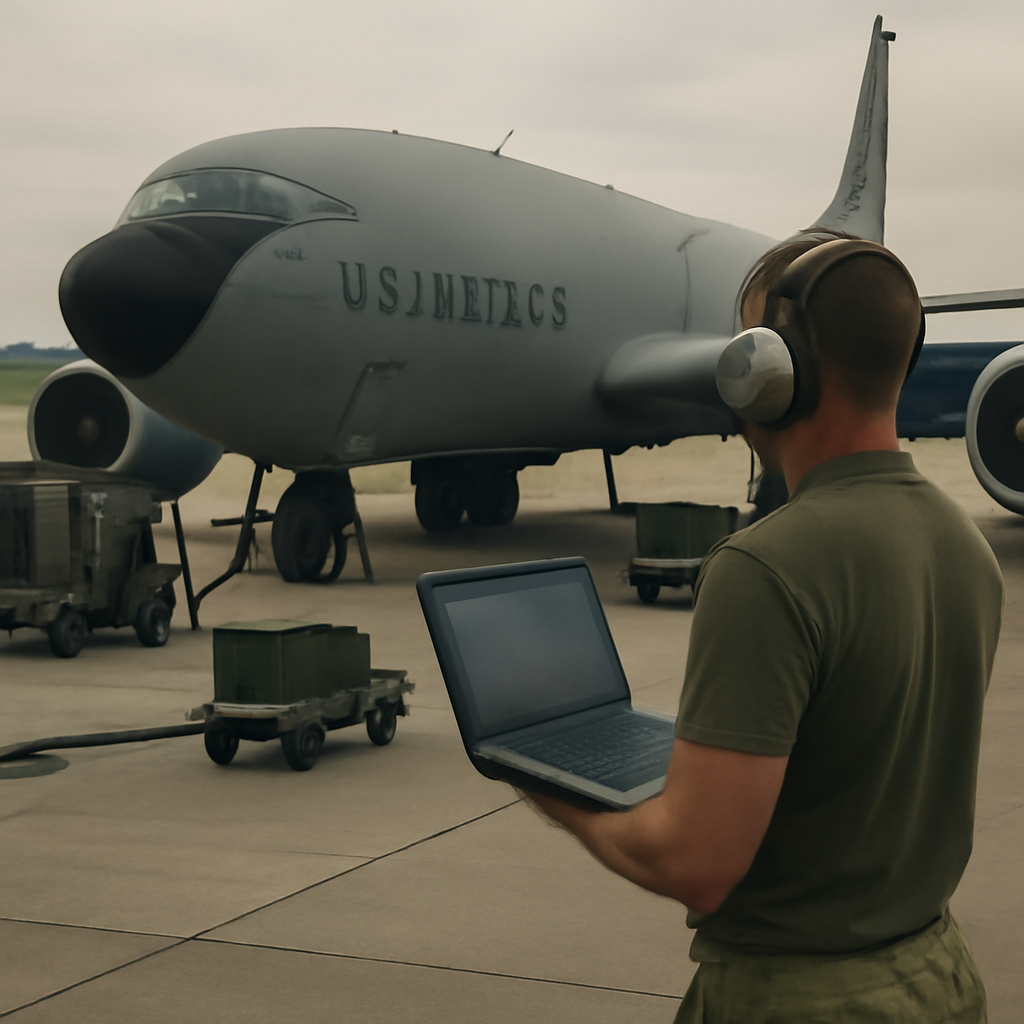
Air Force Accelerates KC-135 Connectivity Upgrades Amid Iran War
The Air Force has fast-tracked connectivity upgrades for its KC-135 fleet following a deadly tanker crash during Operation Epic Fury, a move driven by urgent safety and operational concerns. This acceleration comes after a tragic incident in March that claimed the lives of six airmen and raised critical questions about the aircraft's battlespace awareness and secure communications.
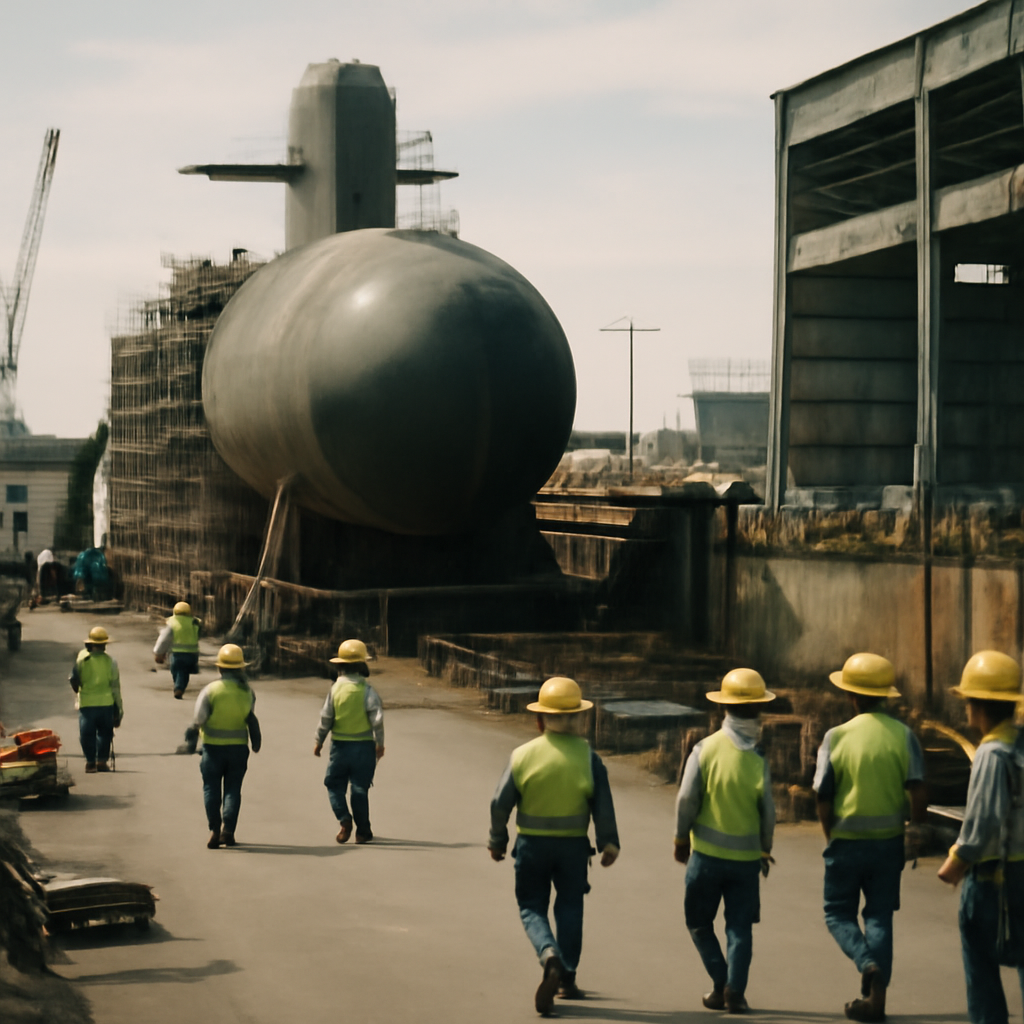
AUKUS Workforce Challenge Threatens Submarine Program Success
AUKUS is about more than just defence - it's a national endeavour that requires a robust workforce, housing, education, and migration strategy to succeed. Without a skilled workforce, Australia risks failing to build the nuclear submarine capability it needs, warns South Australian Premier Peter Malinauskas.
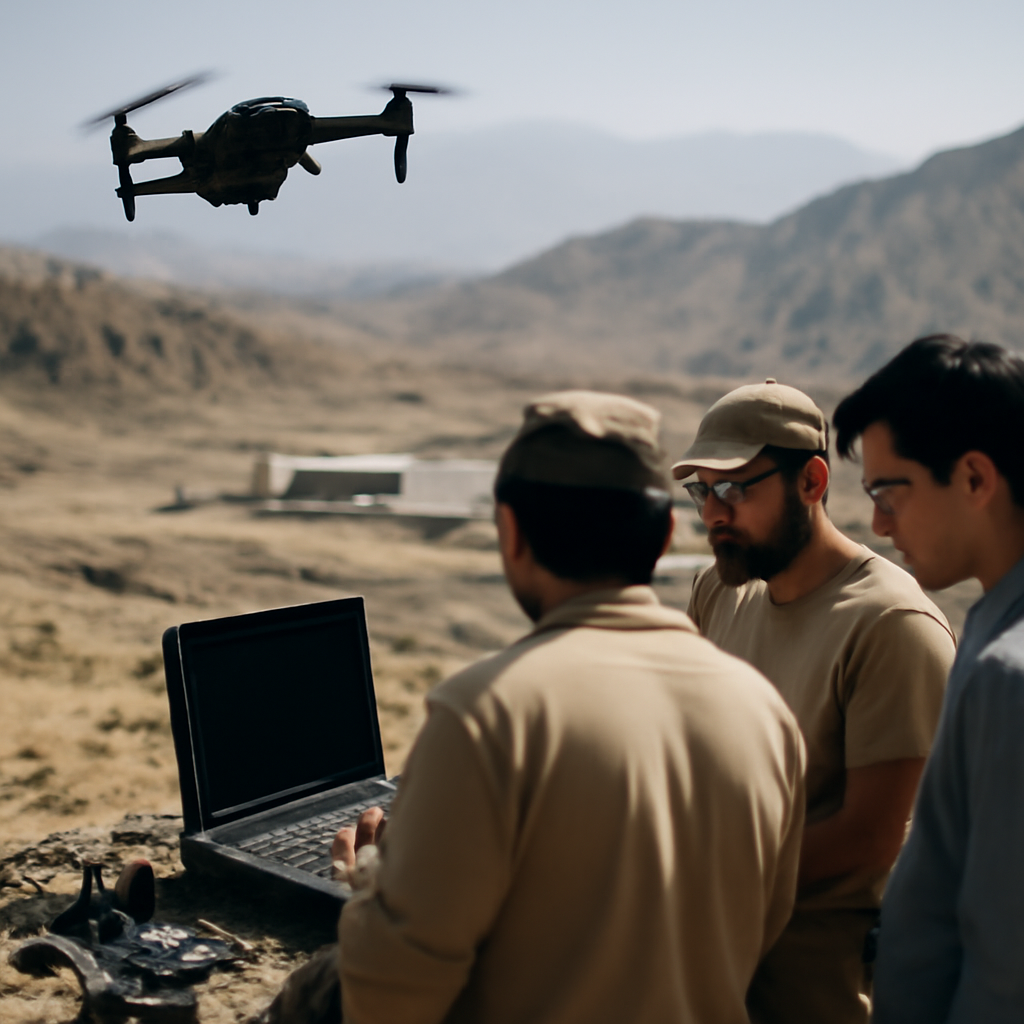
Pakistan Accelerates Development of Integrated Drone Systems
Pakistan is turbocharging its drone technology with cutting-edge integrated systems, unveiling innovations at the Indus Robotics and Autonomous Systems Expo. The country's ambitious push into robotics, AI, and data storage is taking off with the launch of the Sky47 hyperscale data centre.

Congress Targets UTS Threat to US Troops' Digital Security
The threat of ubiquitous technical surveillance, or UTS, is a pressing concern for US troops' digital security, with top officials warning it gives adversaries a significant advantage. A unified response from the Department of Defense is now needed to counter this growing danger.

Leidos Subsidiary Designs Australian Nuclear Submarine Dry Dock
Leidos' subsidiary, Gibbs and Cox, has been tapped to design a critical dry dock facility in Australia, a game-changing step toward receiving the country's first Virginia-class submarine under the AUKUS Pillar 1 partnership. This contingency dry dock will provide a vital backup capability for Australia and its allies.
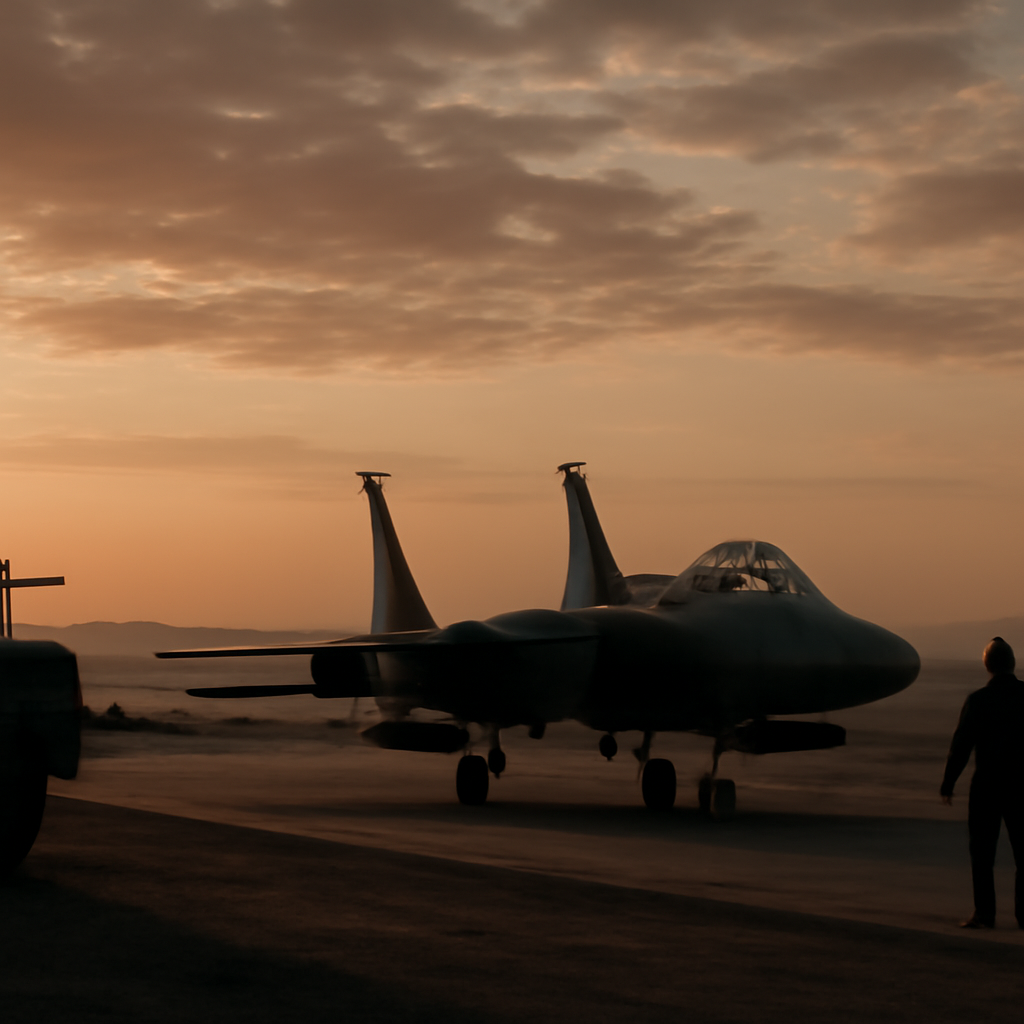
US and Saudis Strike Iraq in Response to Iranian Attacks
In a bold move, the US and Saudi Arabia launched a joint strike on Iran-aligned groups in Iraq, hours after foiling a surprise ballistic missile attack from Iran, with President Trump vowing to take a tough stance, saying the US would fight back with full force. Trump revealed that US forces had just minutes to shoot down the incoming missiles, successfully defending against the attack.

US Government Accelerates Post-Quantum Cryptography Transition
The US government is taking a proactive approach to stay ahead of emerging threats by accelerating its transition to post-quantum cryptography, a critical step in safeguarding federal systems against advanced cryptographic attacks. A new Executive Order is driving this effort, requiring federal agencies to rapidly adopt this next-generation security measure.