Operation Epic Fury: blue‑sky dominance, littoral failure
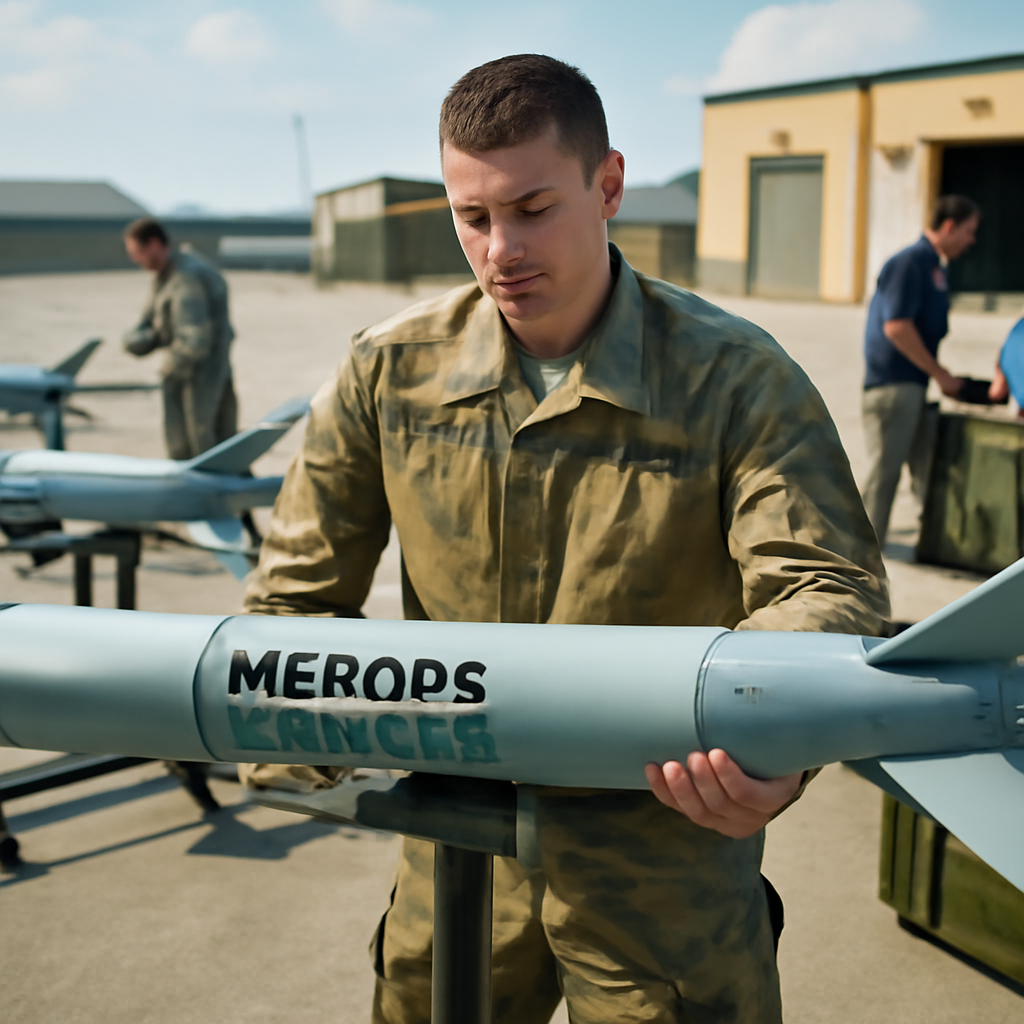
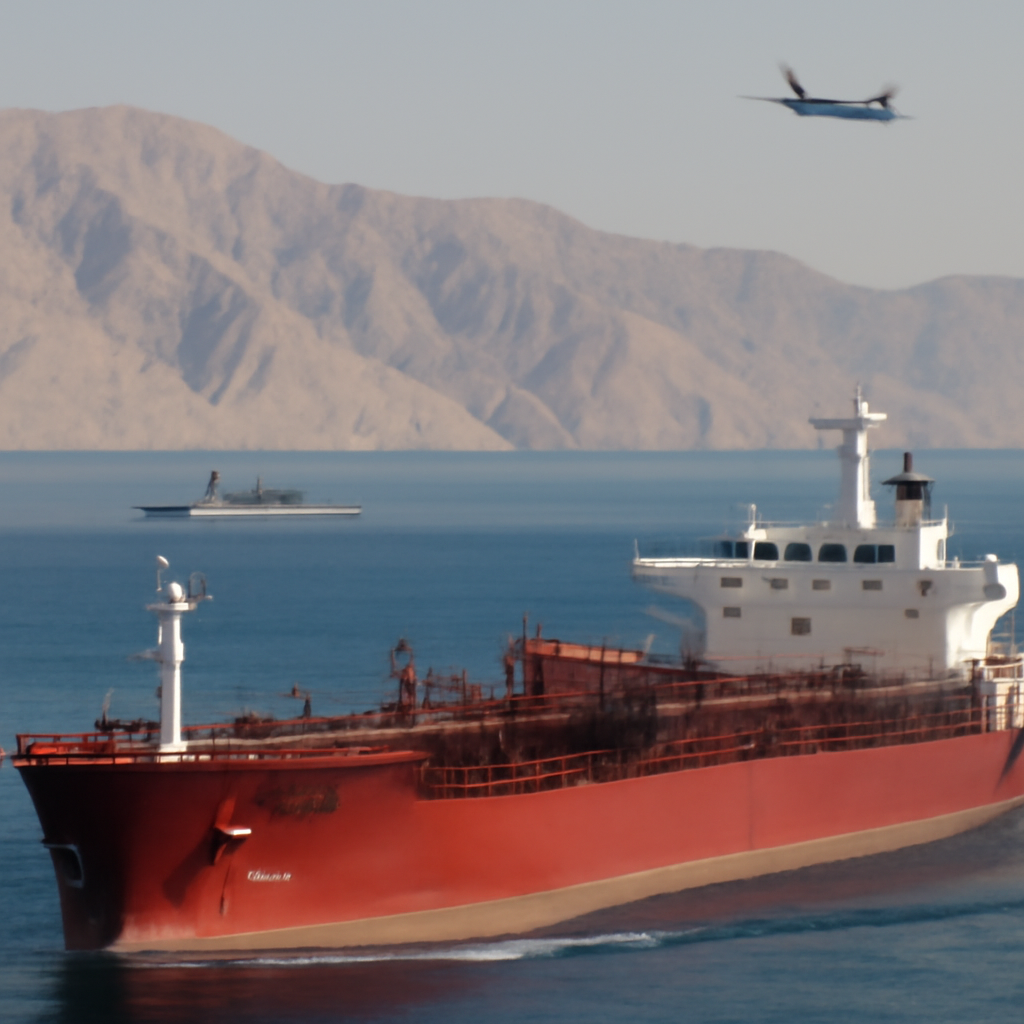
Operation Epic Fury produced the kind of destruction airpower historically promises. The campaign, by the defense secretary’s account, sank Iran’s navy, buried missiles, and left the country’s defense industrial base “almost completely destroyed,” setting its military “set back not just years, but likely decades.” Yet that tally coexisted with a continuing operational problem: Iranian drones and missiles have struck more than thirty commercial vessels, and the threat kept the US Navy from escorting merchant traffic through the Strait. Senators repeatedly asked why the seas remained disrupted if the air war was won — a gap the operation’s public scorecard did not resolve.
What the air littoral claims that blue‑sky doctrine missed
The authors argue the puzzle is explained by a conceptual seam they and others call the “air littoral.” Defined in Parameters in 2021 as the airspace that “must be controlled to support land and maritime operations and can be supported and defended from the air and/or the surface,” the air littoral is not offered as a new domain but as a recognition that low‑altitude, near‑surface airspace produces distinctive operational dynamics. Controlling the high altitudes above Iran did not translate into control of the air littoral where masses of inexpensive, dispersed drones and missiles operated.

This site is the portfolio.
OSINTSights runs on Cloudflare Workers, D1, R2, and Vectorize, with an AI pipeline on Hetzner ARM. Nubivance designed, built, and operates it. We do the same for clients.
See what we buildRetired Lt. Gen. David Deptula’s counterargument and the authors’ rebuttal
Retired Lt. Gen. David Deptula responded to the authors by rejecting the premise that naming low‑altitude airspace creates a new domain. Deptula wrote that “renaming low‑altitude airspace does not create a new domain” and called the air littoral a “made‑up division of the air domain.” The authors counter that the disagreement is terminological and tactical: whether one calls it a domain is beside the point, because the seam exists and changes how control must be achieved. They say the traditional contest — defeating aircraft and integrated air defenses in the blue skies — did not address the operational reality of thousands of cheap, mobile systems operating at low altitudes.
Doctrine, persistence, and the limits of responsive presence
Current airpower doctrine substitutes speed for persistence: aircraft cannot permanently hover over a point, so responsiveness and local, temporary air superiority have been core tenets. The authors argue those tenets assumed the fight would be where the Air Force had traditionally excelled. Instead, “inexpensive drones, precision‑guided munitions, advanced sensors, and increasingly autonomous systems” shifted the decisive contest downward and increased the density and persistence of threats in the seam. The Air Force’s 2025 Doctrine Advisory, Control Below the Coordinating Altitude, acknowledges that low‑altitude operations present distinctive command, control, and coordination challenges — an important step, the authors say, but one that Operation Epic Fury suggests understates the scale of the problem.
What this means for the Air Force, the Navy, and policymakers
- Air Force: The authors argue the service must confront that treating low‑altitude control as unachievable or “someone else’s problem” will leave joint operations vulnerable; they say the force failed to build and field the capabilities modern air superiority requires in the air littoral.
- US Navy: The continuing Iranian drone and missile threat kept the Navy from escorting commercial shipping through the Strait, showing that maritime operations depend on low‑altitude control as much as on blue‑sky dominance.
- Policymakers: Operational metrics and a public scorecard that emphasize destruction in the blue skies can mask persistent denial effects. The authors note the Strait “barely and briefly” reopened after Washington accepted a framework agreement on Iran’s terms and that it is now “effectively closed again,” underscoring the political and economic significance of unresolved littoral denial.
The blunt conclusion the authors press is that the traditional measure of air superiority — control of aircraft, radars, and integrated air defenses at altitude — does not by itself guarantee freedom of maneuver for the joint force. They note Iran retained much of its strategic weight: “most of its highly enriched uranium [is] believed to remain underground” and Iran “held on to as much as 70 percent of its missile stockpile.”
Operation Epic Fury, they write, forced this challenge into the open. To reject the air littoral, they insist, is to leave unanswered how a force can “dominate the blue skies over Tehran and still lose the airspace that mattered most.” That paradox is the concrete question Epic Fury leaves policymakers and military planners with — and, by the authors’ account, one the defense establishment must answer if future campaigns are to secure both the high skies and the littoral spaces below.