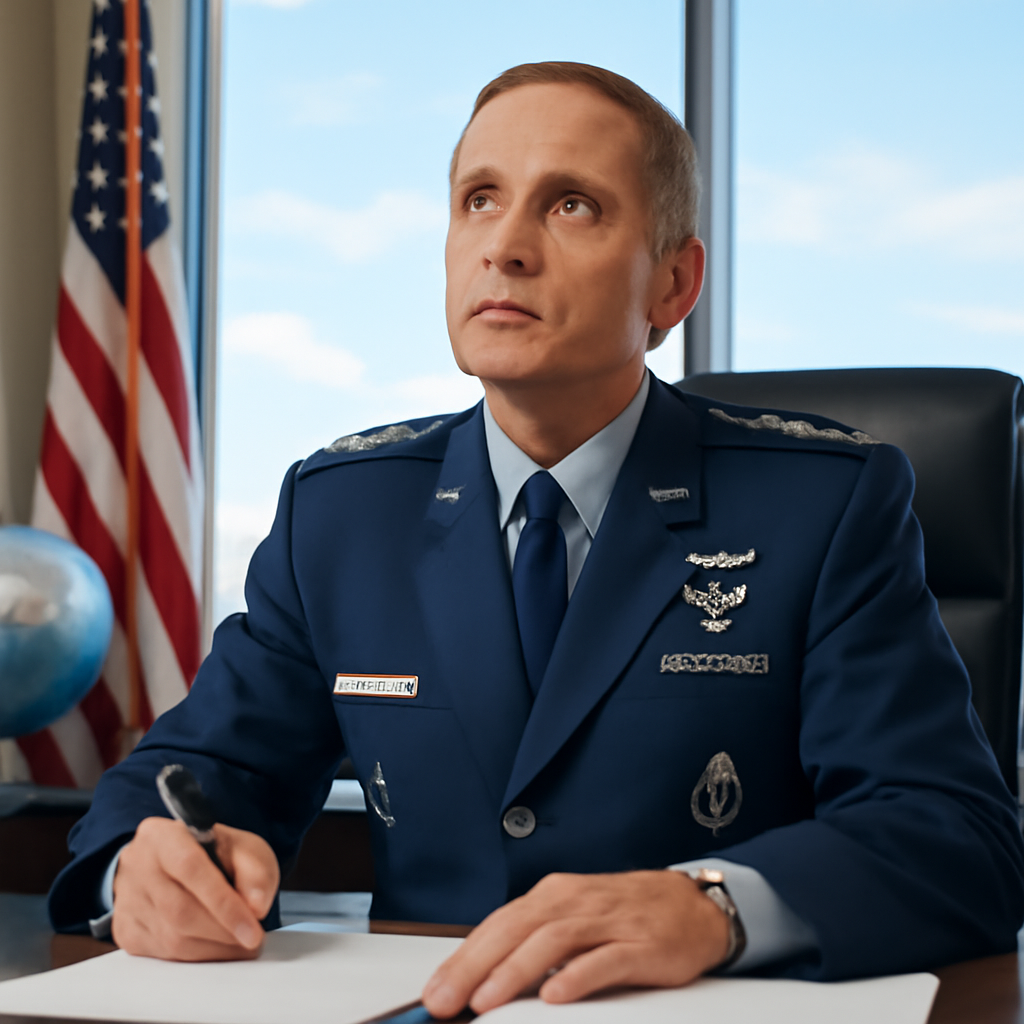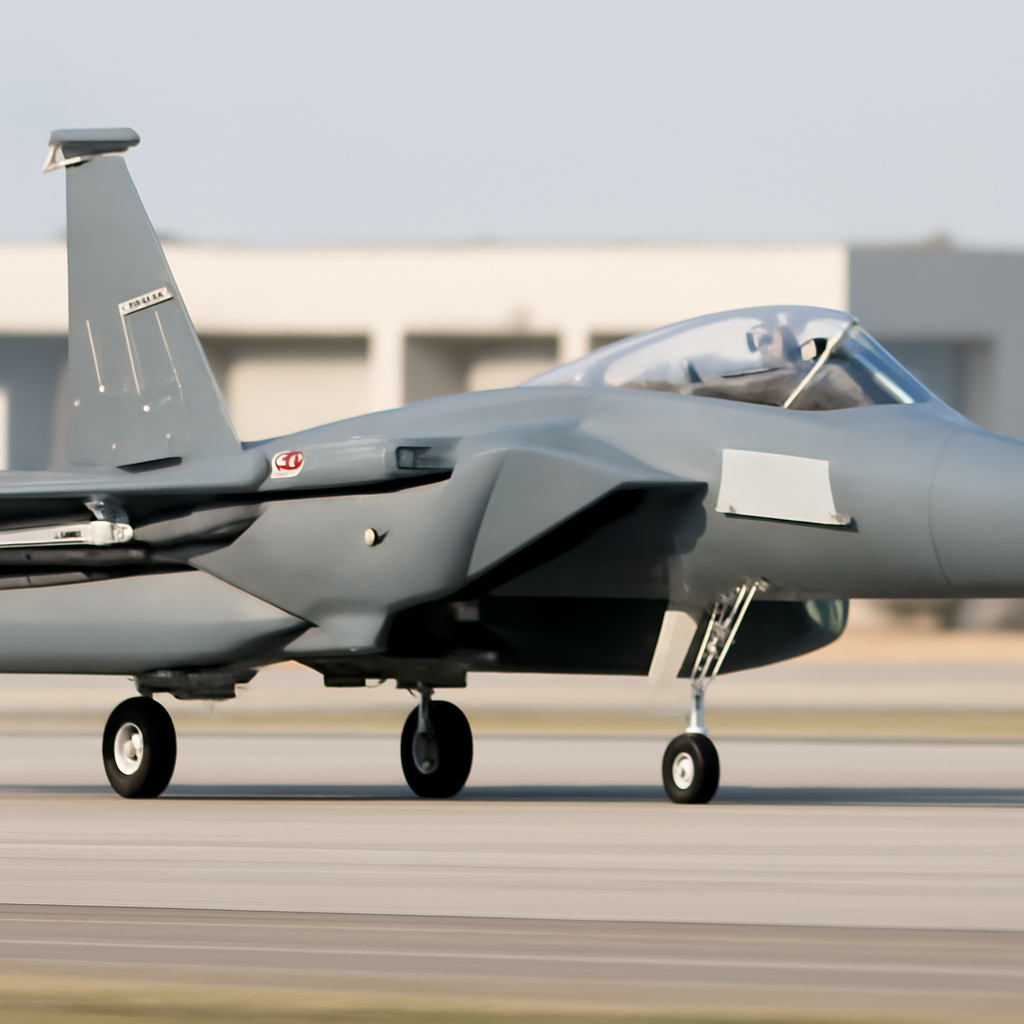
"I am very optimistic," Yoav Tourgeman said — a short, brisk verdict that frames Rafael's most consequential bet in years: a move from government control to a public listing that the company's CEO says could happen before the end of 2026.
Yoav Tourgeman on timing, decision-making, and the Knesset
Tourgeman told Breaking Defense at the Farnborough Airshow that Rafael has seen 30 percent growth year over year and that sustaining that trajectory requires a different corporate posture than government ownership allows. He argued that private ownership would permit faster decisions — "If I decide to buy a company, [as a private firm] it's my decision, I will do it a week later" — while purchases under government control are slowed by layers of approval and "a different set of requirements."
Tourgeman repeatedly tied the timetable to Israeli politics. He noted that "the Knesset [parliament] has decided to dismantle itself, and Oct. 27th there is going to be election," and said he believes "quite immediately after that, the decision-making process will restart." When asked whether the deal could close before the end of 2026, he replied with the same optimism that opens this piece: "I am very optimistic."
Privatization choices: listing venue, ownership depth, and regulation
Several concrete choices remain unresolved and, in Tourgeman's account, are matters for government leadership. He said the government will "say what is the privatization depth. Will it be majority or not? What will be the constraints? Is it NASDAQ, the Israeli stock market, or other way around? I don’t know." His stated preference is to minimize regulatory burden: "My preference is to have as little burden from regulation as possible, because, you know, we are an international active, very competitive company, and what we need is flexibility."
Tourgeman also compared Rafael’s IPO push to rival Israeli Aerospace Industries (IAI). He said IAI has been eyeing an IPO longer and is therefore "more prepared," but that the two firms differ in their union relationships. IAI's union, he said, "is more politically active," which could slow its move; Rafael’s union is, in his characterization, "more focused on workforce issues" and could allow a faster internal pace — subject, he emphasized, to government decisions.

The cyber insurance questionnaire just landed. Now what?
SOC 2, HIPAA, insurance renewals - someone has to own security strategy. Nubivance provides fractional CISO leadership without the full-time salary.
Get a security leadPartnerships with automakers and production scale-up
Tourgeman declined to confirm specifics on a reported plan to convert a German production site for parts of the Rafael-made Iron Dome interceptor, but he spoke broadly about teaming with car manufacturers to expand capacity. He described automakers as possessing "a lot of skills that can contribute to the process" and framed collaboration as a "win-win situation," particularly while the auto sector faces a downturn: "Now, there is a kind of recession in car industries. So from both sides there is interest, and a very good technological basis to collaborate."
He named Germany, India, the US and the UK as candidate countries for such partnerships and said Rafael is "looking to expand our activities" in those markets, including "potentially an energetics presence in Europe."
The status of a specific German tie-up has been reported differently across outlets: Bloomberg reported that Qatar's financial backing of Volkswagen scuttled a reported deal, "though that development has since been denied in other outlets," and the most recent update in public reporting is that the German government was "reportedly working on a solution to support Israeli participation."
Exhibitions, France, and a stand on access
Tourgeman voiced visible frustration with French actions at recent exhibitions. He referenced incidents at the Paris Airshow and Eurosatory where exhibitors found their displays surrounded by large black walls, and he said Rafael will not alter its plans to attend future Paris Airshows to accommodate French requirements. "For sure, we will not bend to the French government laws," he said. "Our intentions, our interests, [are] we're going to be there. We're going to show what we can bring to the table, and I hope that they will not try to intervene as a democratic so-called, country."
He added that Rafael would pursue legal remedies if necessary: "We are going to try again. Even if we will have to go to the Supreme Court. We will do that. Eventually, eventually — there are international laws, and they have to obey international laws."
How the Knesset, workforce unions, and automakers are likely to respond
- Policymakers and regulators (the government and the Knesset): They will be the decision-makers on privatization depth, listing venue, and constraints; Tourgeman frames those choices as determinative for Rafael’s speed and flexibility.
- Workforce unions and employees: Tourgeman distinguished Rafael’s union as "more focused on workforce issues" and suggested this orientation could allow Rafael to “move fast,” while the more politically active union at IAI may slow that firm's timeline.
- Automakers and foreign governments (Germany, India, the US, and the UK): Tourgeman presented these countries as potential partners for production scale-up and noted ongoing, sometimes contradictory, reporting about a German production tie-up — including a reported Bloomberg claim about Qatar's involvement and a separate report that the German government was working on a solution to enable Israeli participation.
Rafael's path from government entity to publicly traded competitor, in Tourgeman's telling, depends on three clear variables: the Knesset's post-election willingness to set privatization rules, the degree of regulatory burden attached to any listing, and the company's ability to broaden production through partnerships abroad. Tourgeman frames those moves as necessary not only for growth — he cites 30 percent year-over-year expansion — but for the operational flexibility he says will let Rafael act "a week later" when business opportunities appear. Whether that optimism translates into a completed IPO before the end of 2026 will hinge on decisions that, by his own account, sit largely in the hands of others.