“AUKUS is housing policy. AUKUS is education and skills policy. AUKUS is migration policy.” — South Australian Premier Peter Malinauskas, opening session of ASPI’s 2026 Defence Conference.
Peter Malinauskas: from state project to national endeavour
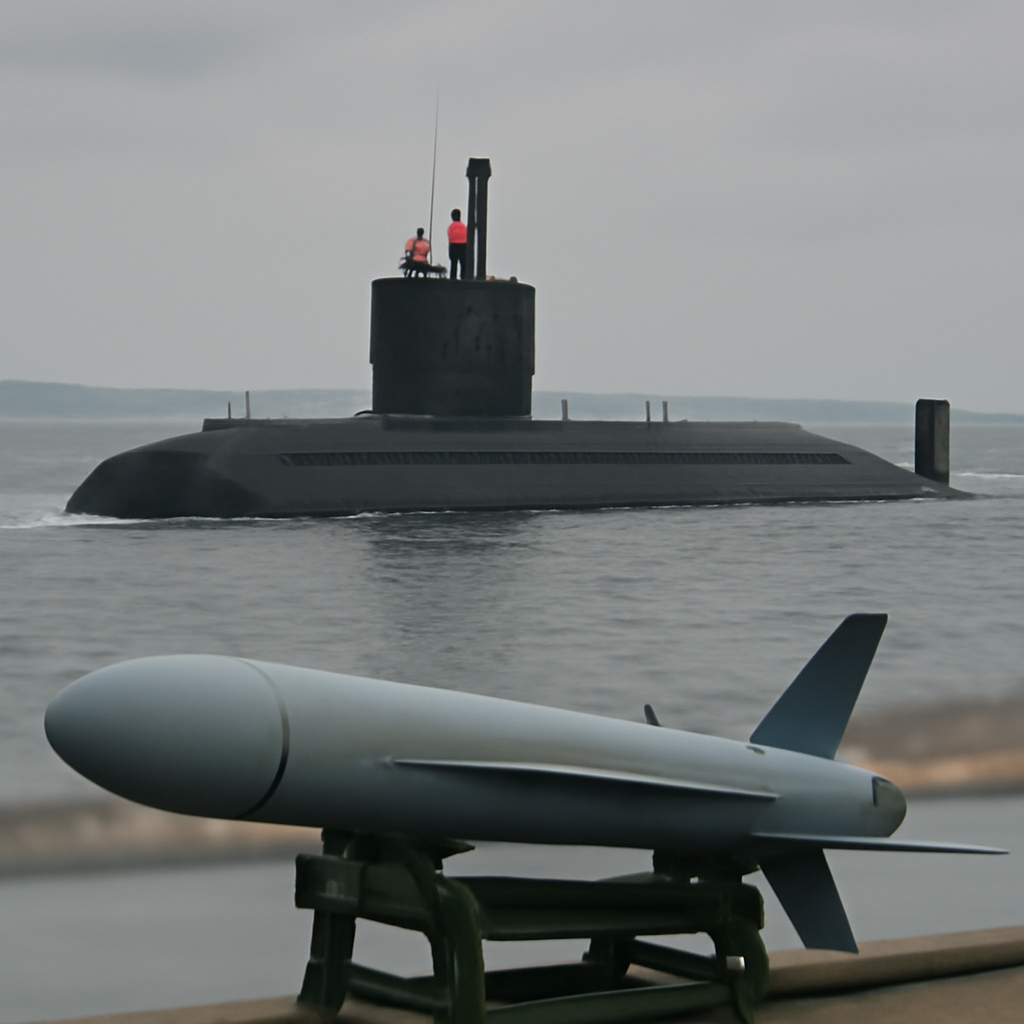
South Australian Premier Peter Malinauskas framed AUKUS Pillar One — the nuclear submarine element — as a program that reaches well beyond defence procurement into the core machinery of national policy. Malinauskas argued that Australia cannot simply buy the capability: “We can offer all the money in the world, and no country is going to sell us a submarine, because they’re too busy making them for themselves. So, if we want this capability, we have to build it for ourselves.”
His warning was twofold. Politically the partnership has proven durable — “every country has thoroughly scrutinised politically the AUKUS proposition and endorsed it” — but the practical test, he said, will be whether the rest of the nation backs South Australia’s industrial lead with the workforce, education and migration policies required to sustain a decades‑long enterprise.
Workforce scale, skills and redistribution
The AUKUS enterprise will not only create roles; it will reshuffle the skilled Australian labour pool. The program “requires Australian citizens capable of obtaining high-level security clearances,” drawing from defence industries, advanced manufacturing, infrastructure and engineering. The same electricians, welders, fitters, engineers, project managers and construction tradespeople in demand for submarines are likewise needed across national energy and mining projects and the workforce pipeline for the 2032 Olympic and Paralympic Games infrastructure.
Projections cited in the source show that over the next 30 years “some 20,000 new jobs could be required, but the actual number is expected to be higher.” Skilled migration therefore remains essential — not primarily to fill the most highly classified roles, but to backfill positions vacated as Australians move into the nuclear enterprise.

This site is the portfolio.
OSINTSights runs on Cloudflare Workers, D1, R2, and Vectorize, with an AI pipeline on Hetzner ARM. Nubivance designed, built, and operates it. We do the same for clients.
See what we buildSecurity clearance: ASIO reform and operational balance
Security standards are non‑negotiable, Malinauskas warned: relaxing them would be “the quickest way to lose access to the technological crown jewels of the partnership.” The source points to recent legislative change as an example of reform that balances speed with rigour — the Australian Security Intelligence Organisation Act 2023 centralised the highest‑level vetting under ASIO and introduced the Top Secret‑Privileged Access clearance.
But most AUKUS workers will sit in the Negative Vetting tiers. The argument in the source is clear: governments should continue to invest in faster and more efficient clearance processes while maintaining standards, and apply comparable discipline to the Negative Vetting tiers to avoid bottlenecks on the build schedule.
Barrow‑in‑Furness lessons and the education pipeline
South Australia is drawing lessons from Britain’s submarine enterprise at Barrow‑in‑Furness, where workforce development has underpinned decades of industrial continuity. The source lists practical levers Australia can use: degree apprenticeships, additional federally supported university places, technical education apprenticeships and technical colleges linked to secondary schools. These are not single fixes; they form parts of a pipeline that must produce nuclear engineers, tradespeople, technicians, project managers and support staff.
The scale of the task was underscored by the source’s contrast: Britain built a national culture around its submarine enterprise over decades; Australia is attempting to compress that process into little more than a decade.
What this means for South Australia, other states, and the federal government
- South Australia: expected to operate at capacity for decades and already positioning industry and training to deliver — but the state cannot carry the entire load alone.
- Other states and territories: will need to “play a central role” in building the workforce, suppliers and industrial capacity required; simultaneous ramp‑up at Osborne and Henderson will intensify competition for the same finite pool of skilled workers.
- Federal government: the measure of commitment will shift from political support to whether “the federal government has the policies, systems and workforce pipelines required to enable the states and territories to deliver the additional training, skilling and education programs for the AUKUS workforce.”
The political foundations for AUKUS Pillar One are robust, the source argues, but the harder test is delivery. Funding and strategy are necessary but no longer the main constraint: workforce, education and migration policy are. The question left hanging by the facts in the source is concrete and urgent — can Australia align its education systems, migration settings and security‑clearance processes in time to sustain a decades‑long nuclear submarine enterprise, or will gaps in any part of the pipeline become constraints on the whole program?