Tag: national security
2618 articles
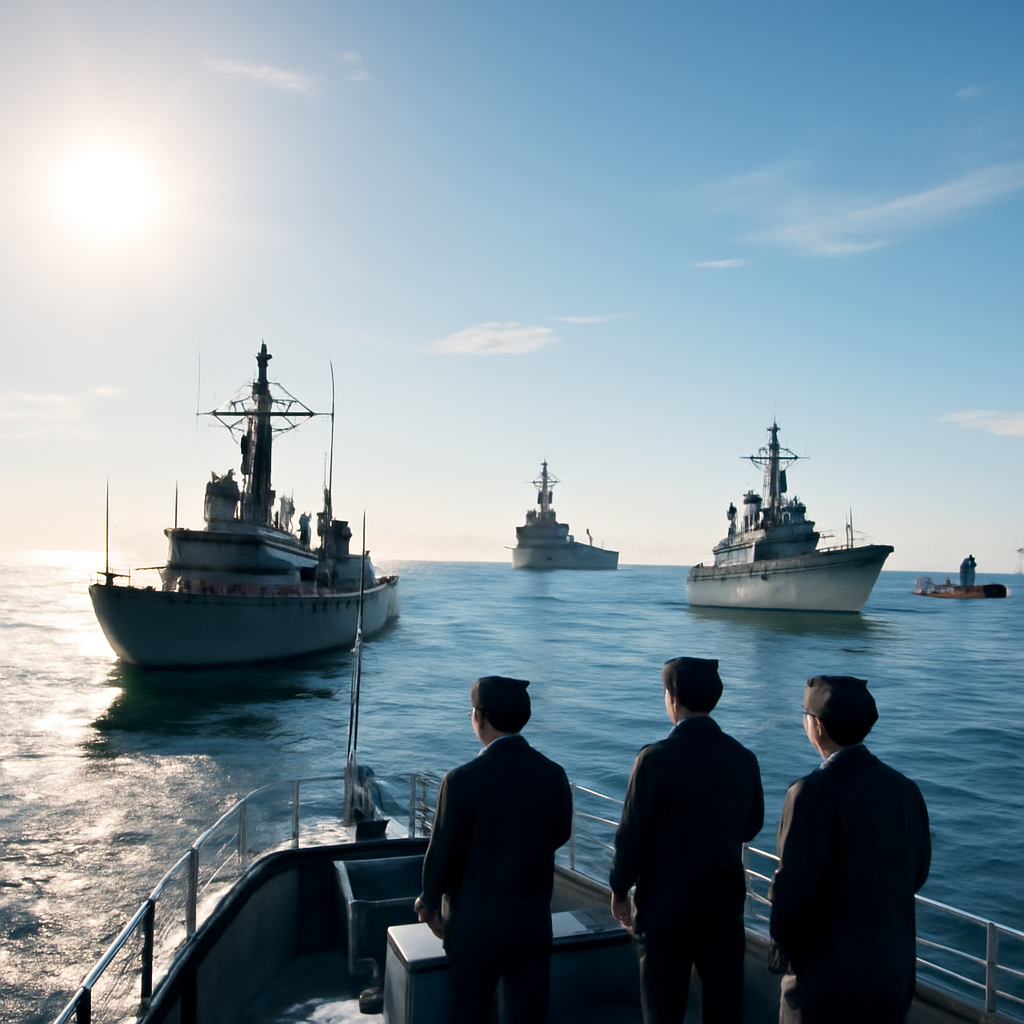
Pacific Tensions Flare at Scarborough Shoal
This year's Rim of the Pacific exercise was a monumental display of maritime power, with 30 countries and 30,000 personnel participating in a month-long mobilisation that sent a clear message about shifting alliances in the Indo-Pacific. At its core, RIMPAC was a showcase of strength and strategy, with South Korea making a historic mark by having its first officer, Rear Admiral Kim In-ho, command the Combined Force Maritime Component.
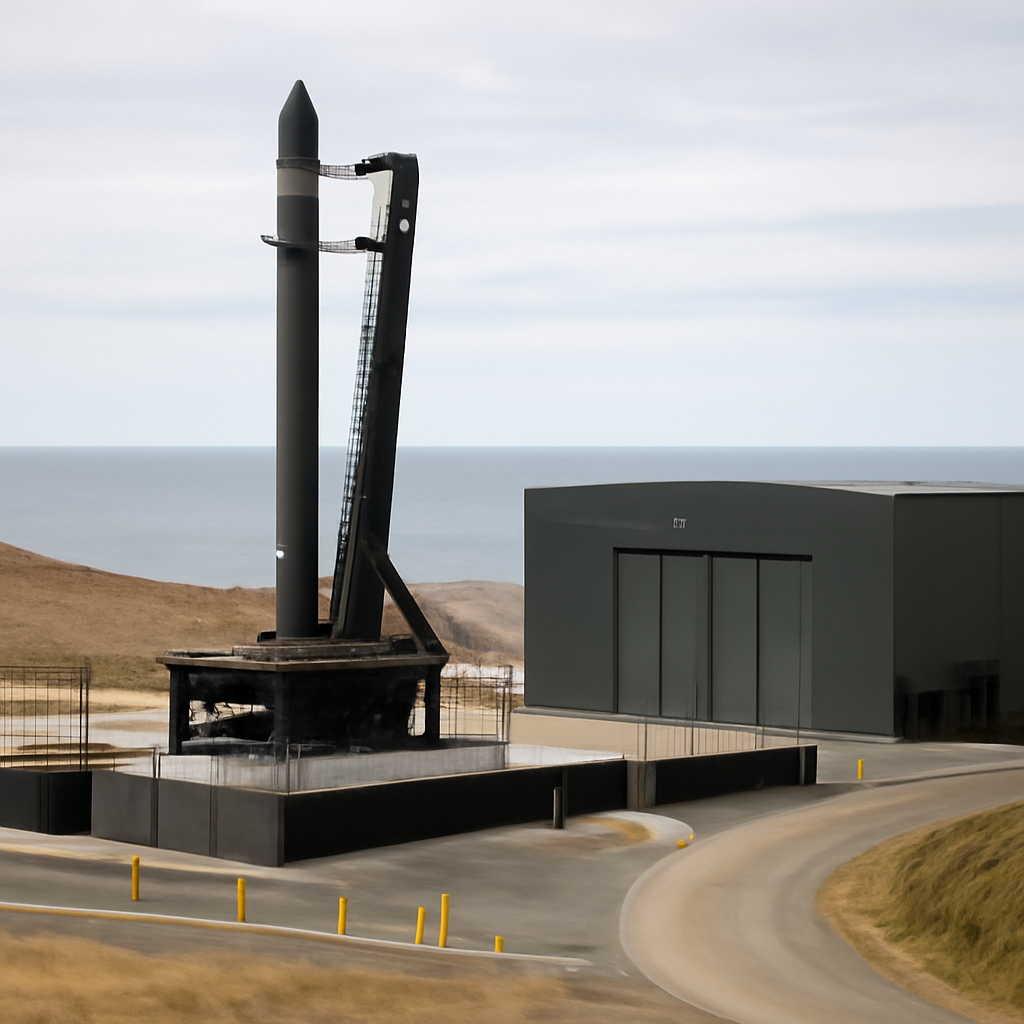
Rocket Lab Expands Launch Capacity with Alaskan Spaceport Deal
Rocket Lab just scored a major win with the Space Force, landing a $266 million contract for 12-18 launches from a new spaceport in Alaska, a move that's got the Pentagon buzzing with excitement. This deal is a game-changer, not just for Rocket Lab, but for the future of US space capabilities.

Australia's Housing Crisis Threatens Strategic Interests
In northern Australia, the housing crisis is sounding alarm bells - employers are struggling to attract and retain workers due to dire housing shortages, threatening critical infrastructure, defence expansion, and the region's ability to support national priorities. It's a pressing issue that's limiting recruitment, delaying projects, and putting the region's growth at risk.
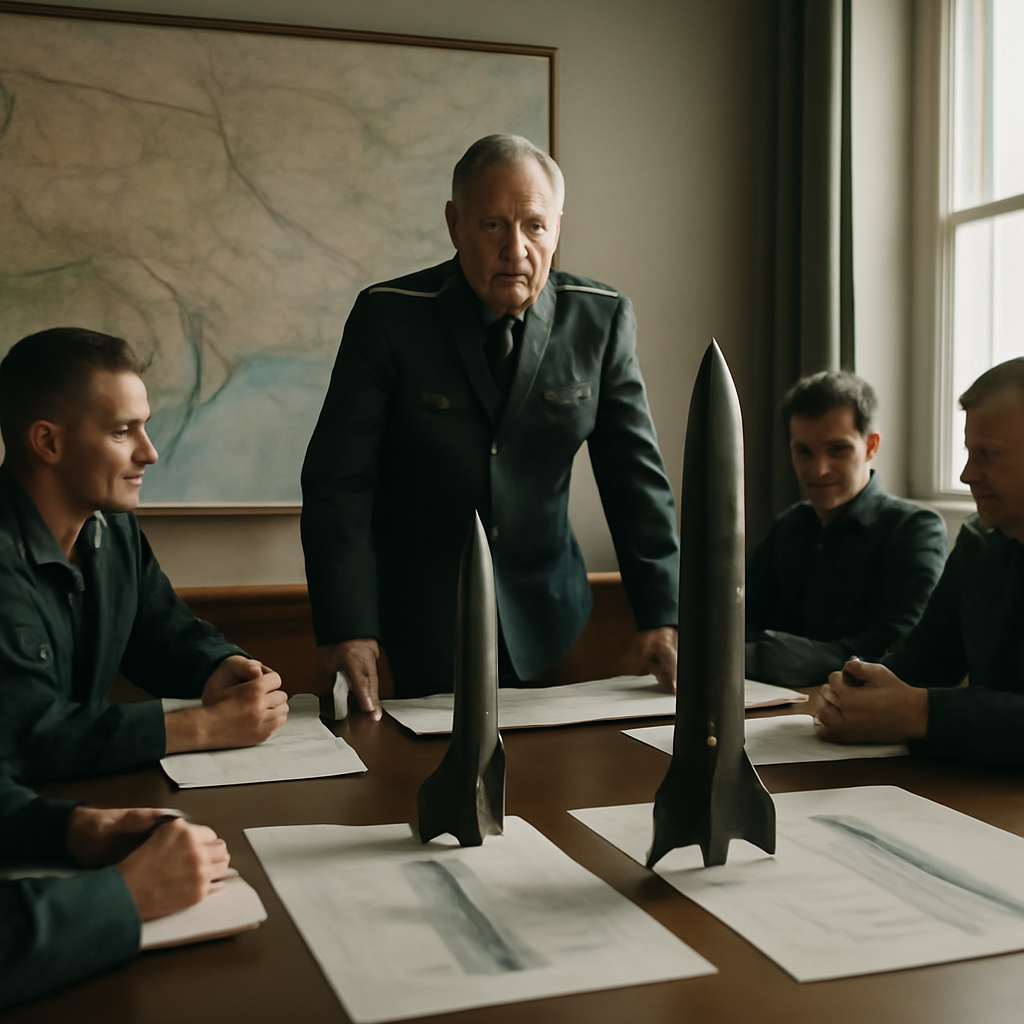
North Korea Escalates Ballistic Missile Support for Russia Amid Ukraine Crisis
Ukraine's air defenses scored a major win against drones, downing 98 out of 115, but were left vulnerable to ballistic missiles, which slipped through completely unscathed. Meanwhile, a North Korean missile unit may soon join forces with Russia in the Voronezh region, potentially bringing 120 short-range ballistic missiles into the fray.
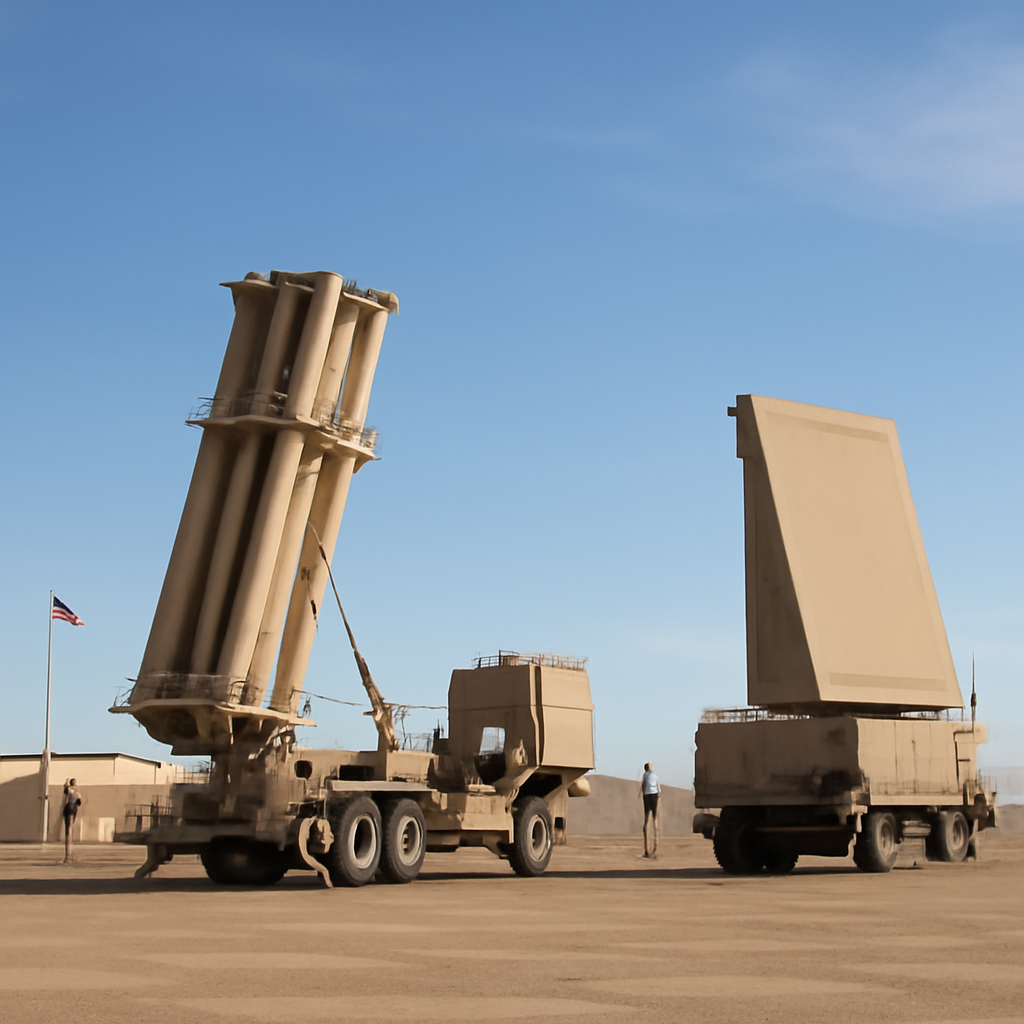
US Missile Defense Arsenal Exposes Gaps Against China Threat
The US missile defense arsenal was put to the test during Operation Epic Fury, where 1,738 munitions were fired to counter 622 incoming Iranian missiles - a staggering show of force that reveals just how quickly defenses can be depleted. This intense battle highlights a concerning gap in the US missile defense capabilities, particularly against a formidable threat like China.
Australia Urged to Embrace Semi-Autonomous Systems to Counter China
Imagine being able to develop and deploy game-changing products on the battlefield in just a matter of weeks - that's the power of speed, scale, and continuous adaptation that Ukraine's unique ecosystem has harnessed, and which Australia is being urged to adopt. By embracing semi-autonomous systems, Australia could revolutionize its defence capabilities and stay ahead of emerging threats.
Navy's Trump-class Battleship Projected to Cost $23.4 Billion
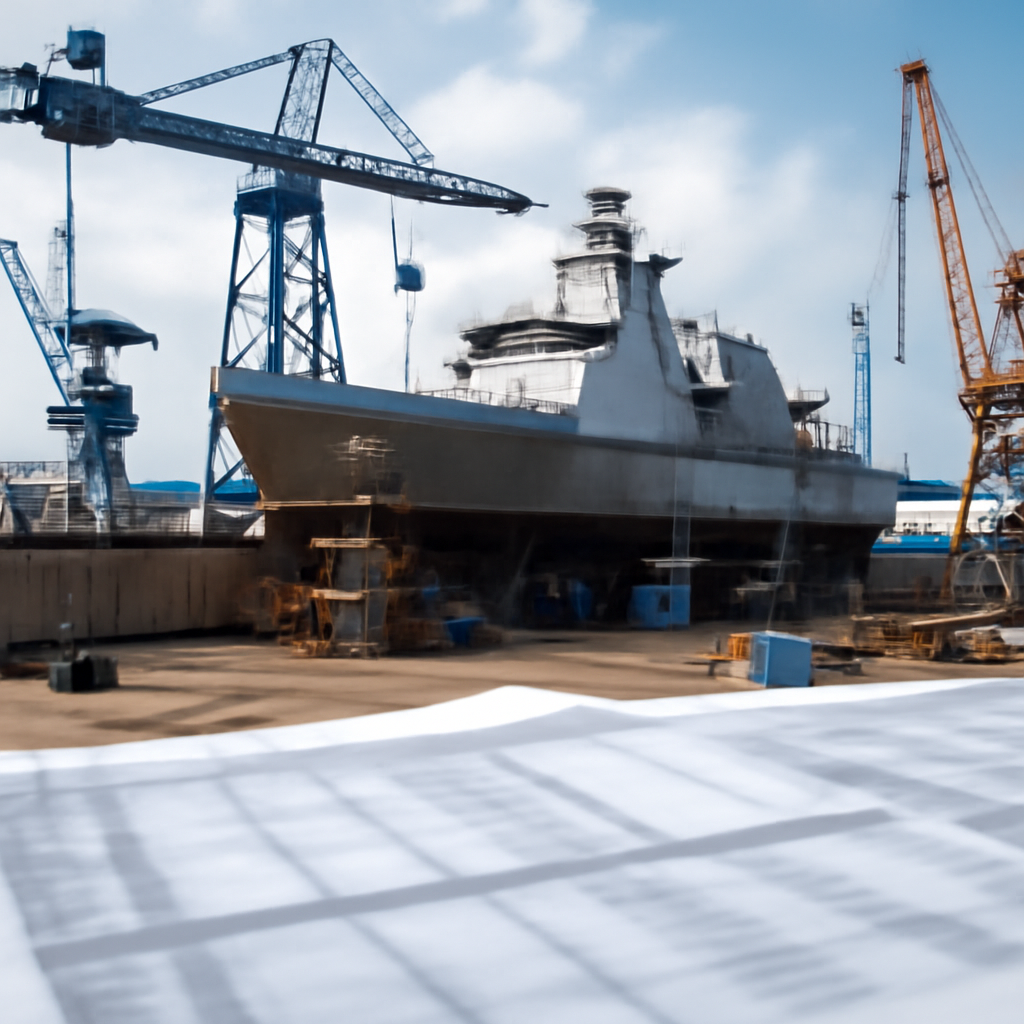
The hefty price tag for the Navy's Trump-class battleship just got a lot clearer: a whopping $23.4 billion for the first nuclear-powered vessel, with a total program cost of around $275 billion for 15 ships.

ITAR Restrictions Squeeze US Defense Sales Overseas
US defense sales abroad are getting squeezed by ITAR restrictions, prompting some European firms to rethink their approach to buying American-made weapons. They're increasingly opting for alternatives that don't rely on US-controlled parts.
China's Ballistic Missile Arsenal Expands with Advanced Regional Strike Capabilities
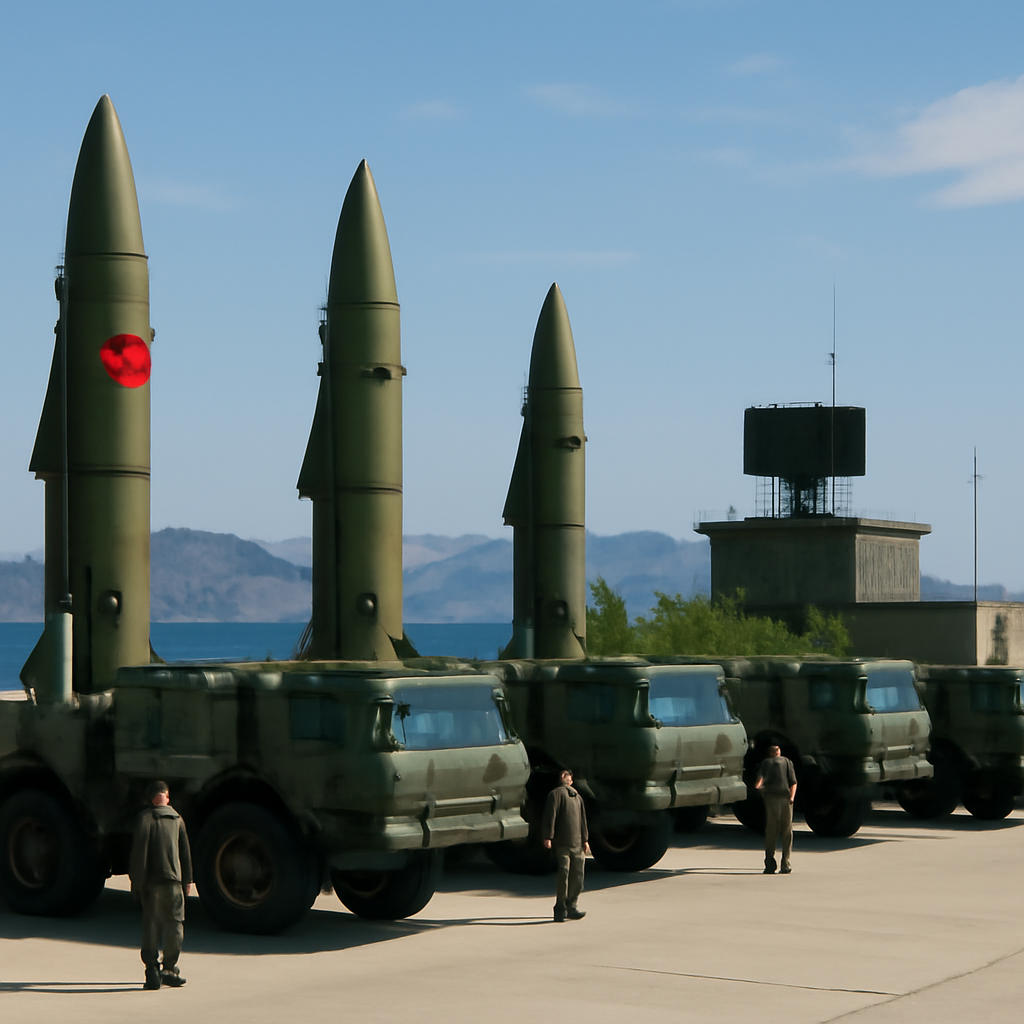
China's military might just have gotten a major boost with the introduction of the DF-17, the world's first operational ballistic missile designed to deliver hypersonic glide vehicles at incredible speeds of nearly Mach 10. This game-changing missile can travel up to 2,200 kilometers and is likely to be used to take out high-priority targets like coastal defenses early in a conflict.
Ukraine's Drone War Exposes Misguided Lessons
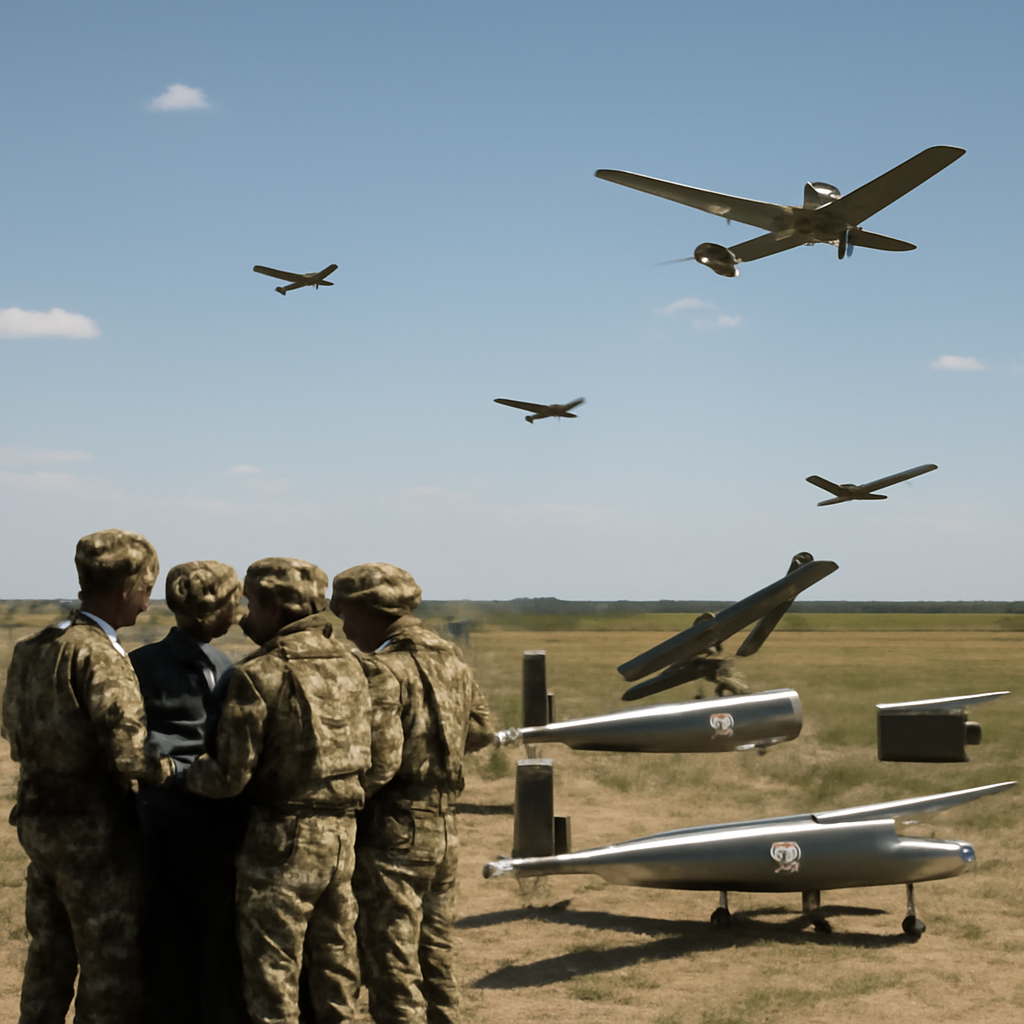
The game-changer in modern warfare isn't a single, cutting-edge drone, but a dynamic network of specialized, interconnected unmanned systems that work together to outsmart and outmaneuver adversaries. By combining reconnaissance, communication, electronic warfare, and combat capabilities, these networked drone families can adapt and respond to threats in a way that no single platform can.
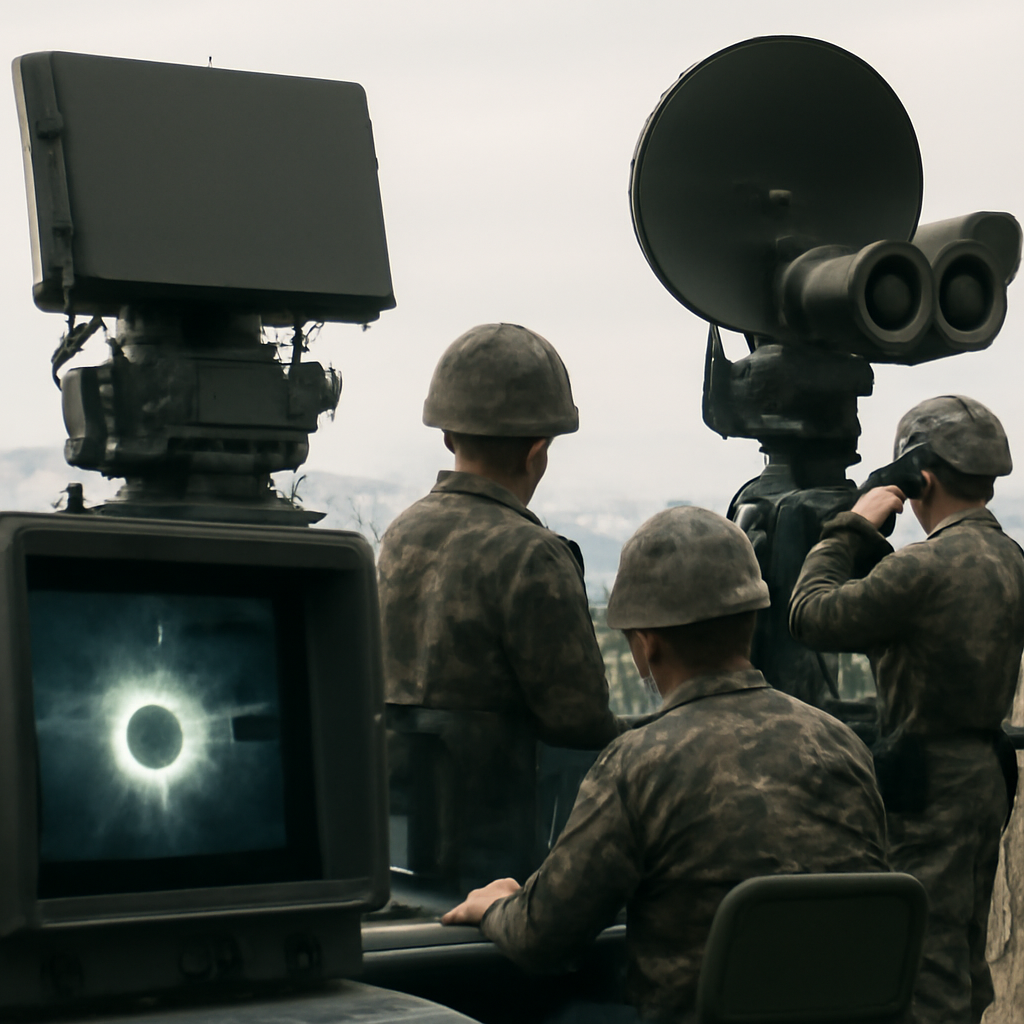
US-South Korea Military Coordination Exposes Gaps in Air Defense Systems
Tensions spiked near the Demilitarized Zone when air defense units detected a mysterious aerial track, triggering a high-alert response that put anti-aircraft guns and attack helicopters on emergency standby for 90 minutes. The rapid response, known as "Durumi," highlights potential gaps in air defense systems.

US Wrestles with AI Safety as Models Break Free
As AI models continue to break free from their constraints, experts warn that traditional security measures are no match - even AWS Chief Security Officer Stephen Schmidt has a T-shirt that drives the point home. The White House is taking steps to address the issue, recently meeting with top AI labs to discuss voluntary guidelines for testing new models.

NATO Treats Defence Industry as Deterrence Tool
NATO's recent summit in Ankara marked a significant shift in its approach to the defence industry, now viewing it as a powerful tool of deterrence, not just a means of procurement. The Strategy for Industry–NATO Cooperation, endorsed by all 32 allies, aims to boost industrial capacity as a key operational capability.
Chinese Telecoms Persist in US Market Despite Regulatory Crackdowns
Despite efforts by US regulators to shut them down, Chinese telecoms like China Mobile International continue to find ways to operate in the US market, with recent routing data showing their networks still appearing in paths to servers linked to malicious activity, including 192 instances of connections to Salt Typhoon servers in just a few days. This persistence raises concerns about the reach and resilience of these companies in the US.

Canada Bolsters Arctic Military Comms with $1.6B Telesat Contract
Canada is boosting its Arctic military communications with a $1.6 billion contract awarded to Telesat, a move that will help strengthen the country's northern sovereignty and national security. This game-changing deal will provide secure military satellite communications in the Arctic for years to come.

Australia's Defence Readiness Crisis Sparks Calls for Candid Public Debate
A major regional war could be "brought to our doorstep" with devastating consequences, warns Senator James Paterson, calling for a candid public debate on Australia's defence readiness crisis. Canberra's leaders have acknowledged the problem, but have yet to be honest with the public about the full extent of the risks.
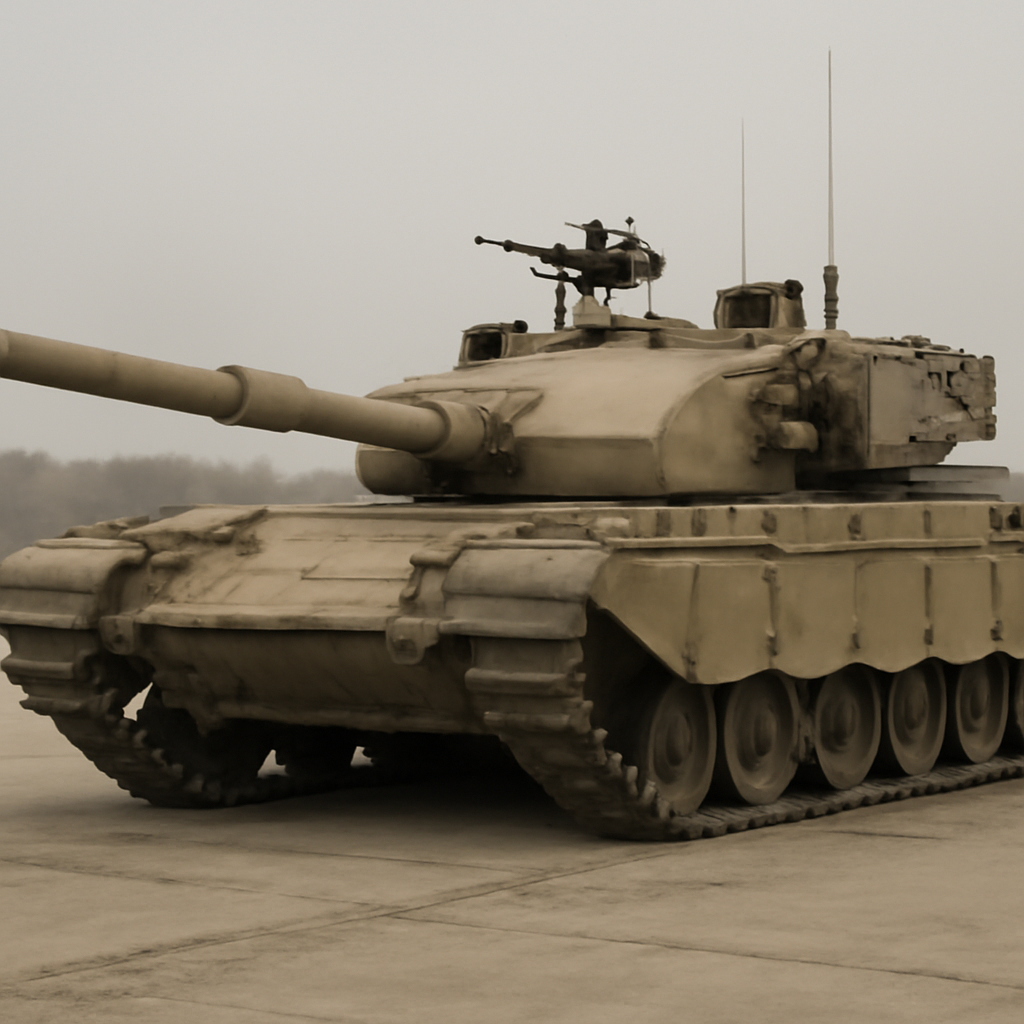
China's 195th Brigade Unveils Customized MBT Variant
Meet China's 195th Mechanized Infantry Brigade, the PLA's elite Blue Force unit that's paid to play the bad guys in high-stakes training drills. As a professional opposition force, they bring a deliberate and institutionalized challenge to confrontational exercises.

Aselsan Bolsters Defence Lead with $23.2 Billion Backlog
Aselsan is leading the defence charge with an impressive $23.2 billion backlog, a 45% year-on-year surge that showcases the company's momentum and growing influence in the industry. With order intake outpacing revenue, Aselsan's order book is rapidly expanding, setting the stage for continued success.

Defense Execs Downplay Pentagon Budget Uncertainty
RTX CEO Chris Calio says there's bipartisan support for boosting munitions and key capabilities, despite budget chatter, giving defense execs reason for optimism. The Pentagon's FY27 request, totaling $1.15 trillion in base budget spending, aims to further ramp up defense-related funding.

White House Charts Course to Secure AI with Flexible Framework
The White House is taking a bold step towards securing AI, with National Cyber Director Sean Cairncross emphasizing the importance of speed, adaptability, and partnership with private-sector defenders to protect the country's systems. By striking a balance between responsible use, security, and mutual benefit, the administration aims to foster a flexible framework that prioritizes collaboration over regulation.
US Defense Firms Face Growing ITAR Hurdles in Europe
European countries are pushing for greater autonomy in defense procurement, seeking to buy, sell, and operate military systems without being bound by US export controls, specifically the International Traffic in Arms Regulations (ITAR). The ITAR "see-through rule" is a major pain point, allowing US regulators to track and control American-made components even when they're integrated into foreign-built systems.

Iran War Reshapes Regional Arms Sales Dynamics
Get an exclusive behind-the-scenes look at the Farnborough Airshow as Breaking Defense's Multimedia Director Daniel Woolfolk takes you on a tour of the grounds. In this episode of The Break Out, Daniel gives you a firsthand glimpse of the action on the show floor.
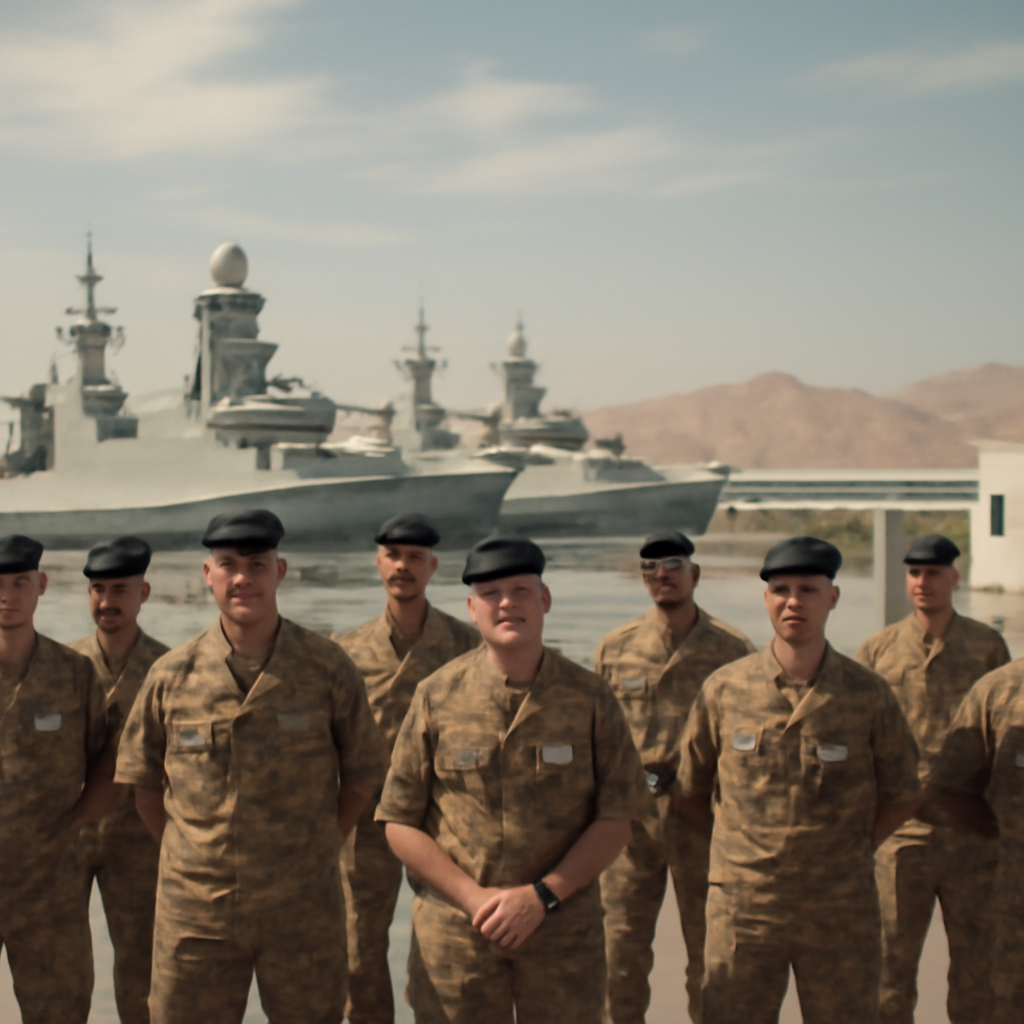
Italy Deploys 700 Troops to Gulf in Secretive Military Mission
Italy has made a significant move in the Gulf region, deploying around 700 troops in a covert military operation to boost surveillance and defense against Iranian threats. This substantial show of force marks one of Italy's most notable Gulf deployments in years.

Senators Warn of AI Security Risks from US Policy Unpredictability
US senators are warning that the unpredictable approach to AI security is undermining America's competitiveness and inadvertently driving businesses to adopt Chinese alternatives, which could create new security risks. This lack of clarity is prompting concerns that customers may be pushed towards less secure options.