"It's a capacity or a capability waiting for a demand signal," said Charles Galbreth, a retired Space Force colonel who directs space studies at the Mitchell Institute — a succinct line that captures why Rocket Lab's new Alaska plan matters to the Pentagon even before a single rocket lifts off from Kodiak.
The contract and the hardware: Rocket Lab, $266 million, 12–18 launches
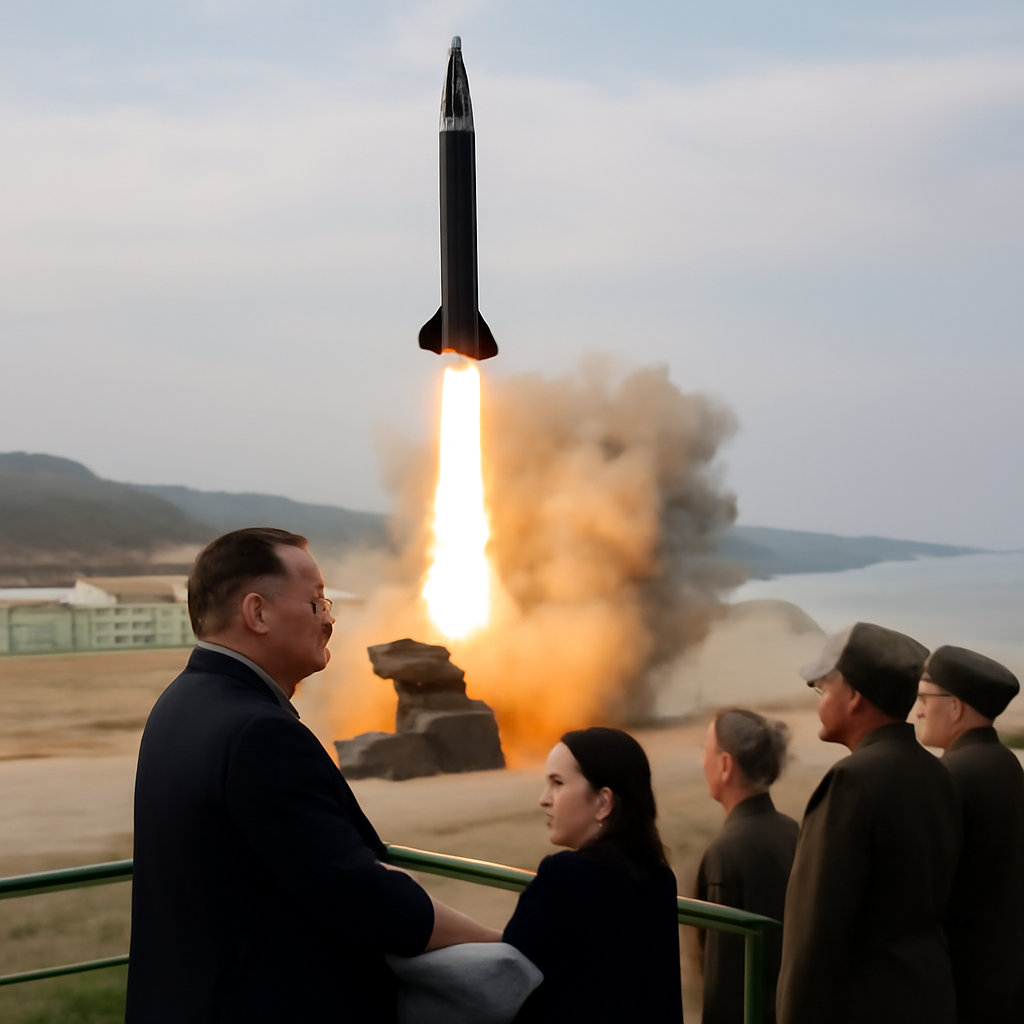
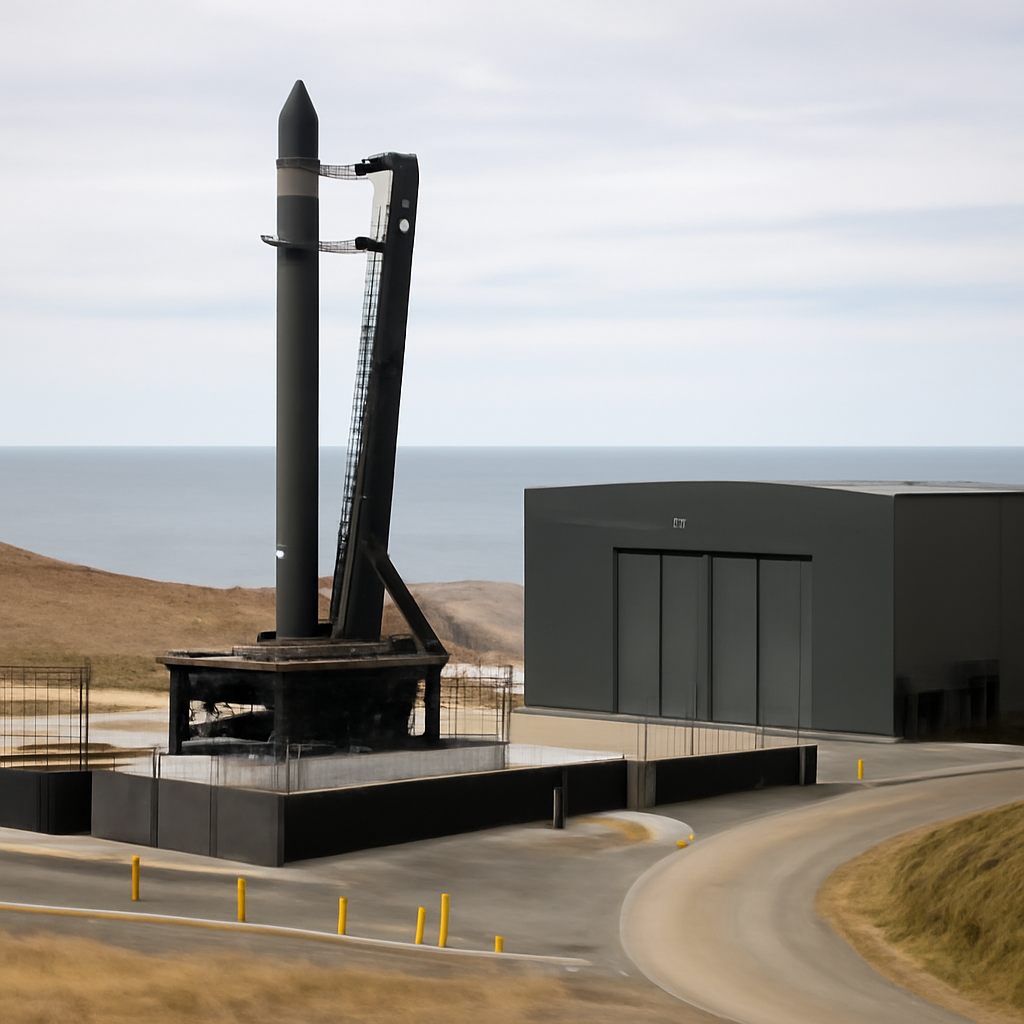
Last week the Space Force’s acquisitions arm announced a $266 million, multi-launch contract with the California-based rocket company Rocket Lab. The award covers 12 to 18 launches that will start this year and, the company said, will "primarily take place from a new Rocket Lab location at the Pacific Spaceport Complex-Alaska (PSCA) in Kodiak." The missions are described as missile-defense tasks that will be handled by Rocket Lab’s HASTE rocket, a suborbital variant of its Electron vehicle.
How Rocket Lab frames Alaska’s role
A Rocket Lab spokesperson told reporters that both HASTE and Electron "use the same launch infrastructure so yes, operating out of Alaska naturally opens the door to a broader range of possibilities including orbital launch." The company added, "It’s important to remember too that the core systems, infrastructure, and expertise we build and refine in Alaska aren’t tied to just one location." In short, Rocket Lab describes the Kodiak operations as a platform for immediate suborbital missions and as a potential stepping stone to broader launch activity.

Audit-ready is a season. It shouldn't be.
Evidence in spreadsheets, controls drifting between audits, frameworks multiplying on flat headcount. Nubivance runs continuous compliance on Rapid7 Cyber GRC - SOC 2, HIPAA, ISO 27001, PCI, CMMC.
End the scrambleWhy policymakers see Alaska as congestion relief
Top Space Force officials and lawmakers have been warning that the traditional U.S. launch hubs — Cape Canaveral and Vandenberg — may not keep pace with projected military demand. The Space Force projects more than 100 launches a year within five years and even "potentially thousands a year by 2036." Clayton Swope, the deputy director of CSIS’ Aerospace Security Project, framed the Alaska option in terms of both denser capacity and orbit access: “Putting something in Alaska, you kind of get both of those things,” Swope said. “You get this diversification away from the two main launch sites we have, and you are creating a launch site that is more optimized around a different type of use, which is related to the orbit, the inclination.”
Alaska’s advantages — and its limits
The Pacific Spaceport Complex-Alaska has features that make it attractive on paper: the state-owned spaceport boasts "a low population density, manageable air and maritime routes" that distinguish it from busier facilities. But the record is modest. Since the facility was founded in 1998 it has hosted just nine orbital missions. Experts say geography and logistics cut both ways.
Brian Weeden, who directs civil and commercial policy for the Aerospace Corporation’s Center for Space Policy and Strategy, acknowledged the room for expansion but warned that Alaska’s isolation brings practical hurdles. “I certainly think there is room for an expansion of different kinds of launch activity in Alaska. I don't think it's going to probably take the place of also standing in other areas,” Weeden said. “You're still going to need power. You're going to need to get rocket fuel up there. You're going to get the payloads transported up there, and that may be a little bit harder to do in a more remote location like Kodiak, as opposed to a place like Cape Canaveral or Vandenberg, where a lot of infrastructure already exists.”
What this means for the Space Force, Rocket Lab, and the state of Alaska
- The Space Force: Gains an additional geographic option aimed at reducing reliance on Cape Canaveral and Vandenberg and improving access to polar orbits — but will need a demand signal that turns capacity into recurring national-security missions.
- Rocket Lab: Secures a $266 million contract and immediate suborbital work with HASTE while positioning its Alaska infrastructure as transferable to orbital operations if demand and logistics permit.
- The state of Alaska and PSCA: Offer geography and safer range corridors that could attract more launches, but must weigh the infrastructure investments and supply-chain challenges required to support sustained national-security launch tempo.
For now, the Alaska plan is both concrete and conditional. The Space Force has a signed contract that will begin this year and deliver dozens of suborbital launches from Kodiak; Rocket Lab says the same infrastructure could support orbital work; and experts see both promise and friction — from limited prior use of PSCA to the hard realities of moving fuel, power and payloads to a remote site. Charles Galbreth’s observation that the expansion is "a capacity or a capability waiting for a demand signal" neatly captures the central question: will Pentagon demand, and the logistics to support it, arrive fast enough to turn Kodiak into a relief valve for the growing launch bottleneck?