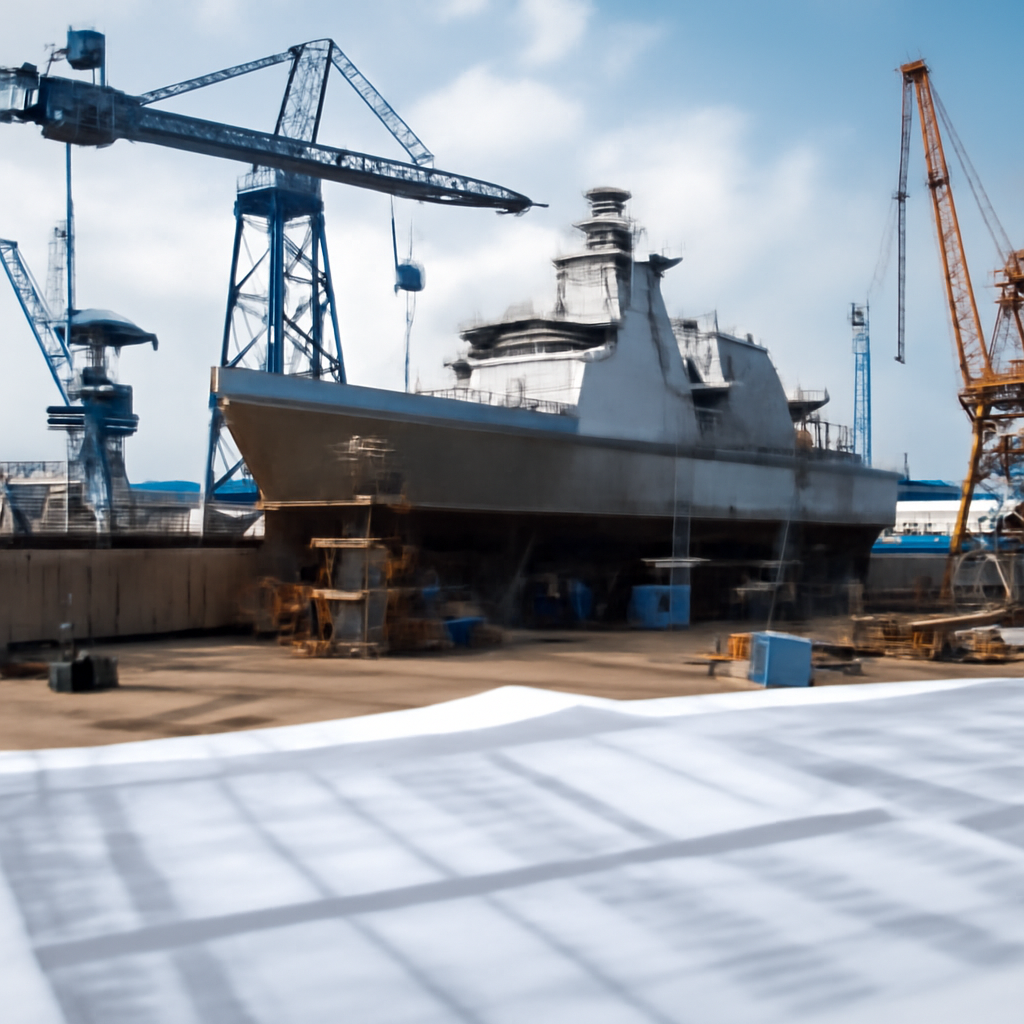
$23.4 billion — that is the Congressional Budget Office’s estimate for the first Trump-class battleship if it is built as a nuclear-powered vessel, a price tag the CBO released today as it tallied the program’s likely costs.
Congressional Budget Office cost estimates and assumptions
The CBO report projects the lead ship would cost $23.4 billion, with the 14 follow-on ships averaging about $18 billion each, for a 15-ship program total of roughly $275 billion. Those totals assume the initial ship is ordered in 2028, that the Navy purchases 15 vessels through 2056 at the pacing in the Navy’s shipbuilding plan, and that one shipyard completes final assembly while others build portions or sections.
The CBO also examined alternative assumptions. A conventionally powered initial ship, the report says, would total about $21.3 billion and the full 15-ship program would cost roughly $243 billion. Earlier in January the CBO had estimated a lead ship ordered immediately could cost up to about $20.6 billion, noting costs would likely rise over time.
The agency cautioned its estimates are “highly uncertain and rely on CBO’s assessments of the ship’s design and the overall battleship program.”
Nuclear propulsion, displacement range, and the reactor choice
The Navy confirmed in May in its shipbuilding plan that the battleship would be nuclear-powered, and Chief of Naval Operations Adm. Daryl Caudle told lawmakers that the ship would feature the same nuclear reactor as the aircraft carrier Gerald R. Ford. The Navy’s budget justification states the vessel will ultimately range between 35,000 and 41,000 tons.
The CBO highlighted the cost sensitivity to displacement: if the ship’s full-load displacement reached 41,000 tons, CBO projects the lead ship’s cost would increase by about 16 percent. The report also observed that a nuclear-powered design would reduce operating fuel purchases, but said it “does not have enough information to estimate those potential savings,” because those savings would vary with final design and the alternative conventional propulsion plant.

Audit-ready is a season. It shouldn't be.
Evidence in spreadsheets, controls drifting between audits, frameworks multiplying on flat headcount. Nubivance runs continuous compliance on Rapid7 Cyber GRC - SOC 2, HIPAA, ISO 27001, PCI, CMMC.
End the scrambleWeapons fit and comparisons to existing nuclear forces
On armament, the report noted the Navy has said the ship would be equipped to carry the nuclear-armed sea-launched cruise missile, or SLCM-N. The number of nuclear-tipped cruise missiles the ship would carry is unknown but, the CBO wrote, “would probably be small given the Navy’s descriptions of the nuclear cruise missile program.” Even so, the report observed, carrying nuclear weapons “would give the battleship more firepower than any ship in the fleet other than the Navy’s 14 Ohio class ballistic missile submarines, which carry 70 percent of the nation’s deployed strategic nuclear warheads.”
The Navy and presidential rollout have described a wide weapon set for the class: the ship is expected to carry hypersonic weapons, electronic rail guns and high-powered, laser-based weaponry, according to the materials cited by the report and the Navy’s public statements included in the budget justification.
Budget requests and procurement timing
The Navy included funding requests tied to the program in its fiscal 2027 budget submission: about $1 billion in advance procurement and roughly $837 million in research and development. Budget documents released in April, the report notes, show a planned roughly $17 billion procurement request for the first ship in FY2028 and about $13 billion in 2030 for the second battleship.
CBO’s estimates reflect that procurement profile and its expectation of a 2028 first-order — a schedule that drives both the upfront spike in procurement funding and the long tail of program costs through the mid-2050s.
What this means for the Navy, Congress, and taxpayers
- The Navy: will need to reconcile design ambitions — displacement, nuclear propulsion, and advanced weapon suites — with shipyard capacity and long-term operating cost questions that CBO says are not fully quantified.
- Congress: faces a multi-decade procurement decision with large, front-loaded budget requests in FY2028 and follow-on years, and must weigh CBO’s uncertainty estimates alongside the Navy’s stated capabilities and force-structure goals.
- Taxpayers and the public: will see a program whose total cost the CBO places at roughly $275 billion for 15 nuclear-powered ships, and where small changes in displacement or design could materially raise that figure; near-term appropriations already include R&D and advance procurement dollars.
The CBO’s accounting frames a stark arithmetic: the gap between conventional and nuclear propulsion adds tens of billions across the class, and design choices — displacement, weapons fit, and propulsion — will determine both one-time construction bills and long-term operating costs that CBO says it cannot yet quantify. As the Navy moves through budget cycles and as Congress evaluates appropriation requests in FY2027 and beyond, those concrete numbers and the assumptions behind them will be the currency of debate.