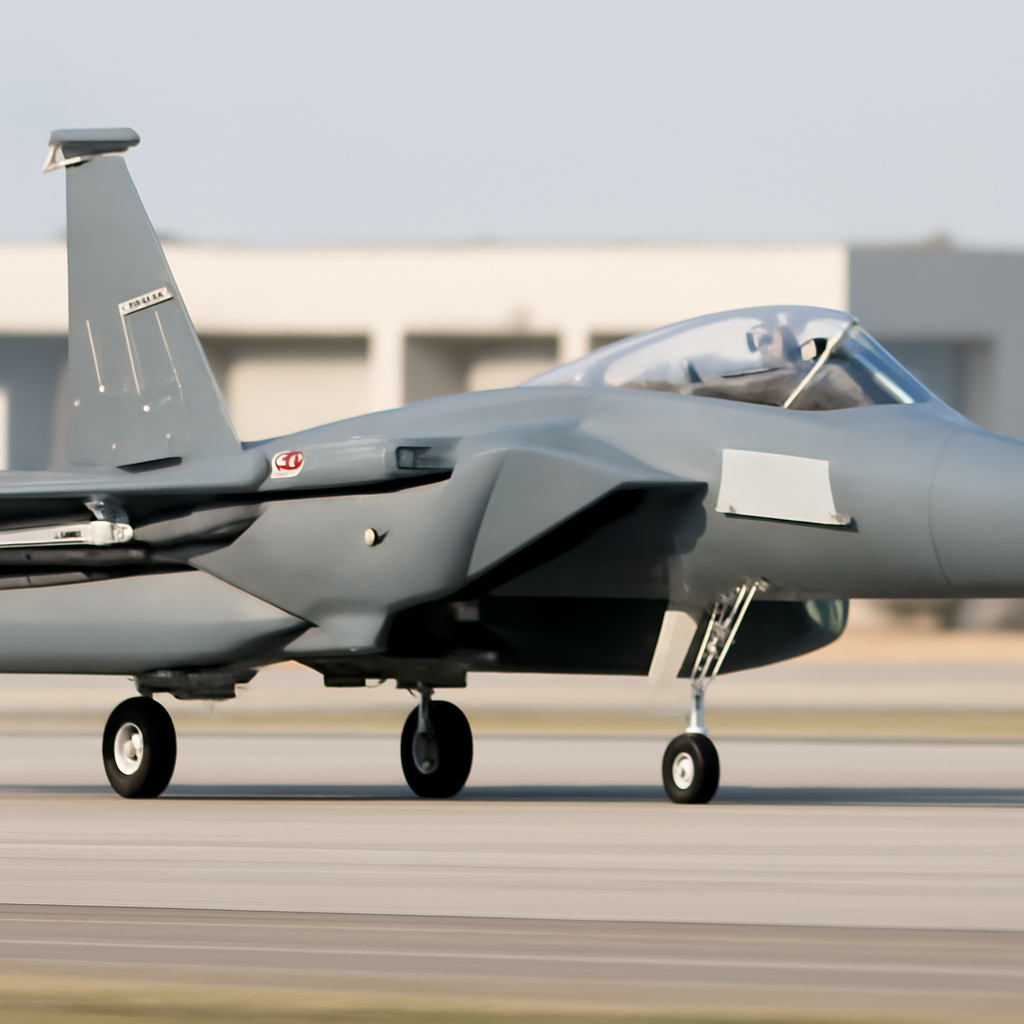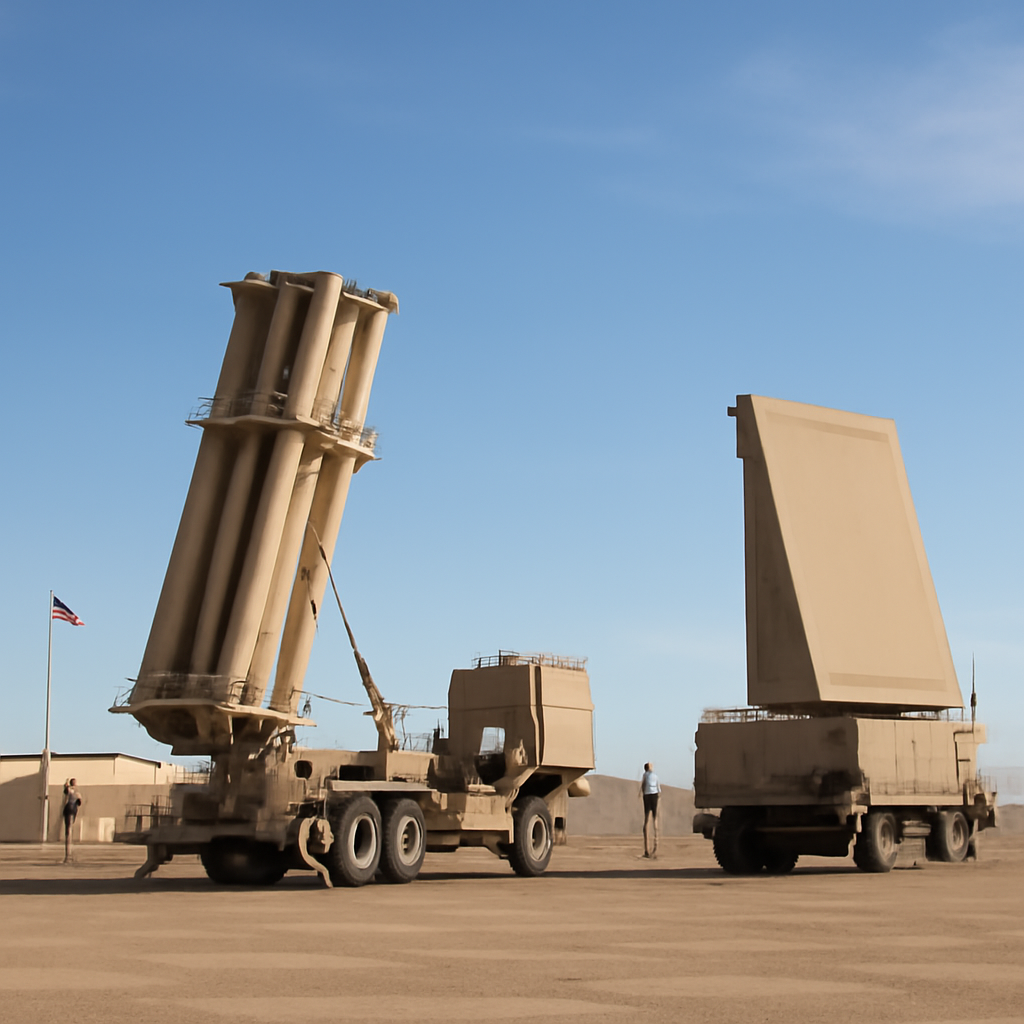
"During the first four days of Operation Epic Fury, U.S. and allied forces used approximately 1,738 theater surface-to-air munitions to defend against 565 Iranian ballistic missiles and 57 cruise missiles," the Heritage Foundation report states.
Heritage Foundation estimate: 1,738 munitions and a shortfall of "less than 10 percent"
The Heritage report frames recent combat consumption as a stark benchmark for U.S. missile-defense inventories. It reports that the initial phase of Operation Epic Fury consumed roughly 1,738 theater surface-to-air munitions responding to 565 Iranian ballistic missiles and 57 cruise missiles. Based on that expenditure, the report concludes the Pentagon currently holds "less than 10 percent" of the PAC‑3 MSE, THAAD, SM‑6, and SM‑3 interceptors it says are "required to deter or, if necessary, prevail, in a protracted, high-intensity conflict with China."
Pentagon contracts with Lockheed Martin and Northrop Grumman to boost production
Officials and contractors have negotiated stepped-up production plans in recent months. In January, the White House agreed a deal with Lockheed Martin intended to triple annual PAC‑3 production to 2,000 missiles. On Monday the Pentagon announced a related seven‑year, $3 billion contract with Lockheed and Northrop Grumman to boost PAC‑3 solid rocket motor production; the announcement said the effort is also intended to help "quadruple" annual THAAD interceptor production.
A Northrop spokesperson told the report that a billion‑dollar investment in its Allegany Ballistics Laboratory has allowed the company to double annual motor production since 2021, and that the company aims to triple production by 2027.

Audit-ready is a season. It shouldn't be.
Evidence in spreadsheets, controls drifting between audits, frameworks multiplying on flat headcount. Nubivance runs continuous compliance on Rapid7 Cyber GRC - SOC 2, HIPAA, ISO 27001, PCI, CMMC.
End the scrambleCSIS timeline and Tom Karako: expenditures outpace the planned runs
Think tanks have been sounding similar warnings for years. A 2023 report from the Center for Strategic and International Studies concluded the U.S. would run out of key munitions "within the first week of a Taiwan conflict," naming Patriot Advanced Capability‑3 Missile Segment Enhancements, THAAD interceptors, and SM‑6 and SM‑3 Standard missiles. CSIS' May update said the United States will be in "a window of vulnerability for several years, until inventories return to their previous levels, and another several years before they get to the levels that war planners desire."
Tom Karako, who leads CSIS' Missile Defense Project, told the report that current production goals were set before Operation Epic Fury and that the war has significantly accelerated operational expenditures. "Those metrics that were set prior to [Operation Epic Fury]. That was before we just lit off billions of dollars in a decade worth of production per work in some cases," Karako said, arguing the current targets are too small to quickly restore depleted inventories.
Adm. Sam Paparo: missile shortfalls and the compounding challenge of cheap drones
Operational commanders have raised parallel concerns. In an April hearing, U.S. Indo‑Pacific Command leader Adm. Sam Paparo warned that "current production timelines are misaligned with operational expenditures and the threats we face." The Heritage analysis adds that its worst‑case estimates may understate the problem, because they do not factor in how China might employ low‑cost drone warfare to complicate U.S. operations in the region.
What this means for the White House, Lockheed Martin, and Ukraine
- White House and Congress: The report underscores pressure on policymakers to translate production deals into faster, larger industrial outputs; the White House has already negotiated contracts but faces the gap between announced goals and the pace of recent combat consumption.
- Lockheed Martin and Northrop Grumman: Both contractors are central to planned increases — Lockheed on PAC‑3 quantity targets and Northrop on motor production at Allegany Ballistics Laboratory — and both are cited as scaling capacity, with explicit multi‑year contracts and investment aims through 2027.
- Ukraine and Volodymyr Zelenskyy: Ukraine is pursuing options to license‑build PAC‑3 missiles after shortages of Patriot interceptors hampered its defenses. Zelenskyy met with Lockheed representatives on July 28 about a possible license; the report notes such an agreement would not produce usable missiles until 2030, and that "Ukraine has not received a license to manufacture PAC‑3," Zelenskyy said in May.
The reporting draws a single, unavoidable throughline: operational use in Operation Epic Fury has consumed interceptors at a rate that current contracts and production goals may not match for years. The Heritage estimate and CSIS assessments align in one respect — they place timelines and capacity squarely at the center of strategic risk — while contractors point to concrete investments and stepped‑up targets. That leaves a clear question spelled out by the facts in the record: can multi‑year contracts and industrial investments raise inventories quickly enough to erase the "window of vulnerability" CSIS described and the "less than 10 percent" shortfall Heritage identified?