On July 30, air defense units near the Demilitarized Zone detected an unidentified track and the South Korean Army Ground Operations Command issued “Durumi” — a high‑alert air defense posture that kept anti‑aircraft guns and attack helicopters on emergency standby for 90 minutes.
What happened in Paju, Gyeonggi Province
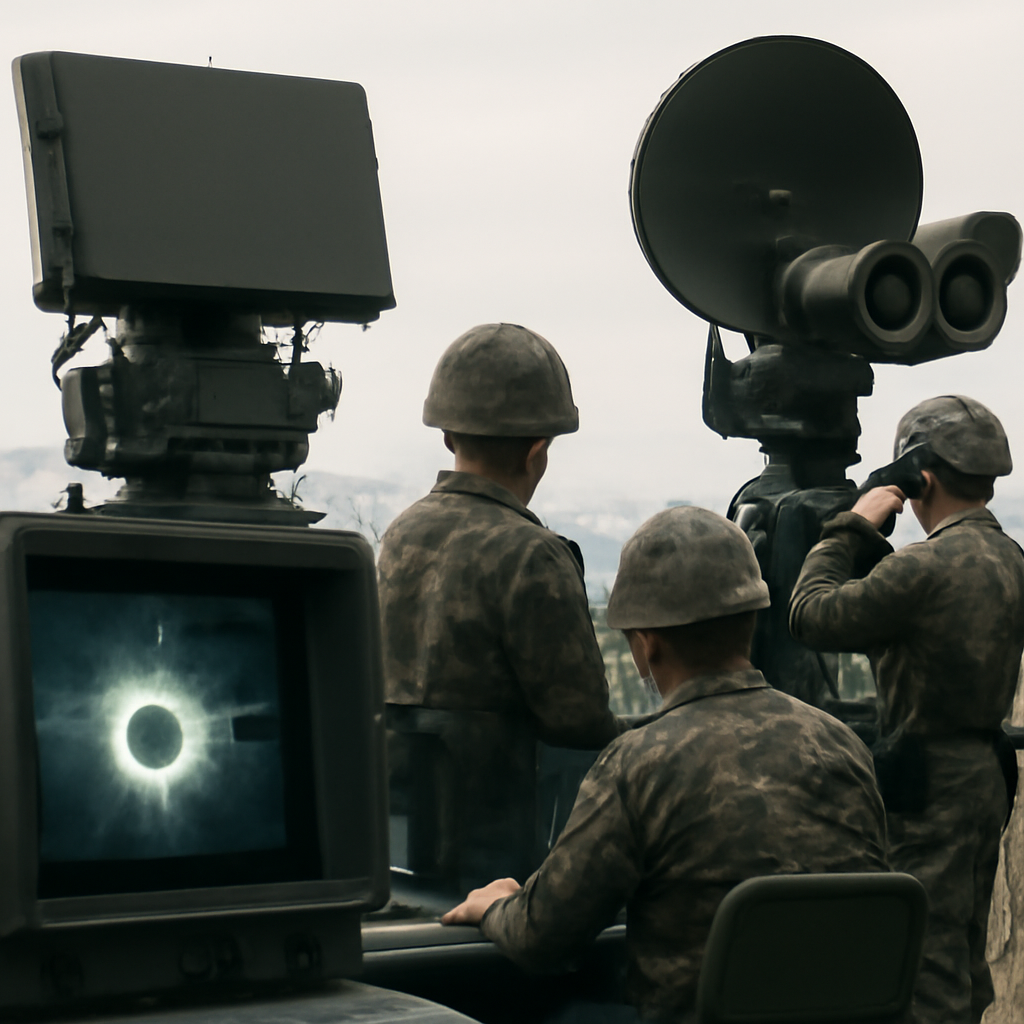
Air defense sensors in Paju registered an unknown aerial track on a thermal observation device (TOD) and on local air defense radars. Commanders assessed the object as a potential airborne threat and moved to the highest frontline defensive posture for suspected enemy unmanned aerial vehicle (UAV) incursions. For an hour and a half, frontline systems and crews were held at emergency readiness under Durumi — an action taken in response to an apparent imminent risk to border security.
The aircraft was a U.S. Marine Corps Stalker (VXE30) in a KMEP exercise
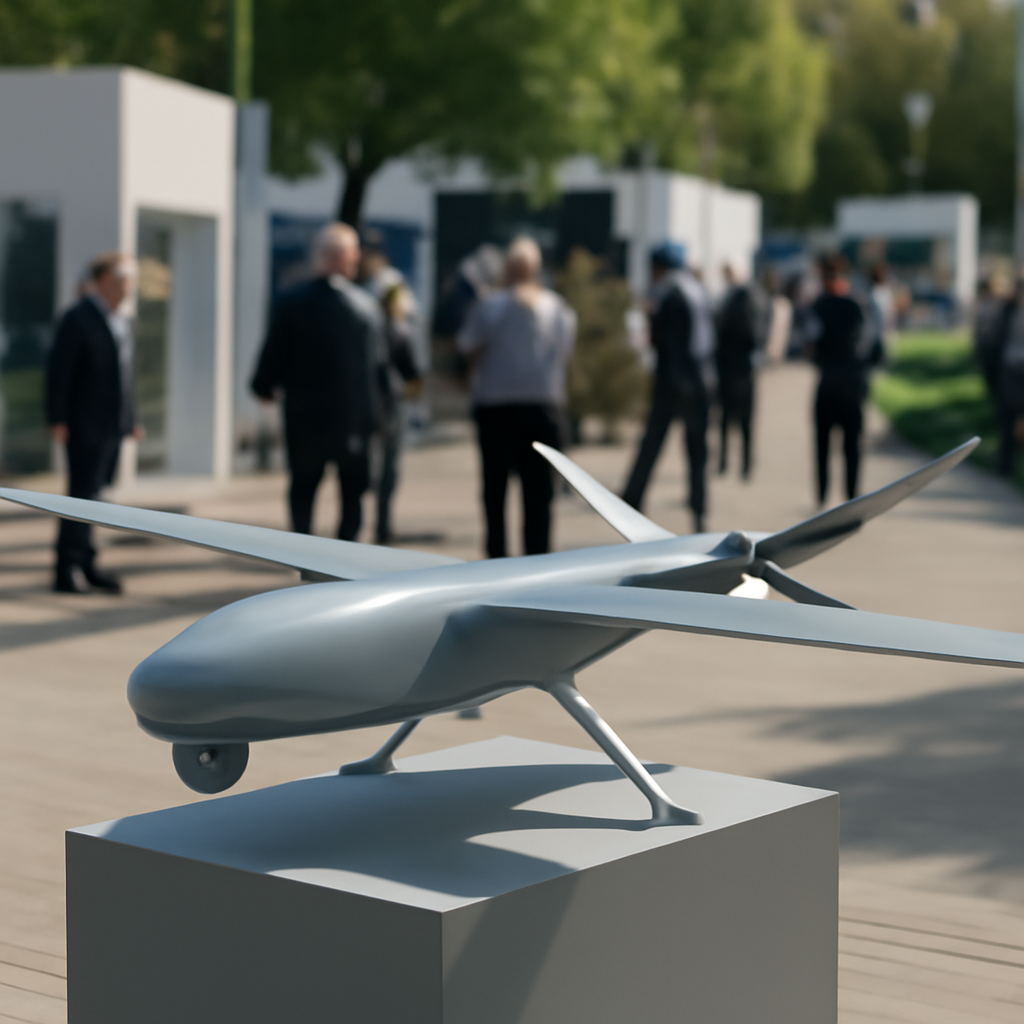
The object was not an infiltrating North Korean drone. It was a Stalker (VXE30) reconnaissance UAV operated by the U.S. Marine Corps, flying as part of an exercise under the Korea Marine Exchange Program (KMEP). Because the aircraft belonged to a friendly force, the incident did not result in a strike; a friendly‑fire incident was narrowly averted. That near miss, however, exposed deeper problems in how allied assets are tracked and communicated across the peninsula.

Audit-ready is a season. It shouldn't be.
Evidence in spreadsheets, controls drifting between audits, frameworks multiplying on flat headcount. Nubivance runs continuous compliance on Rapid7 Cyber GRC - SOC 2, HIPAA, ISO 27001, PCI, CMMC.
End the scrambleNotifications sent, but information stalled at the working level
U.S. forces had notified South Korean military counterparts of the planned flight and had formally dispatched official documentation before the exercise began. Despite that, the critical data “stalled at the working level within the South Korean military bureaucracy,” and it was not briefed upward to senior command nor disseminated down to frontline units responsible for border defense. Notably, South Korean Marine Corps personnel were participating in the joint exercise alongside U.S. counterparts, yet essential flight data was never shared with frontline formations such as the South Korean Army’s I Corps.
Operational breakdowns across service branches and the alliance
The episode highlights a breakdown in operational communication both across service branches — between the South Korean Army and the South Korean Marine Corps — and across the South Korea–U.S. alliance. The source describes the failure as a “complete breakdown” in the sharing of flight data during a combined exercise that placed multiple services in the same airspace. The Ministry of National Defense’s initial attempt to characterize the incident as a “clerical error or administrative oversight” was criticized in the reporting as misreading the nature of the problem: frontline air defense is time‑sensitive and error‑intolerant, and delays in situational awareness carry high operational risk.
What this means for the South Korean Army, the South Korean Marine Corps, and U.S. forces
- South Korean Army: Frontline formations that hold border defense responsibility — including the I Corps — will need assurance that real‑time notifications reach command posts and sensor nodes. The incident suggests a requirement to revise internal dissemination procedures so that working‑level notices cannot be trapped before reaching tactical units.
- South Korean Marine Corps: Marine units were part of the exercise yet did not ensure frontline Army formations received requisite flight data. The Marines will face pressure to codify cross‑service information flow during combined operations in shared airspace.
- U.S. forces: The U.S. had provided advance notice and formal documentation; the mismatch occurred on the receiving side. U.S. planners engaged in combined exercises will want clearer confirmation mechanisms that ensure allied notifications translate into frontline situational awareness and do not remain at working‑level paperwork stages.
Conclusion: systemic fixes, not scapegoats
The incident in Paju was more than a paperwork embarrassment; it was a concrete demonstration that friendly assets can be misidentified when procedural handoffs fail. The reporting urges military leadership to conduct a comprehensive review of air defense operational procedures and combined asset‑sharing mechanisms, arguing that assigning blame only to working‑level personnel will not prevent recurrence. If routine exercises can produce near‑misses in identification and command‑and‑control, the alliance faces an unresolved operational vulnerability that requires structural reforms in information dissemination and combined airspace management procedures.