"The real competition is no longer over who develops new technology first. It is over which institutions can absorb, integrate and adapt that technology faster than their adversaries," write Dr. Kathleen J. McInnis and Ollie Shepers.
Networked families of drones, not a single platform
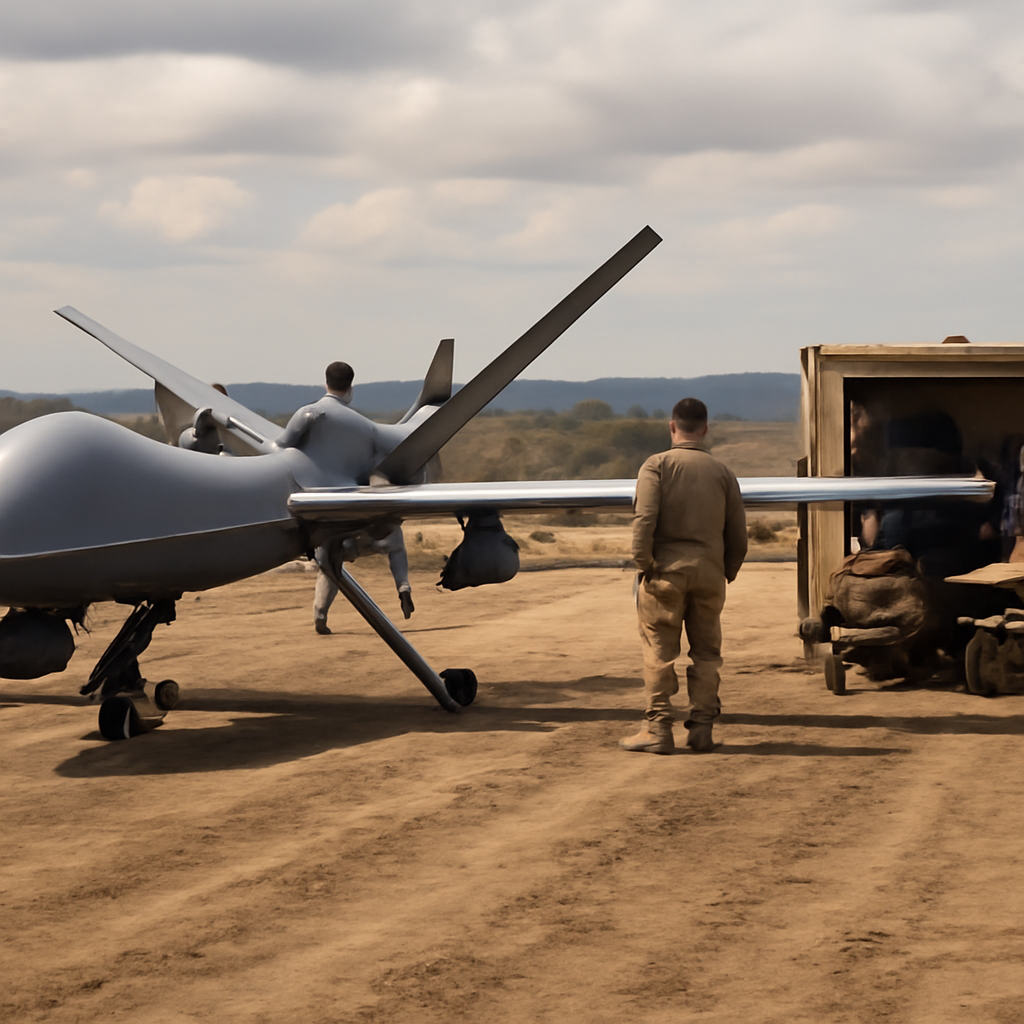
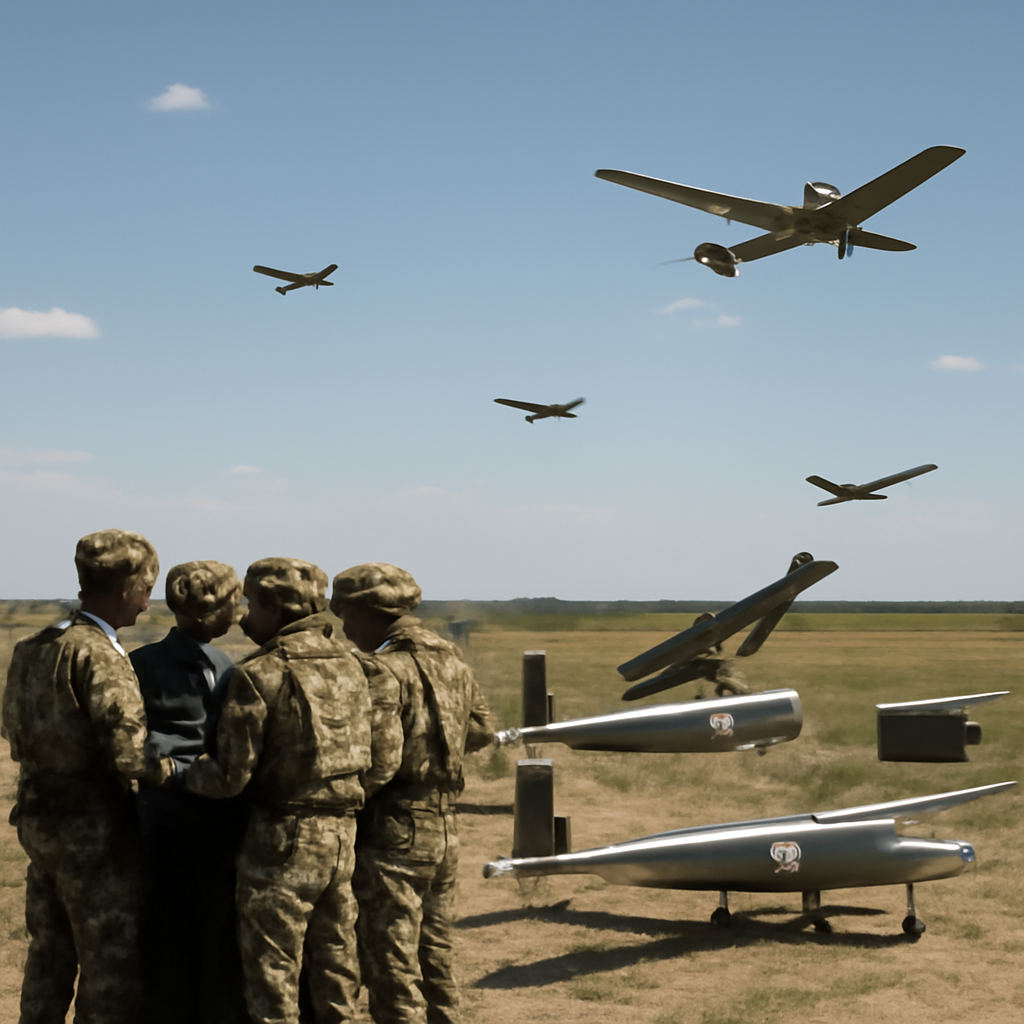
The defining feature of Ukraine’s unmanned systems is not a single breakthrough aircraft but a layered network of purpose-built platforms. Reconnaissance drones find targets; relay drones extend communications; electronic‑warfare systems degrade enemy systems; interceptor drones defeat incoming threats; strike drones engage targets; and battle‑damage assessment drones verify effects. The authors emphasize that "none is decisive on its own," yet collectively they form an adaptive system whose effectiveness exceeds the sum of its parts.
The Australian Army Research Centre, the authors note, reaches a similar conclusion: drones are most effective when integrated into operations, fire systems, doctrine, logistics and combined‑arms formations, rather than employed as standalone technologies. What makes Ukraine notable, the piece argues, is the continuous feedback loop from battlefield observation back to industry — improvements are incorporated within days or weeks and return rapidly to the front.
Human control remains central: autonomy is not the sole goal
Contrary to the popular narrative that full autonomy is the inevitable end state, battlefield experience in Ukraine points to a different reality. The authors report that soldiers prefer to stay "in the loop" because fully autonomous systems have trouble distinguishing friend from foe over sustained combat, a problem that can cost advantage and lives. Ukrainian interceptor systems, for example, automate much of the interception process while leaving the operator to select targets and retain the ability to abort engagements.
The practical aim, the authors write, is to "remove unnecessary workload while preserving human judgment where it matters most." They argue the decisive question is not how quickly humans can be removed from decision chains but how to build systems that military professionals trust when the shooting starts.

Audit-ready is a season. It shouldn't be.
Evidence in spreadsheets, controls drifting between audits, frameworks multiplying on flat headcount. Nubivance runs continuous compliance on Rapid7 Cyber GRC - SOC 2, HIPAA, ISO 27001, PCI, CMMC.
End the scrambleManufacturing numbers aren’t the whole story — resilience is
Western debates have fixated on production capacity — how many drones can be produced and at what cost. The authors say Ukraine points to a different metric: resilience. In an era of long‑range precision strike, cyberattacks and industrial sabotage, the ability to sustain innovation under attack matters as much as sheer scale.
The piece states that Russia "is actively sabotaging defense industrial facilities across Europe" and is "thought to be conducting surveillance operations through ship‑launched drones." It also cites Volt Typhoon as evidence that China "has also built options for national security sabotage on the North American continent." Procurement offers, the authors advise, should include explanations of a company’s resilience to sabotage.
They recommend that resilience be evaluated alongside cost, performance and production capacity — a shift that will be "tedious to implement" and which they suggest is a proper task for the Defense Acquisition University or a Federally Funded Research and Development Center.
Doctrine, training and lifecycle management: why buying drones isn’t enough
The authors argue that hardware purchases alone will not create the effects seen in Ukraine. Effective integration requires procurement systems that can keep pace with technological change; training pipelines to produce skilled operators; doctrine and force design that fold unmanned systems into combined arms; industrial partnerships that can surge and adapt; and software and lifecycle management to avoid rapid obsolescence.
They emphasize that wars reward adaptation and that Ukraine has simply accelerated the pace at which those adaptations occur — returning improved capabilities to the front in weeks rather than years.
What this means for procurement officials, military leaders, and technologists
- Procurement officials: The authors argue procurement offers should include resilience plans and that acquisition criteria must balance cost with the ability to sustain production and innovation under attack.
- Military leaders: The lesson is to prioritize integration — building doctrines and combined‑arms formations that treat unmanned systems as networked enablers, not standalone saviors, and to preserve meaningful human judgment in critical decisions.
- Technologists and software teams: The article underscores the value of rapid iteration and continuous operational feedback loops that let battlefield observations flow back to industry and return improved capabilities to operators quickly.
The deeper lesson the authors press is institutional: any government can buy Ukraine’s drones, but few can replicate what Ukraine built — a whole‑of‑society innovation ecosystem that identifies battlefield problems, fields fixes at speed, and returns improved capabilities to the front in weeks. "Any government can buy Ukraine’s drones. The advantage will belong to those who build what Ukraine actually built: a system that learns," they conclude — a blunt challenge to defense establishments that still evaluate suppliers mainly by price and production quotas.