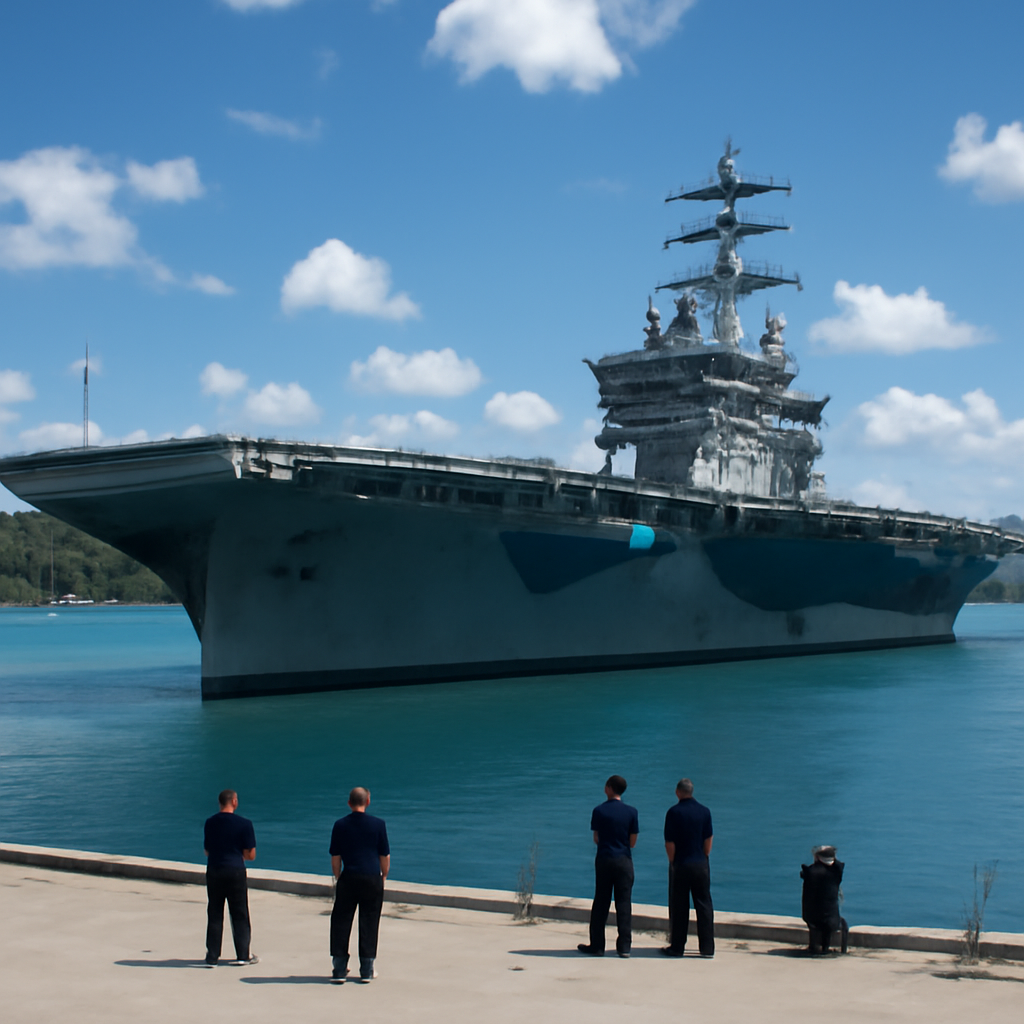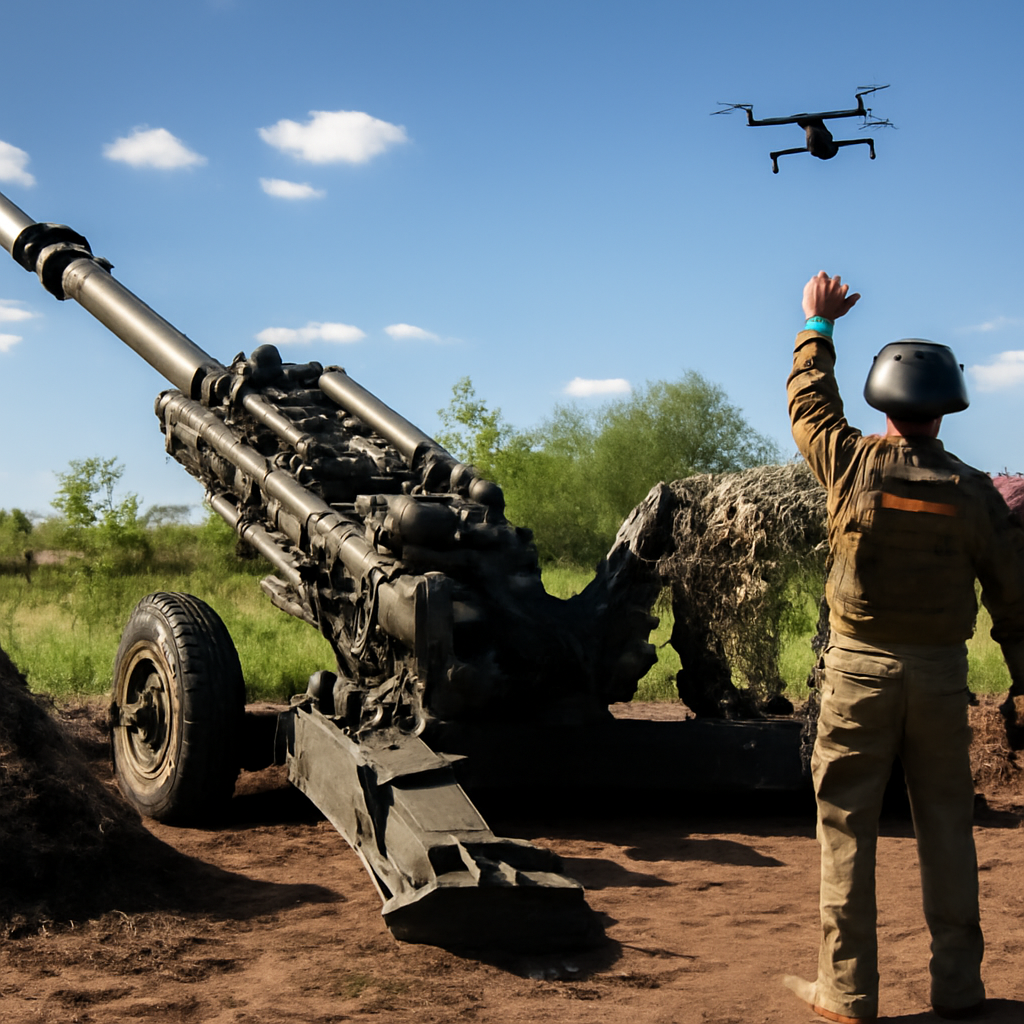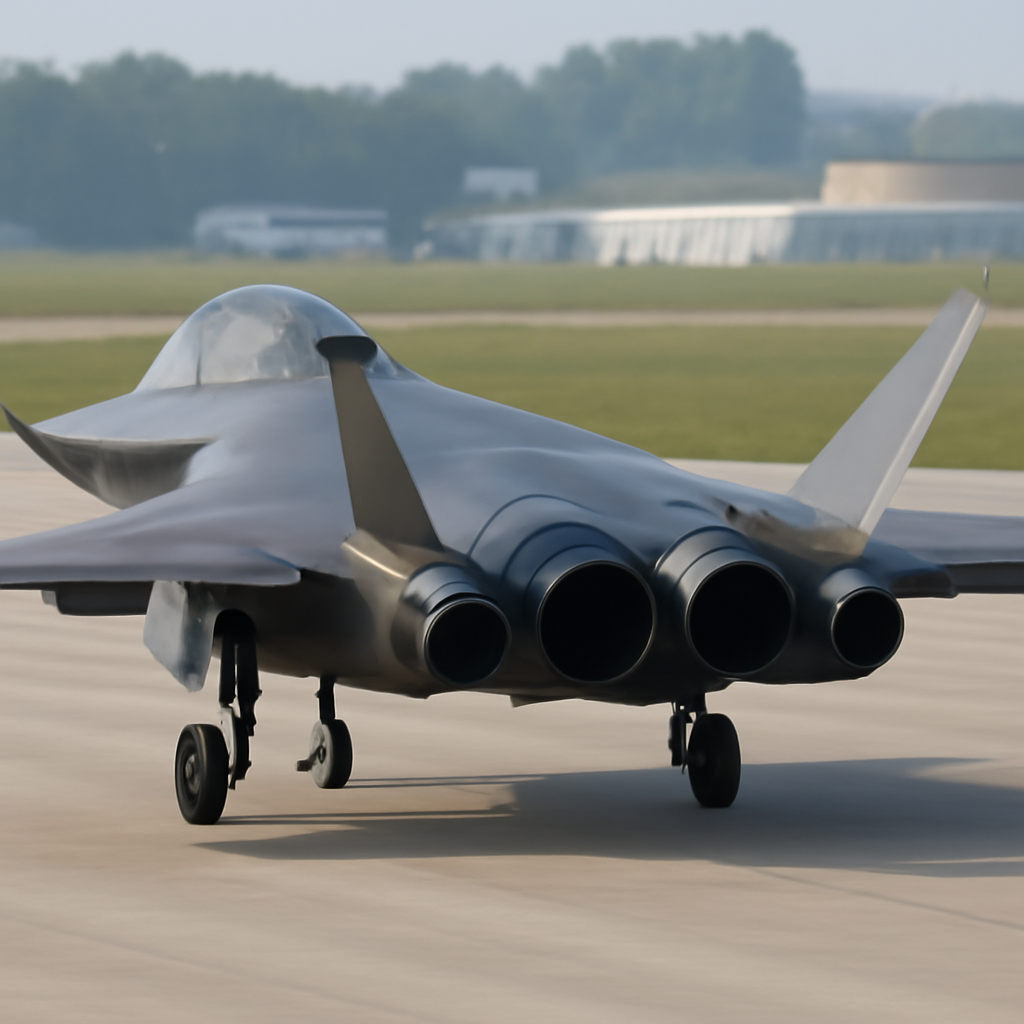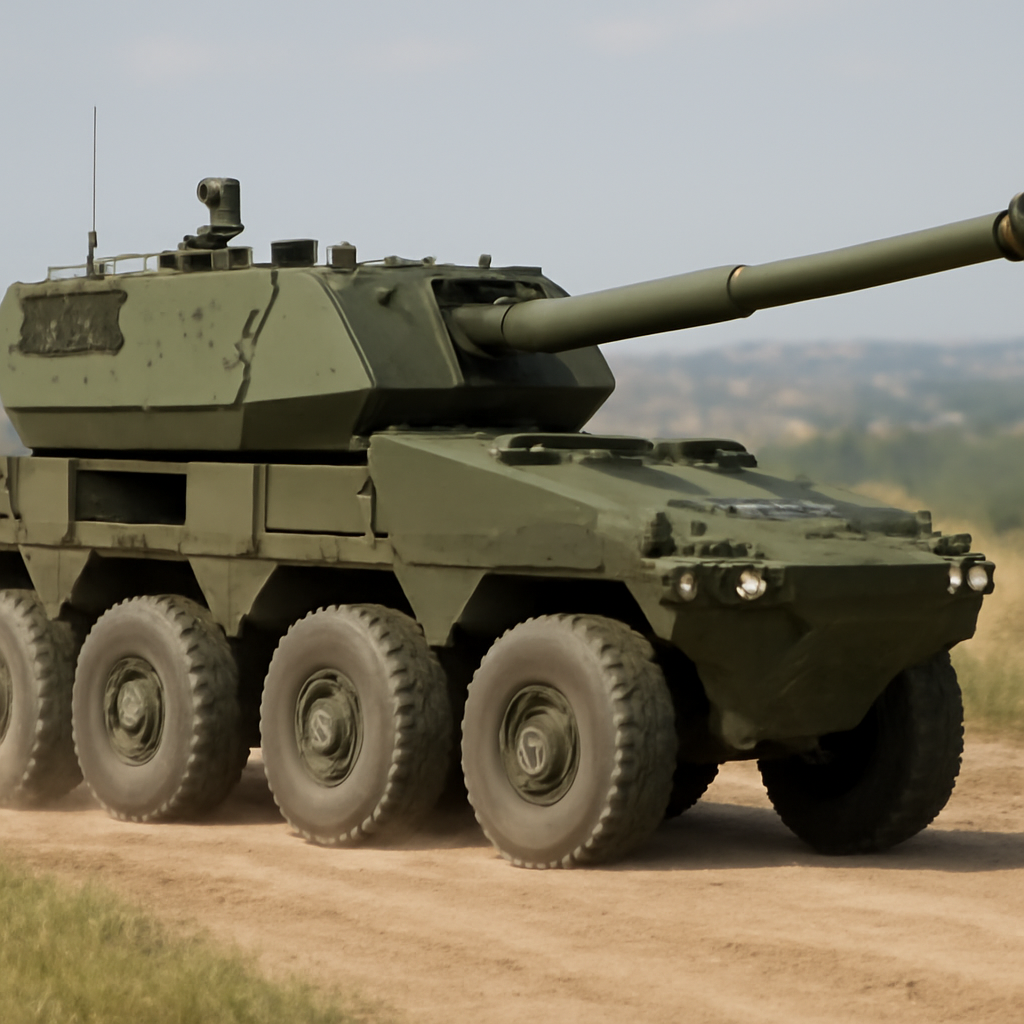
More than US$50 billion (A$71 billion) in announced procurements was among the concrete commitments at NATO leaders’ meeting in Ankara in July 2026 — a summit that reframed defence industry as a tool of deterrence, not just procurement support.
Strategy for Industry–NATO Cooperation, endorsed by all 32 allies
The summit produced the Strategy for Industry–NATO Cooperation, endorsed by all 32 allies, which treats industrial capacity as an instrument of deterrence rather than merely an economic or procurement issue. The strategy’s central innovation is to treat industrial capacity as an operational capability to be measured, exercised and improved. Allies committed to signal demand through a consolidated, unclassified capability pipeline, to tie industrial capacity to capability targets, and to stress-test industrial surge through exercises. The alliance also pledged to keep dismantling defence trade barriers among allies.
Australia’s presence in Ankara and the Indo‑Pacific meeting
Australia was represented at the summit’s defence‑industry discussions and at a separate meeting that included NATO’s four Indo‑Pacific partners. Participants at that regional session agreed to deepen cooperation in defence industry, cybersecurity and advanced technologies. For Canberra, those engagements put Australia in direct conversation with NATO’s new approach to treating industrial capacity as a component of military readiness and deterrence.

Audit-ready is a season. It shouldn't be.
Evidence in spreadsheets, controls drifting between audits, frameworks multiplying on flat headcount. Nubivance runs continuous compliance on Rapid7 Cyber GRC - SOC 2, HIPAA, ISO 27001, PCI, CMMC.
End the scrambleIndustrial capacity as operational capability — what changes
The strategy redefines what counts as “industry.” It explicitly includes software, data, digital infrastructure and skilled people alongside production lines, and places innovative small firms beside traditional major defence contractors. Success is measured not only by how much industry can produce but by how quickly it can redesign, reconfigure, substitute components and incorporate new technologies. As a result, measures such as sufficiency, surge capacity, resilience and recovery become more useful than traditional assessments of industrial health — and NATO will now exercise those measures.
Turkey’s experience: alliance supply can become conditional
The summit also reinforced a hard lesson from Turkey’s recent history: supply from partners can become conditional when politics diverge. Turkey’s decades of embargoes and program exclusions, including removal from the Lockheed Martin F-35 program, drove Ankara to build domestic capability in drones, missiles and combat aircraft, even though critical dependencies remain. That record is offered as a cautionary example for allies reliant on others for critical systems: conditional access can compel domestic investment, and those investments may not eliminate all external dependencies.
What this means for policymakers, procurement leaders, and technologists
- Policymakers and regulators: If industry is to be treated like an element of military readiness, governments should set readiness standards for industry comparable to force readiness, and make deliberate choices about which life‑cycle stages (design, production, sustainment and upgrade) require domestic control and which can rest with trusted partners or the global market.
- Procurement leaders and affected enterprises: The emphasis shifts toward sustainment as non‑negotiable — maintaining, repairing, replenishing and upgrading systems are distinct industrial tasks that must be assessed separately. Producible mass (large‑scale, lower‑cost production) and sustainment capacity are realistic growth areas for national industry but will compete with high‑end production for scarce workforce, propellant, explosives and facilities.
- Technologists and security teams: The industrial base to be defended and mobilised is broader than factories alone: software, data, digital infrastructure, research institutions, skilled workforces and small and medium enterprises all matter. Adaptability — the ability to redesign and substitute quickly — is as strategically valuable as raw capacity.
The NATO summit’s enduring lesson for Australia and its partners is structural: decisions about independence are choices of degree, not binaries. For every capability, nations must decide deliberately which life‑cycle stages they need domestic control over and which can be shared. Governments should begin by asking not what they should manufacture, but how much control they require over each element on which military capability depends. The Ankara commitments — an industry strategy endorsed by all 32 allies, a public capability pipeline, exercises to stress‑test surge, and more than US$50 billion in announced procurements — turn that abstract question into a program of measurement, exercise and policy choices that Australia can follow or adapt before conditionality forces the decision.