Aselsan’s backlog closed the first half of 2026 at US$23.2 billion — a 45% year‑on‑year increase — with intake outpacing recognised revenue so the order book is compounding rather than drawing down.
First‑half performance: revenue, profit and margins
For the first half of 2026 Aselsan reported revenue of 88.5 billion Turkish lira (roughly US$1.8 billion), a 25% increase in real terms that converts to 37% in US dollars. EBITDA reached US$488 million, producing a margin of 26.3% and improving 120 basis points year‑on‑year. Strong second‑quarter results drove much of that improvement: quarterly revenue was 51.8 billion lira, EBITDA margin 27% and net profit 8.5 billion lira versus a market expectation of 6.9 billion lira.
Order intake and the expanding backlog
New contracts signed in the half totalled US$4.9 billion, a 72% rise on the same period in 2025. That intake pushed backlog to US$23.2 billion, up from US$20.7 billion at the end of the first quarter. Because contract intake is running ahead of revenue recognition, the company describes the backlog as compounding. Chief executive Ahmet Akyol said the company expects to see US$30 billion next year, compared with a figure that exceeded US$20 billion in 2025. The flow of orders continued after the period closed: in July Aselsan signed a €1.47 billion contract to expand Steel Dome air‑defence production.

This site is the portfolio.
OSINTSights runs on Cloudflare Workers, D1, R2, and Vectorize, with an AI pipeline on Hetzner ARM. Nubivance designed, built, and operates it. We do the same for clients.
See what we buildDomestic workshare, Steel Dome and export footprint
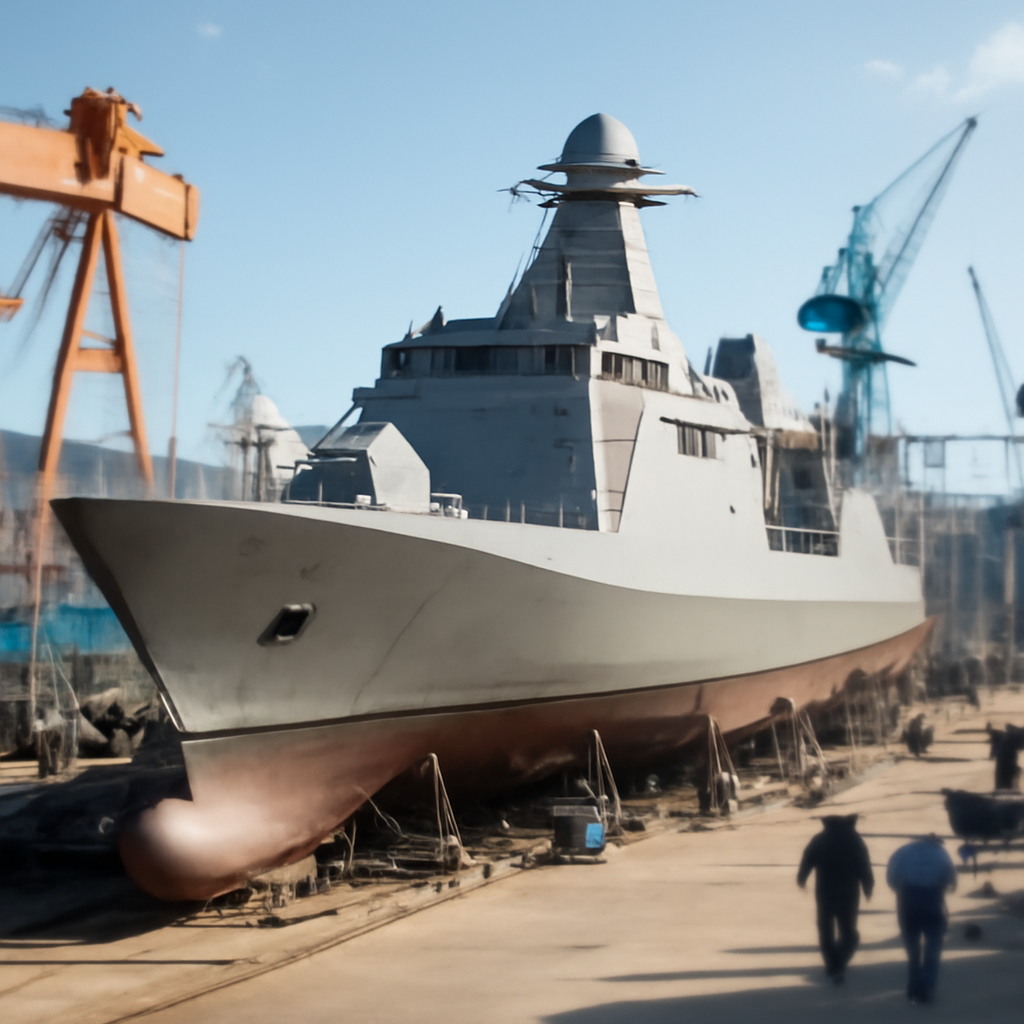
Domestic demand dominated in the first half: international sales accounted for 17% of total revenue while 83% was domestic, weighted toward the Turkish Armed Forces and the Presidency of Defence Industries (SSB). A large portion of that domestic activity ties to Çelik Kubbe (Steel Dome), the layered air‑defence architecture first deployed at EFES 2026, for which Aselsan supplies sensors, effectors and the command layer. Exports are growing from a low base — Aselsan closed full‑year 2025 with export revenue of US$958 million, an 89% increase — and its portfolio explicitly includes systems deployed for foreign customers, such as naval combat management systems fitted aboard the Pakistan Navy’s Babur‑class MILGEM corvettes.
R&D, capacity buildout and workforce
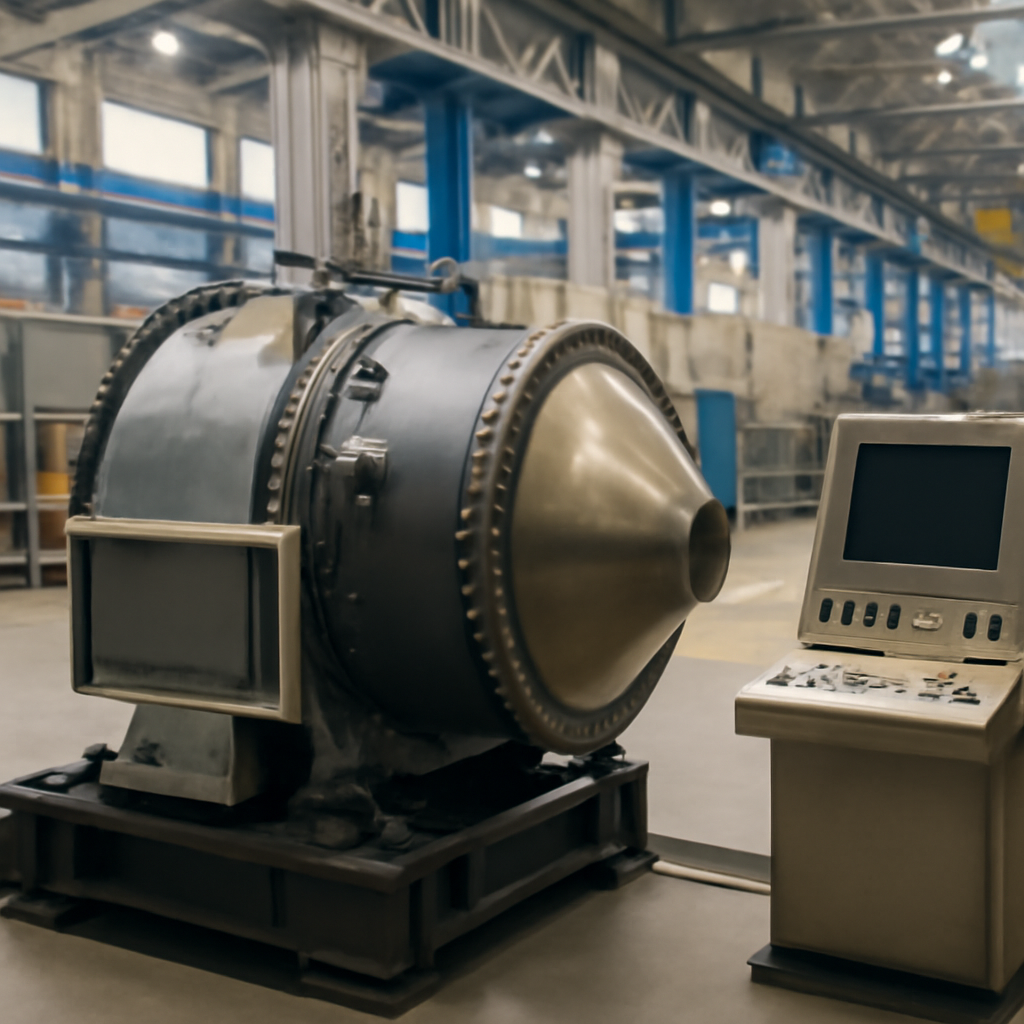
Spending on research and development rose to US$804 million, up 41%, while capacity and scale investments reached US$323 million, up 195%. The company brought a new 17,360 square‑metre production and test facility into service, installed nineteen new robotic automation lines, and said the first phase of its Oğulbey technology hub is due to become operational in the third quarter of 2026. Headcount rose by more than 1,000 hires during the half, about 15% of them international. The company’s capital expenditure plan for the full year remains a target of 50 billion lira.
Balance sheet, guidance and product portfolio
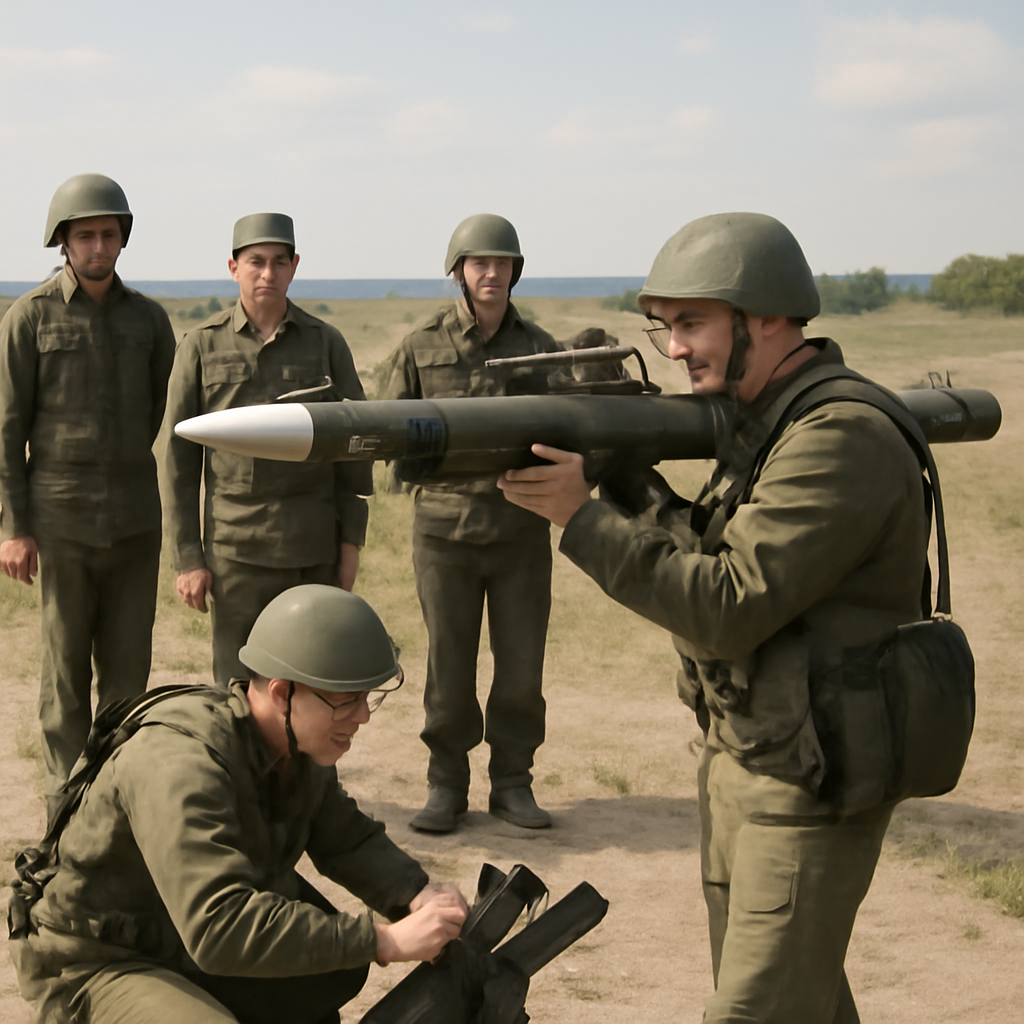
Aselsan financed the investment programme without obvious strain: operating cash flow for the half was 15.2 billion lira, the equity ratio stood at 56%, and net debt to EBITDA eased slightly to 0.55 from 0.57. Management left full‑year guidance unchanged: targeting real revenue growth of 10% or more against 2025, an EBITDA margin above 24%, and the previously stated capital expenditure. The company’s product set cited in the report spans the Hisar surface‑to‑air missile family, the Korkut self‑propelled anti‑aircraft gun, radar and electronic‑warfare suites, the ASELPOD targeting pod, military 5G infrastructure and naval combat management systems.
How the Turkish Armed Forces, the Pakistan Navy, and investors will watch Aselsan
- Turkish Armed Forces and the Presidency of Defence Industries (SSB): will see a continued pipeline of domestically supplied sensors, effectors and command systems, particularly tied to Steel Dome deployments and related procurement programmes.
- Pakistan Navy and other foreign customers: can expect ongoing deliveries of naval combat management and combat systems already referenced in the company portfolio, with export receipts growing from the 2025 base of US$958 million.
- Investors and analysts: will monitor backlog conversion into revenue, the sustainability of improved EBITDA margin, and whether the company can meet its guidance — including the target of real revenue growth of 10%+ and capex of 50 billion lira — while absorbing heavy R&D and capacity spending.
Aselsan’s balance of accelerating intake, heavy reinvestment and steady margins frames a clear practical question: with new contracts driving backlog to US$23.2 billion and a €1.47 billion contract added in July, will intake convert into recognised revenue at the pace management needs to hit targets and bring the backlog toward the CEO’s US$30 billion expectation next year? The company’s figures show the levers — orders, factories, automation, hiring and R&D — are in place; the next test will be execution and the timing of that conversion.