Tag: china
770 articles
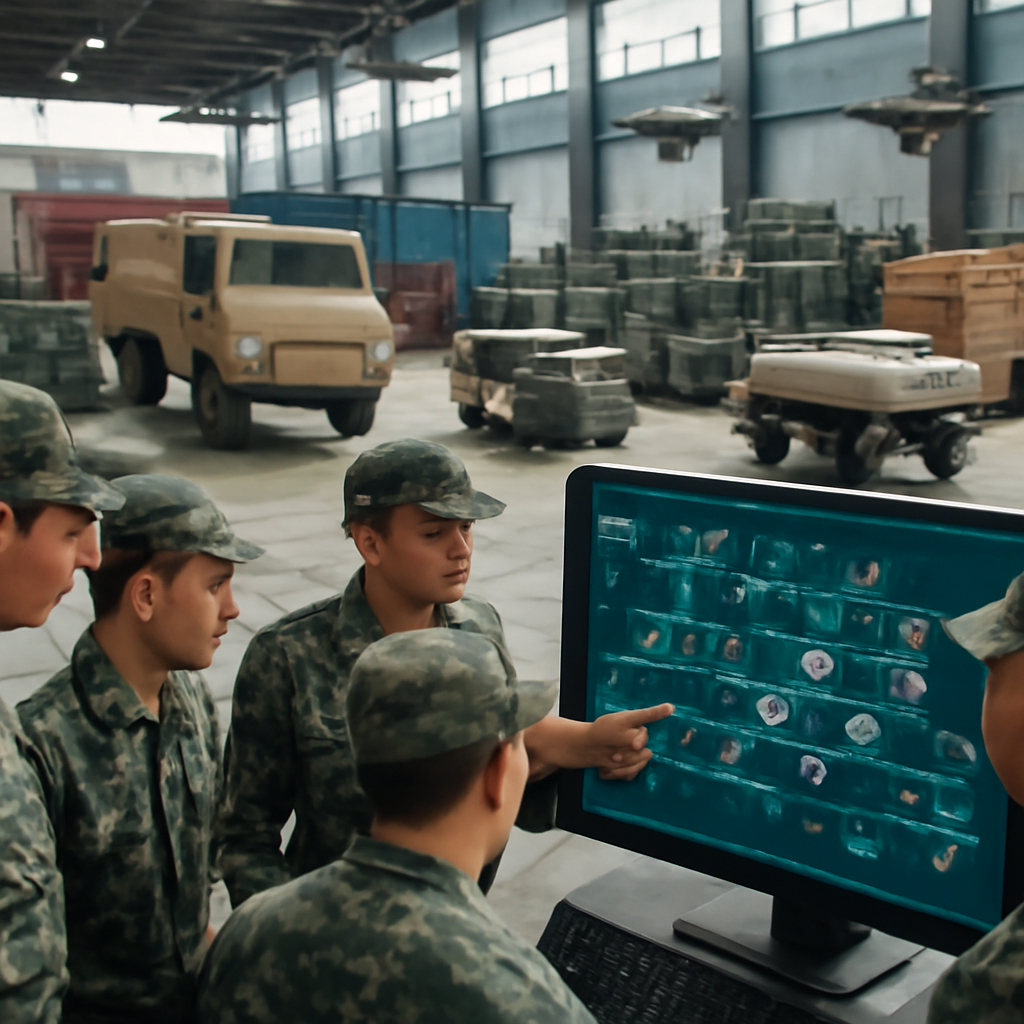
China's Military AI Logistics Expose New Vulnerabilities in War
China's military is betting big on artificial intelligence to supercharge its logistics, but this bold move may backfire in the chaos of war, creating vulnerable chokepoints that could leave its operations crippled. Mike Tyson's famous words - "everybody has a plan until they get punched in the face" - are particularly apt for Beijing's high-stakes gamble.

Chinese Spies Exploit Roundcube Flaw to Breach University Servers
A recent series of university server breaches, attributed to a group called UNK_MassTraction, has exposed vulnerabilities in North American higher-education institutions, with potentially dozens more affected. The breach, linked to a flaw in Roundcube, is believed to be an ongoing campaign.

Hackers Exploit Roundcube Flaw to Target Academic Researchers
A new wave of cyber attacks linked to China is targeting academic researchers in the US and Canada, specifically those in physics, engineering, and national security-related fields, by exploiting a vulnerability in Roundcube webmail servers. The campaign, tracked as 'UNK_MassTraction', has been ongoing since May and has already hit several universities.

Anthropic's Claude Code Exposes Security Risk, China Alleges
A Chinese cybersecurity group has raised a red flag about a potential backdoor security risk in Anthropic's Claude Code, warning that certain versions can secretly send sensitive user data to remote servers without consent. This alarming claim puts users' identity and location information at risk.

China-Linked APT Bolsters Proxy Network with Custom Malware Arsenal
Meet UAT-7810, a China-linked advanced persistent threat that's rapidly expanding its proxy network with custom malware, allowing other attackers to hide their tracks and route traffic through compromised devices. This sophisticated operation, known as LapDogs, has been providing infrastructure for malicious activities for years.

China Warns of Claude Code Backdoor Risks, Urges Developers to Uninstall
China's National Vulnerability Database has issued a high-priority alert, warning developers to immediately uninstall certain versions of Claude Code due to a potential backdoor risk that could compromise sensitive data. Upgrade to the latest secure version to safeguard your information.

Australia Exposed to Uyghur Forced Labour Imports
Australia's imports from China have raised red flags, with a staggering $6.95 billion worth of goods from high-risk sectors linked to Uyghur forced labour flooding the market in 2024. This exposes the country to a redirected risk of inadvertently supporting human rights abuses through its supply chains.
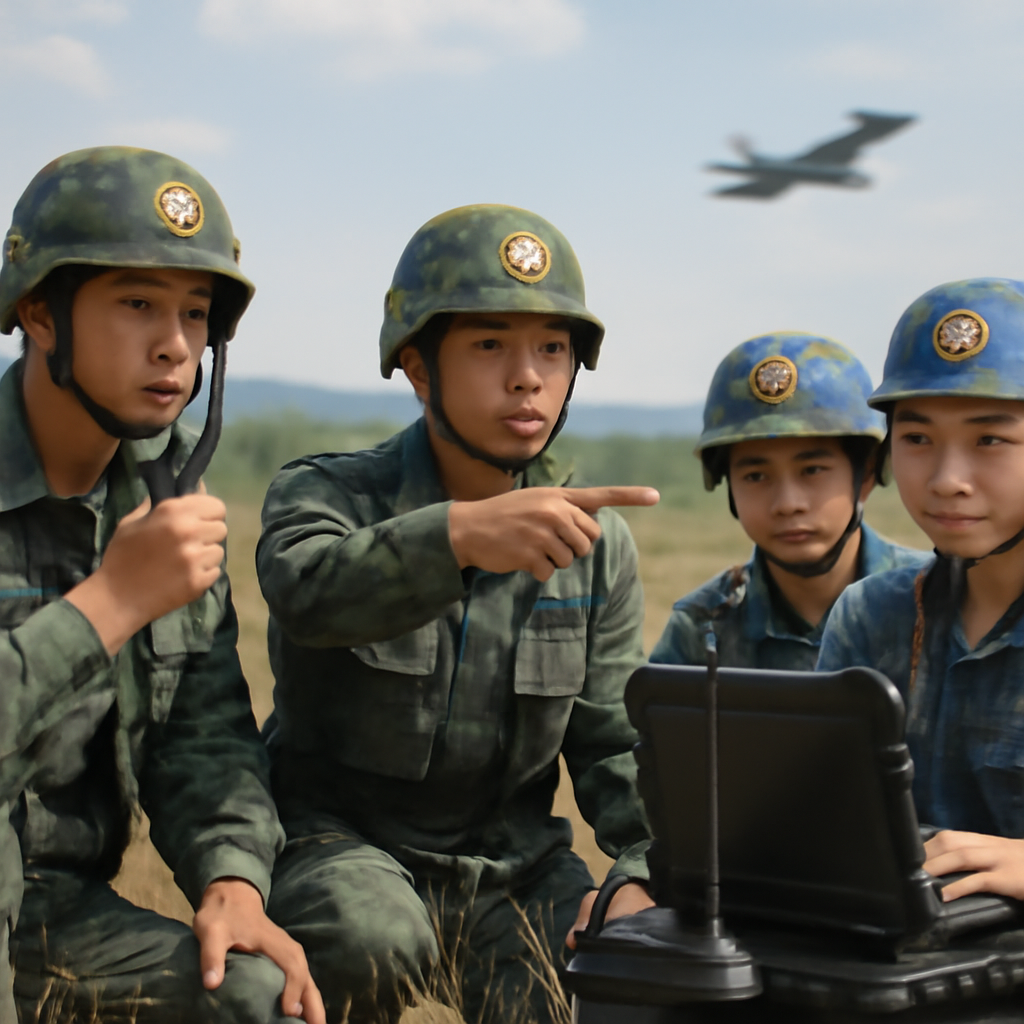
China's PLA Embeds Tactical Air Control Teams
The Chinese People's Liberation Army (PLA) has made significant strides in air-ground integration, with tactical air control teams now seamlessly coordinating with air force aircraft to execute precision strikes. This capability, showcased in recent cross-service training exercises, enables ground teams to guide fighter jets to targets using advanced technology like laser designators and secure datalinks.
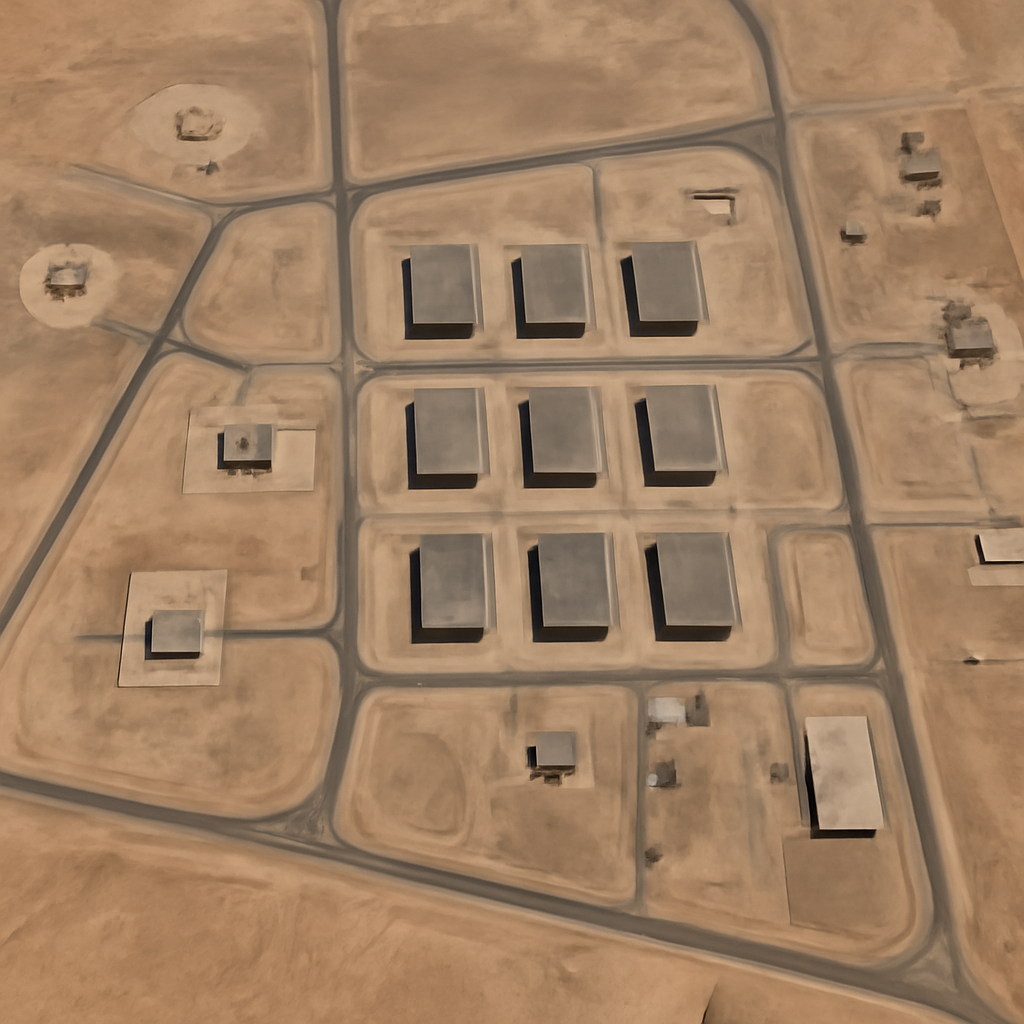
China Builds Mysterious Hardened Structures At Missile Test Base
China has built mysterious hardened structures at a missile test base in Inner Mongolia, sparking intrigue over their purpose and capabilities. New satellite images reveal a pattern of rectangular structures with retractable roofs, potentially capable of launching multiple missiles.
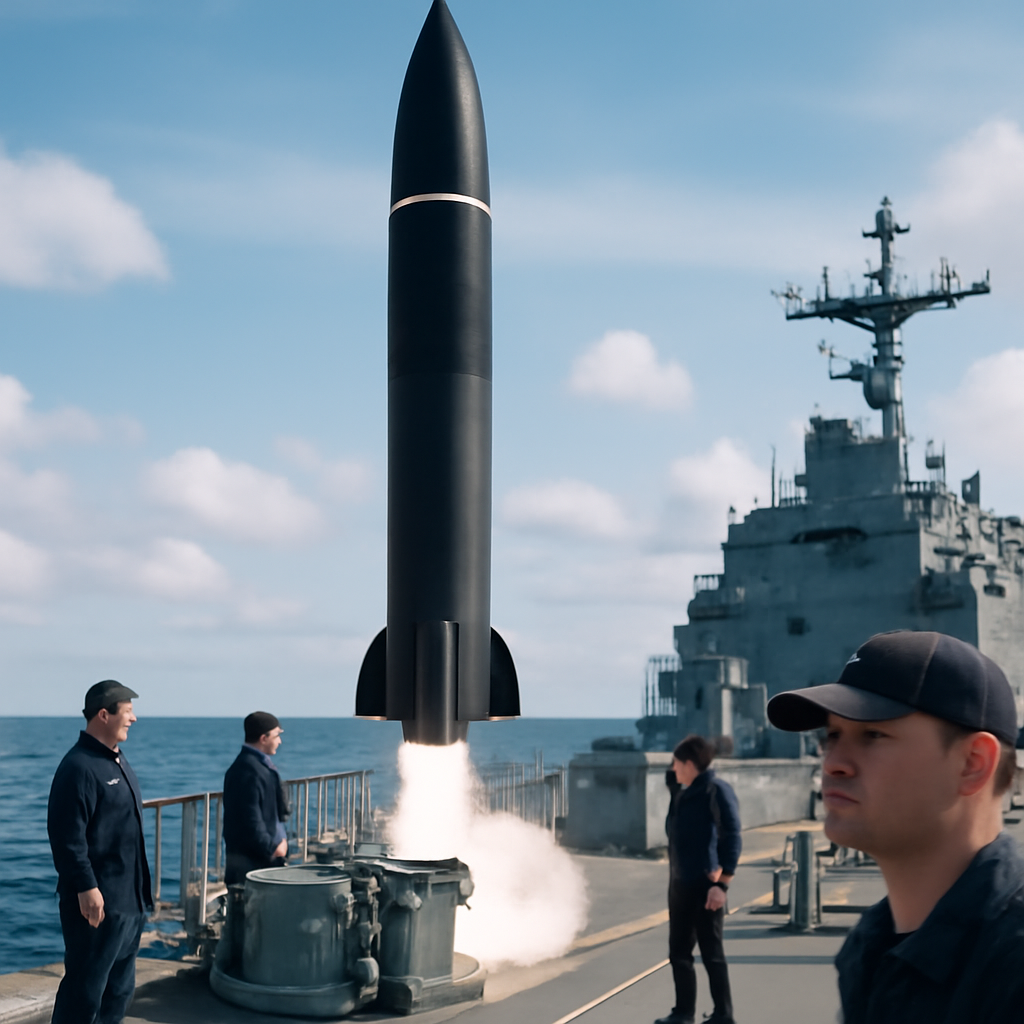
China Expands Undersea Nuclear Deterrent with Advanced SLBM Test
China's recent submarine-launched ballistic missile test was downplayed by Beijing as a routine annual training exercise, not targeting any specific country. The launch has sparked concerns about China's rapidly expanding nuclear capabilities.

China's Nuclear Buildup Exposes New Strategic Posture
China just took a major leap in its nuclear capabilities, publicly acknowledging the successful test launch of a long-range submarine-launched ballistic missile from a submerged nuclear-powered submarine on July 6. The impressive display of tech validated China's newest missile, the JL-3, and showcased its growing strategic prowess.
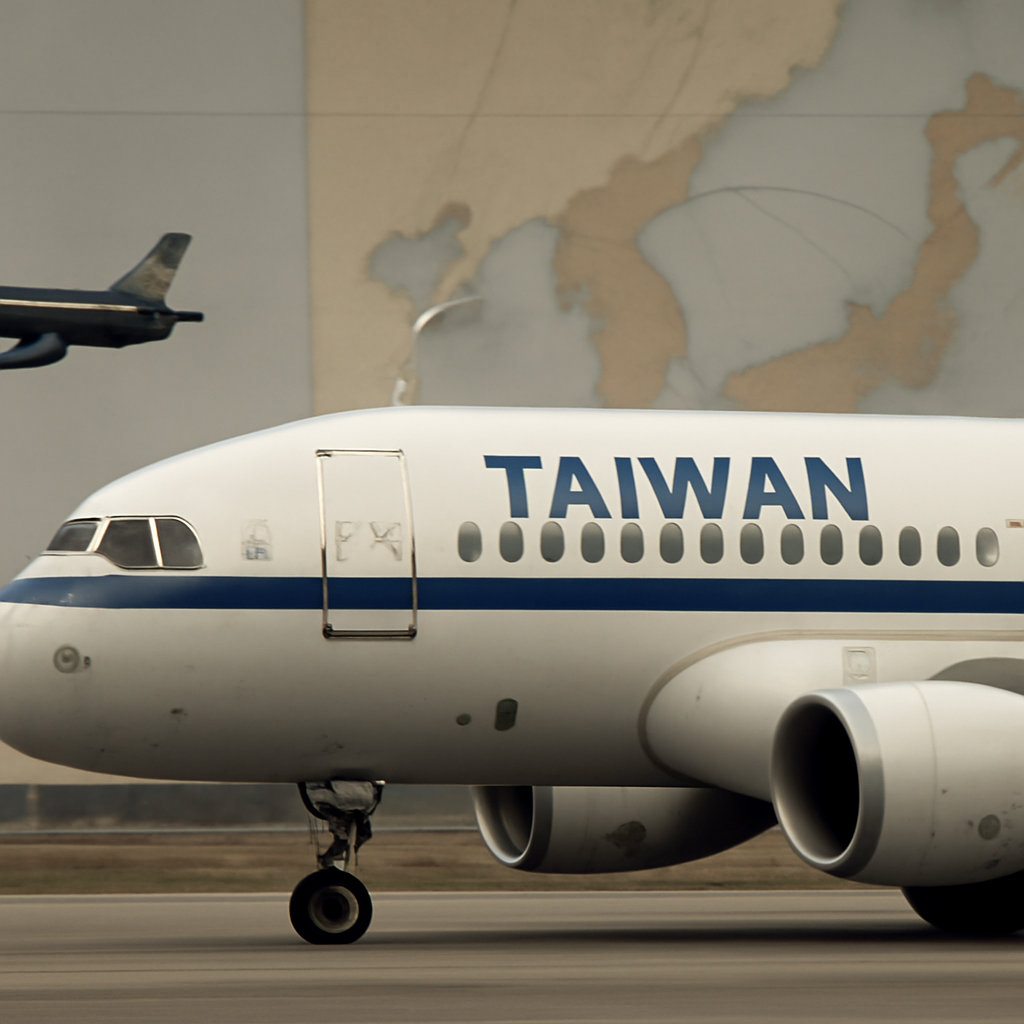
China Escalates Coercion Against Taiwan Amid US Trade Truce
Within weeks of Xi's warning to Trump, Beijing seems to have put its words into action, ramping up diplomatic pressure on Taipei with a series of aggressive moves. Taiwanese President Lai Ching-te's attempted trip to Eswatini was nearly derailed when three African countries rescinded overflight clearances at China's request.

Xi Jinping Reshapes China's Military Leadership Amid Purge Fallout
In a significant move, China's military leadership has been reshaped with the promotion of two lieutenant generals to full general, amid a backdrop of sweeping purges that have rocked the People's Liberation Army. On July 3, Zhang Shuguang and Wang Gang were elevated to their new roles, marking a major shift in the PLA's top ranks.
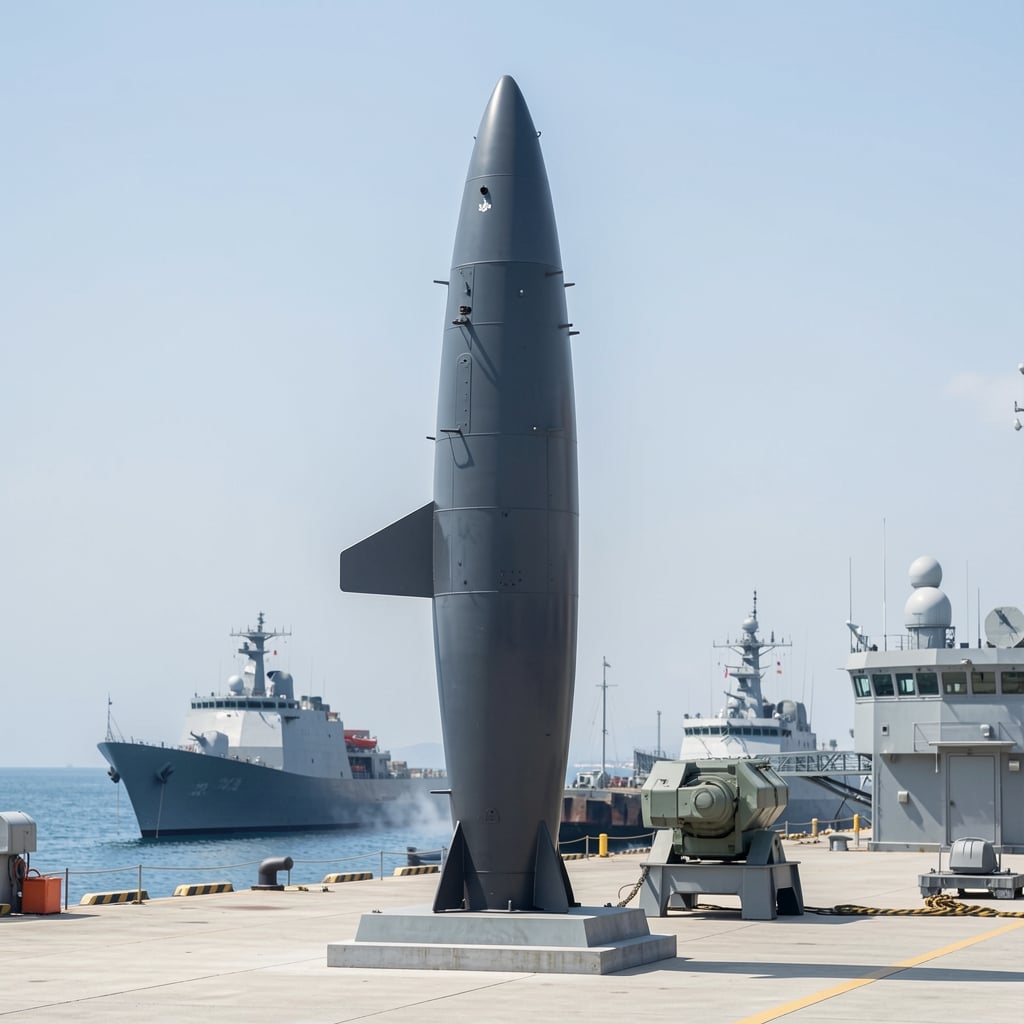
China Unveils JL-3 Submarine-Launched Ballistic Missile
China has just revealed its latest game-changer: the JL-3, or 'Giant Wave 3', a third-generation intercontinental-range submarine-launched ballistic missile that's set to take the country's military capabilities to new depths.

Google Sues Chinese Scammers Over Gemini AI Misuse
Google is taking a stand against scammers, suing a group called Outsider Enterprise that uses its Gemini AI feature to create fake websites and scam people through text messages. The group, which operates on Telegram, offers phishing-as-a-service, making it easy for non-tech-savvy scammers to target victims.

Tenda Router Firmware Exposes Hidden Admin Backdoor
A critical vulnerability in Tenda router firmware, tracked as CVE-2026-11405, allows hackers to bypass password verification and gain full administrative control of your device. This hidden backdoor puts your online security at risk, and a patch is still pending.

China Conducts Pacific Test of Submarine-Launched Ballistic Missile
China's People's Liberation Army Navy successfully tested a submarine-launched ballistic missile in the Pacific Ocean on July 6, with the missile accurately landing in a predetermined sea area. The drill was part of routine annual military training, with relevant countries notified in advance, according to the PLAN.

China's J-8I Fighter Marks Maturation of Airpower
Every July 4th, China's J-8I fighter jet celebrates another year of maturity, marking a milestone for the People's Liberation Army Air Force's (PLAAF) trusty Cold War interceptor. Born from China's ambitious pursuit of a high-altitude, high-speed fighter, the J-8I embodies the air-defence demands of the Cold War era.

China Escalates Maritime Pressure on Taiwan with Coast Guard Patrols
China's increased maritime presence, including coast guard patrols and survey ships, is heightening tensions with Taiwan and threatening the stability of the region and international shipping routes. This bold move has sparked concern from diplomatic missions, who warn it could have far-reaching consequences.

China Warns Pacific Allies with Ballistic Missile Test
China fired a warning shot across the bow of its Pacific allies just hours after Australia and Fiji inked a historic defence pact, testing a submarine-launched ballistic missile into the Pacific Ocean. The move has sparked heated debate across the region and raised questions about Beijing's intentions.

China Revives Soviet-Era Anti-Aircraft Gun in Drone Defense Debate
China is considering reviving a Soviet-era anti-aircraft gun, the 57mm PG59, to defend against drone attacks - a low-cost solution that could provide crucial protection for logistics nodes. By bolting on a modern fire-control system, this old-school gun could get a high-tech makeover and a second life as a point-defense weapon.

China Expands Jurisdiction with New Law Targeting Overseas Critics
A new Chinese law that kicked in on July 1 can now label work done legally in Australia by journalists, analysts, and academics as a crime under Chinese law, sparking concerns about its global reach. This law allows China to pursue individuals outside its borders who are deemed to undermine its ethnic unity or promote division.

China's Y-8 Transport Keeps Export Momentum with Price Advantage
Myanmar's airlift capabilities just got a boost with the delivery of two new Y-8F-200 transports, which will help shore up its fleet amid tight budgets and rough runways. With Western procurement channels closed, the affordable Y-8F-200 offers a practical solution for the Myanmar Air Force.

Startup Sues Palo Alto Networks Unit Over AI-Generated Espionage Claims
When a cybersecurity report wrongly labeled MeetingTV a part of a Chinese espionage operation, its CEO knew it was a death sentence - and now the video conferencing startup is fighting back with a lawsuit against Palo Alto Networks and Koi Security. MeetingTV alleges the report, generated by AI, was reckless and falsely accused it of criminal conduct.