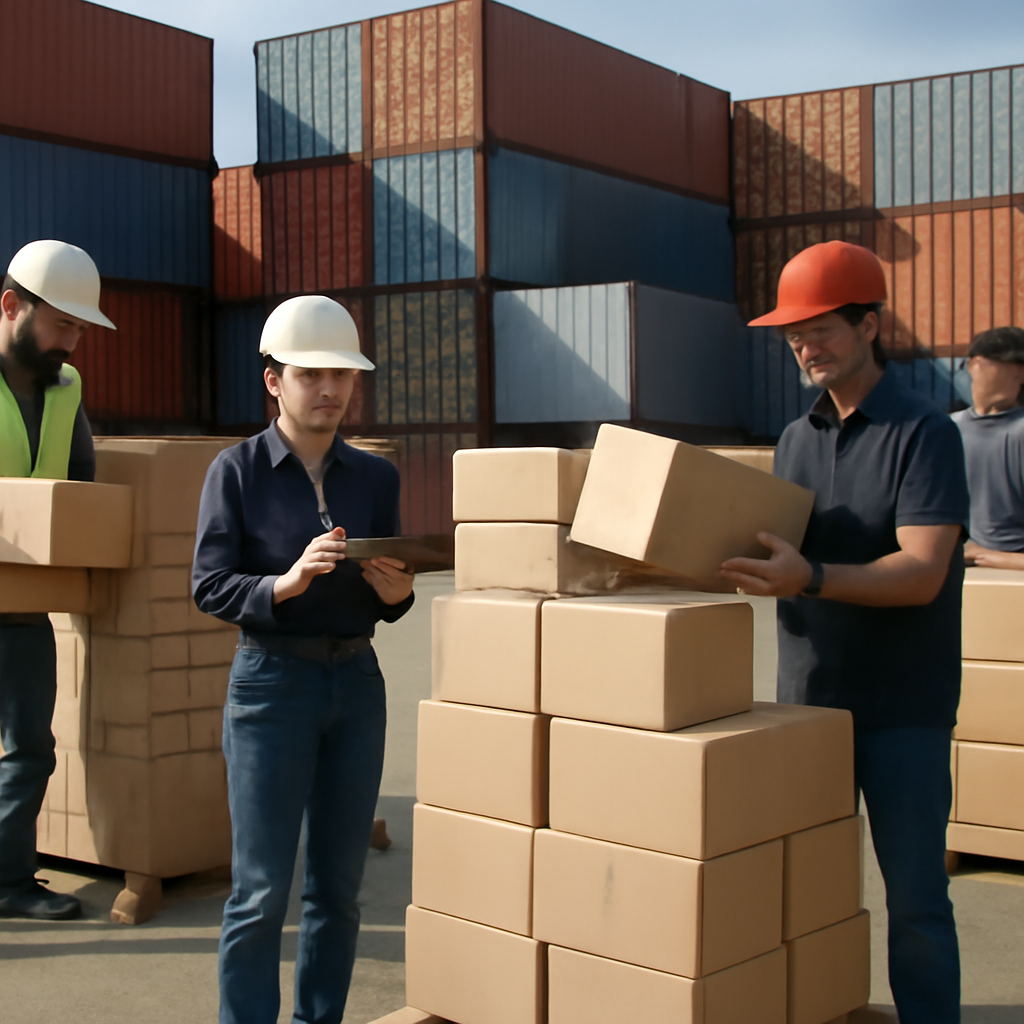
In 2024 Australia imported about US$4.82 billion (A$6.95 billion) in goods from China in high‑risk sectors linked to Uyghur forced labour, a level of exposure that the report describes as opening the country to redirected risk.
Australia's 2024 import exposure
The report for the Uyghur Human Rights Project finds Australia’s exposure concentrated in clearly identified high‑risk sectors: cotton textiles and apparel, solar inputs, aluminium and chemical products. The figures do not assert that every item in those sectors was made with forced labour, but they do show Australian markets taking in large volumes from supply chains where forced‑labour risk is “well documented and independent verification remains difficult.”
How Australia's Modern Slavery Act treats forced‑labour risk
Australia’s Modern Slavery Act requires covered companies to report on supply‑chain risks, but it does not require companies to remove high‑risk goods from their supply chains or create a forced‑labour import ban. As the report notes, “reporting can expose risk, but it can’t stop a shipment from entering the country.” That legal gap places primary responsibility on companies rather than giving border agencies clear authority to stop goods at the point of import.

Audit-ready is a season. It shouldn't be.
Evidence in spreadsheets, controls drifting between audits, frameworks multiplying on flat headcount. Nubivance runs continuous compliance on Rapid7 Cyber GRC - SOC 2, HIPAA, ISO 27001, PCI, CMMC.
End the scrambleKmart lawsuit and the limits of disclosure
In 2025 the Australian Uyghur Tangritagh Women’s Association filed a consumer protection lawsuit against Kmart Australia, seeking disclosure of supply‑chain information and alleging the retailer may have misled consumers about its exposure to forced‑labour risk. Kmart has stated it “opposes slavery in all forms, including forced labour” and that “Our modern slavery risks are assessed as part of an ongoing and overarching human rights risk management process.” The case highlights how voluntary reporting, even when sincere, can leave consumers uncertain and imports unchecked.
International shifts: the Uyghur Forced Labor Protection Act and the EU
The report places Australia’s policy choices in an international context. It notes that the United States has adopted the Uyghur Forced Labor Protection Act and that the European Union is moving towards a ban on forced labour. Those measures are described as treating forced‑labour risk “as something to stop at the border, not just something for companies to report.” The report warns that stronger enforcement in larger markets can result in “redirected risk,” with goods facing tougher scrutiny in the US and EU potentially being redirected to markets with weaker import controls.
How importers, customs authorities, and consumers are affected
- Importers and retailers: Companies that source from high‑risk sectors must choose between voluntary due diligence under the Modern Slavery Act and facing potential regulatory change; the report recommends mandatory due diligence and high‑risk declarations so firms “must act on modern slavery risks rather than simply reporting them.”
- Customs authorities and regulators: The report calls for strengthened customs powers and a forced‑labour import ban so authorities can stop shipments when evidence of risk is weak rather than relying on company disclosures.
- Consumers and civil society groups: With reporting alone unable to remove goods from shelves, consumers and advocacy groups have limited means to ensure products are not linked to forced labour—hence litigation such as the Uyghur Tangritagh Women’s Association’s case against Kmart.
The underlying dynamics described are stark: since 2017 Chinese authorities have detained large numbers of Uyghurs and other Turkic peoples in “vocational education and training” facilities, and state‑directed labour transfer programs and restrictions in the Xinjiang Uyghur Autonomous Region have extended repression into regional economic activity, complicating independent supply‑chain verification. The report concludes with a clear policy prescription: Australia should adopt a forced‑labour import ban, strengthen customs powers, require importers to trace goods in high‑risk sectors, and work with trading partners, including the United States, on information sharing.
“If Australia wants to keep goods made with Uyghur forced labour out of Australian homes, businesses and supply chains, it must give border authorities the tools to act.” That sentence from the report frames the choice before Australian policymakers: rely on company disclosure and risk becoming a destination for redirected goods, or equip customs and regulators to interdict at the border.