[SPONSOREDNUBIVANCE]
Rapid7 deployed right the first time.
Full-platform Rapid7 rollouts - InsightVM, InsightIDR, event sources, agents, tuning - by a Registered Partner who has done it at state-agency scale, including OT/SCADA.
Talk deployment
Imagine facing machine gun fire head-on, seasick and disoriented, as you stormed Omaha Beach on June 6, 1944, with nothing but chaos and destruction awaiting you. For brave soldiers like Private First Class John Robertson and 1st Lieutenant Jimmie Monteith Jr., this was the terrifying reality that tested their valor and forever shaped history.
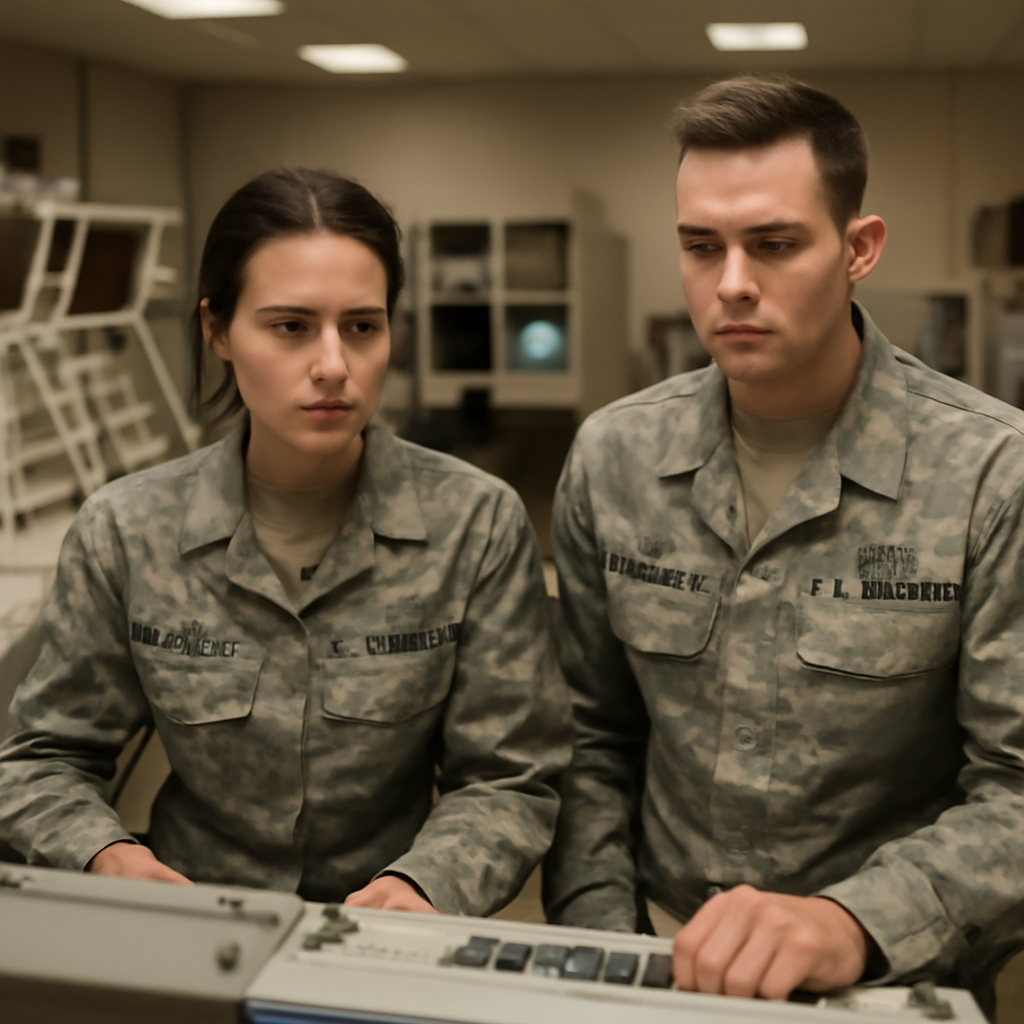
In a simulated launch exercise, skilled missileers like First Lt. Pamela Blanco-Coca and 2nd Lt. John Anderson demonstrate their expertise with the Minuteman III system, carrying out precise key turns that send a launch vote to ICBMs in their flight area. With a properly conducted key turn, these airmen showcase their critical role in maintaining a strong national defense.
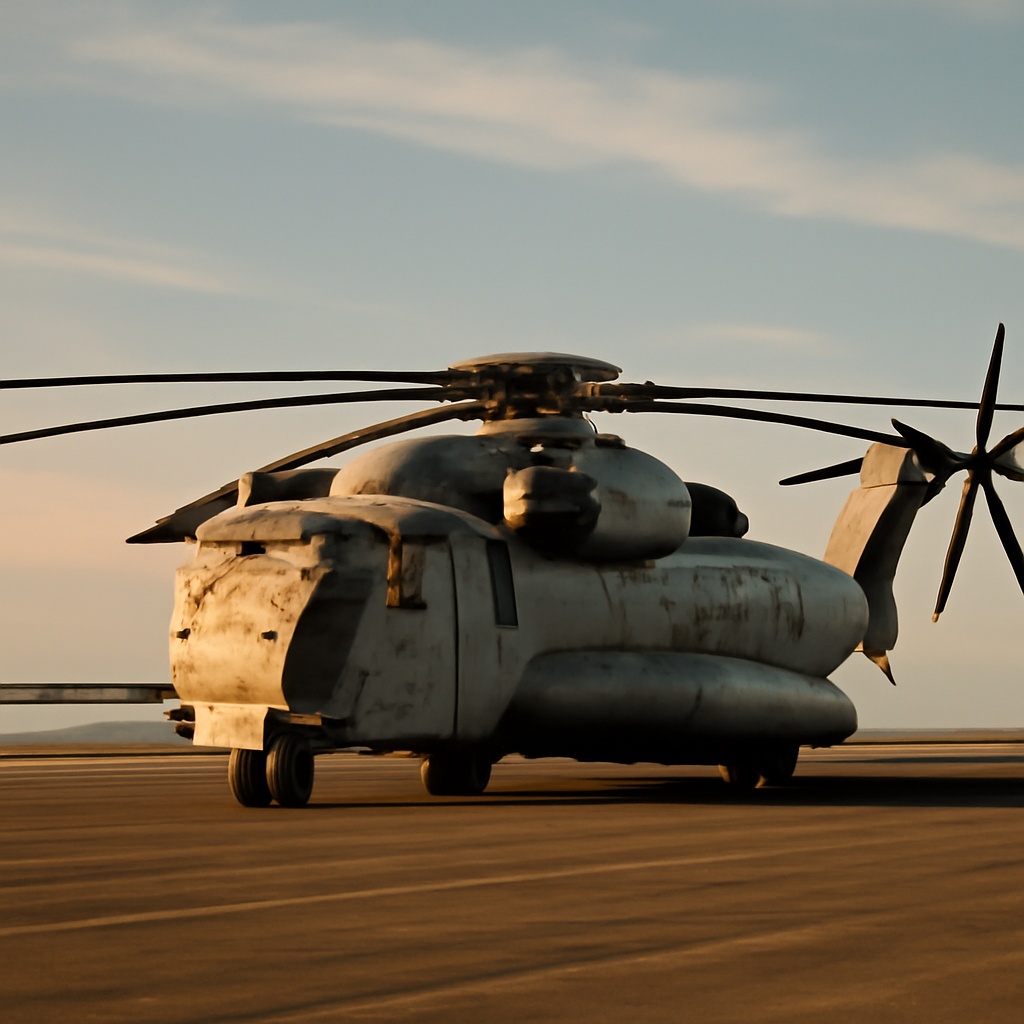
Meet Steve Jones, a former MH-53E Sea Dragon pilot who learned the helicopter's limits the hard way - and lived to tell the tale of this powerful machine, built for brute strength and endurance with three GE engines and massive fuel sponsons. The MH-53E was a beast that could fly, hover, and tow with the best of them, but as Jones puts it, "it's really a young person's game."

As smoke from Ukrainian drone attacks filled the air, Putin's allies gathered at the St. Petersburg International Economic Forum to discuss a chilling scenario: nuclear war. The meeting, attended by Russian oligarchs, far-right European groups, and even some US officials, couldn't have come at a more ominous time.
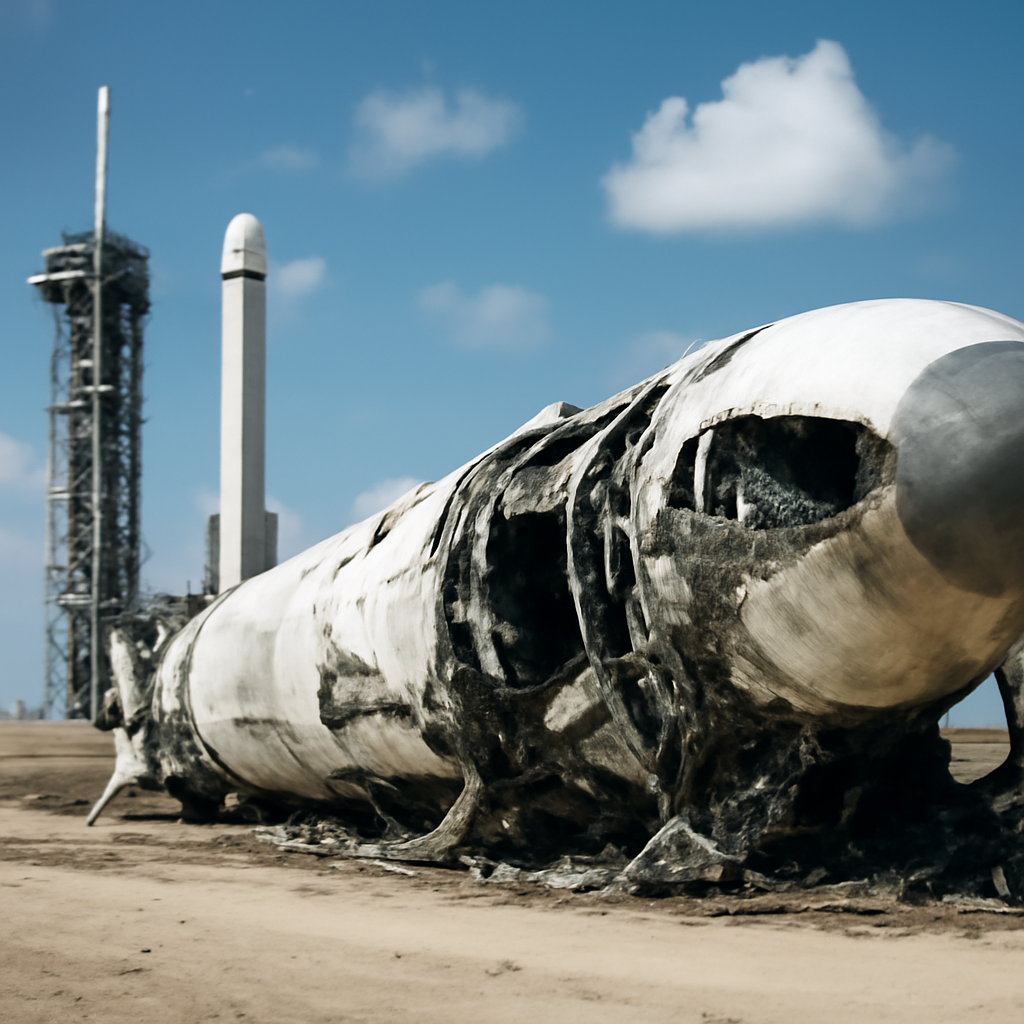
The recent Blue Origin rocket explosion is a stark reminder of the fragility of US military launch plans, with just two companies, SpaceX and United Launch Alliance, certified to handle nearly 100 critical National Security Space missions over the next five years. This narrow margin raises serious concerns about the resilience of our space launch infrastructure.
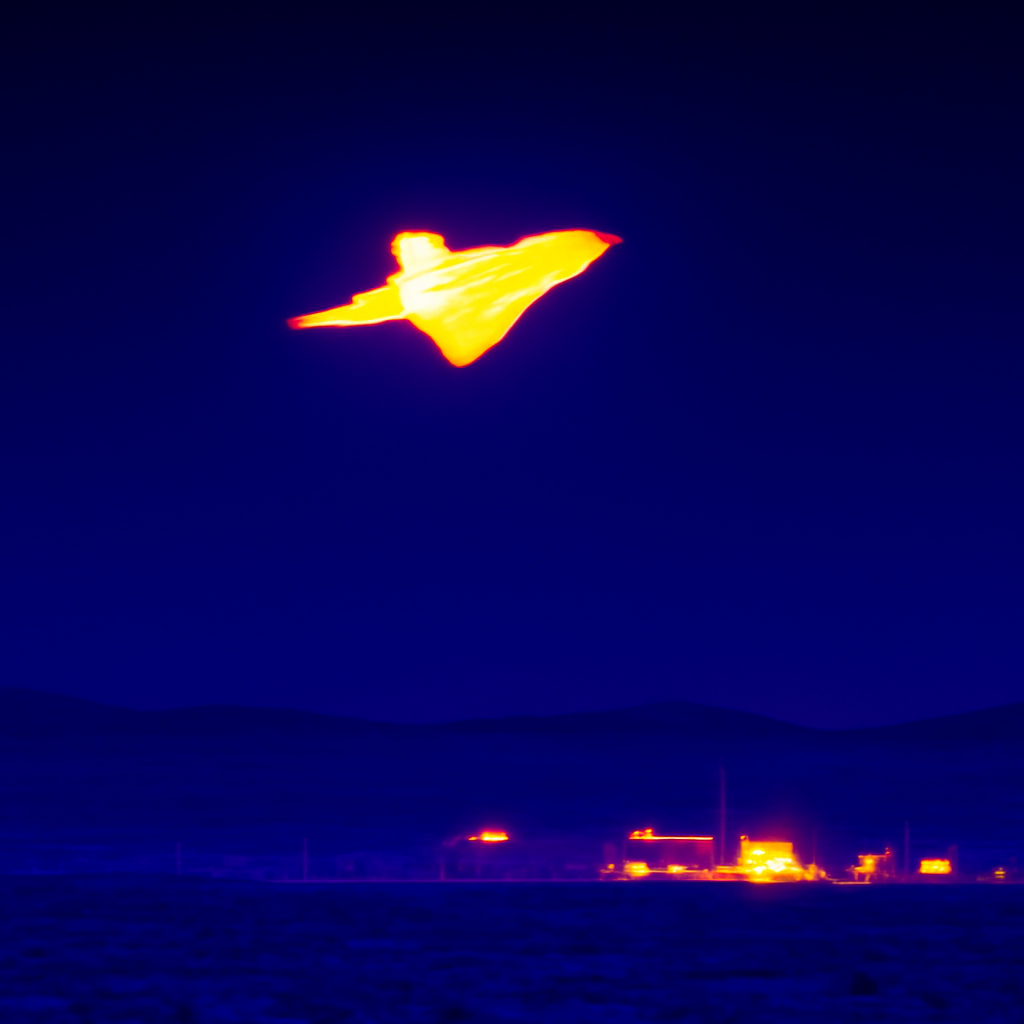
A thermal image captured over Area 51 appears to reveal a mysterious aircraft, possibly the prototype of the US Air Force's highly anticipated F-47 fighter. The stunning footage has sparked excitement among enthusiasts, with one eyewitness describing their thrill at seeing the unprecedented sight.
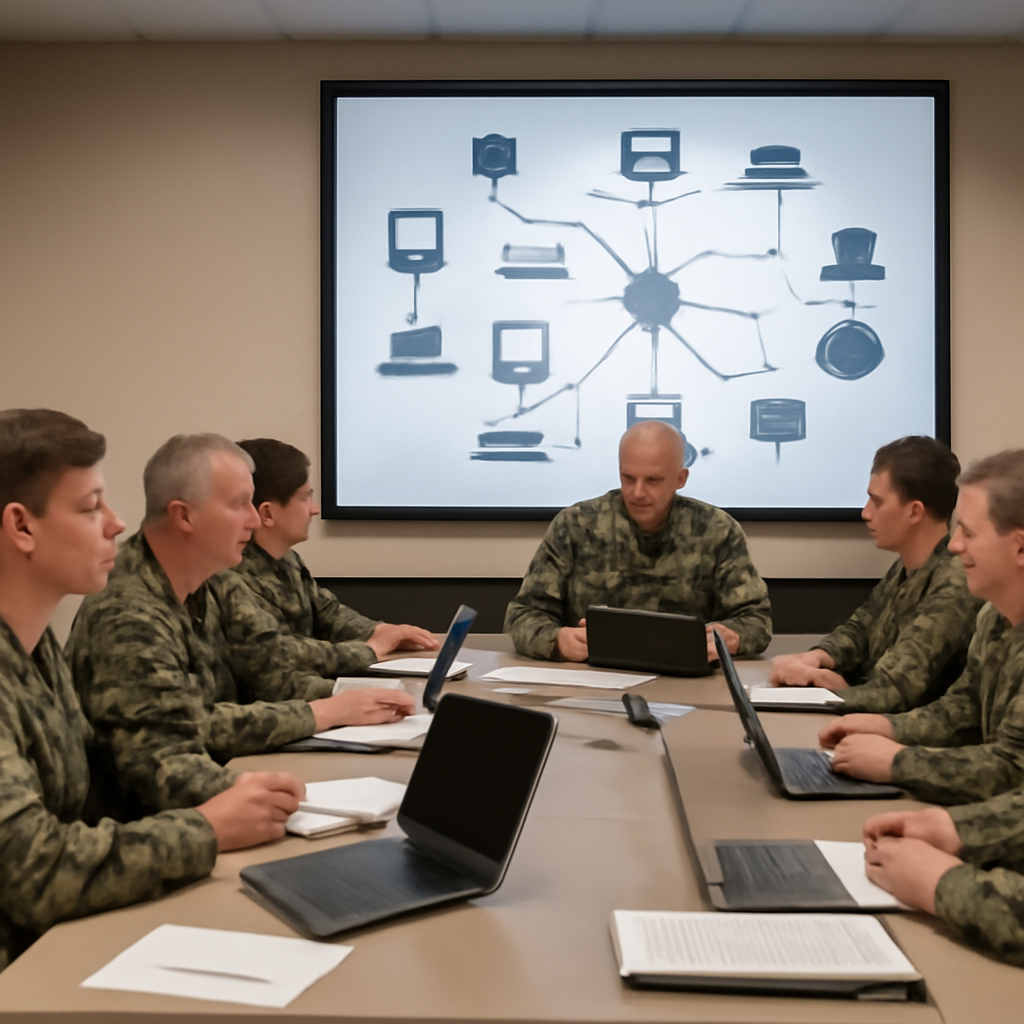
The Pentagon is bolstering its cyber defenses for critical infrastructure, with a key focus on building a unified response framework to tackle cyberattacks on vital US systems. Col. Adolph Rodriguez is leading the charge, prioritizing not just technical solutions but also organizational clarity and control.
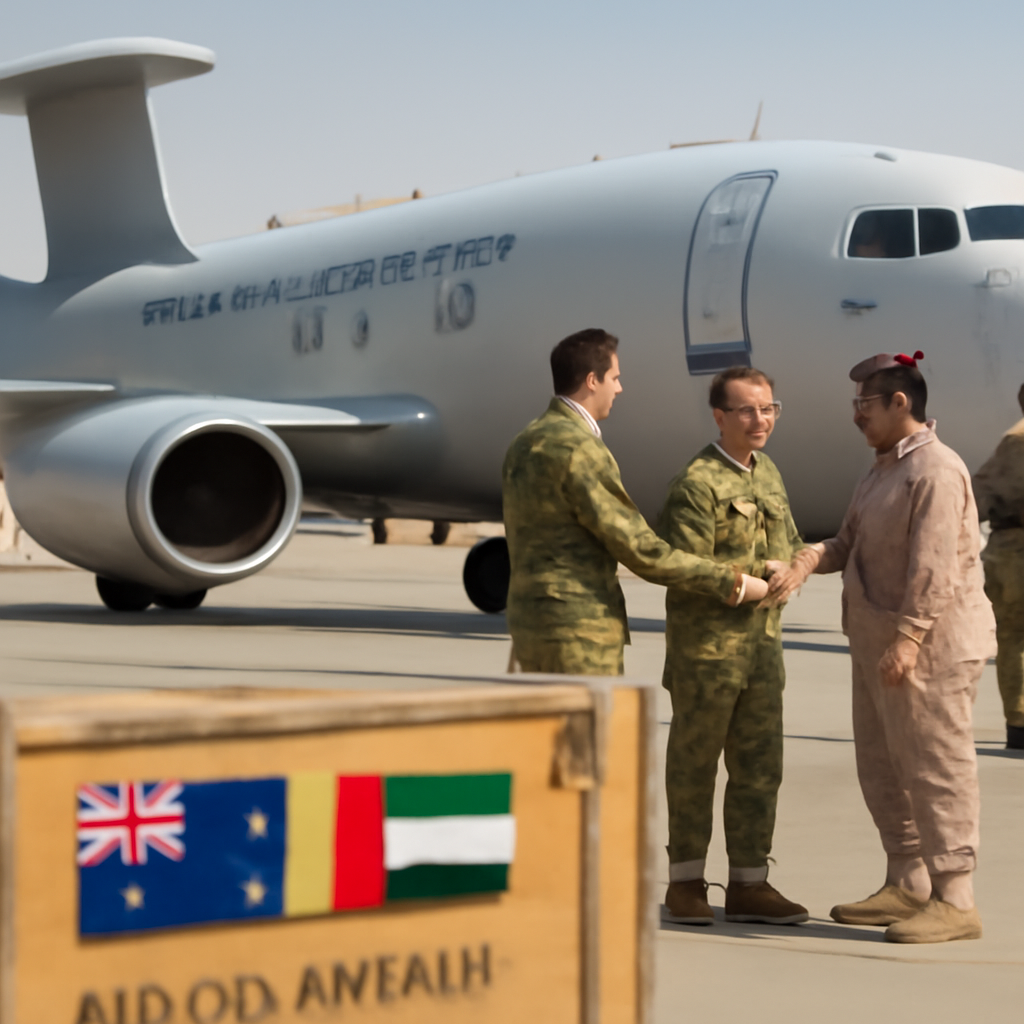
As tensions escalate in the Gulf, Australia and the UAE are strengthening their defence partnership, with Canberra taking a proactive stance through significant deployments and transfers, including an E-7A Wedgetail and AIM-120 Amraam missiles. This deepening alliance marks a major boost to the UAE's defence capabilities and Australia's commitment to regional stability.
Full-platform Rapid7 rollouts - InsightVM, InsightIDR, event sources, agents, tuning - by a Registered Partner who has done it at state-agency scale, including OT/SCADA.
Talk deployment
The US military's dwindling missile stockpile, depleted by a staggering 30% in recent operations against Iran, has sparked a pressing concern: can the Indo-Pacific region's defenses be maintained? A critical delay in delivering Tomahawk cruise missiles to Japan has exposed a capability gap, threatening the stability of the region.
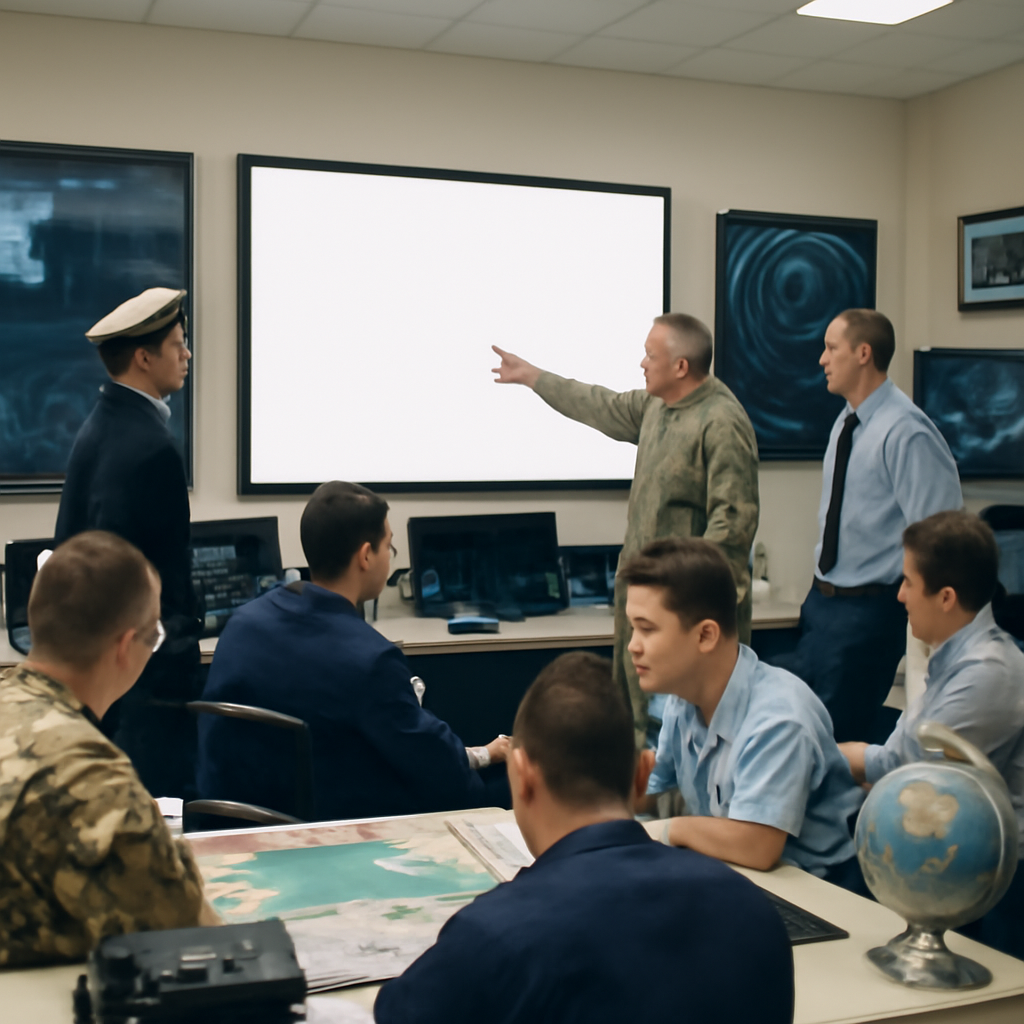
Pakistan is taking a giant leap in modern warfare with its unified commands for multi-domain operations, enabling seamless integration of cyber, electronic, and space-based capabilities to outmaneuver threats. By breaking down inter-service barriers, Pakistan's military can now synchronize its strengths to deliver devastating cross-domain effects.

Europol has successfully disrupted a major online marketplace selling fake IDs to migrant smugglers across Europe, dealing a significant blow to cross-border crime. The operation, led by French authorities and carried out by Spanish police, resulted in the arrest of one suspect and the seizure of 800 counterfeit identity documents.

MI5 warns that China's military intelligence is using popular job platforms like LinkedIn, Indeed, and Upwork to recruit individuals with access to classified information, targeting those in foreign policy, defence, and other sensitive fields. The goal is to gather privileged military, political, and economic intelligence.

Ukraine's precision drone strike on a Russian Baltic Fleet base has brought the conflict to a new level, with President Volodymyr Zelensky hailing the attack as a crucial step towards peace. The daring raid, which set a Russian corvette ablaze in a Kronstadt dry dock, is part of Ukraine's long-range strategy to counter Russian aggression.
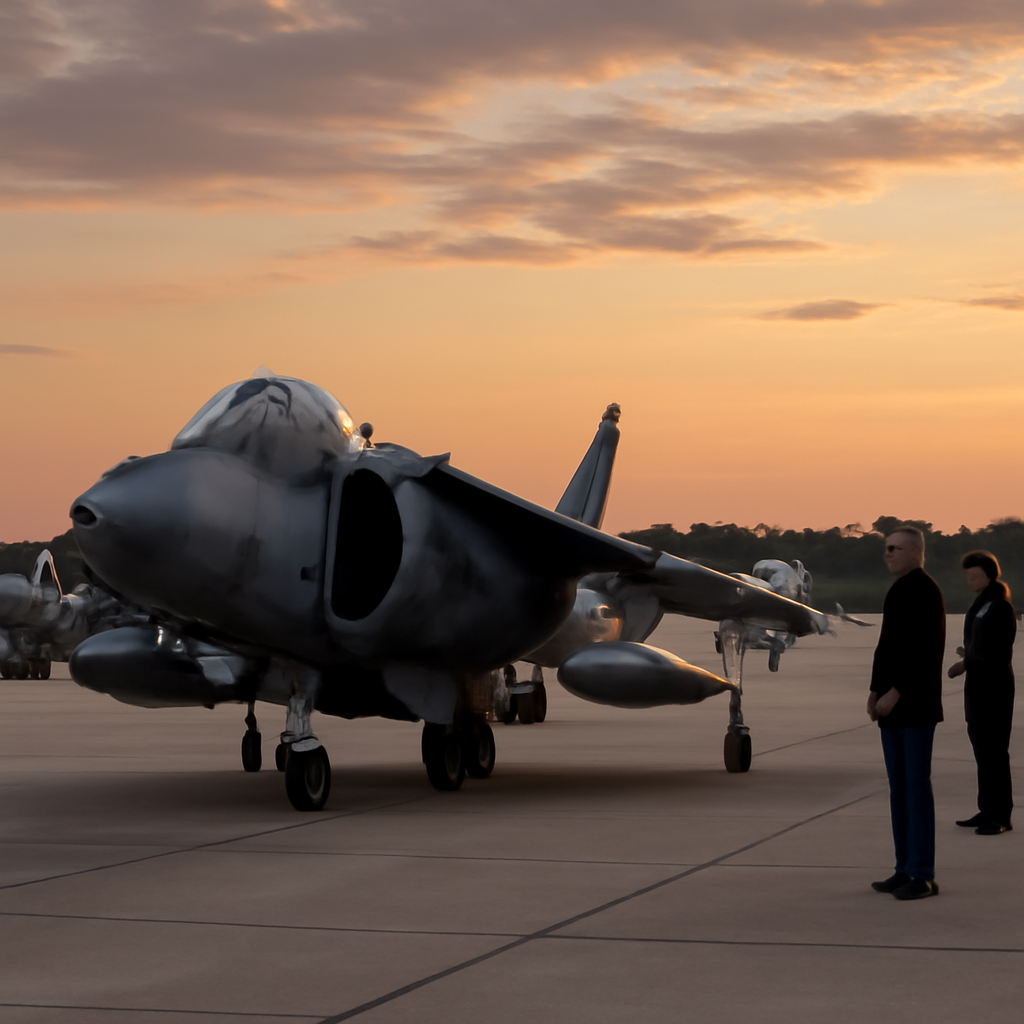
As the Marine Corps bids farewell to its trusty Harrier jets after 40 years of service, the highly skilled aircrew and maintenance teams are already soaring to new heights with their expertise on the cutting-edge F-35B. The Harrier's final flight at Marine Corps Air Station Cherry Point was a nostalgic sendoff, marked by a thrilling flyover of five legendary jets.
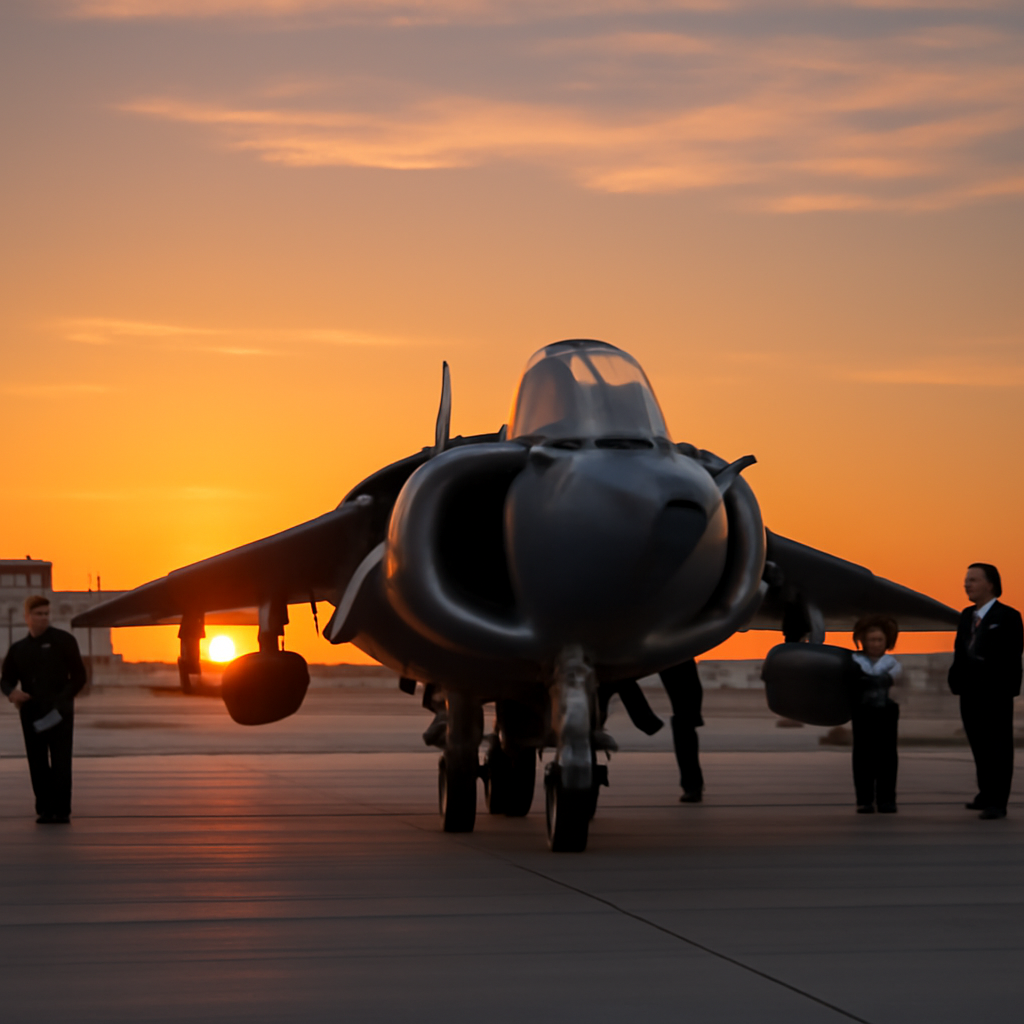
The US Marine Corps bid farewell to the iconic Harrier 'jump jet' after an impressive five-decade run, marking the end of an era in military aviation. The legendary aircraft's journey from British design rooms to US flight lines is a testament to innovation and perseverance.

As Deputy Prime Minister Richard Marles warned, the seabed is rapidly becoming a battlefield, posing a stark threat to Australia's undersea defenses, with a whopping 99 percent of the country's internet traffic relying on just 15 vulnerable subsea cables. This alarming exposure puts everything from financial services to healthcare and communications at risk of disruption.
No IT department, no security budget, real exposure. Nubivance builds right-sized security foundations for small companies. Send them this.
Send it along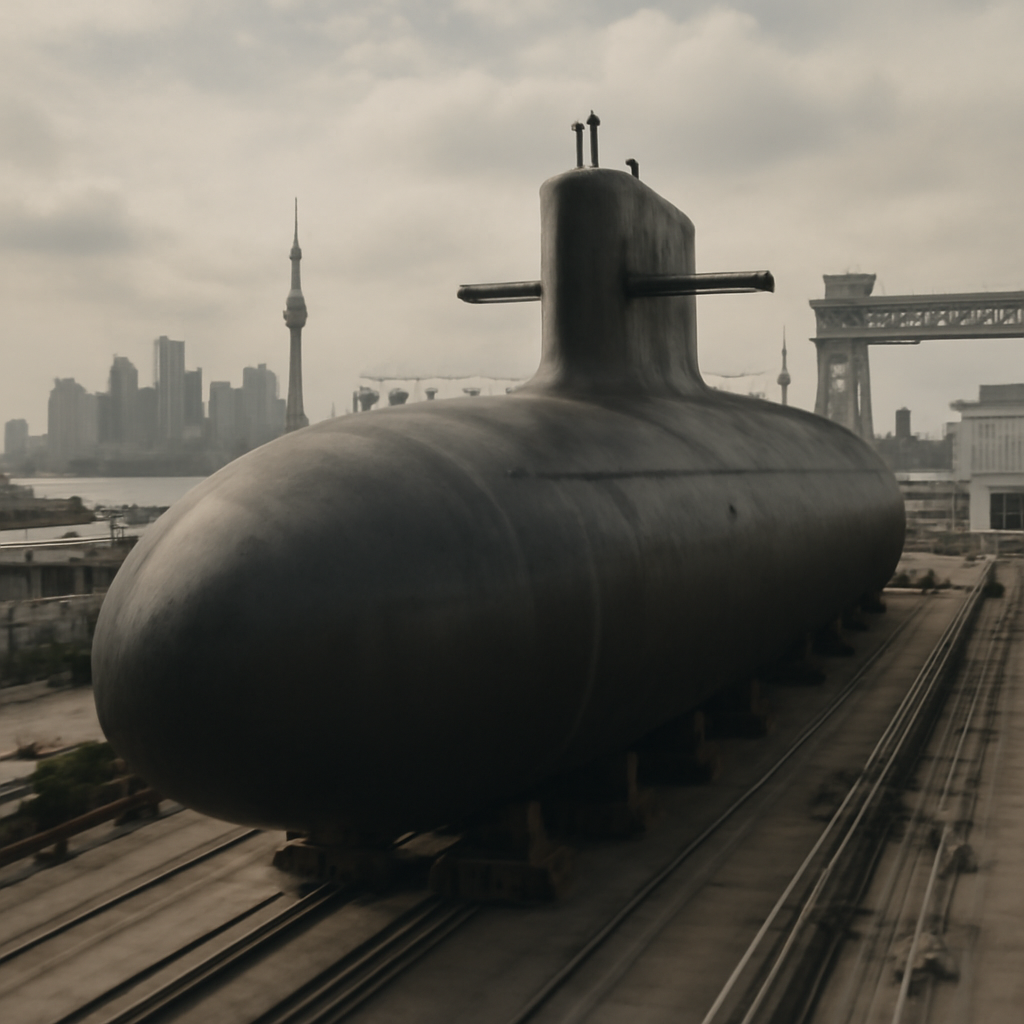
China has just revealed a massive, futuristic submarine without a traditional sail, sparking curiosity among naval enthusiasts and experts. This sleek, 394-foot-long vessel is taking shape at the JN Shipyard in Shanghai.

The Commission on US Cyber Force Generation is proposing a bold new vision: a separate Cyber Force military service that could require a whopping $10 billion to get off the ground. This game-changing plan outlines what it would take to create a distinct military branch focused on cyber operations.

Don't make the rookie mistake of thinking cyber threats are just an IT issue - the truth is, they're a matter of statecraft that requires a much broader perspective. Bharat Thakrar warns that ignoring this reality is like being a turkey blissfully unaware of the farmer's plans.

The US Special Operations Command has scrapped plans to replace its U-28 surveillance planes, with a full divestment of the fleet expected by 2029. Instead, the command will rely on alternative assets for intelligence, surveillance, and reconnaissance missions.

Tensions escalate in the region as Iran launches a barrage of ballistic missiles and drones at Kuwait and Bahrain, only to be thwarted by swift countermeasures from US and regional forces. The US Central Command reports that all Iranian missiles and drones were successfully intercepted or failed to reach their targets.

The GEOINT conference has emerged as a pivotal event for the intelligence community, offering a unique glimpse into the priorities of top agencies like the National Reconnaissance Office and National Geospatial-Intelligence Agency. This year's gathering presents a strategic window into the future of geospatial intelligence, where AI adoption and data sharing will shape the industry landscape.

Russia's Federal Security Service has blown the whistle on a massive smartphone spy operation allegedly carried out by foreign agencies, compromising the phones of senior officials and putting their integrity at risk. The shocking revelation raises questions about the extent of the breach and the credibility of the public attribution.

Russia is taking its relationship with the Taliban to the next level, with a new military deal that could have significant implications for regional security, particularly in neighboring Pakistan. The pact, which includes cooperation on air defence equipment, marks a major step towards a full-fledged partnership between Moscow and Kabul.