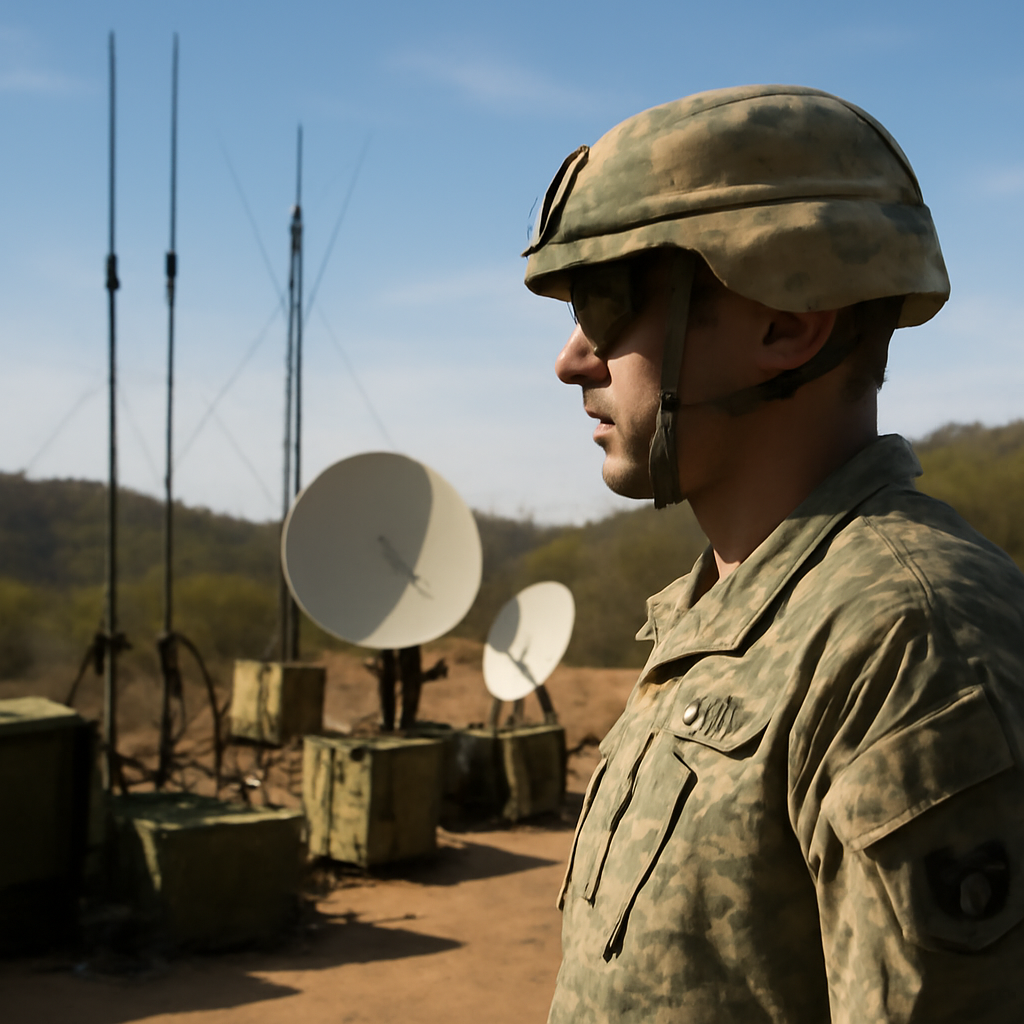
"moving towards a 'full-fledged partnership' with Kabul," Russian Security Council Secretary Sergei Shoigu said.
What Moscow and the Taliban actually signed
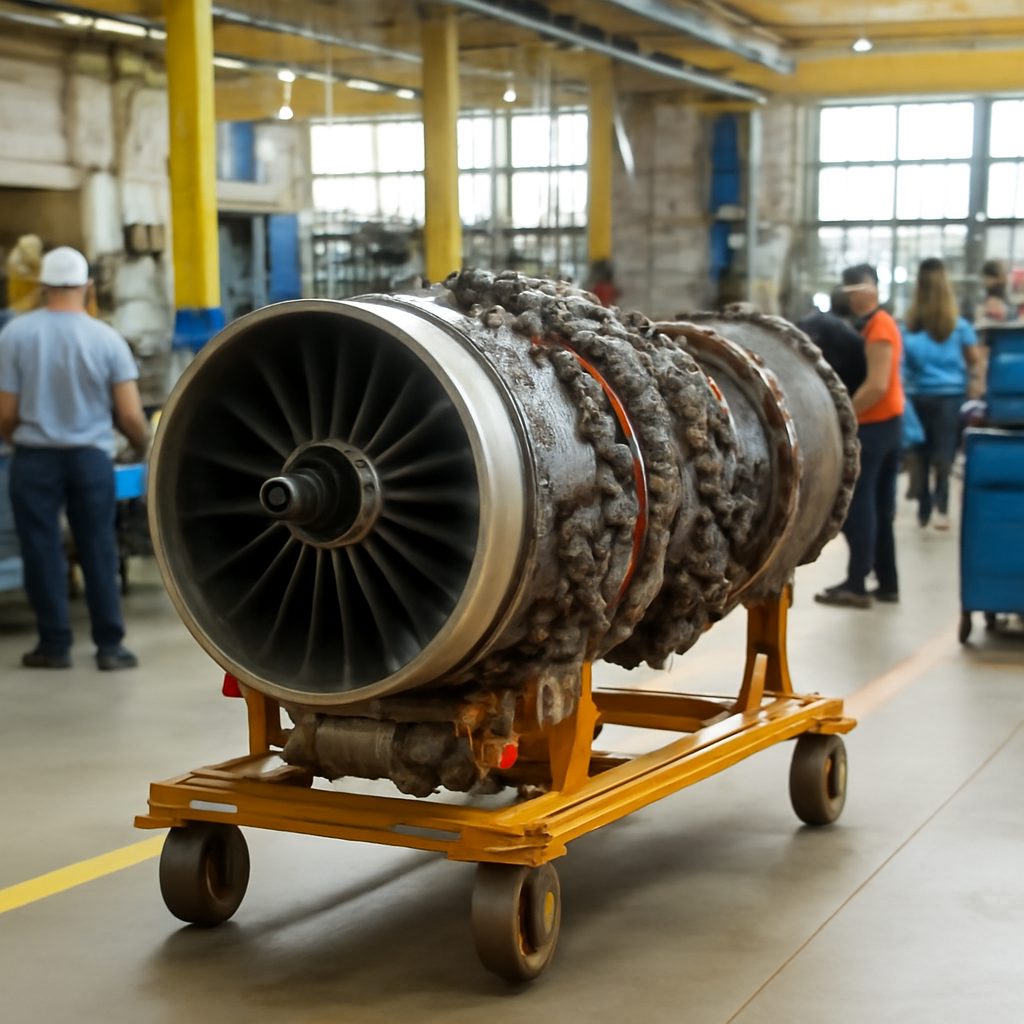
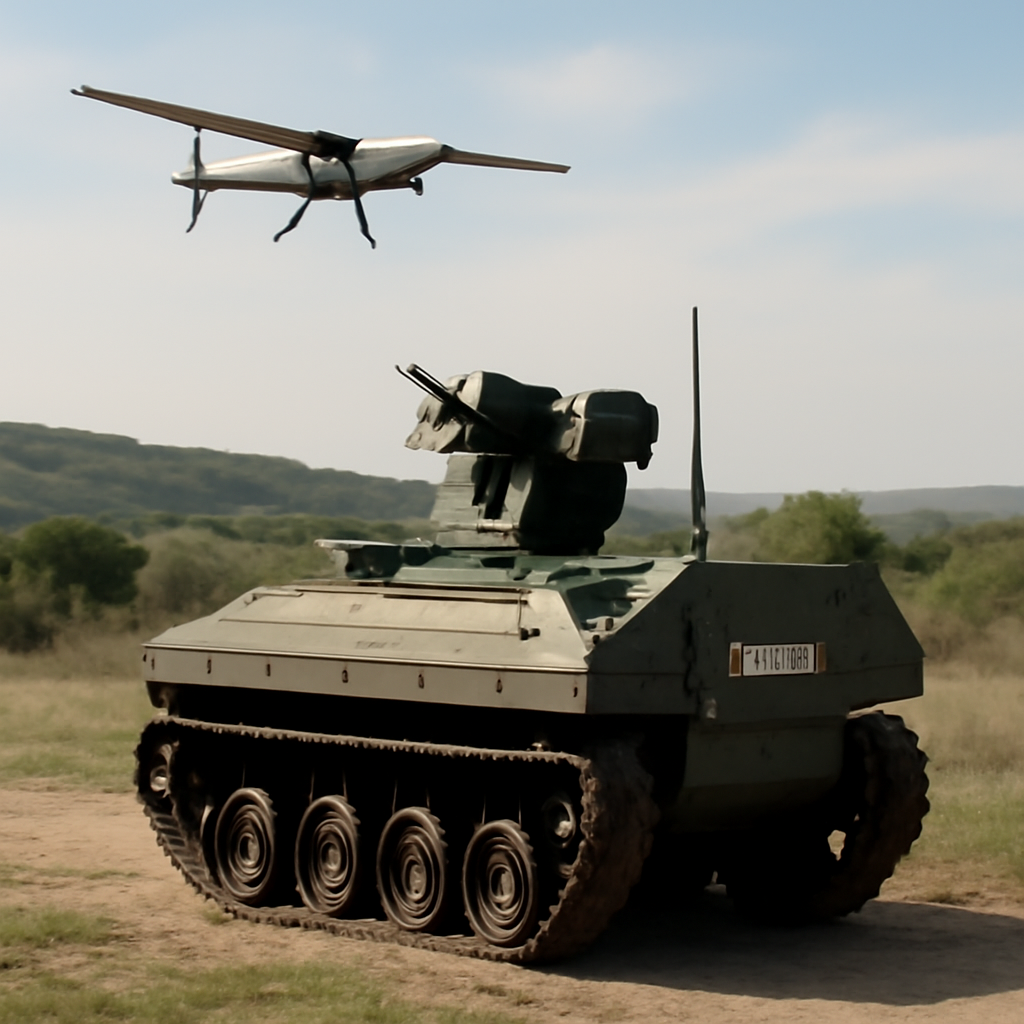
On May 27, 2026, Russia and the Taliban-led government in Afghanistan signed a military-technical cooperation framework at a security forum outside Moscow following talks between Sergei Shoigu and Afghan defence minister Mullah Mohammad Yaqoob Mujahid. The agreement’s specific terms were not made public, but the framework reportedly covers air defence equipment — including man-portable air-defence systems (MANPADS) — along with ground hardware, training and maintenance support. Shoigu’s language about a “full‑fledged partnership” and the formal nature of the document mark a clear diplomatic step: an enabling, permissive architecture for arms transfers, maintenance, technology exchange and joint work rather than an ironclad alliance or a fixed delivery schedule.
Why Islamabad read the deal as a pointed message
The timing — coming after a year of Pakistani air and drone strikes into Afghanistan’s border provinces — shaped how the package was received in Islamabad. Within days of the forum, Mullah Mohammad Yaqoob Mujahid framed the agreement as a response to those strikes, suggesting Afghanistan was now working to ensure Pakistan could not strike Afghan territory from the air again. That statement, the source notes, was widely read in Islamabad as a warning and served a strong domestic political purpose: a public signal that the Taliban leadership was addressing a perceived humiliation from repeated Pakistani strikes.

This site is the portfolio.
OSINTSights runs on Cloudflare Workers, D1, R2, and Vectorize, with an AI pipeline on Hetzner ARM. Nubivance designed, built, and operates it. We do the same for clients.
See what we buildWhy Pakistan’s Air Force is not the core technical worry
On a purely military-technical reading, the immediate threat to Pakistan Air Force (PAF) combat jets appears limited. The likely near-term content of the deal — refurbishment of Soviet‑era stocks, helicopter and aircraft maintenance, and a batch of MANPADS — does not assemble the layered, complex ground‑based networks that challenge a modern air force. The source notes Pakistan has experience operating in much denser air‑defence environments, citing Pakistan’s May 2025 confrontation with India and Pakistan’s claimed strikes against Indian air‑defence assets. Were Kabul to field larger strategic systems over time, Pakistan retains suppression and destruction of enemy air defences (SEAD/DEAD) procedures and could pair them with land‑based strikes through its Army Rocket Force Command to dismantle fixed radar and launcher sites before committing manned aircraft.
MANPADS proliferation: the real and enduring hazard
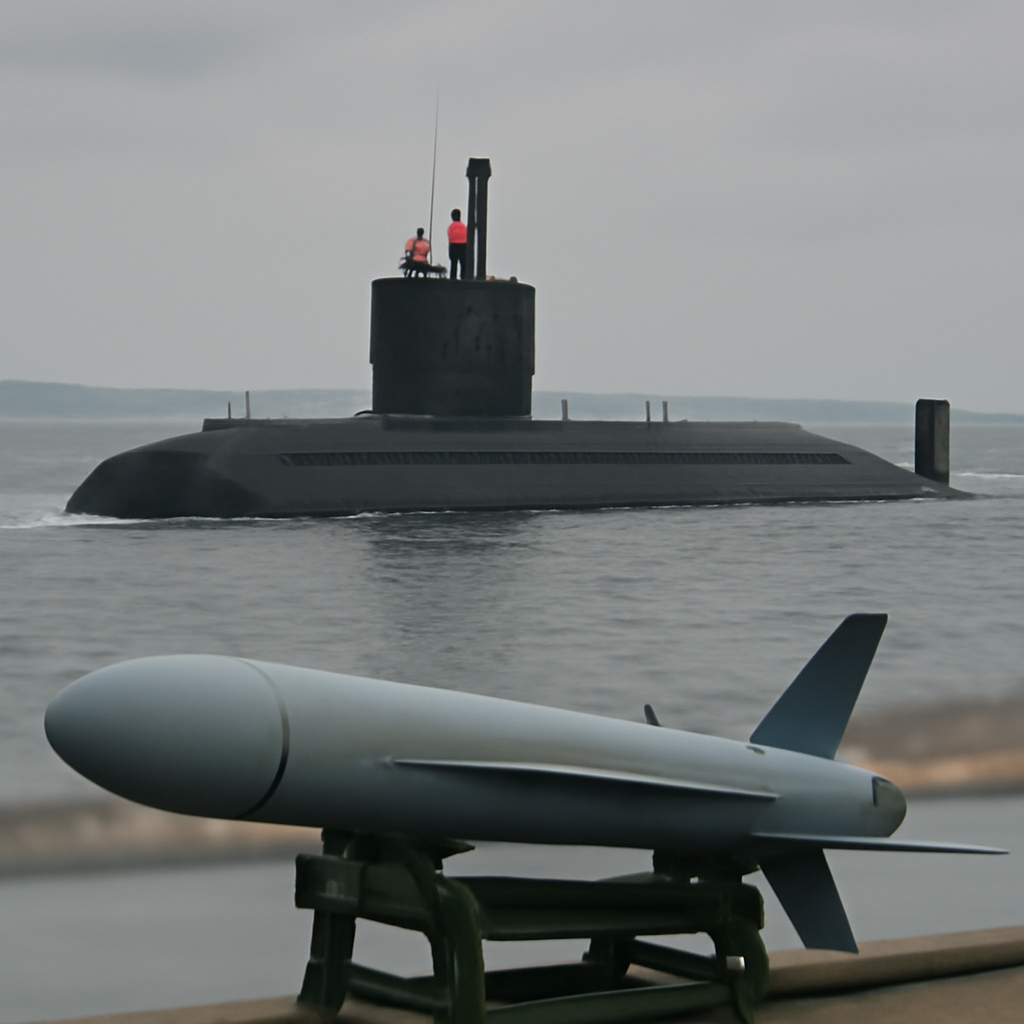
The most consequential risk is proliferation. The source traces a precedent to the 1980s: during Operation Cyclone the CIA supplied roughly 1,000 FIM‑92 Stinger MANPADS to the Afghan mujahideen and later struggled to recover them; by the mid‑1990s an estimated 600 of around 2,000 systems were unaccounted for. The principal danger from MANPADS is not to high‑altitude combat jets but to slow, low‑flying traffic — in particular civil airliners on approach and departure. The text documents past incidents that show the threat: a DHL Airbus A300 freighter was struck by an SA‑7‑type missile while climbing out of Baghdad in November 2003, and al‑Qaeda attempted to bring down an Israeli airliner leaving Mombasa in 2002. For Pakistan, a single smuggled launcher could threaten an airliner approaching Karachi, Gwadar or Islamabad. Proliferation is hard to contain because insurgent and militant custodial practices — decentralized storage, cross‑border personal ties and the potential for quiet sale by a single commander — make tracking and recovery difficult.
Why a headline system would be less worrying than small missiles
Much public attention has focused on whether the Taliban might acquire systems such as the S‑300 or S‑400. The source argues a large, medium‑ or long‑range system would paradoxically be the lesser worry: those batteries are visible, emit signals, are physically large and can be located and destroyed by a capable air force. MANPADS are the inverse — small, passive until launch, easily concealed and moved — which is why the source describes the arithmetic as an inversion: the more headline‑grabbing the system, the more manageable the threat; the more mundane and mobile the missile, the more dangerous its spread.
Ukraine, Pakistan and the strategic miscalculation
The agreement also reopened scrutiny of a decade of Pakistani policy toward Moscow. Russia has been a principal supplier to India, the source notes, while Pakistan has maintained defence ties with Kyiv for nearly three decades: around 320 T‑80UD tanks supplied in the late 1990s, an $85.6 million contract at IDEX 2021 to overhaul tanks, Ukrainian support for the Al‑Khalid tank’s 6TD engine family, contracts to overhaul Pakistan’s Ilyushin Il‑76 transport and tanker fleet, and Ukrainian expertise on the RD‑93 engine that powers the JF‑17. The report frames Pakistan’s non‑aligned posture between Moscow and Kyiv as a missed strategic opportunity: closer alignment with Kyiv, the piece argues, could have reduced Moscow’s inclination to arm Kabul and preserved leverage in Europe. Instead, the Afghan air‑defence file is now a recurrent test of whether Islamabad will adjust its posture.
The immediate hardware Russia sends Kabul may prove less decisive than the political choices that follow. If Islamabad determines it cannot absorb repeated cross‑border strikes or tolerate partners hosting hostile proxies without consequence, the source argues Pakistan needs enforceable red lines and tangible returns for its alignments rather than warm words. The Afghan air defence file will be a recurring test of whether Pakistan changes course.
Source: Quwa — “Is Russia’s Air Defence Deal With the Taliban a Threat to Pakistan?”