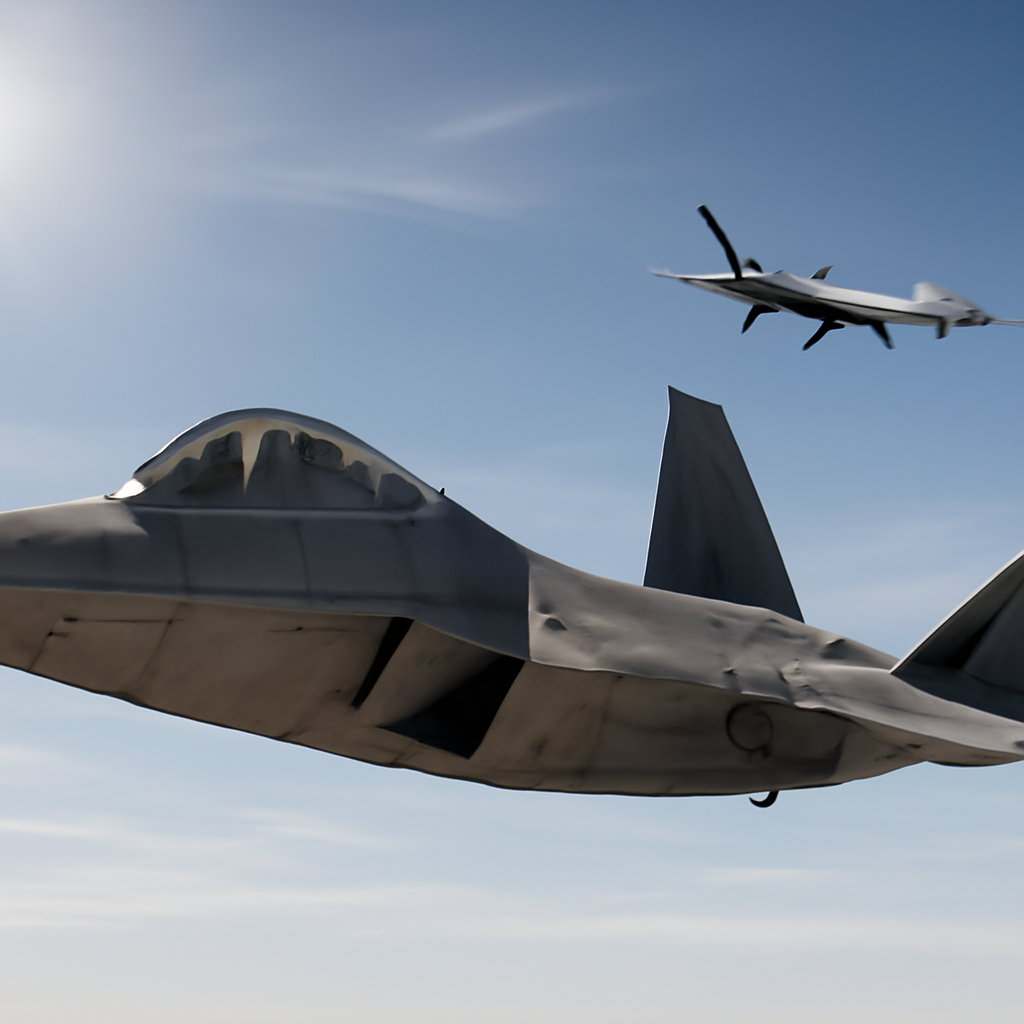
"As the Harrier era concludes, its highly experienced aircrew and maintenance personnel are transitioning their skills to other platforms, primarily the F-35B, ensuring their expertise continues to benefit Marine Corps Aviation," the Marine Corps’ aviation plan said.
Final flight and sundown ceremony at Marine Corps Air Station Cherry Point
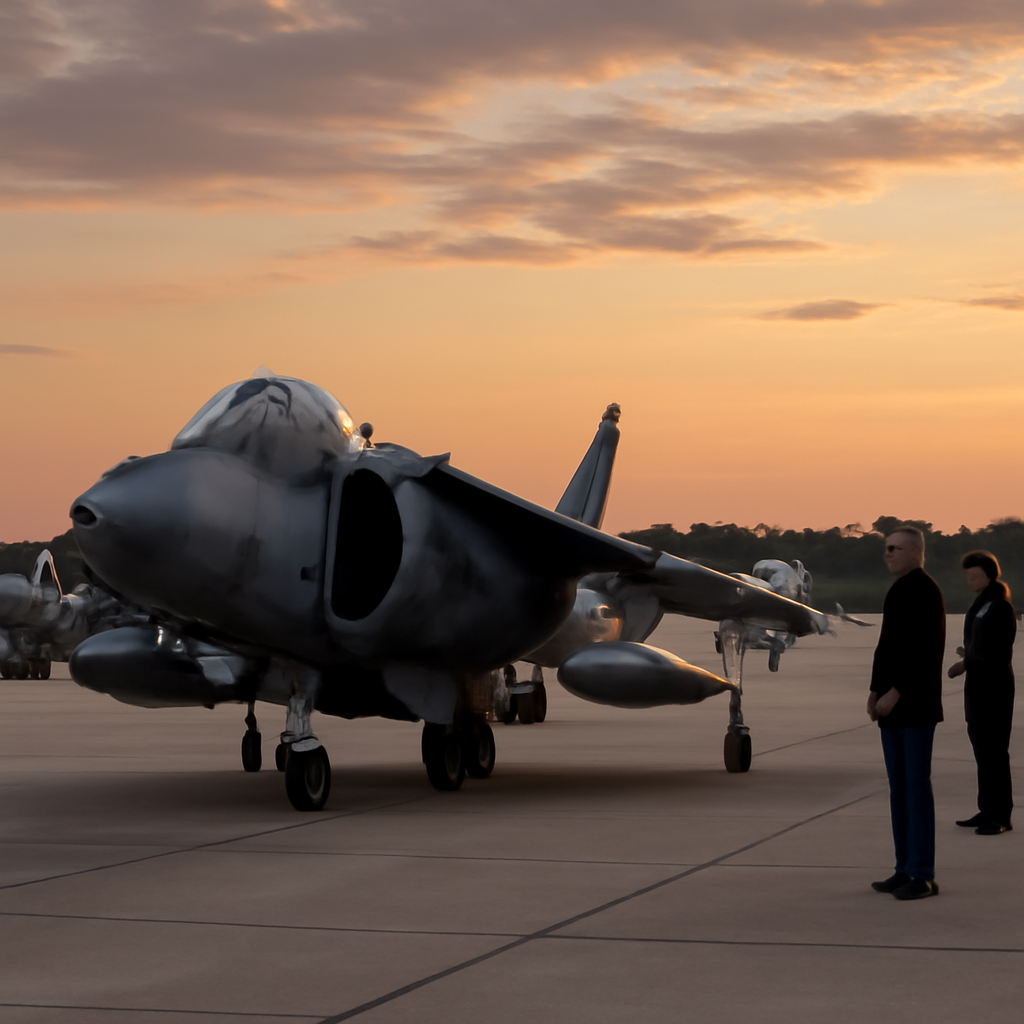
The Marine Corps’ AV-8B Harrier II completed its final flight today at Marine Corps Air Station Cherry Point in North Carolina as part of a sundown ceremony that formally closed more than four decades of service for the short takeoff and vertical landing ground attack jet. The ceremony included a flyover featuring five Harriers, underscoring the aircraft’s distinctive capability even as the fleet retires them.
Operational history and the Harrier's capabilities
The Harrier family has a long service record in the Marine Corps. The AV-8A Harrier first entered the service in 1971; the upgraded AV-8B Harrier II arrived in 1985. According to Naval Air Systems Command, the aircraft were capable of deploying and operating from carriers as well as from other "seagoing platforms," expeditionary airfields, and remote tactical landing sites — capabilities that defined the Harrier’s operational niche for decades.

This site is the portfolio.
OSINTSights runs on Cloudflare Workers, D1, R2, and Vectorize, with an AI pipeline on Hetzner ARM. Nubivance designed, built, and operates it. We do the same for clients.
See what we buildLast deployment: Marine Attack Squadron 223 and the 22nd MEU
The Marine Corps’ final Harriers were assigned to Marine Attack Squadron 223 and were last deployed with the 22nd Marine Expeditionary Unit. The 22nd MEU concluded a 10-month deployment on Monday; the squadron returned to Cherry Point on May 20, and Marines and sailors assigned to the 22nd MEU began returning home on Monday. During that deployment the 22nd MEU supported operations in U.S. Southern Command amid the Trump administration’s naval buildup there, leading up to Venezuelan leader Nicolas Maduro’s ouster in January.
Tactical Aircraft Transition Plan and the move to fifth‑generation aircraft
The Harrier’s retirement is described by the Marine Corps as a significant milestone in the service’s Tactical Aircraft Transition Plan as it moves to fully adopt fifth‑generation aircraft across the entire fleet. The Marine Corps’ 2026 Aviation Plan, released in February, set expectations that a final flight would occur in June and detailed efforts to preserve the Harrier’s legacy in museums across the United States.
What this means for Marine Attack Squadron 223, the 22nd MEU, and Marine Corps Aviation
- Marine Attack Squadron 223: The squadron returned to Cherry Point on May 20 and delivered the Marine Corps’ last operational Harriers home after deployment, closing a chapter in the unit’s platform history.
- The 22nd Marine Expeditionary Unit: Having completed a 10‑month deployment that included support to U.S. Southern Command, the 22nd MEU has begun the process of homecoming for Marines and sailors who operated alongside the Harrier during its final operational deployment.
- Marine Corps Aviation: As the service retires the AV‑8B, personnel — both aircrew and maintenance — are being transitioned to other platforms, primarily the F‑35B, a deliberate element of the Tactical Aircraft Transition Plan intended to retain institutional expertise while shifting to fifth‑generation capabilities.
The Harrier’s sundown at Cherry Point closes a visible chapter in Marine aviation: an aircraft designed for flexibility — carriers, seagoing platforms, expeditionary strips, and austere sites — is being retired as the service restructures around new technology and platforms. The Marine Corps has signaled parallel efforts to honor that legacy through museum preservation while moving operationally toward the capabilities described in the 2026 Aviation Plan.
Read the original story: https://breakingdefense.com/2026/06/marine-corps-harrier-completes-final-flight-following-southcom-deployment/