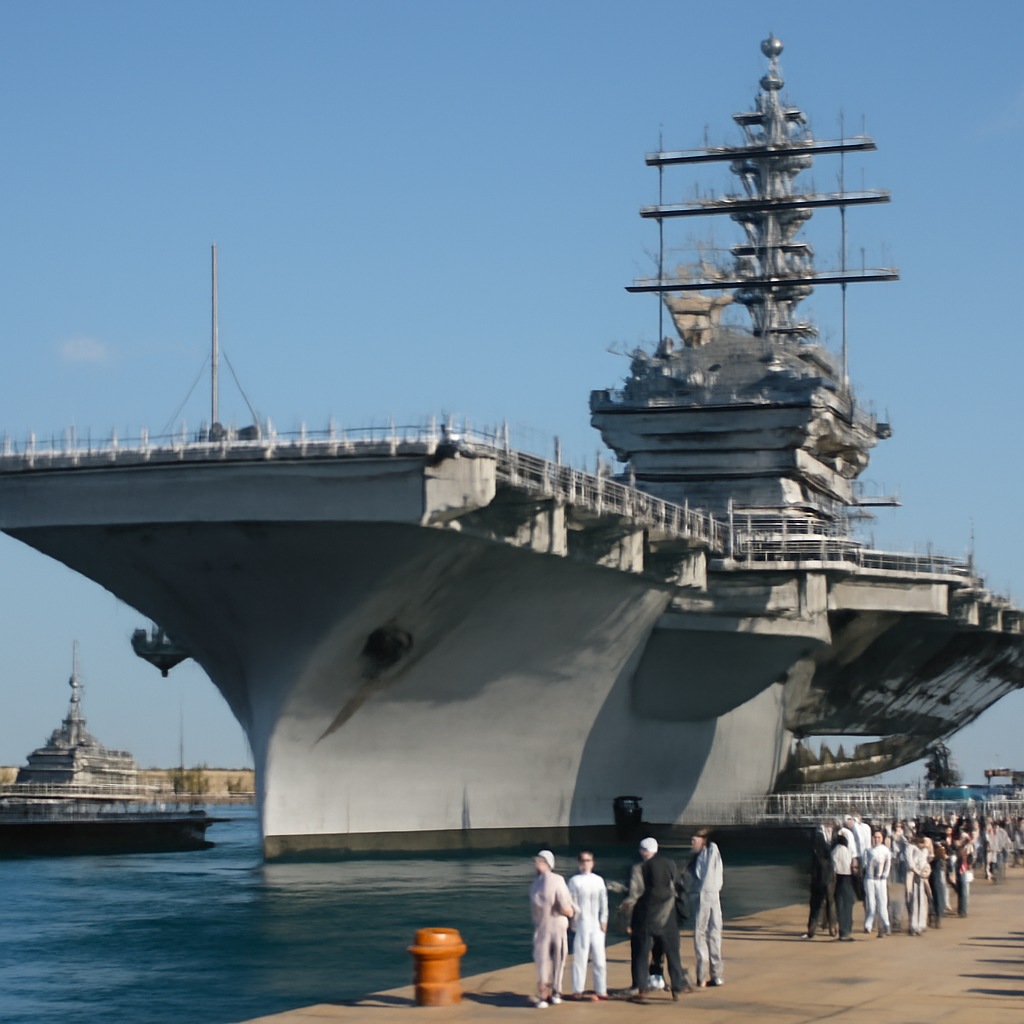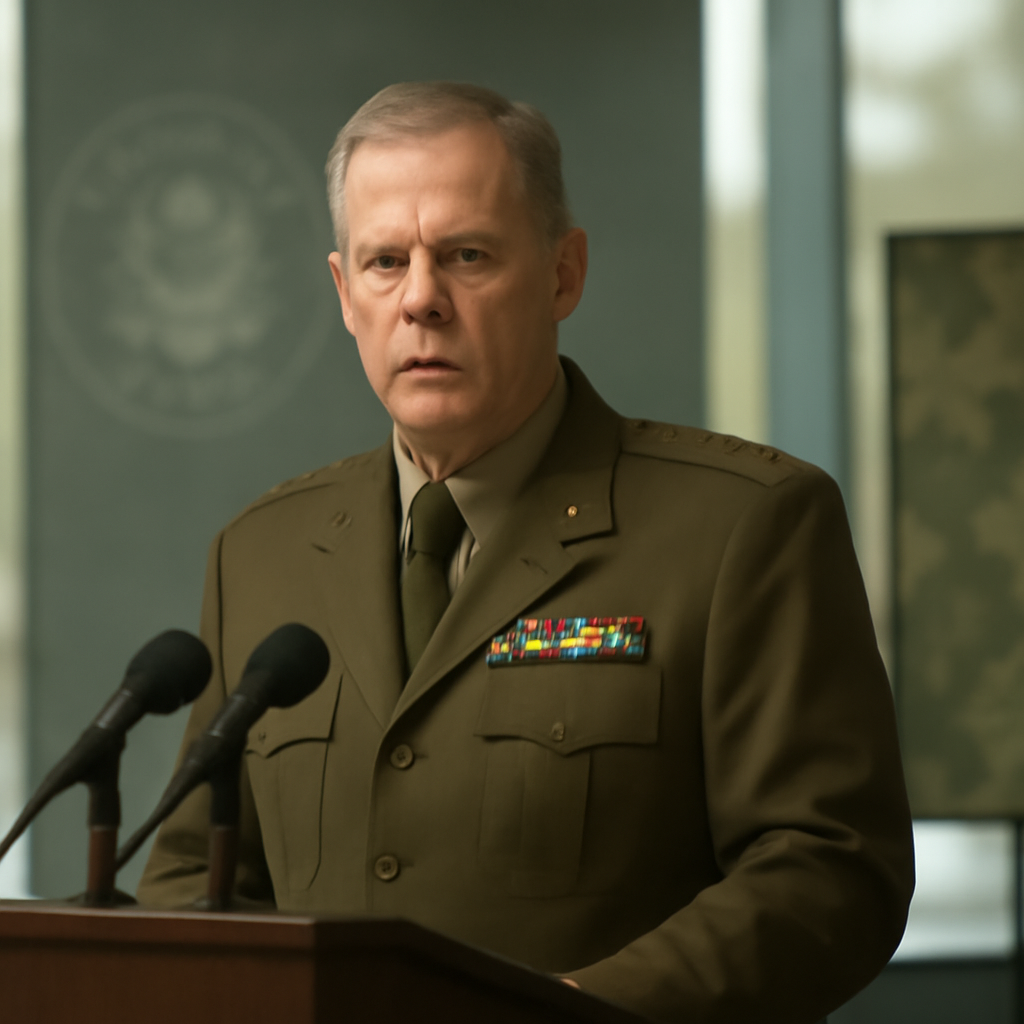
“‘the seabed is becoming a battlefield,’” Deputy Prime Minister Richard Marles warned at the Shangri‑La Dialogue on 30 May, framing a risk that Taiwan says it has been confronting since February 2023 and that Australian officials are increasingly acknowledging.
Marles’ warning and Australia’s exposure
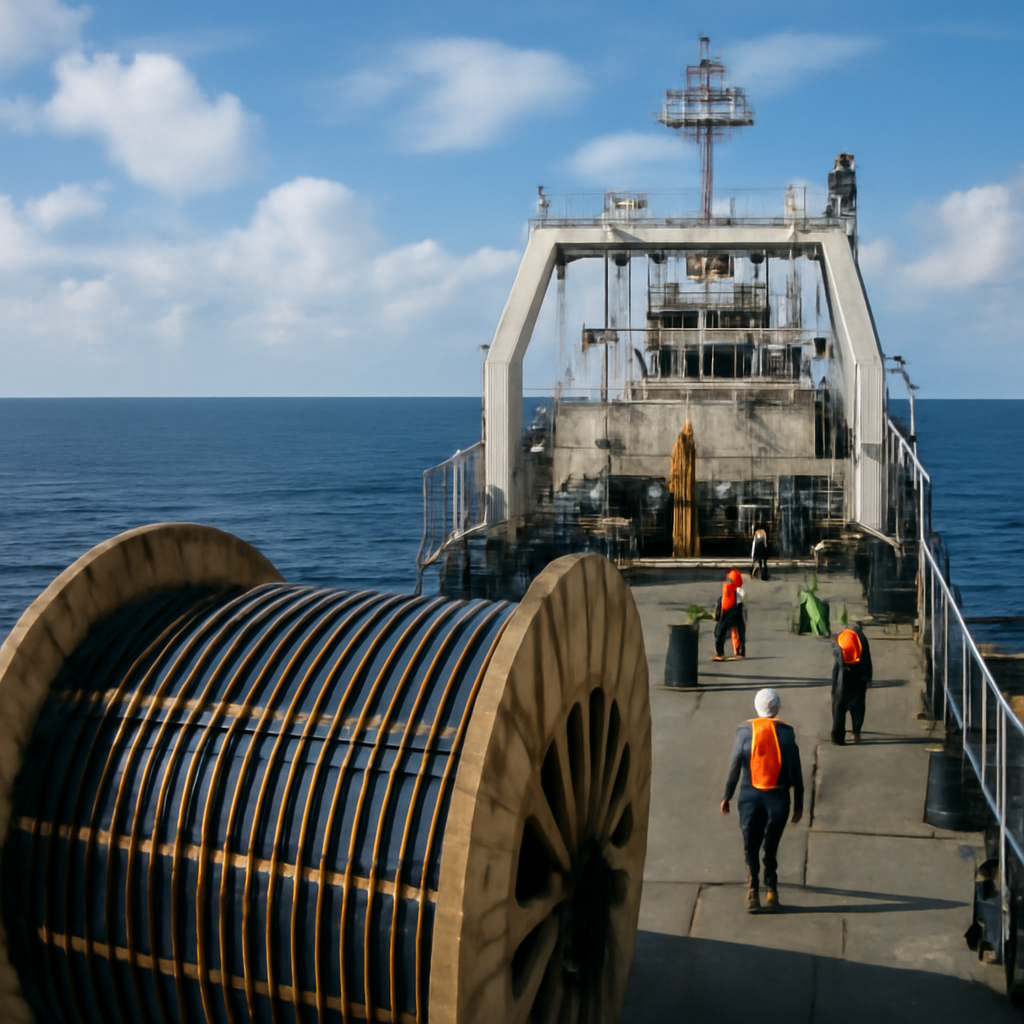
At Shangri‑La, Mr Marles tied a strategic vulnerability to concrete numbers: about 99 percent of Australia’s internet traffic flows through just 15 subsea cables. The implication is stark in the source material — financial services, health systems, communications and the wider economy all depend on physical assets that are hard to protect and easy to disrupt. Australia already maintains cable protection zones, a Cable Connectivity and Resilience Centre, and investments across the Pacific, and Marles has publicly called for stronger information sharing, better vessel monitoring, updated laws and closer use of port‑state measures.
Taiwan’s operational record since February 2023
According to the source, Taiwan has spent three years confronting an operating environment defined by suspect vessel behaviour, tracking anomalies and the limits of existing maritime enforcement tools. That frontline experience includes repeated practical work assessing vessels sailing under flags of convenience, unclear ownership structures, irregular tracking behaviour and prolonged activity near sensitive infrastructure. The article stresses that these cases do not resolve every attribution problem, but they do provide a baseline for identifying patterns earlier and responding more effectively.

Audit-ready is a season. It shouldn't be.
Evidence in spreadsheets, controls drifting between audits, frameworks multiplying on flat headcount. Nubivance runs continuous compliance on Rapid7 Cyber GRC - SOC 2, HIPAA, ISO 27001, PCI, CMMC.
End the scrambleDocumented cable incidents: January–June
The source lists specific incidents that shaped Taiwan’s learning curve. On 3 January 2025, an international subsea cable off Taiwan’s northern coast was severed; Taiwanese authorities suspect a foreign‑flagged cargo vessel operating in the area was responsible. The following month, a Togo‑flagged ship severed the cable linking Taiwan’s main island and the Penghu Islands. In June, a Taiwanese court jailed the vessel’s Chinese captain for three years for intentionally damaging the cable. The conviction is presented in the source as important, but the broader value lies in the accumulation of operational data that followed repeated incidents.
AUKUS Pillar Two and uncrewed undersea systems
The source notes that AUKUS’s first signature project under Pillar Two will develop advanced payloads and enabling systems for uncrewed undersea vehicles. Those systems are intended to improve protection of critical seabed infrastructure, along with surveillance and reconnaissance. Taiwan’s experience, the article argues, sits outside AUKUS but is complementary — offering operational lessons about vessel behaviour and legal grey areas that could inform capability development without requiring changes to Australia’s policy settings.
What this means for policymakers, technologists, and affected enterprises
- Policymakers and regulators: Australia’s existing measures — cable protection zones, the Cable Connectivity and Resilience Centre, and Pacific investments — are already in place; Marles has called for stepped‑up information sharing, updated laws and use of port‑state measures to close practical gaps.
- Technologists and defence planners: AUKUS Pillar Two work on uncrewed undersea vehicles will seek to deliver payloads and systems for detection, surveillance and protection; the source suggests these efforts could be informed by Taiwan’s operational patterns and tracking anomalies.
- Affected enterprises and the public: Because critical services rely on a small set of cables, the operational lessons and legal outcomes described by Taiwan bear directly on resilience planning for financial services, health systems and communications providers.
The article’s central contention is practical and specific: Australia need not change policy settings to benefit from Taiwan’s experience; it must begin by recognising the operational value of lessons already learned. Mr Marles raised the danger in Singapore; Taiwan, the source concludes, has already spent years working on part of the answer.