[SPONSOREDNUBIVANCE]
Know a small business winging it on security?
No IT department, no security budget, real exposure. Nubivance builds right-sized security foundations for small companies. Send them this.
Send it along
India's defense minister issued a stern warning to Pakistan, hinting that the Indian Navy could be the first to strike if provoked again. The threat came amid heightened tensions and a show of naval force during a confrontation in May 2025.

As Congress heads back to Washington, a pressing agenda awaits - specifically, crucial defense spending decisions that will shape the nation's security and priorities. The House and Senate will face big defense spending priorities when they reconvene in September.

A DIA insider has pleaded guilty to leaking classified information to foreign spies, admitting to betraying his oath and putting national security at risk. The shocking case began with a single email in March 2025, sparking a months-long undercover operation that ultimately led to his arrest.

The US Army needs to shift its focus from predicting the future to adapting to the unexpected, because the next crisis will likely arrive with little warning. By optimizing for uncertainty, the Army can respond effectively to surprise attacks and rapidly evolving situations.
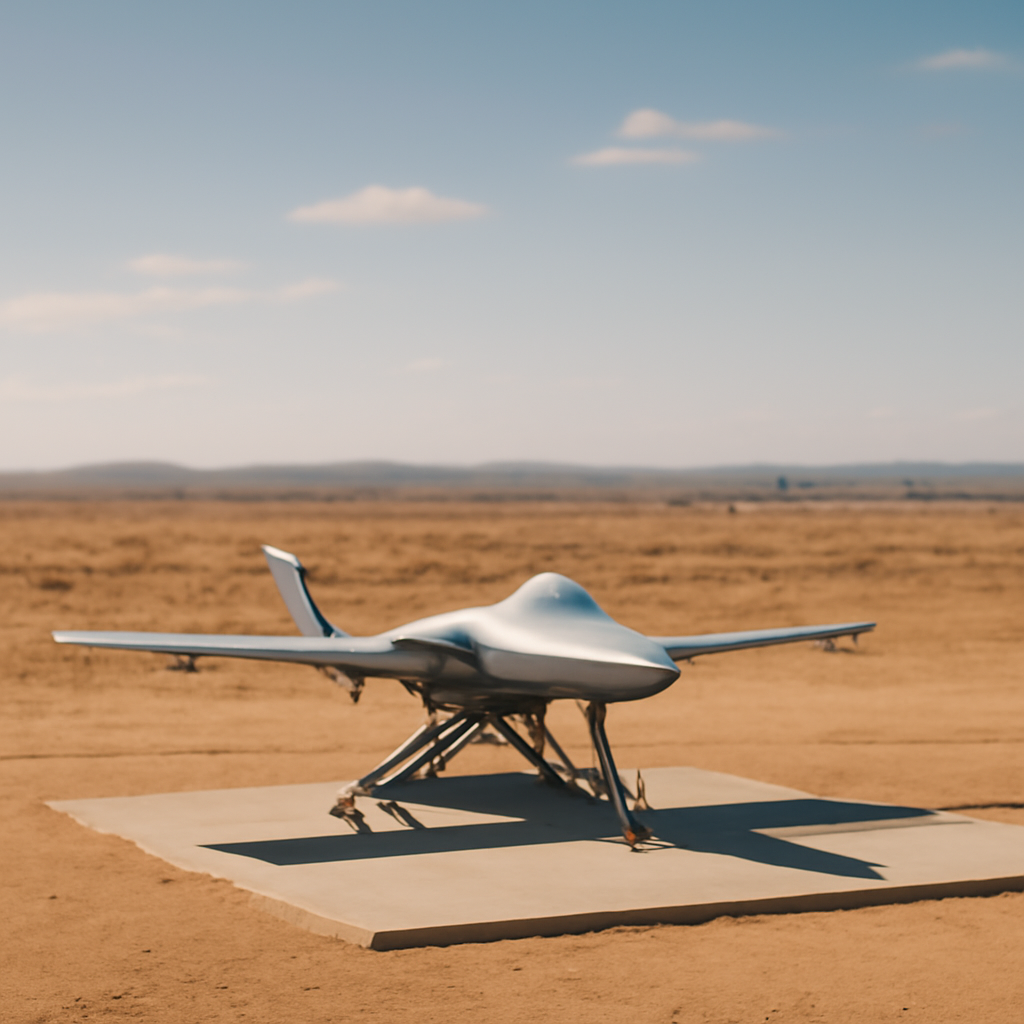
Australia's neighbors are taking a bold leap forward with drone technology, with a recent test featuring over 100 autonomous systems flying for an impressive 560 hours - and it's time for Australia to take note. The country's Northern Territory is poised to play a key role in this space, with plans to establish Darwin as a sustainment hub for uncrewed systems and a proving ground for next-gen equipment.
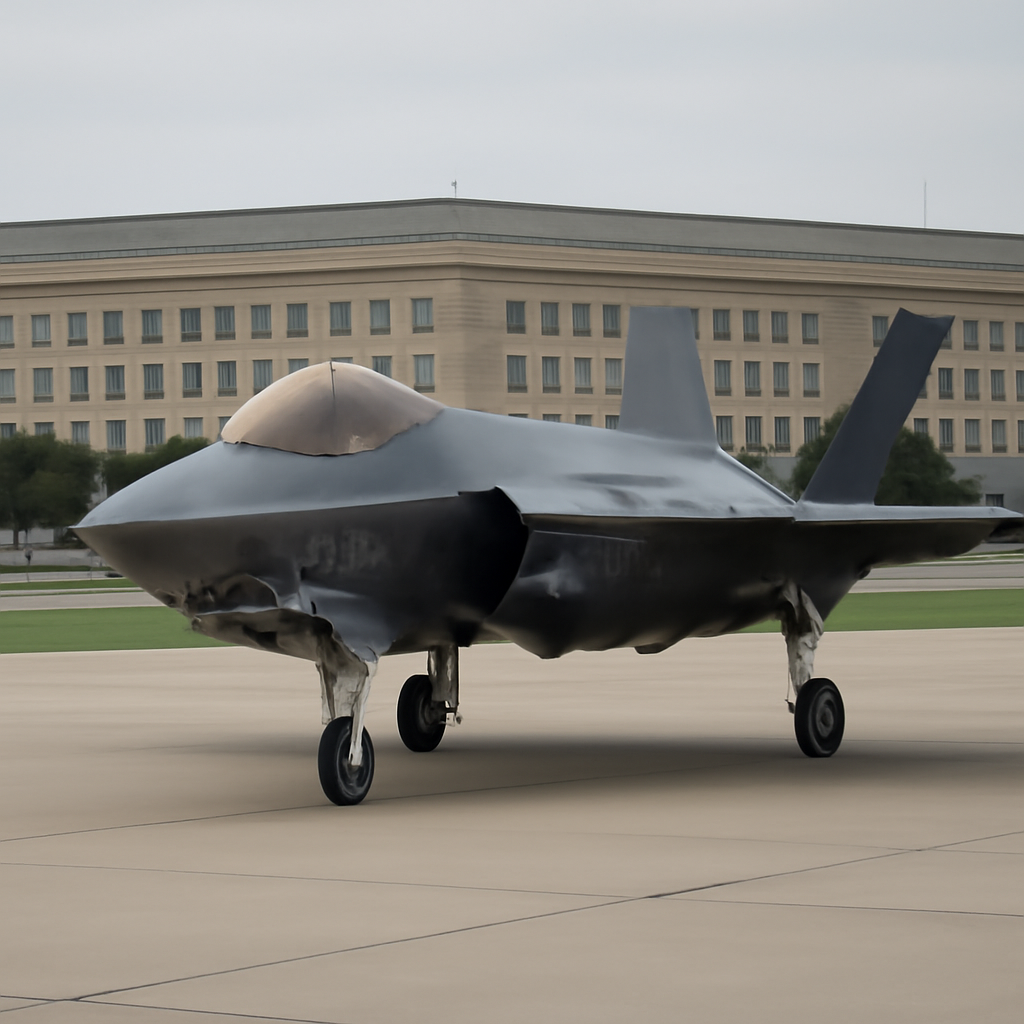
The Pentagon just revised its estimate of the F-35's lifecycle costs down to $1.93 trillion, a significant drop from the previously reported $2 trillion price tag. This updated figure includes all development, procurement, operating, and sustainment costs over the jet's expected service life.

EDGE Group is teaming up with the Brazilian army to launch a groundbreaking Cyber Defense Centre of Excellence, positioning Brazil as a leader in Latin American cyber excellence. This strategic partnership combines cutting-edge tech, expertise, and knowledge to bolster Brazil's cyber defenses.
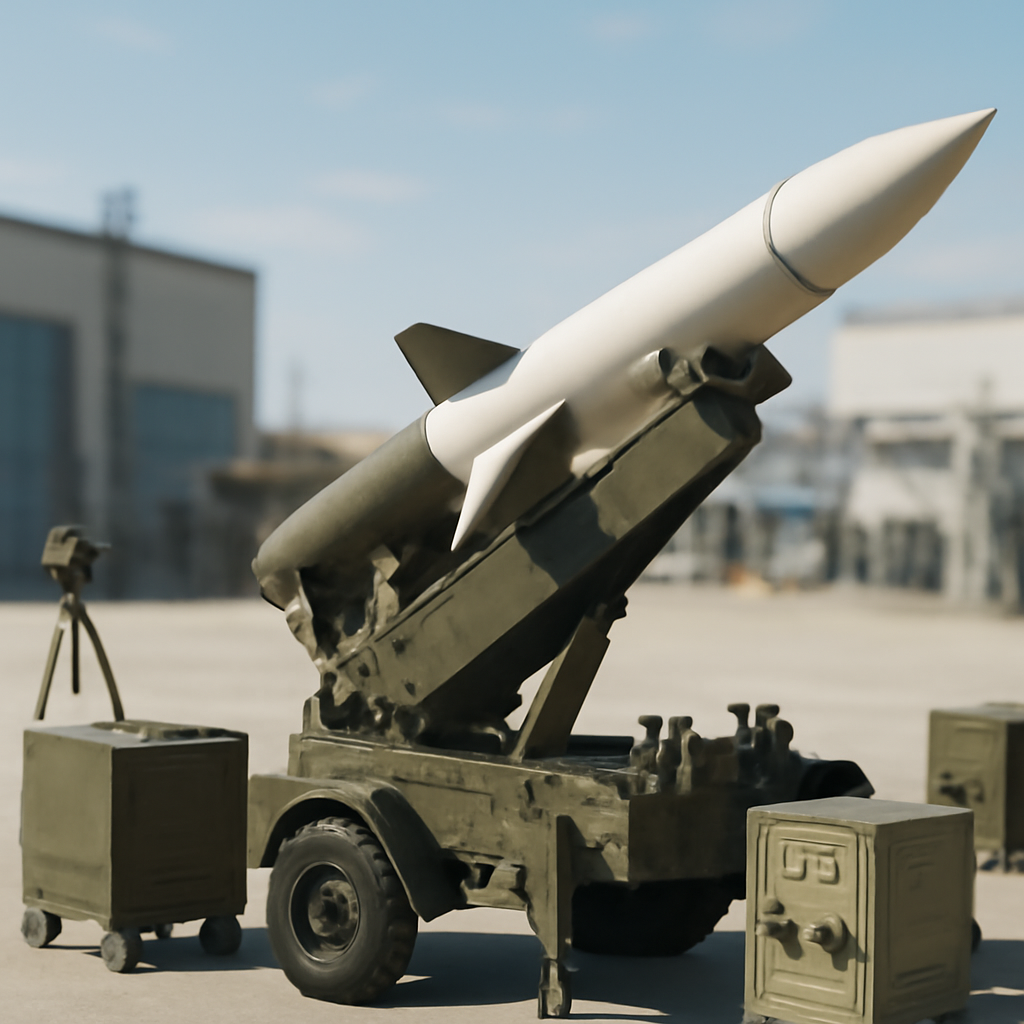
The US Army is on the hunt for a game-changing Stinger Missile Replacement, with plans to purchase 11,000 new interceptors and 2,200 portable launchers by 2028. They're now seeking innovative solutions, with a demonstration planned for Spring 2027 that could lead to a major procurement award.
No IT department, no security budget, real exposure. Nubivance builds right-sized security foundations for small companies. Send them this.
Send it along
The Pentagon is seeking a historic $1.5 trillion defense budget, but faces an uphill battle on Capitol Hill as Congress juggles multiple complex bills. A solid budget resolution is crucial, with Sen. Jack Reed saying it would put lawmakers in a much better position to move forward.
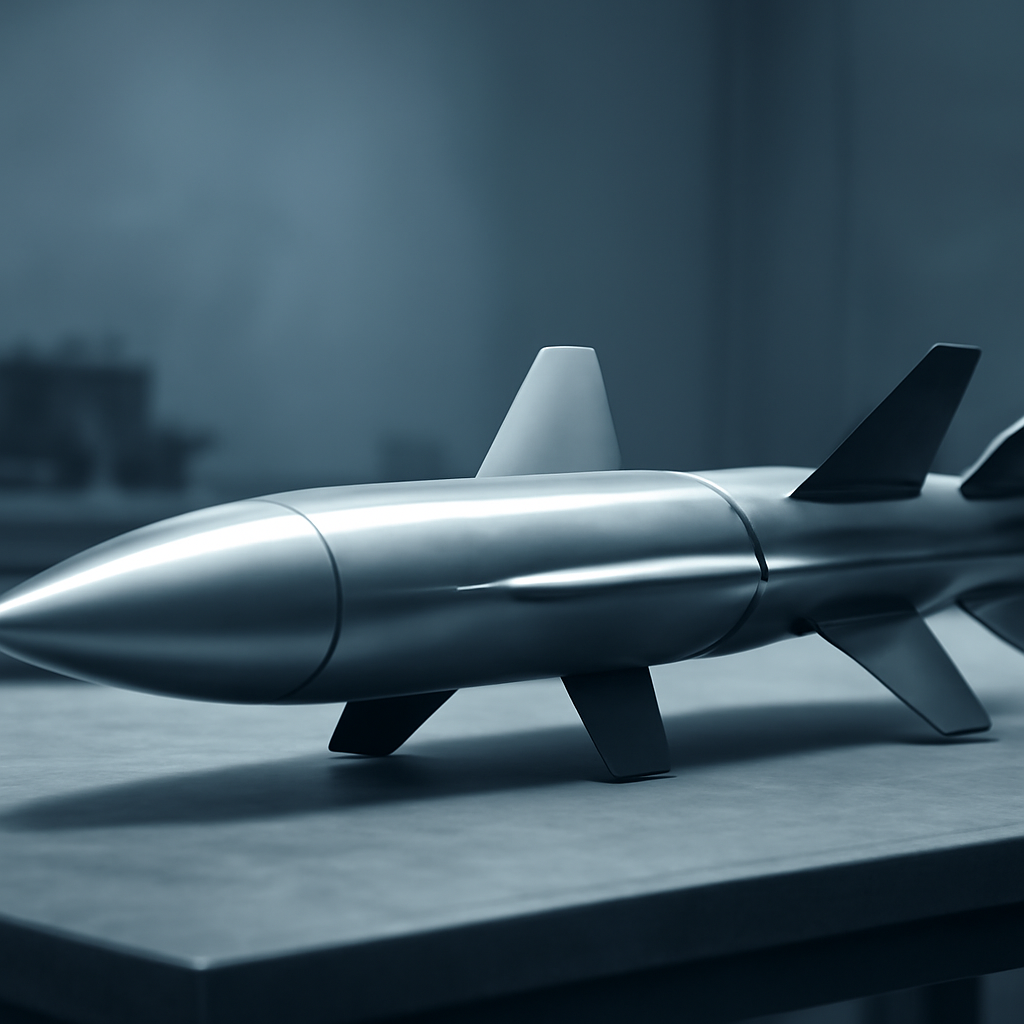
Europe is racing to upgrade its air missile arsenal to counter emerging threats, driven by recent military showdowns like the tense exchanges between Pakistan and India. France's Comet program, led by MBDA, is at the forefront, promising a next-gen missile with greater range and speed by 2030.
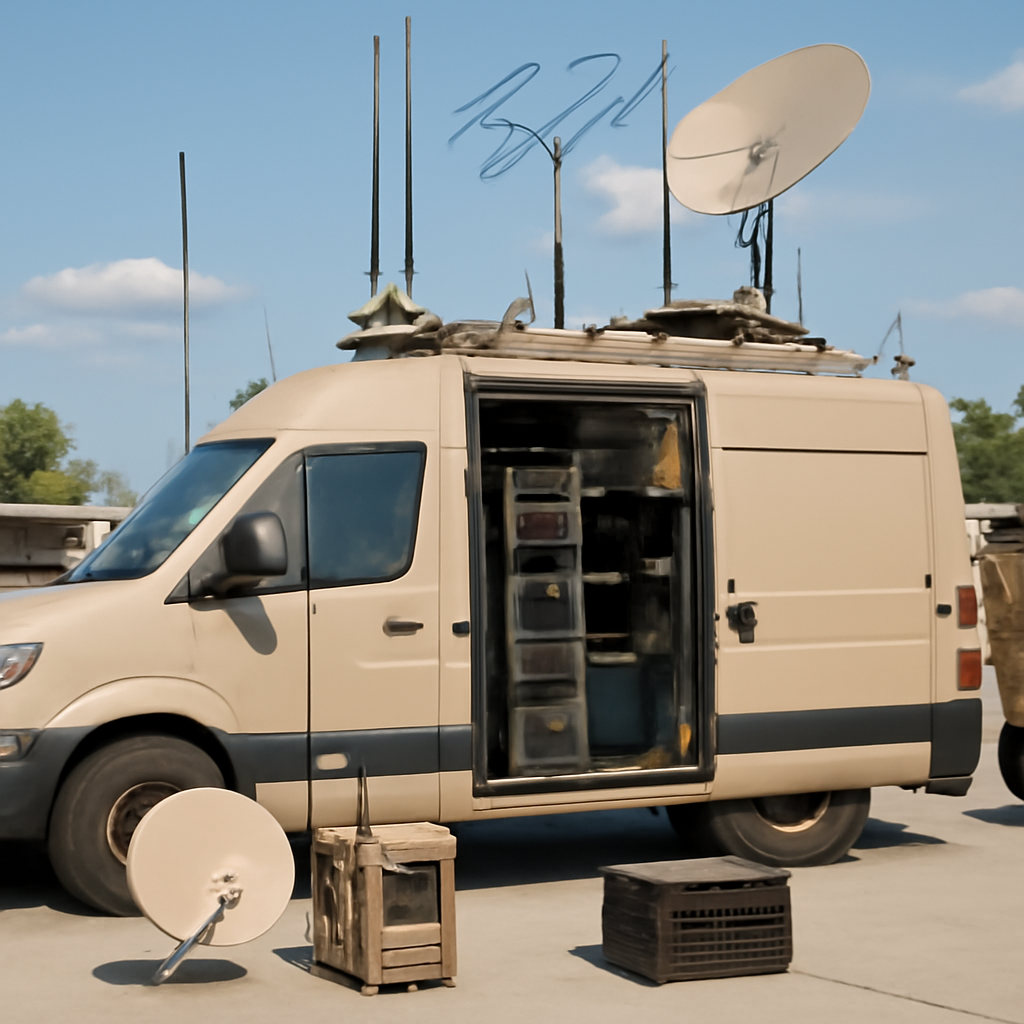
The Air Force is revolutionizing its command and control communications, ditching its old model of bulky, 10-pallet comms packages that required 40-person teams to deploy, and embracing a leaner, more agile approach. Brig. Gen. Jeffrey Phillips, deputy chief of staff for warfighter communications and cyber systems, is spearheading the change.
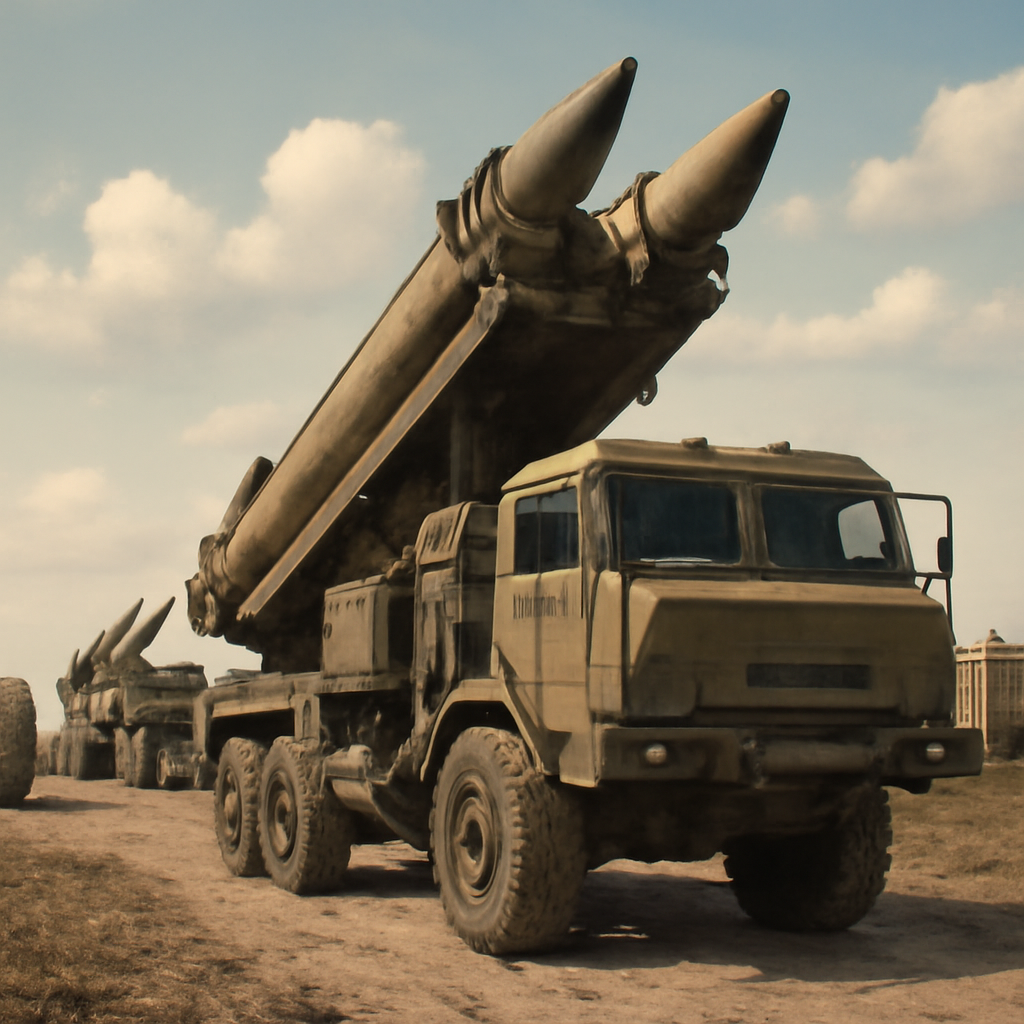
Russia just took a significant leap in its military capabilities, deploying upgraded Iskander missiles with a staggering 550km range, capable of striking targets with unprecedented precision. This game-changing move has dramatically shifted the battlefield dynamics between Russia and Ukraine.
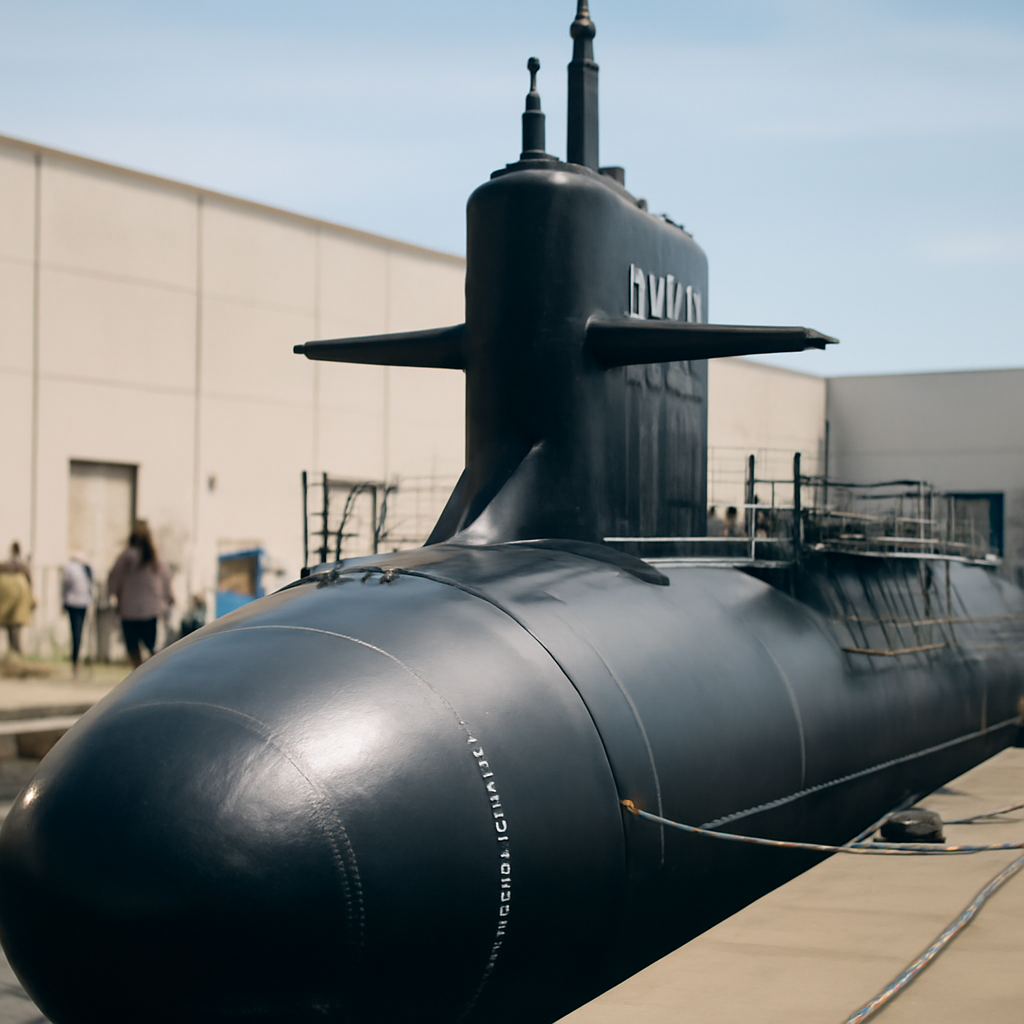
The Navy has racked up a whopping $3.4 billion in unnecessary costs over the past decade due to maintenance delays and idle time for its attack submarines. This staggering bill could balloon even further if the Navy can't find a way to mitigate the issue, with an additional $3.1 billion on the table by 2030.

The US Space Force is struggling to tap into the potential of commercial satellite intelligence, citing hurdles like steep licensing costs, usage restrictions, and concerns about long-term data access. Commercial satellite imagery has already proven its worth, helping US agencies track Chinese aircraft carriers and monitor Ecuadorian airstrips.

As winter approaches, Ukraine is racing to strengthen its defenses against Russia's relentless attacks on its power grid, with President Volodymyr Zelensky warning that the battle for control of the skies will determine the war's outcome. Kyiv urgently needs at least 300 Patriot PAC-3 interceptors, but faces challenges in securing them due to depleted American stocks and production constraints.

The US Army is ramping up its air-defense game by embracing a diverse range of interceptors to stay ahead of evolving missile threats. Lt. Gen. John Rafferty reveals why a varied arsenal is key to countering growing drone and missile attacks in today's conflict zones.
Evidence in spreadsheets, controls drifting between audits, frameworks multiplying on flat headcount. Nubivance runs continuous compliance on Rapid7 Cyber GRC - SOC 2, HIPAA, ISO 27001, PCI, CMMC.
End the scramble
NASA is on the hunt for a high-performance jet to replace its aging T-38 Talons, which have been a trusty sidekick for astronaut training since the 1960s. The space agency is seeking industry insights on modern jet trainers that can meet its spaceflight readiness training needs.

The Pentagon is putting $5 billion on the table to tackle the critical minerals crisis, a pressing concern for national security and the defense industrial base. Kyle Bass of Rochefort Asset Management is taking a strategic approach, investing $450 million in established critical minerals companies with proven products and revenue.

The Army is fast-tracking its Terrestrial Layer System‑Echelons Above Brigade (TLS‑EAB) - a long-range ground jammer program - into production by 2027, after pivoting from its original plan to meet rapidly evolving operational demands. This move comes after over five years of development and testing.

China's influence game is heating up - instead of winning over new diplomatic allies, it's now targeting Taiwan's representative offices, pressuring them to close, relocate or rebrand to enforce its One China principle. This strategic shift comes as Beijing finds it tougher to sway Taiwan's remaining formal diplomatic partners.
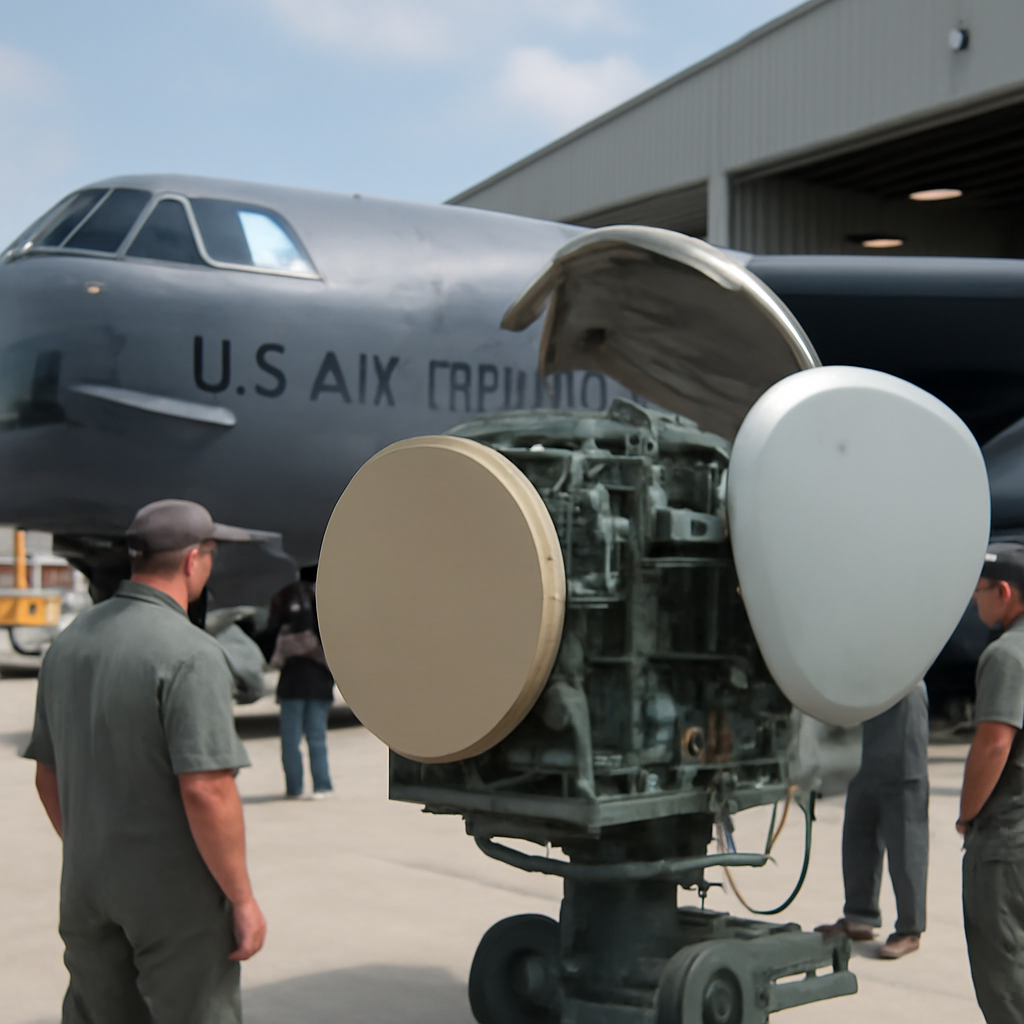
The US Air Force just took a major step forward with its $2.9 billion B-52 Radar Modernization program, awarding two new contracts worth $766 million to RTX/Raytheon and Boeing to upgrade the bombers' radar systems and bomb rack equipment. This move comes despite a Government Accountability Office report warning that the program may deliver less capability at a higher cost.

NATO's speedy adoption of the Maven Smart System - a cutting-edge AI-enabled decision-support tool - sets a powerful precedent for Indo-Pacific allies, showcasing how quickly innovative tech can be deployed to drive significant benefits, including $6 million in annual savings. This landmark acquisition, completed in just six months, paves the way for faster and more effective tech integration in the region.
The US Air Force has awarded Boeing a whopping $131.2 billion contract to support the F-15 family through production, upgrades, and sustainment, a deal that will run through August 2037. This massive Eagle Crest contract is set to streamline future F-15 requirements and accelerate delivery of critical capabilities to the warfighter.
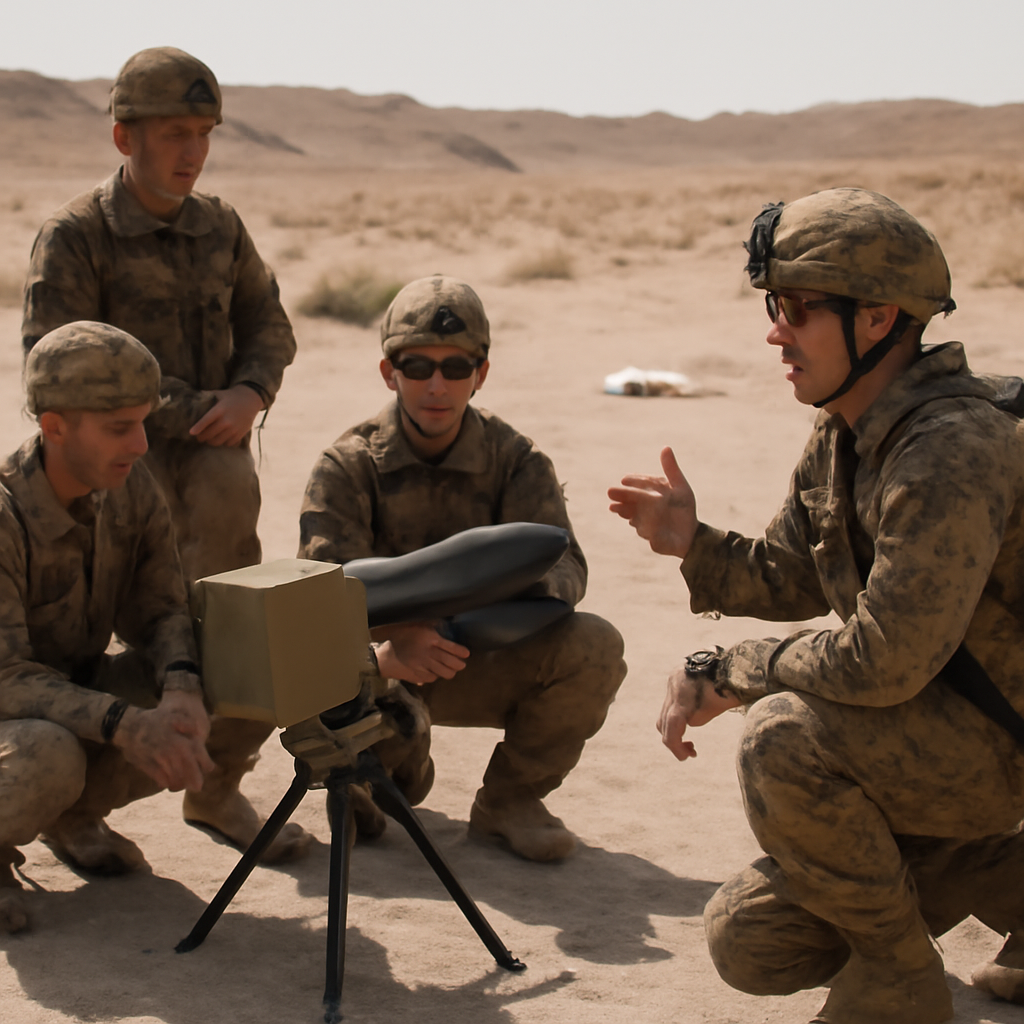
The US Marine Corps is tackling the growing drone threat by arming its smallest units with countermeasures, filling a critical gap in its defense capabilities. This move is part of a new doctrine, GCE 2040, which reimagines ground combat in a world where drones, sensors, and AI are increasingly prevalent.