Tag: national security
2618 articles
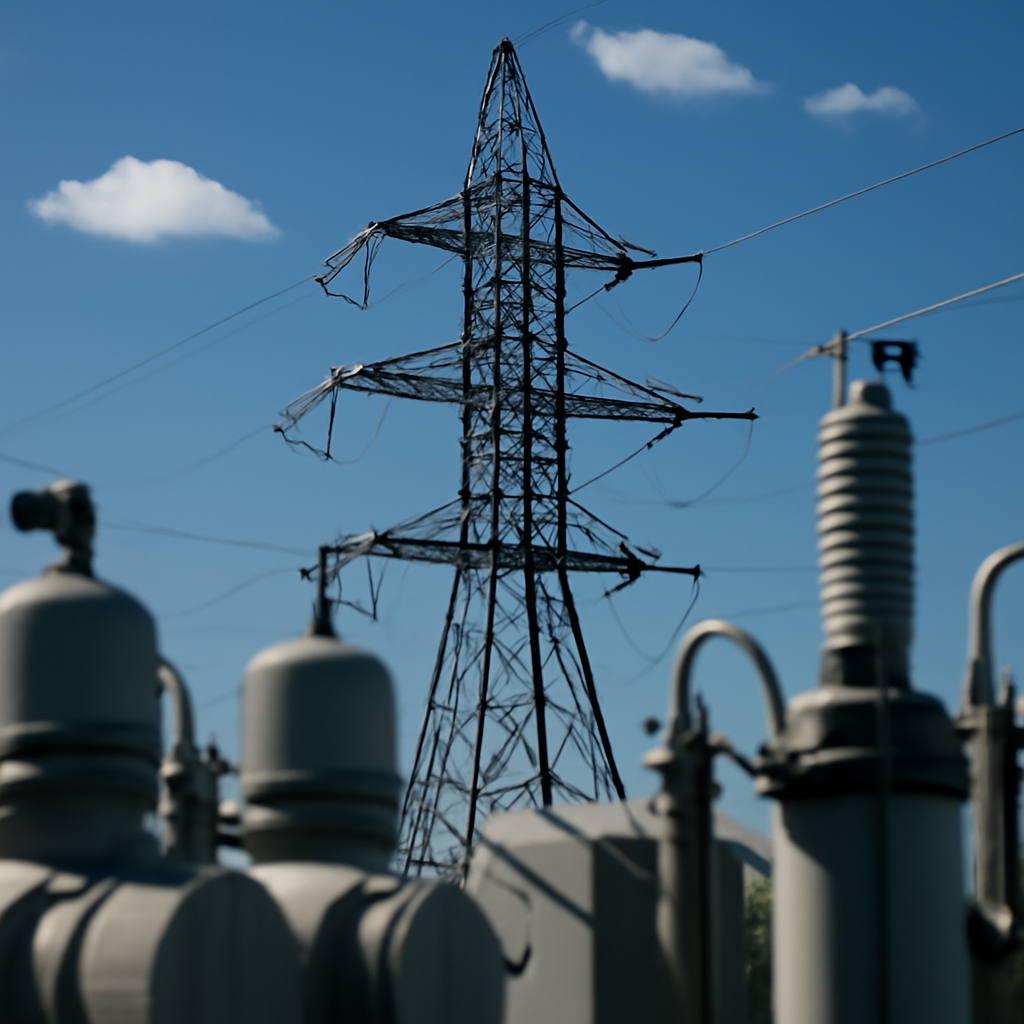
Trump Signs Order to Mitigate Foreign Cyber Risks in US Energy Infrastructure
President Trump has signed an executive order declaring a national emergency to shield America's energy infrastructure from foreign cyber threats, specifically targeting malicious activities that could compromise the bulk-power system. This move aims to block risky foreign-produced equipment, software, and systems from being installed in US energy infrastructure.
FBI Disrupts China-Linked QTFY Hacking Infrastructure
The FBI has successfully dismantled a global hacking operation linked to China, used to target critical US infrastructure, in a major cyber disruption. This crackdown targeted a China-sponsored hacking group, QTFY, and its operator, Nanjing Xinjiuwei Network Technology Company.

Australia Urged to Reset Strategic Compass with 'West Asia' Focus
Australia's vulnerability to fuel price shocks, supply chain disruptions, and social cohesion challenges makes it crucial to reassess its strategic priorities with a renewed focus on West Asia. By resetting its strategic compass, Australia can better navigate the complex dynamics of this critical region.

India, Indonesia Forge Maritime Corridor with Sabang Port Development
As India and Indonesia join forces to develop the Sabang port in northern Sumatra, the stage is set for a thriving maritime corridor that could link the region and unlock new economic opportunities. Will this strategic partnership spark commercial success and, in turn, bring modest security benefits to the area?

Man Poses as NSA Hacker, Supreme Court Justice, Faces Charges
Meet Joshua Culver, aka "Maverick Young", a man who allegedly impersonated an NSA hacker and Supreme Court Justice, landing him in hot water with the law. He's now facing charges for falsely impersonating an officer and using a forged judge's signature.
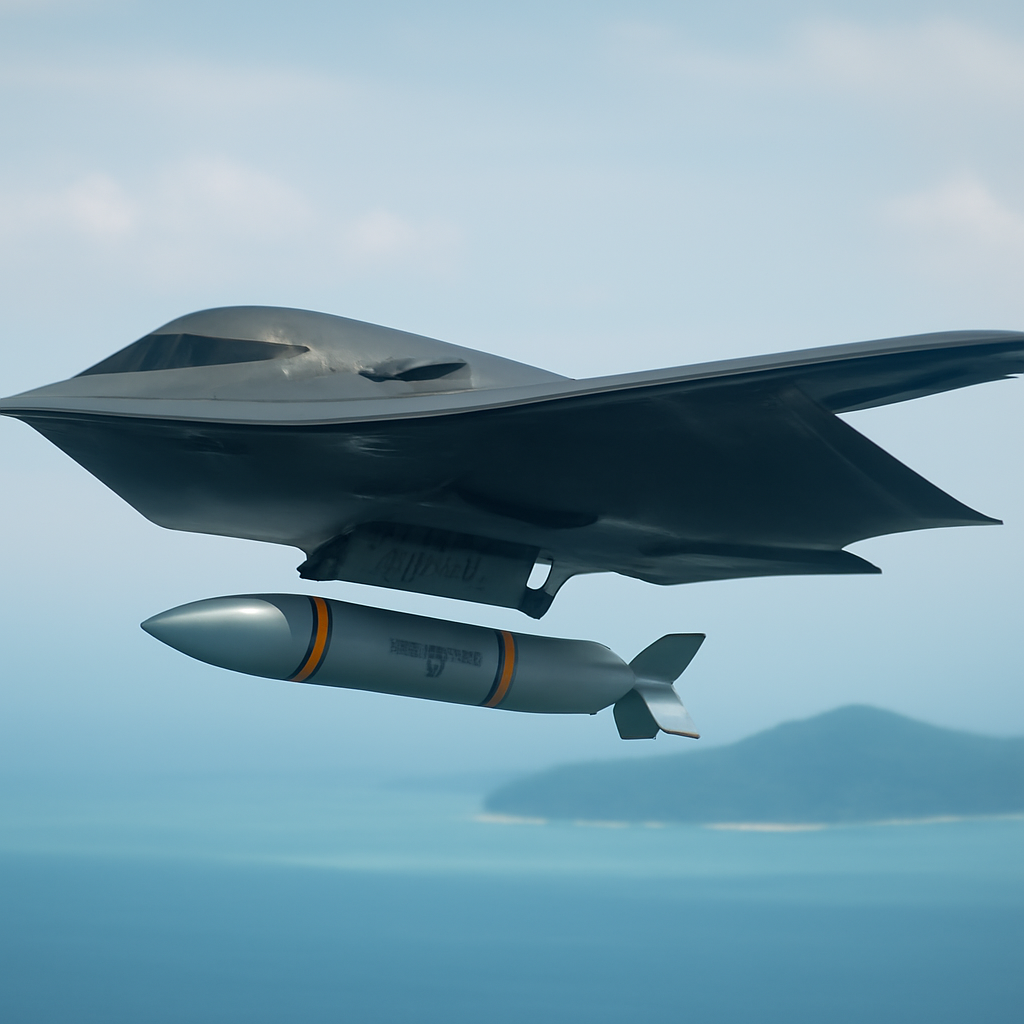
US Military Unveils Advanced Ship-Sinking Capabilities in Pacific Exercises
The US military just took a major leap in its Pacific defense strategy, showcasing its cutting-edge ship-sinking capabilities with a live-fire exercise featuring a B-2 bomber and a Long Range Anti-Ship Missile (LRASM). This impressive display highlights the military's adaptability and commitment to staying ahead of emerging security challenges.

Australia's AI Readiness Hinges on Domestic Capability
Australia's future in AI isn't about building everything in-house, but about mastering the skills to adopt, integrate, and govern cutting-edge technology - and that's what we mean by "AI readiness". The real risk isn't foreign tech itself, but relying on others for the expertise and know-how to make it work.

UK Bolsters Ukraine with SCALP Missile Blueprint Transfer
On Ukraine's independence anniversary, the UK reaffirmed its unwavering support, with Prime Minister Andy Burnham vowing to stand with Ukraine until a just and lasting peace is achieved. The UK is bolstering Ukraine's defenses by sharing classified blueprints of the SCALP missile, a powerful symbol of its commitment to Kyiv.

Navy Launches Office to Bolster Defense Industrial Base
The Navy has launched a new Office of the Defense Industrial Base, led by Andrew Magliochetti, to supercharge its manufacturing ecosystem, safeguard supply chains, and inject cutting-edge commercial tech into its operations. This bold move aims to turbocharge the Navy-Marine Corps team's lethality and competitiveness.
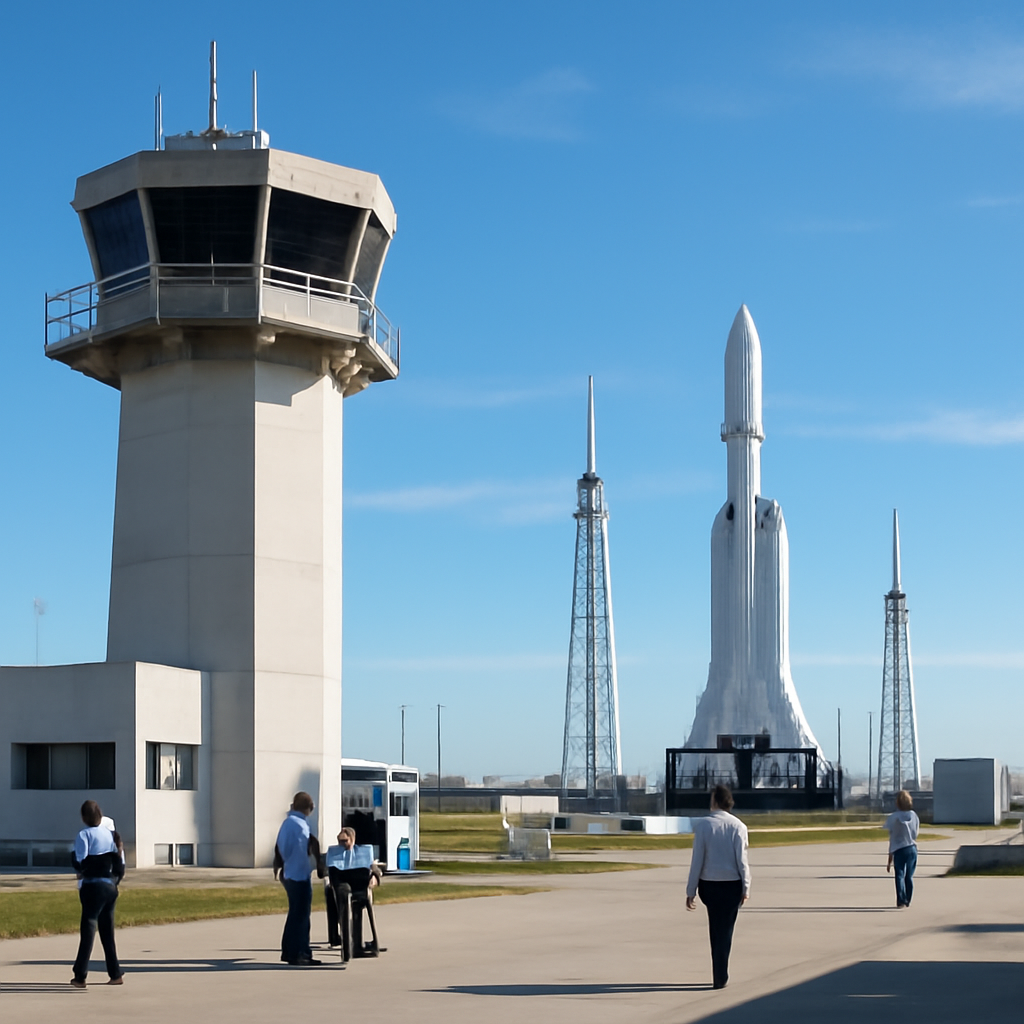
US Prepares to Integrate Space Launches with Air Traffic Control
The Trump administration is aiming high, targeting over 1,000 space launches and reentries by 2030 with a bold new policy that will revamp launch infrastructure and air traffic control systems to support commercial spaceflight. By teaming up with private companies, the US is poised to supercharge its space industry and make launching into space faster, easier, and more accessible.

USAF C-17 Lands in Moscow Amid Heightened Tensions
In a bold move, a US Air Force C-17 Globemaster III landed at Moscow's Vnukovo International Airport on August 25, 2026, amid rising tensions between the US and Russia. The aircraft, operating under callsign RCH4555, departed Riga just hours earlier, sparking widespread interest and attention.

Turkey, Saudi Arabia, Pakistan pact turbocharges defense industrial ties
The trilateral agreement between Saudi Arabia, Turkey, and Pakistan is a game-changer, forging a lasting defense-industrial partnership that goes far beyond a simple arms deal. It's a strategic move towards creating a joint ecosystem for defense industries, driving innovation, and boosting local production through technology transfer and collaborative investments.

Treasury Targets Iranian Hackers Tied to US Critical Infrastructure Breaches
The Treasury Department has taken a bold step, calling it an "economic D-Day," by imposing sanctions on five Iranian hackers linked to a string of brazen cyberattacks on US critical infrastructure, government offices, and digital assets. This move is part of a broader effort to isolate Iran and cut off its revenue streams.
Pentagon Memo Reshapes Contractor Data Disclosure Rules
A new Pentagon memo is shaking up data disclosure rules for contractors, forcing them to rethink their approach at a time when AI innovation is taking center stage. This game-changing update intersects with emerging tech developments, sparking key questions for contractors, reporters, and military technologists.

Pentagon Axes Civilian Protection Program, Faces Backlash
The Pentagon has axed its Civilian Protection Program, sparking widespread backlash, after Defense Secretary Pete Hegseth deemed its rules of engagement too restrictive. The move comes despite a 2025 poll of top commanders, who largely favored preserving the program in some form.
US Targets Mabna Institute Hackers with Sanctions Over Iranian Cyber-Attacks
The US has imposed sanctions on 17 alleged Mabna Institute hackers responsible for a massive cyber-attack spree targeting over 300 universities, 50 private companies, and several government agencies since 2013. This crackdown, dubbed Operation Economic Outcast, aims to cut off the financial lifelines sustaining Iran's cybercrime operations.

Australia Picks Site for AUKUS Sub Sustainment Hub
Australia has chosen Henderson, Western Australia, as the site for its AUKUS Sub Sustainment Hub, a major defence precinct that will support the country's future submarine fleet and drive continuous naval shipbuilding and sustainment in the region. This strategic location will enable Australia to own, operate, and sustain conventionally armed, nuclear-powered submarines.
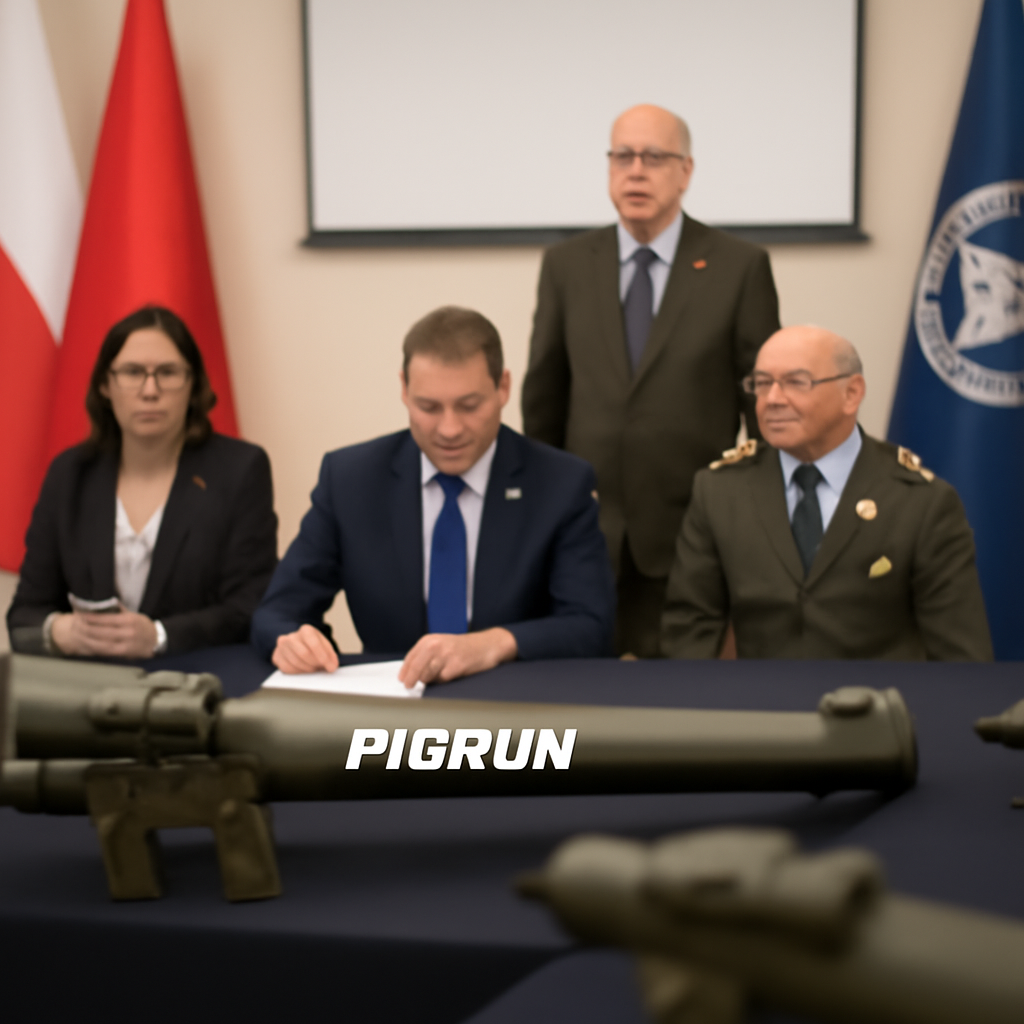
Poland Bolsters NATO Allies with $2 Billion Piorun Missile Deal
Poland is set to significantly boost its NATO allies' defense capabilities with a groundbreaking $2.16 billion deal to supply thousands of Piorun missiles and launch systems. This massive contract, valued at PLN 8 billion, marks a major milestone in the country's military modernization efforts.
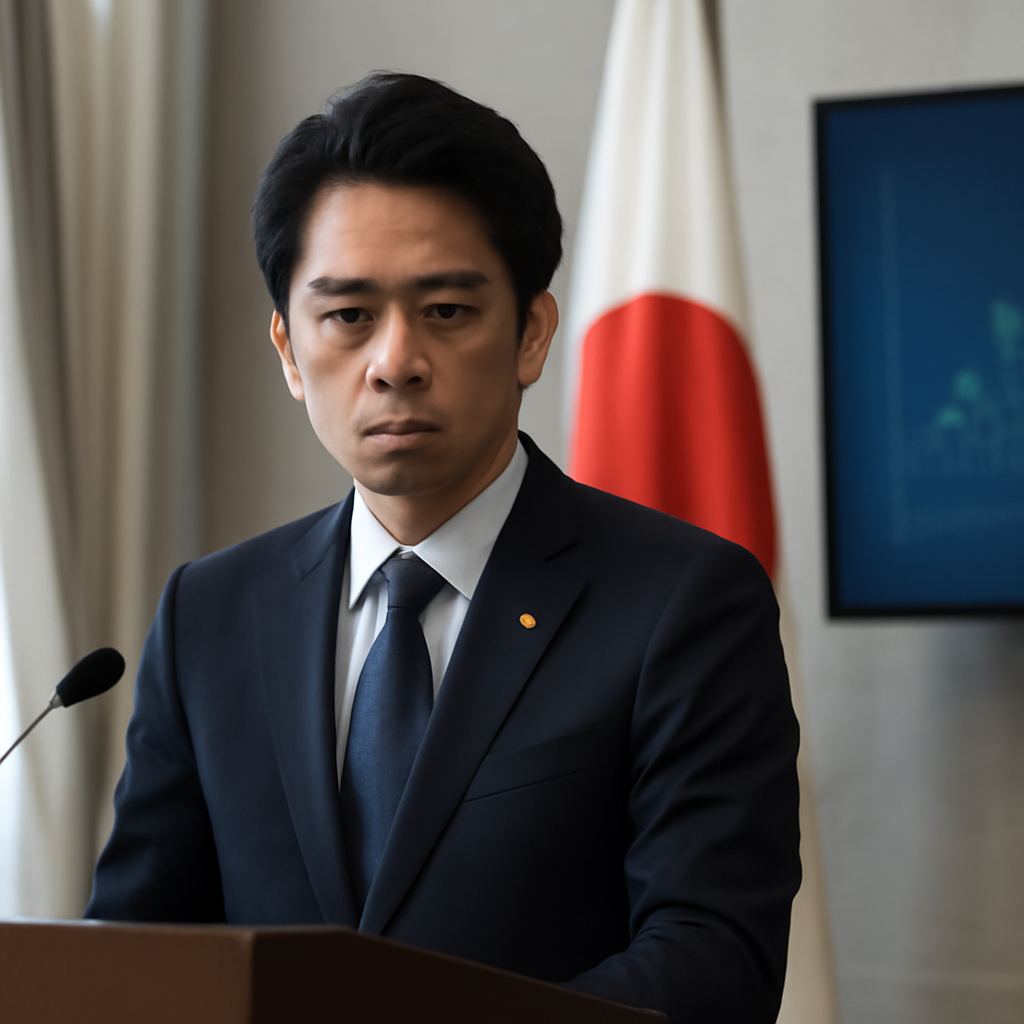
Japan's Defence Spending Falls Short Amid Fiscal Constraints
Japan's defence spending has fallen short of expectations, with a 2026 budget of 10.6 trillion yen translating to 1.5% of GDP, not 1.9% as claimed by Defence Minister Shinjiro Koizumi. This misses the 2% target set for 2027, highlighting fiscal constraints.

US Aircraft Carriers Deploy, Relieve in Middle East Theater
After a grueling 277-day deployment, one of the longest in modern history, the Abraham Lincoln Carrier Strike Group is finally heading home, bringing relief to its weary crew. The US aircraft carrier will make a well-deserved port call in Thailand before docking at Naval Base San Diego.

Australia Must Seize Control of AI Value Chain
With AI already woven into the fabric of daily life, Australia's government must act swiftly to secure a slice of the lucrative AI value chain - or risk watching economic benefits flow overseas. The National Cabinet's upcoming AI policy meeting is a crucial chance to shape the country's future and ensure Australians reap the rewards of AI innovation.

US Targets Iran with New Sanctions as Ship Struck in Strait of Hormuz
The US is turning up the heat on Iran with fresh sanctions, and it's clear they mean business - Treasury Secretary Scott Bessent warned countries to toe the line, just hours before a ship was hit in the Strait of Hormuz. The incident saw a vessel struck by an unknown projectile 9NM northeast of Ash Shishah, Oman, leaving its engine room damaged and disabled.

Pakistan Unveils DIPRA to Spur Private Sector Defence Growth
Pakistan is taking a giant leap in defence industrial growth with the launch of DIPRA, a groundbreaking initiative aimed at boosting private sector participation and self-reliance in defence production. This move is set to revolutionize the country's defence industry, fostering a competitive and sustainable ecosystem.

Supreme Court Upholds Trump Mail-in Ballot Rules
The Supreme Court has ruled in favor of the Trump administration's mail-in ballot rules, dismissing a lawsuit that sought to block changes to US Postal Service policies. In a 6-3 decision, the court decided that states don't have the grounds to challenge the White House's executive order.