"The Mecca Pact should not be viewed simply as an arms-export agreement. It is much broader," said Ali Bakir, defense analyst and an assistant professor at Qatar University.
Ali Bakir: a move toward a trilateral defense-industrial ecosystem
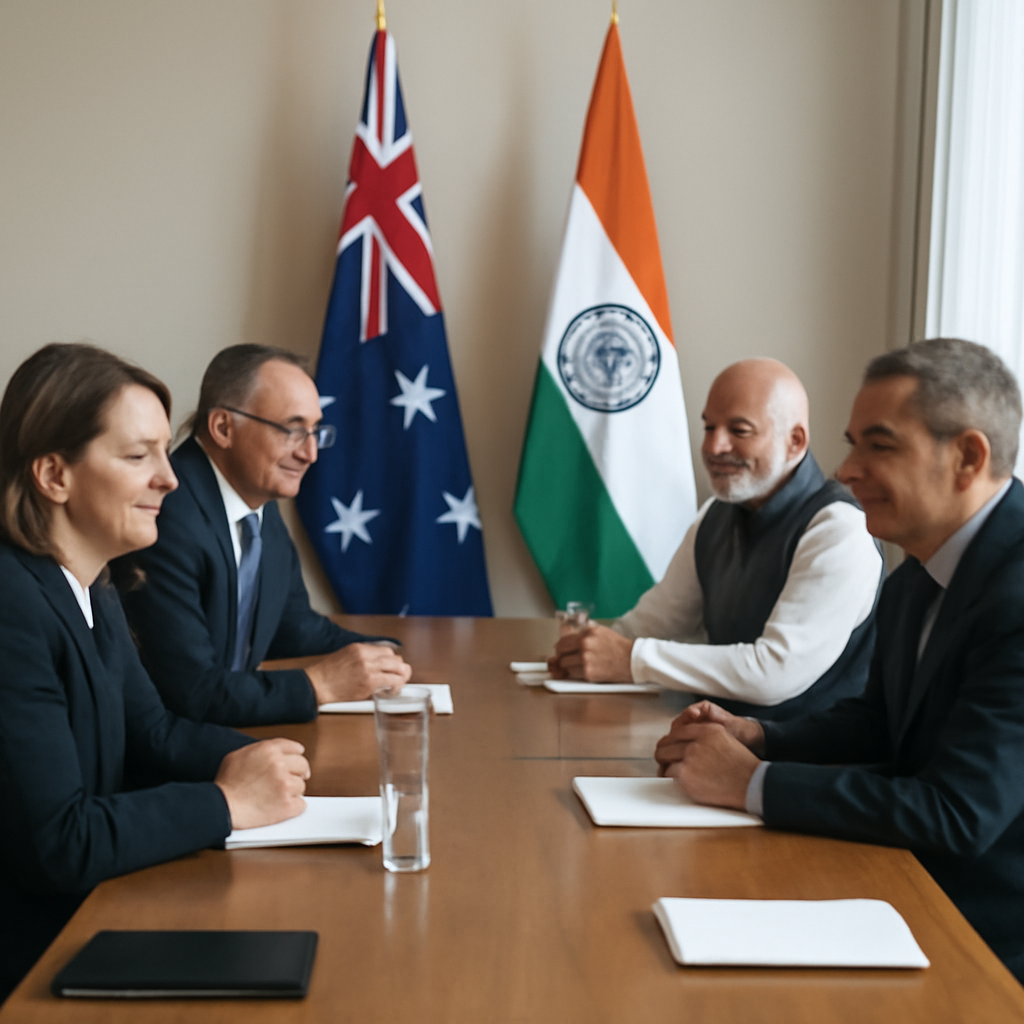
Signed on Aug. 7, the trilateral agreement between Saudi Arabia, Turkey and Pakistan is being sold by analysts not as a one-off buyer-seller arrangement but as the foundation for a sustained, institutionalized defense-industrial relationship. Bakir told Breaking Defense the pact "aims to facilitate joint investment in defense industries, major defense projects, technology transfer, local production, research and development, training, and the integration of complementary capabilities." He argued that combining the three countries’ financial resources, industrial capabilities, technological expertise, military experience and human capital could create "a much deeper and more institutionalized defense ecosystem."
Collective-defense language and Turkey's ratification hurdle
The accord includes a collective-defense clause that the reporting likens to NATO’s Article V, stipulating that "any armed attack against any one of the three states shall be regarded as an attack against them all" and that it seeks to "strengthen collective deterrence against any act of aggression." Practical testing of that clause could be imminent, the story notes, since Saudi Arabia has been the subject of recent Iranian attention. For Turkey, joining the pact formally requires ratification by the Turkish parliament; Serhat Süha Çubukçuoğlu, director of the Turkey program at TRENDS Research & Advisory, said ratification is necessary but "unlikely to be blocked."

Audit-ready is a season. It shouldn't be.
Evidence in spreadsheets, controls drifting between audits, frameworks multiplying on flat headcount. Nubivance runs continuous compliance on Rapid7 Cyber GRC - SOC 2, HIPAA, ISO 27001, PCI, CMMC.
End the scrambleTurkish systems likely to flow to Riyadh: air defense and KAAN
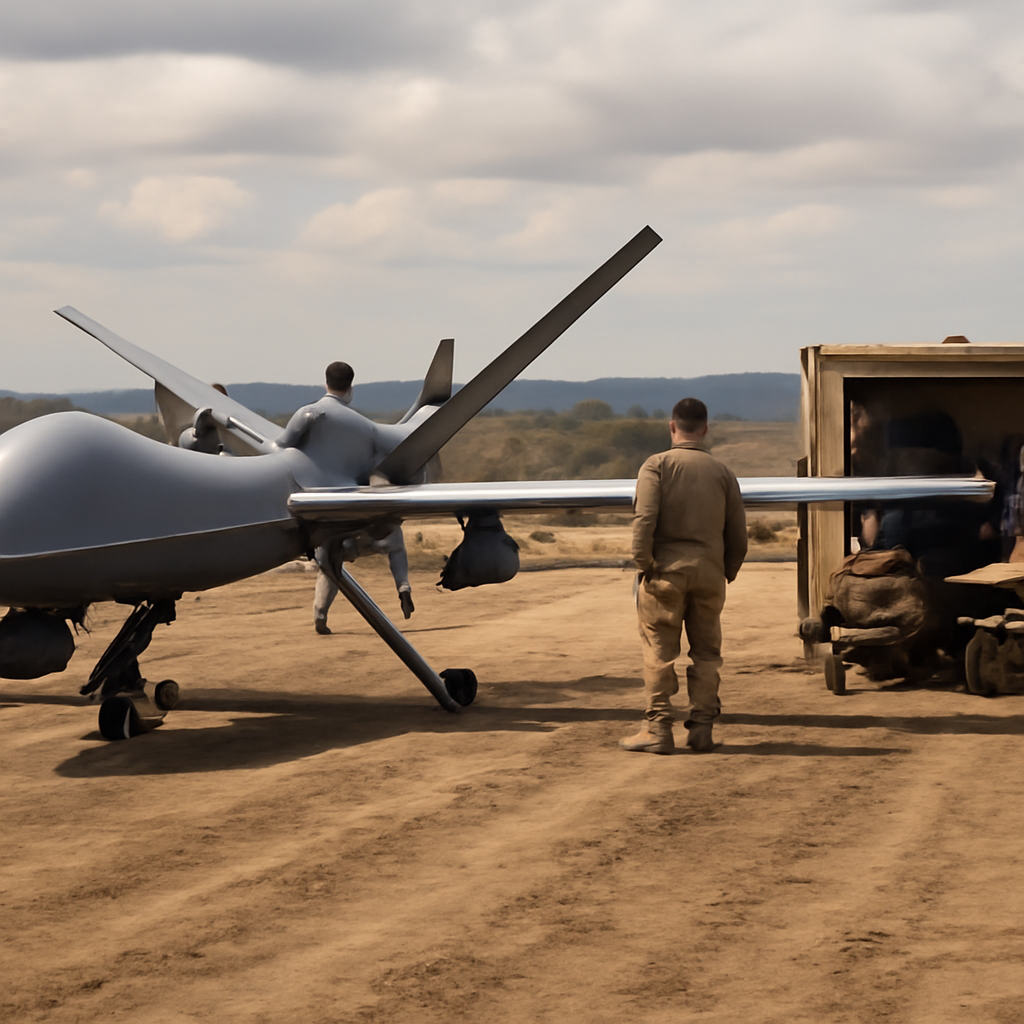
Analysts singled out specific Turkish systems that could figure prominently under the pact. Gulf defense analyst Leonardo Jacopo Maria Mazzucco highlighted the potential role of Turkish air-defense offerings in Saudi Arabia’s layered air-defense architecture, noting HİSAR-O as a medium-range option and KORKUT and GÜRZ for short-range and counter-UAV needs. The pact could also accelerate talks over Türkiye’s in-development fifth-generation KAAN fighter: Turkish Aerospace CEO Mehmet Demiroglu told Breaking Defense in February that the company was "in the final stages of reaching an agreement for exporting KAAN to Saudi Arabia," and Bakir said the pact could push such a deal closer. In addition, analysts point to previous Turkish successes in the Saudi market — most notably Baykar’s 2023 sale of Akinci unmanned combat aerial vehicles, described in the reporting as the firm’s "largest contract" — as precedent for deeper defense trade.
Turkish industry reactions: Turkish Aerospace, FNSS, and the prospect of co‑production
The commercial response in Turkey, as recorded by Breaking Defense, ranges from cautious affirmation to active anticipation. Turkish Aerospace told the publication it "will continue to provide solutions to the needs of Türkiye, as well as those of friendly and allied nations, through the advanced technologies and products it develops and manufactures" when asked about potential exports. Gokhan Tekin, director of international business development at vehicle-maker FNSS, said his firm expects closer government-to-government relations, the establishment of joint working groups, and moves toward standardizing systems used in military vehicles. Tekin added that Turkish companies, FNSS among them, could supply "the most advanced product and design capability" and predicted "the formation of joint programs and coproduction of specified systems." Several other Turkish defense firms declined to comment or did not respond by press time.
What this means for Saudi Arabia, Turkey, and Pakistan
- Saudi Arabia: The pact offers Riyadh a pathway to diversify suppliers and build domestic manufacturing and maintenance capacity under Vision 2030. Çubukçuoğlu said Saudi Arabia does not "simply want to import finished platforms" and is seeking localization and engineering capacity which Turkish partners could provide.
- Turkey: For Turkish industry, analysts see an opening to penetrate the Saudi market more deeply. Albert Vidal of the International Institute for Strategic Studies said the pact "could provide a nudge for companies trying to penetrate the Saudi market," building on deals such as Baykar’s Akinci exports.
- Pakistan: The country brings what Vidal called "significant aerospace and manufacturing expertise," a capability that analysts say could be a potent ingredient in trilateral projects and co-production efforts.
The Mecca Pact, as presented in the reporting, is therefore both strategic and industrial: it contains a collective-defense guarantee that could be tested in short order and an industrial agenda that, if fully enacted, would push the three states toward joint programs, localization and standardization. The next concrete steps to watch, grounded in the facts reported, are parliamentary ratification in Turkey and whether previously discussed exports such as KAAN progress beyond prior, pre-pact negotiations — developments that will reveal whether the arrangement stays largely declaratory or begins to reshape defense production and procurement across three countries.