"We are level-setting with every country to tell them our expectations. We know who they are. They know who they are," Treasury Secretary Scott Bessent told reporters on August 24, 2026 — a declaration that came hours before a ship was reported struck in the Strait of Hormuz.
UKMTO bulletin: strike 9NM northeast of Ash Shishah, Oman
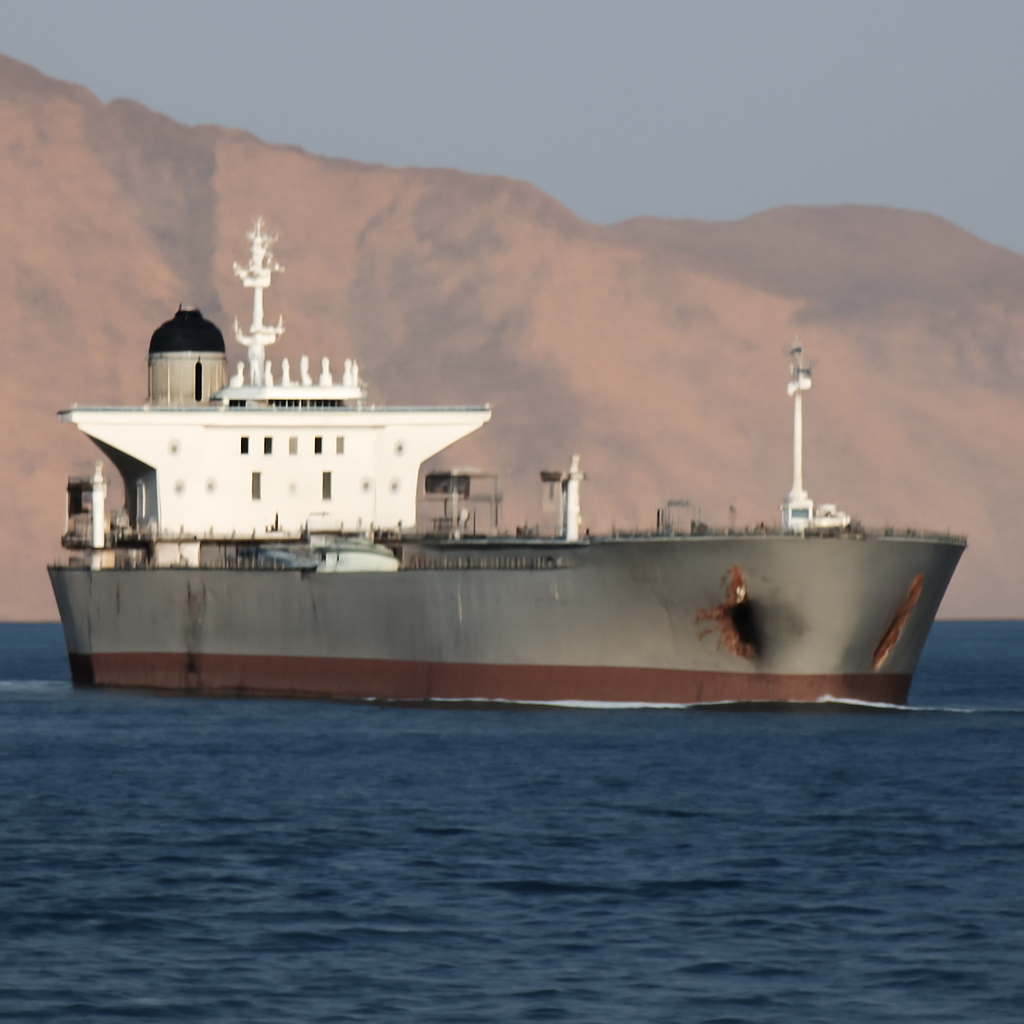
The United Kingdom Maritime Trade Operations center (UKMTO) said it “received a report of an incident 9NM northeast of Ash Shishah, Oman,” and relayed the vessel master’s account that the ship “has been struck by an unknown projectile causing damage to the engine room and disabling the vessel.” UKMTO reported the crew were safe and that the environmental impact was unknown at the time; it advised other vessels to transit with caution and to report suspicious activity. The report did not assign blame; the article’s narrative described it as “obviously extremely likely the attack was carried out by Iran.”
Treasury's "Operation Economic Outcast" and Bessent's announcement
Also on August 24, the Treasury Department unveiled what the reporting called “Operation Economic Outcast,” a package of measures meant to cut Iran off from global trade. Treasury said it issued determinations against five sectors — digital assets, technology, gold, aviation, and shipping — and that the Office of Foreign Assets Control (OFAC) sanctioned nearly 60 entities, individuals, and vessels across multiple jurisdictions. OFAC also suspended several general licenses that had previously authorized certain remittance payments to Iran and Iranian access to the U.S. cultural and academic system, and issued additional guidance on the sanctions risks of yielding to Iranian demands related to shipping in the Strait of Hormuz.
Bessent warned that countries would be “given a defined timeline to shut down its Iran-related business activity,” with secondary sanctions to follow if they failed to comply. He also signaled that “no one is above the reach of U.S. sanctions” when pressed about China’s role in Iranian oil purchases, and stressed the administration was “giving everyone the opportunity to remedy bad behavior.” Reporters noted that Bessent did not provide firm timelines and repeatedly declined to offer further specifics.

Audit-ready is a season. It shouldn't be.
Evidence in spreadsheets, controls drifting between audits, frameworks multiplying on flat headcount. Nubivance runs continuous compliance on Rapid7 Cyber GRC - SOC 2, HIPAA, ISO 27001, PCI, CMMC.
End the scrambleIranian leaders' public responses: Ghalibaf, Baghaei, and Rezaei
Iranian officials publicly dismissed the Treasury plan and warned of consequences. Mohammad Bagher Ghalibaf, speaker of the Iranian parliament, stated on X that “Americans know that no one buys their bombast; the United States is not in an economic position to further restrict its relations with other countries,” adding that trading partners had told Tehran they “don’t take these statements into account.” Iran’s Foreign Ministry spokesperson Esmail Baghaei said, “Any escalation of this situation will undoubtedly bring about consequences,” and asserted that “Our hands are not tied.”
The reporting also cited a separate warning from Mohsen Rezaei, the head of Iran’s national security council, who — according to The Telegraph — threatened to attack U.S. businesses and warned that allies of the U.S. that joined the economic campaign “would be considered enemies.”
Houthi strikes in the Red Sea: the Amzan, NCC Wafa, and a widening maritime campaign
The same day, Yemen’s Houthi rebels (Ansarallah) claimed a strike on the Saudi oil tanker Amzan off Yanbu in the northern Red Sea, calling the action part of their “blockade for blockade” maritime campaign. Ambrey, a maritime security company, and UKMTO confirmed the incident; Ambrey stated the attack occurred about 64 nm west of Yanbu and reported the Egyptian Navy was transiting to the area to conduct a rescue operation. Ambrey noted the vessel was not transmitting its AIS signal at the time; its previous AIS transmission had been recorded on August 8 at 02:33 UTC.
The article places the Amzan strike in a broader Houthi campaign that has already struck Saudi ships in the southern Red Sea and hit refineries along its northern portion, and that began earlier this month with an attack on the Saudi tanker NCC Wafa. The Houthis’ blockade of the Bab al-Mandeb Strait has prompted some tankers to favor the Suez Canal.
Trade flows, energy reserves, and associated cyber incidents
Trade-intelligence firm Kpler reported mixed signals at two strategic chokepoints: Strait of Hormuz crossings edged up 2.5% to 121, but laden transits fell 27% and sanctioned crossings rose from 9 to 16; Iran’s unilateral routing scheme climbed to 46.3% of crossings, prompting Kpler to observe that “commercial substance is weakening at Hormuz even as overall traffic holds up.” Bab el-Mandeb crossings rose 3.1% to 269, with Kpler calling the southern route “resilient despite an active threat environment.”
On energy stocks, Reuters cited Department of Energy data showing U.S. Strategic Petroleum Reserve (SPR) stocks fell by about 3.7 million barrels to 289.7 million barrels — the lowest level since November 1982 — as part of a U.S. agreement to release 172 million barrels. Market-data firm Barchart noted the U.S. had “just 41 days of crude oil inventory left, the lowest level in half a century.” The article also linked the wider contest to cyber incidents: CBS News reported suspected Iran-linked cyberattacks on U.S. water systems in at least a dozen states, and Iranian-linked hackers were suspected of forcing a small British power generator offline for four days last month.
What this means for policymakers, energy firms, and maritime operators
- Policymakers: Treasury’s package signals an escalation in economic tools and the threat of secondary sanctions, but public remarks acknowledged limited timelines and left specifics vague — raising questions about implementation and the diplomatic pressure the administration expects to generate.
- Energy firms: The reported strikes in two chokepoints, the SPR drawdown and Kpler’s data on weakening commercial substance at Hormuz suggest heightened operational and market risk for oil transport and supply chains that firms will have to price into routing and insurance decisions.
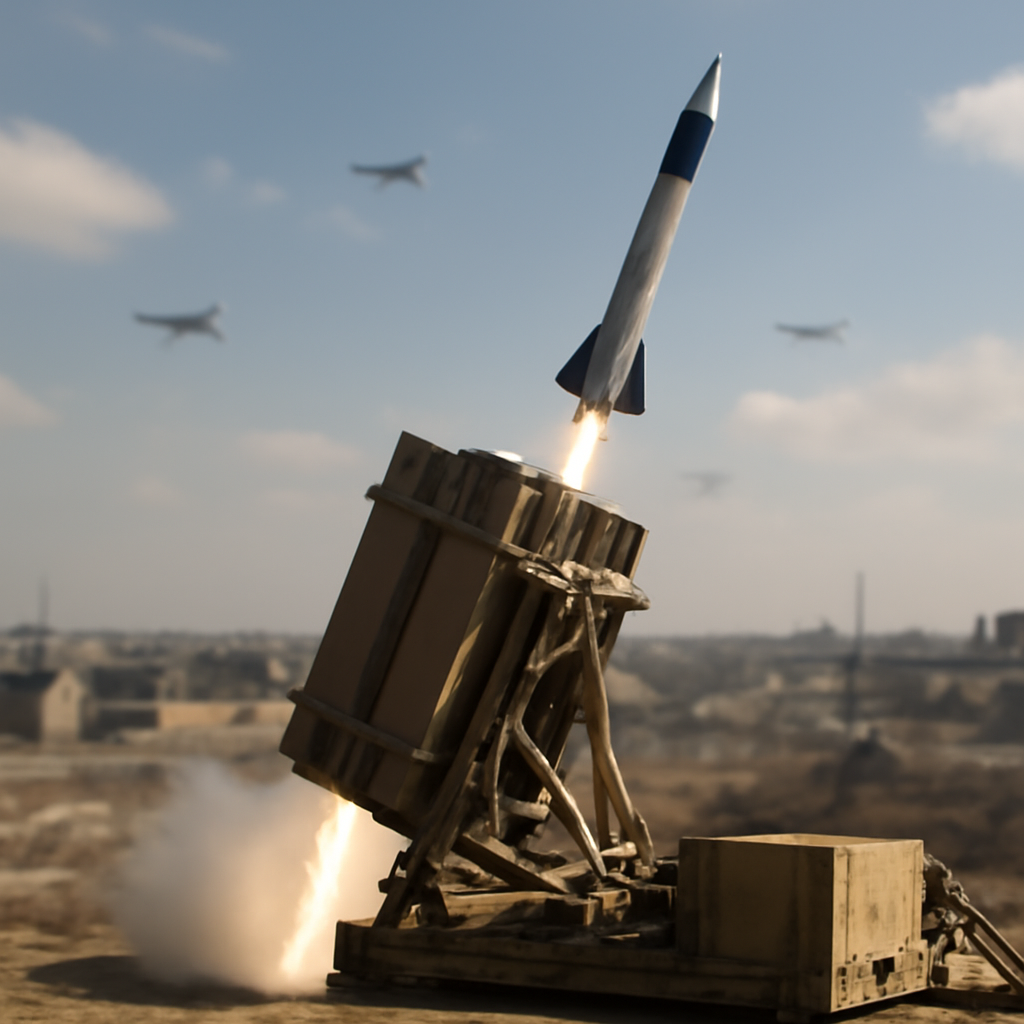
- Maritime operators and navies: The UKMTO bulletin and Ambrey confirmations underline the continuing hazard from missiles or projectiles and from vessels operating without AIS; navy responses (the Egyptian Navy was reported en route to the Amzan) will remain a critical element of immediate mitigation.
The sequence on August 24 — a major U.S. sanctions push announced in Washington, repeated Houthi attacks in the Red Sea, and a damaged vessel in the Strait of Hormuz — underscores how economic and kinetic pressures are colliding at sea. Whether the Treasury measures are enacted as intended and whether Tehran responds beyond rhetoric remain open questions with immediate consequences for shipping, energy markets, and regional security.