What is at stake is straightforward: a new Defense Department memo has changed how contractors must think about data disclosure, and that change arrives at the same moment Army leaders are describing fresh artificial‑intelligence work at TechNet Augusta, creating intersecting policy and technical questions for contractors, reporters and military technologists.
The Defense Department memo and Pentagon contractors
In this week’s episode of The Break Out, congressional reporter Valerie Insinna told Deputy Editor Lee Ferran that the Defense Department has issued a new memo that “reorients data disclosure guidance for Pentagon contractors.” The program framed the memo as a formal shift in how the department advises — and therefore how contractors may be required — to disclose data tied to defense work.
The source material does not provide the memo’s text or operational details, but its characterization on The Break Out makes clear the change is directional: guidance has been reset. For firms that sell to the Pentagon, a reorientation of disclosure guidance can affect contract language, compliance checklists and legal exposure; those are the practical areas that will respond first when the department updates what it tells contractors to share or withhold.
Valerie Insinna flags unanswered questions
Insinna told Ferran the memo “raises several key unanswered questions.” The remark underlines immediate ambiguity: stakeholders heard a formal reorientation, but the program identified gaps the memo itself did not resolve on the air. That combination — a visible policy pivot paired with unresolved implementation items — is often the breeding ground for rapid follow‑up from oversight bodies, procurement offices and compliance teams.
Insinna’s role as a congressional reporter was foregrounded on the episode; her observation that questions remain suggests congressional staff and other policy observers are likely to press for clarification and perhaps for documentation that explains the scope, limits and rationale for the new guidance.

This site is the portfolio.
OSINTSights runs on Cloudflare Workers, D1, R2, and Vectorize, with an AI pipeline on Hetzner ARM. Nubivance designed, built, and operates it. We do the same for clients.
See what we buildTechNet Augusta: Army officials and AI initiatives
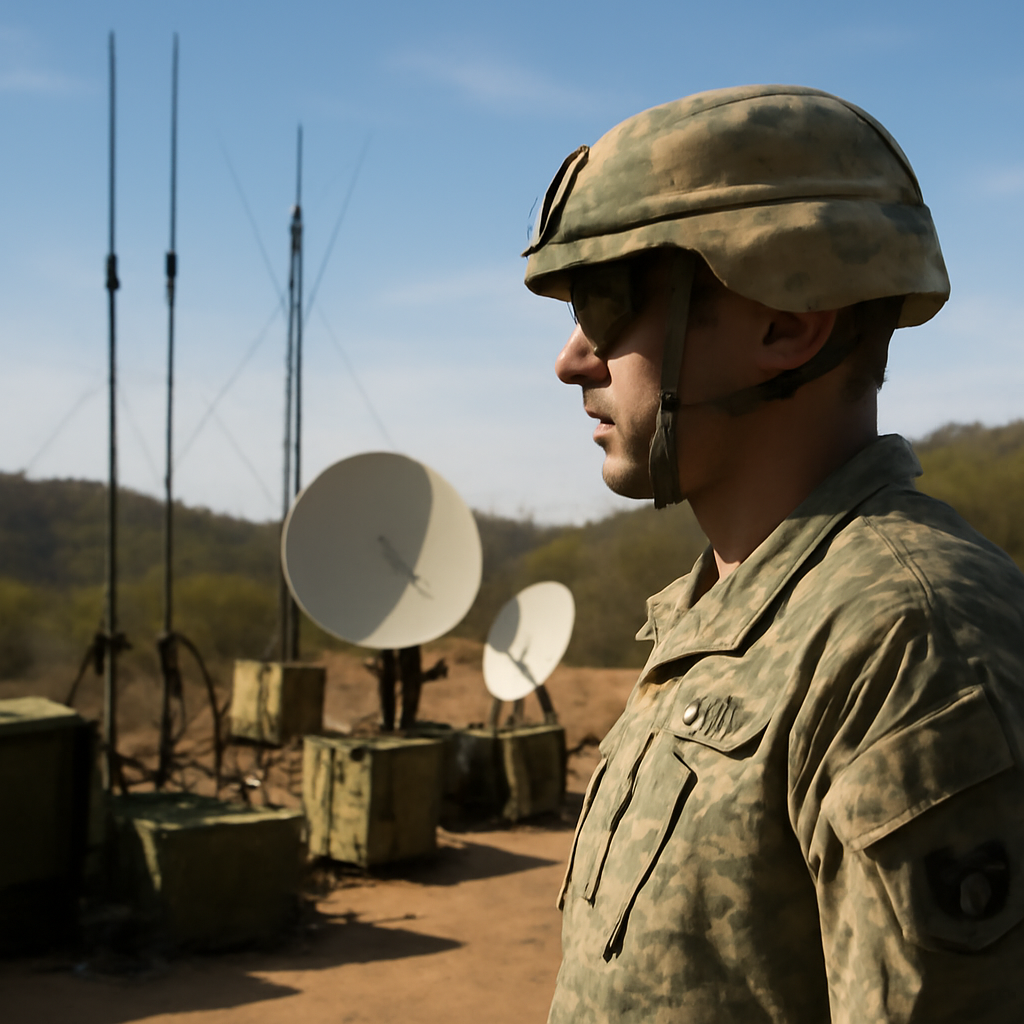
Separately, networks reporter Mark Pomerleau reported on the TechNet Augusta conference in northern Georgia, where he “unpacks what he learned from top Army officials,” including “a few artificial intelligence initiatives in the works.” The conference appearance and Pomerleau’s reporting indicate Army leaders publicly discussed AI projects and planning at that event, though the source summary does not list project names, capabilities or timelines.
The co‑existence of a reoriented disclosure memo and Army officials’ AI planning creates an information governance question in practice: when new technical initiatives are being developed, guidance about what contractors must disclose — and to whom — becomes a concurrent policy lever for the department.
What this means for Pentagon contractors, congressional reporters, and Army technologists
- Pentagon contractors — The memo’s reorientation signals that firms doing defense work should expect changing disclosure expectations. Contractors will need to monitor the department’s follow‑up, revise compliance procedures as necessary, and prepare to answer questions about what data they hold and how it is used.
- Congressional reporters and oversight staff — Insinna’s characterization of “key unanswered questions” suggests continued scrutiny: reporters and congressional offices will seek clarifications, explanations and possibly documentary evidence about the memo’s scope and effects.
- Army technologists and program managers — With top Army officials discussing AI initiatives at TechNet Augusta, program teams will be balancing developmental work against revised disclosure rules; coordination between program offices and legal/compliance staffs will be central to moving initiatives forward while adhering to the new guidance.
A concise assessment and next step
The combination of a department memo that “reorients” disclosure guidance and public discussion of AI initiatives by Army officials creates a narrow but consequential policy moment. On air, Insinna flagged unanswered questions; on the ground at TechNet Augusta, Pomerleau heard about AI work that could intersect with those disclosure expectations. The next concrete steps will be the department’s public or internal clarifications of the memo and any program‑level guidance tying disclosure rules to specific AI efforts — those clarifications are the practical hinge on which contractors’ compliance and program managers’ plans will turn.
Original reporting: How a new Pentagon memo ‘resets’ industry requirements, plus highlights from TechNet