Defence-related spending in Japan’s 2026 budget totals 10.6 trillion yen — a figure the Defence Minister used to claim it reached 1.9 percent of GDP. Measured against the economy Japan actually expects in 2026, the same spending is 1.5 percent of GDP.
Shinjiro Koizumi’s 1.9 percent claim
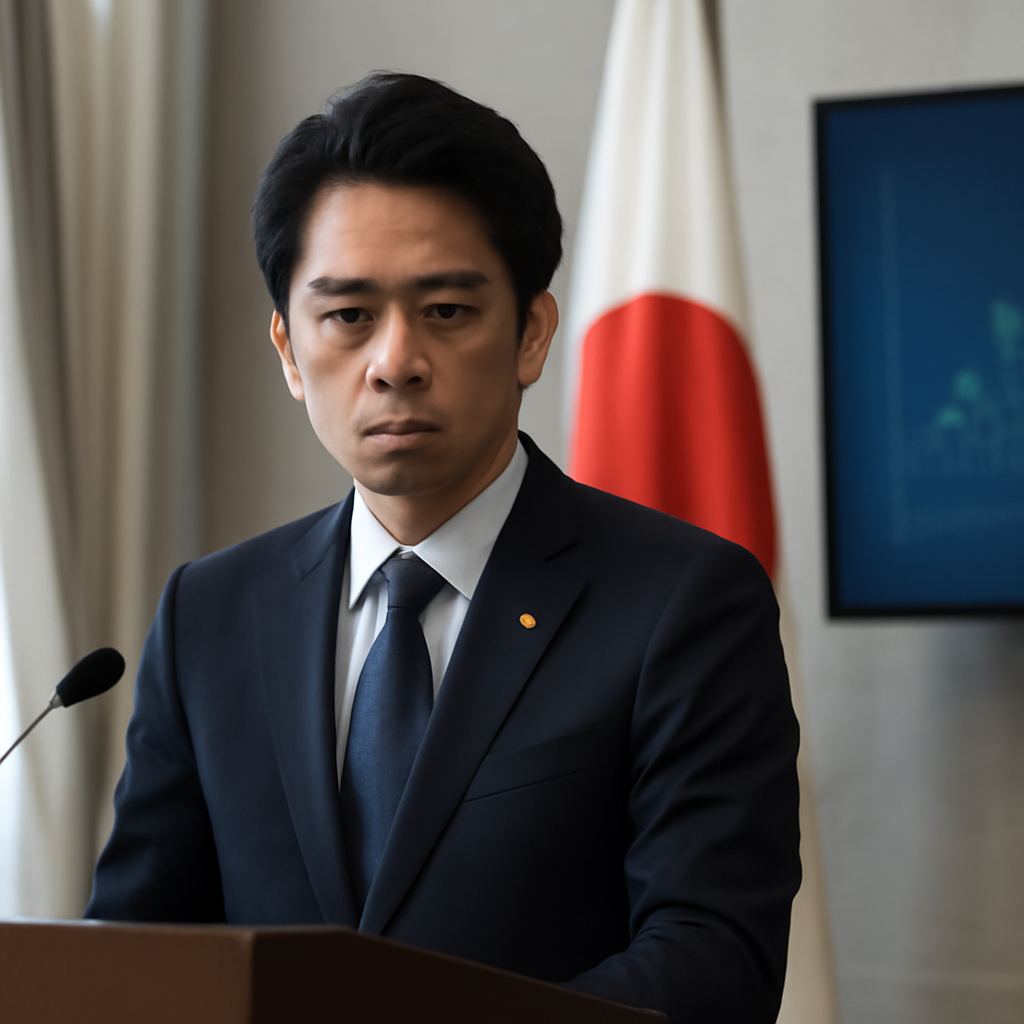
On 17 April 2026 Defence Minister Shinjiro Koizumi said the 2026 defence-related budget had reached 1.9 percent of GDP, putting it “within touching distance” of the 2 percent target the 2022 National Security Strategy set for 2027. That appearance depended on measuring the 2026 defence-related spending (10.6 trillion yen, or A$93 billion) against Japan’s 2022 GDP — roughly 560 trillion yen. Measured against the expected 2026 GDP of about 690 trillion yen, the same spending is 1.5 percent; Koizumi acknowledged that calculation when pressed by a reporter.
The arithmetic Tokyo chose
The 2 percent promise embedded in the 2022 National Security Strategy carried a built-in technicality: the commitment was to reach 2 percent of 2022 GDP, not 2 percent of a contemporaneous GDP level. The numerator — defence-related spending — moved forward to 2026 levels while the denominator — the GDP year used for the target — stayed put. The cabinet’s economic and fiscal blueprint approved on 21 July supplied a more cautious, non‑numeric line: it pledged to fund “indispensable expenses” over five years and in a footnote referenced the ratios targeted by NATO, South Korea and Australia, variously 3 to 3.5 percent of GDP.

Audit-ready is a season. It shouldn't be.
Evidence in spreadsheets, controls drifting between audits, frameworks multiplying on flat headcount. Nubivance runs continuous compliance on Rapid7 Cyber GRC - SOC 2, HIPAA, ISO 27001, PCI, CMMC.
End the scrambleMinistry of Defense spending versus the broader “defence-related” category
Japan’s defence build-up is real, but the headline numbers have also been affected by definitions. The Ministry of Defense budget alone rises from 5.4 trillion yen in the 2022 financial year to more than 9 trillion yen in the 2026 financial year. Around 2024 the government began reporting a larger “defence-related” figure, which by 2026 reached 10.6 trillion yen and includes public infrastructure development and spending on the coast guard. That broader category inflates the appearance of progress when compared with narrow measures used by many allies.
Prime Minister Sanae Takaichi’s fiscal choices and market pressures
The government faces stiff fiscal headwinds even as it seeks to expand defence capability. The Takaichi administration went ahead with a previously legislated defence-specific corporate surtax that took effect in April, levying an additional 4 percent liability on companies. Rising Japanese government bond yields are eating the revenue gains as debt servicing costs rise. The yen has been weak — trading around 160 to the US dollar — and Tokyo and Washington moved in currency markets on 31 July to support it. A weak yen raises the yen-price of imported US equipment such as Lockheed Martin F-35s and Tomahawks; raising interest rates could help the currency but would also increase government interest payments.
NATO, US demands, and a rising bar
Since Tokyo’s 2022 pledge the expectations of allies have climbed. At the 2025 Hague summit NATO members committed to core military spending of 3.5 percent and 1.5 percent on wider security spending by 2035. At the Shangri‑La Dialogue in May the US Defense Secretary Pete Hegseth demanded 3.5 percent from allies and partners. Against those targets, even the artificial 1.9 percent figure is far short, and the actual 1.5 percent by contemporaneous accounting is barely off the start line.
How the US, Japanese industry, and companies will respond
- The United States and other allies: Will continue to press for higher contributions; rising international benchmarks (3.5 percent) mean Tokyo’s current trajectory — even as presented — falls short of new expectations.
- Japanese defence industry and procurement leaders: The Takaichi administration is accelerating upgrades to the defence industrial ecosystem — production, sales and maintenance — to circulate budget spending through the domestic economy and reduce costly imports. Managing the GDP ratio buys time to implement those reforms.
- Japanese companies and taxpayers: The defence-specific corporate surtax increases liabilities by 4 percent, but bond‑yield-driven debt servicing limits the fiscal space that surtax revenues could create.
Viewed together, Tokyo’s accounting choice is understandable as a political expedient: measuring current spending against an earlier, smaller GDP makes progress look closer and buys breathing room to strengthen domestic defence industry capacity. It also leaves open a stark question the facts make unavoidable — whether that breathing space will be sufficient to satisfy allies’ rising expectations while Japan contends with weak currency, rising debt costs, and a shrinking tax base. The Takaichi government has a stated strategy to retool the defence industrial base and to channel spending back into the economy; the next test will be whether reform and revenue measures can outpace the growing fiscal and demographic headwinds.