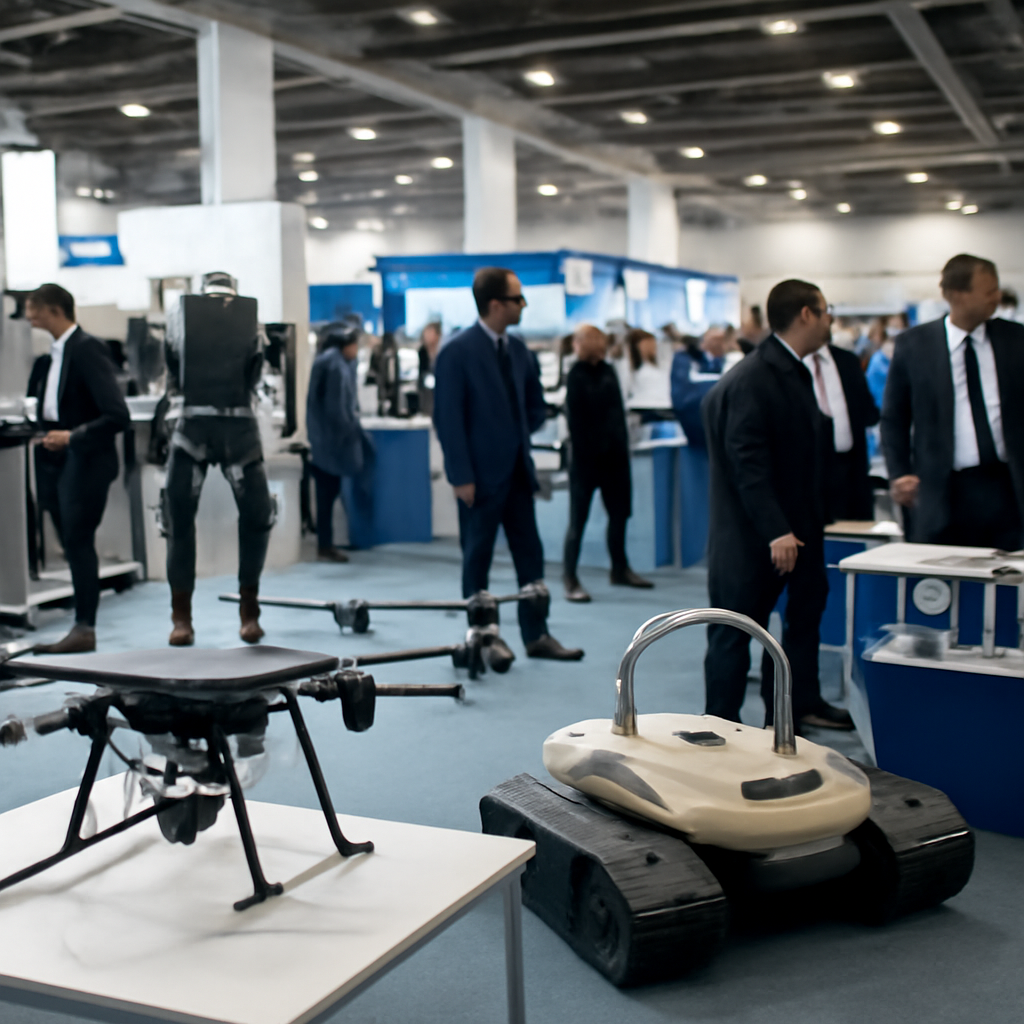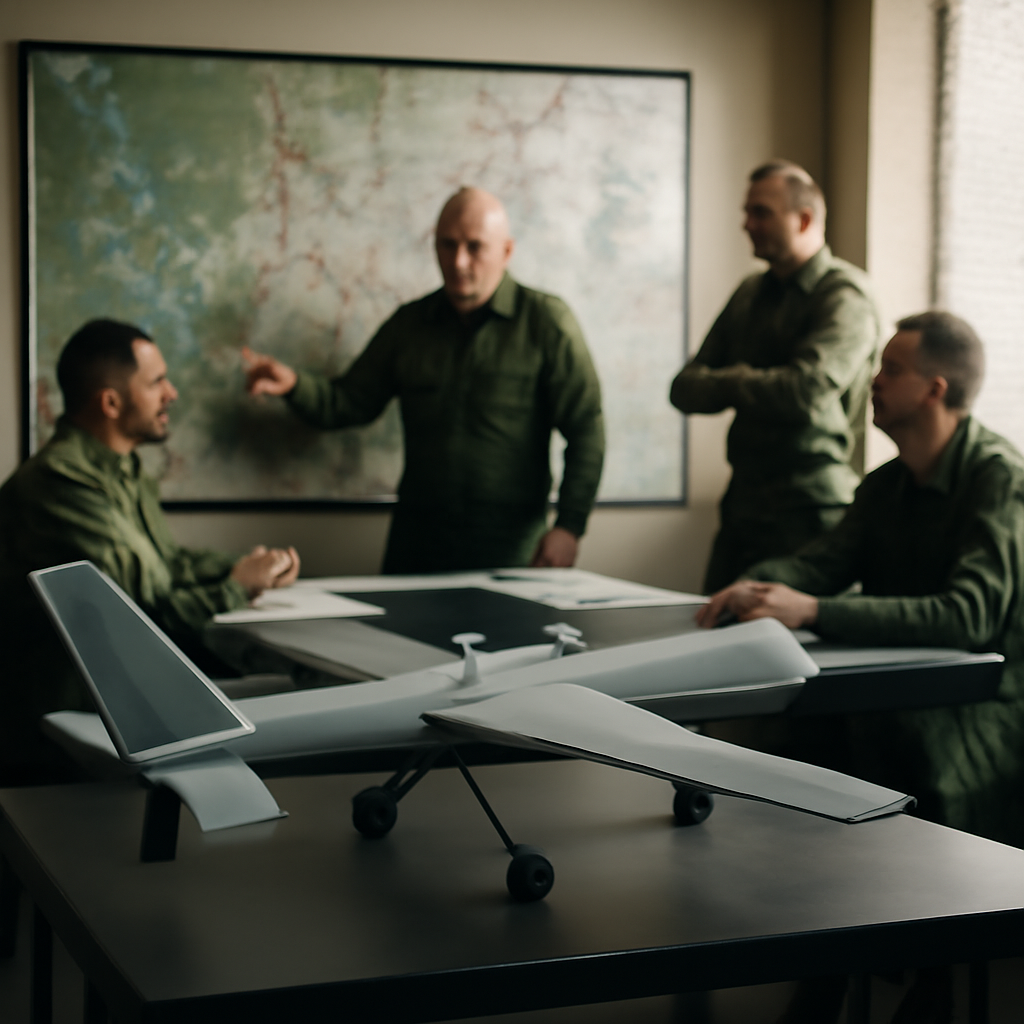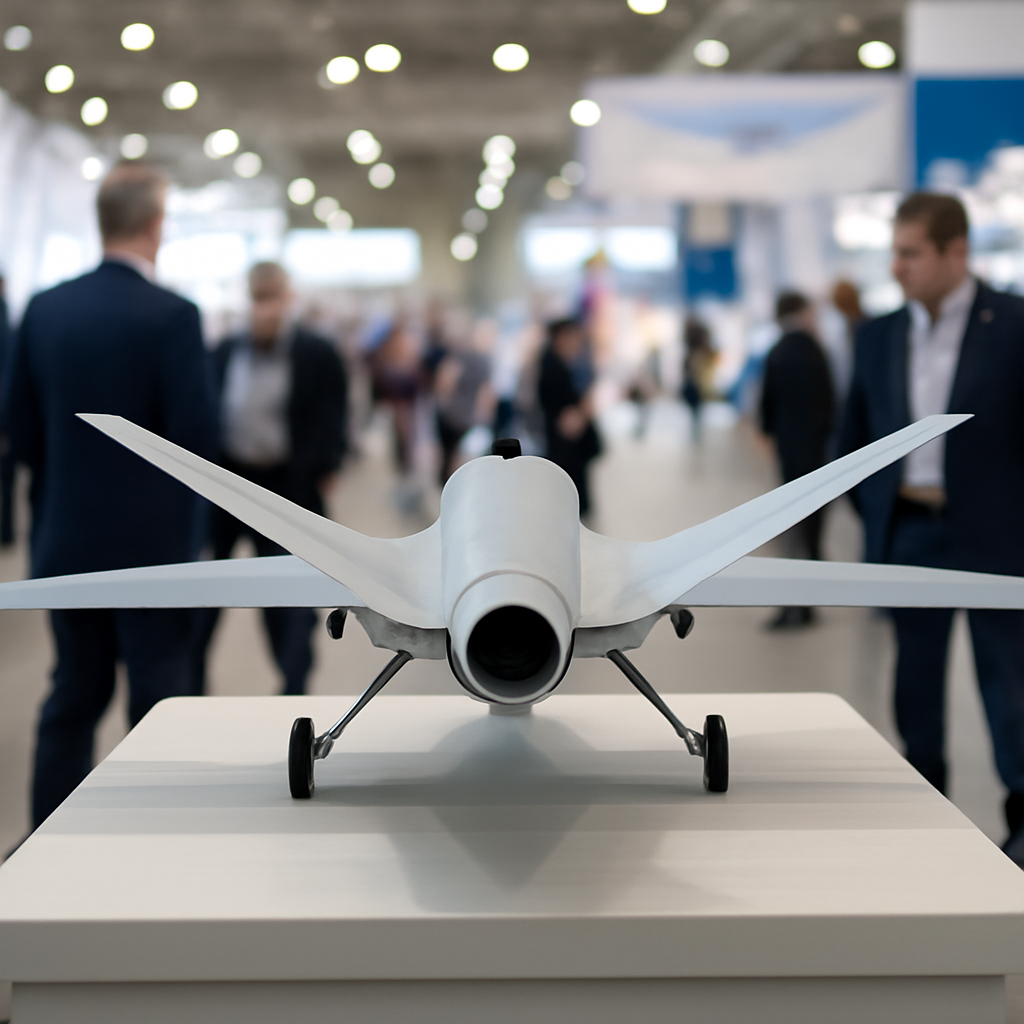
On 14 May 2026 the Ministry of Defence Production (MoDP) convened a session on drone technology at the Directorate General Research and Development Establishment in Rawalpindi, chaired by Secretary Defence Production Lt Gen (Retd) Muhammad Chiragh Haider, bringing private-sector UAS developers into direct discussion with the ministry.
MoDP’s stated commitments and the drive for domestic unmanned capability
The MoDP described the session’s purpose as strengthening coordination between the public and private sectors on drone warfare and surveillance. According to the official account, the ministry committed to providing regulatory procedures, testing infrastructure, procurement mechanisms, and research support that a domestic drone ecosystem requires, and it described locally produced unmanned capability as a national priority.
Private firms already supplying one-way attack and loitering munitions
That commitment follows private-sector involvement that is already observable in the field of loitering munitions (LM) and one-way attack (OWA) drones: private firms “have been supplying designs to the armed forces for the past two years,” the account notes. Quwa’s November 2025 review of the one-way effector (OWE) market and its May 2026 update listed “at least a half-dozen new distinct loitering-munition (LM) designs in development or early production” across state-owned enterprises and private firms, with a meaningful share originating from the private sector.

This site is the portfolio.
OSINTSights runs on Cloudflare Workers, D1, R2, and Vectorize, with an AI pipeline on Hetzner ARM. Nubivance designed, built, and operates it. We do the same for clients.
See what we buildWoot-Tech Aerospace: from commercial drones to an expanding defence catalogue
Woot-Tech Aerospace, founded in 2021, is identified as the most prominent private firm. The company has shifted from commercial vertical take-off-and-landing drones used in agriculture and survey work into a defence catalogue that now includes target drones, the Juggernaut armed multirotor, piston-powered LMs, the HiMark-25 TJ turbojet OWA, the Nimbus 2K cruise missile, and the SHARDS drone-swarm system. Woot-Tech’s Juggernaut has entered service with the Pakistan Navy and its Special Services Group Navy (SSGN). The firm also tested the RATO-150 rocket booster; the account says that test “could not have taken place without sign-off from one of the tri-services (likely the PN),” implying operational approval from a military service for that launch capability.
Sysverve Aerospace and the Mudamir-LR production lines
Rawalpindi-based Sysverve Aerospace describes itself as Pakistan’s largest indigenous UAS developer and moved from target drones to strike designs with the Mudamir-LR. The Mudamir-LR is described as a Shahed-style pusher-propeller OWA drone credited with a “range beyond 600 km” and intended for sea-denial operations in the Arabian Sea. Several observations point to demand coming directly from the armed forces: Sysverve displayed inspection lines holding “more than 130 assembled Mudamir-LR airframes,” which the account reads as evidence of investment in tooling for sustained production that would only follow an actual armed forces procurement requirement. The Pakistan Navy live-fired the Mudamir-LR against surface targets in the North Arabian Sea in January 2026 during an exercise that also ran air-defence drills.
How the Pakistan Navy, the armed forces, and private UAS developers are responding
- Pakistan Navy: The navy conducted a live-fire of the Mudamir-LR in January 2026 and is the likely service to have signed off on Woot-Tech’s RATO-150 booster test, indicating operational interest in the new private-sector effectors.
- The armed forces: Procurement requirements from the armed forces appear to be driving private-sector investment — evidenced by Sysverve’s inspection lines with more than 130 assembled Mudamir-LR airframes and by private firms supplying designs “for the past two years.”
- Private UAS developers: Firms such as Woot-Tech and Sysverve have expanded from commercial and target-drone work into strike capabilities, adding products ranging from armed multirotors to turbojet OWAs, cruise missiles, and swarm systems as they respond to stated national-priority support from the MoDP.
The facts laid out by the MoDP session, the displays of production capacity, and recent live-fire and test events together map a clear trajectory: the ministry is formalizing support while private firms have already moved significant equipment and designs into the hands of the services. The combination of stated institutional commitments — regulatory, testing, procurement and research — and visible production and operational use marks a deliberate shift toward domestically produced unmanned effectors as a national priority.
Source: Quwa — Why Pakistan Is Turning to Private Firms to Build Its Drones