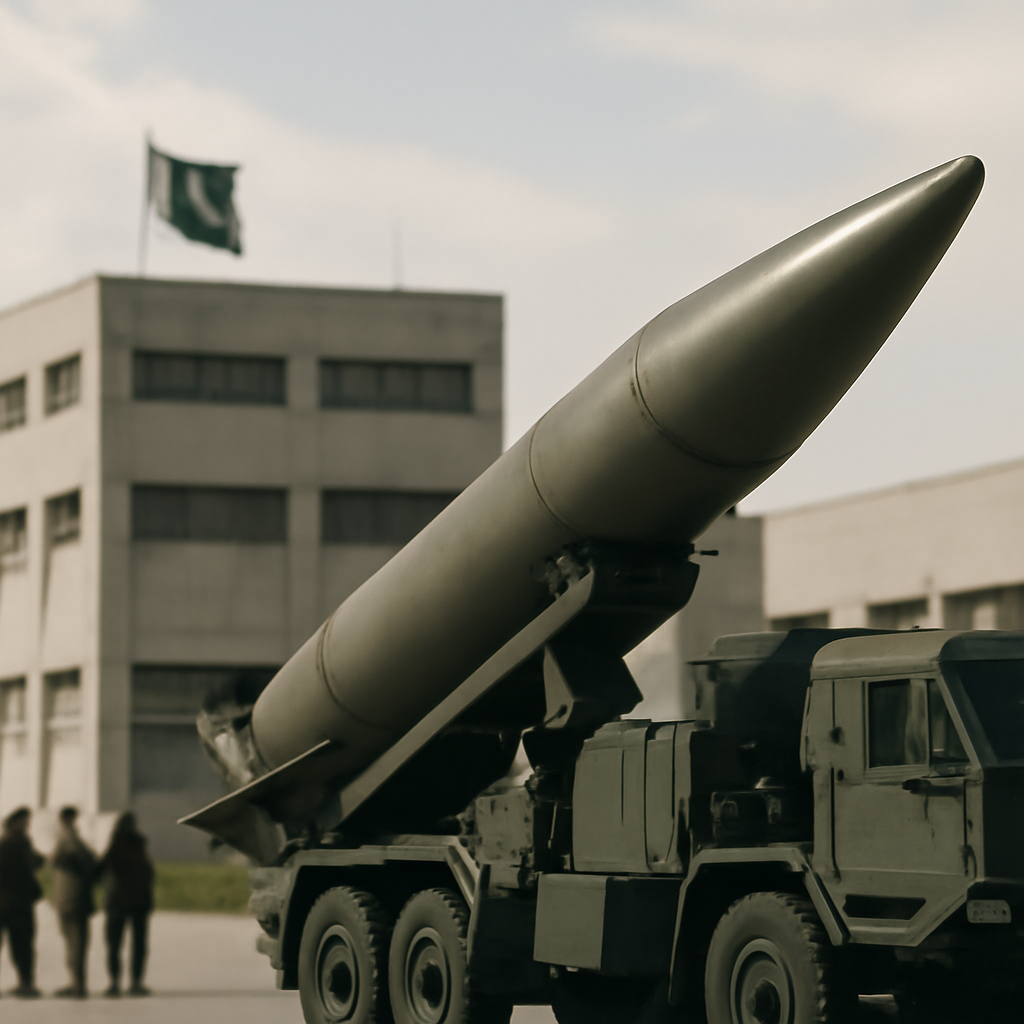
Saudi Arabia reportedly withdrew financing for the proposed $1.5 billion arms agreement with Sudan in April and urged Islamabad to terminate the arrangement entirely — a single decision that curtailed what Pakistan hoped would be a defining expansion of its defense exports and political influence in Africa.
Saudi Arabia’s April withdrawal and Riyadh’s strategic recalibration
Riyadh’s move to step back from funding the Sudan deal reflected a broader recalibration of Gulf strategy, according to the reporting. Initially, Saudi policymakers viewed Sudan through the lens of Red Sea security, worrying that instability could spill across the region, threaten maritime trade routes, and open space for rival influence. There were also worries about growing Emirati influence through support for the Rapid Support Forces (RSF).
But as Western governments quietly discouraged deeper Saudi involvement in African proxy conflicts, backing a massive arms transfer into one of Africa’s most volatile wars “is no longer viable for Pakistan,” the source said. Saudi Arabia’s withdrawal of financing and its urging that Islamabad terminate the deal signaled a preference for de‑escalation and strategic caution over deeper external intervention.
What Pakistan planned to send to Sudan — and why it mattered
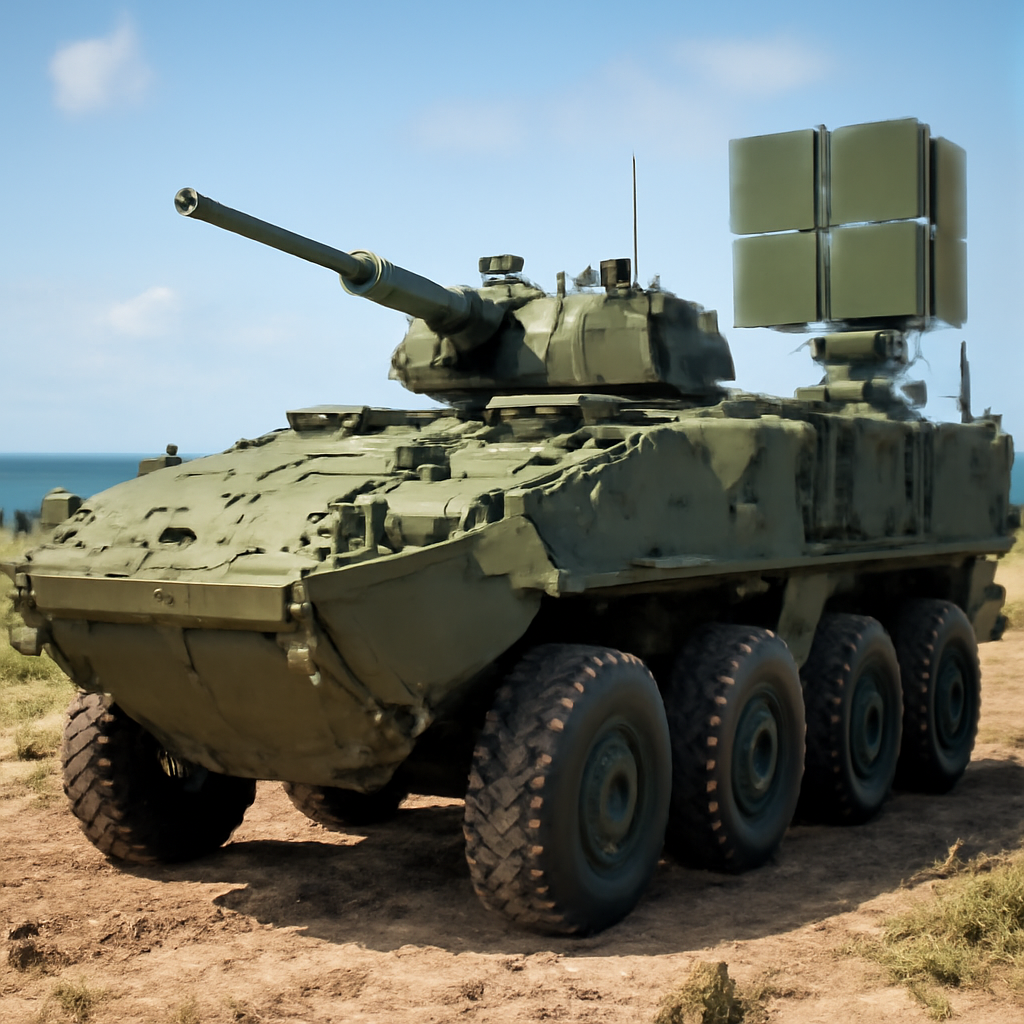
The Sudan package was large and concrete on paper: K-8 Karakorum light attack aircraft, hundreds of drones, armored vehicles, and advanced Chinese‑origin HQ‑series air defense systems routed through Pakistan. For Islamabad the deal was meant to be transformational — one of the largest arms export agreements in its history and a gateway into African security markets.
Beyond arms sales, the agreement was designed to deliver credibility and access. Success in Sudan could have opened markets across the Horn of Africa, East Africa, and the Sahel — the reporting specifically cited potential openings in Nigeria and Ethiopia — while enhancing Pakistan’s diplomatic standing within Muslim‑majority African states and influence in multilateral forums such as the Organization of Islamic Cooperation and the United Nations.

The cyber insurance questionnaire just landed. Now what?
SOC 2, HIPAA, insurance renewals - someone has to own security strategy. Nubivance provides fractional CISO leadership without the full-time salary.
Get a security leadChina and Turkiye: indirect roles in an emerging axis
The Sudan package underscored a triangular strategic logic. The inclusion of HQ‑series air defense systems highlighted China’s indirect role: routing Chinese‑origin systems through Pakistan could have allowed Beijing to extend influence while maintaining plausible deniability. Meanwhile, Turkiye’s interests aligned with Pakistan’s plan; Ankara has emerged as a major supporter of the Sudanese Armed Forces (SAF) and has expanded its political and security footprint across Africa, backing political forces associated with the Muslim Brotherhood.
The convergence of Pakistan, China, and Turkiye in support of the SAF suggested an informal geopolitical axis seeking greater influence across the Red Sea corridor and the Horn of Africa — a dynamic Riyadh evidently judged too risky to underwrite further.
Libya deliveries, a threatened $4 billion deal, and the limits of Islamabad’s reach
Pakistan’s Africa ambitions were not limited to Sudan. Reports indicate another proposed defense deal in Libya, worth $4 billion, may also be in jeopardy as Saudi Arabia reassesses its African engagements. Pakistan already delivered at least five cargo planes full of weapons to forces aligned with Libya’s eastern authorities, led by military ruler Khalifa Haftar, in April 2026.
If the Libya deal collapses alongside Sudan, Islamabad’s push to establish itself as a security actor on the African continent would be severely constrained — not simply by diplomatic setbacks but by finance. The episode exposed a fundamental weakness: ambitious foreign initiatives that rely on Gulf financing remain vulnerable to the shifting priorities of external patrons.
What this means for Pakistan, Saudi Arabia, and Sudan
- Pakistan: The cancellation is a setback for its effort to translate defense exports into hard currency and diplomatic influence. Faced with recurring economic crises, repeated IMF programs, foreign‑exchange shortages, and limited industrial exports, Islamabad lacks the independent financial resources to sustain large‑scale strategic ventures abroad without partners.
- Saudi Arabia: The withdrawal demonstrates a deliberate choice to favor de‑escalation over deeper engagement in African proxy conflicts, responding to Western discouragement and regional risk calculations tied to Red Sea security and competing Gulf influence.
- Sudan (and African states): The aborted influx of aircraft, drones, air defenses, and armored vehicles likely reduces the immediate risk of a major military escalation. Yet the episode also illustrates how African conflicts have become entangled with wider Middle Eastern rivalries, and that the presence — or absence — of external financing can decisively shape battlefield trajectories.
The collapse of the Sudan arms deal is more than a commercial disappointment for Islamabad. It is a strategic cautionary tale: Pakistan’s aspirations to parlay Islamic solidarity, military exports, and regional partnerships into sustained influence across Africa were premised on financing and political cover it could not guarantee. The question the episode leaves is explicit in the reporting: will Pakistan learn that strategic ambitions cannot reliably be built on capacities borrowed from others?
Source: The Diplomat — How Saudi Arabia Derailed Pakistan’s Africa Drive