[SPONSOREDNUBIVANCE]
Rapid7 deployed right the first time.
Full-platform Rapid7 rollouts - InsightVM, InsightIDR, event sources, agents, tuning - by a Registered Partner who has done it at state-agency scale, including OT/SCADA.
Talk deployment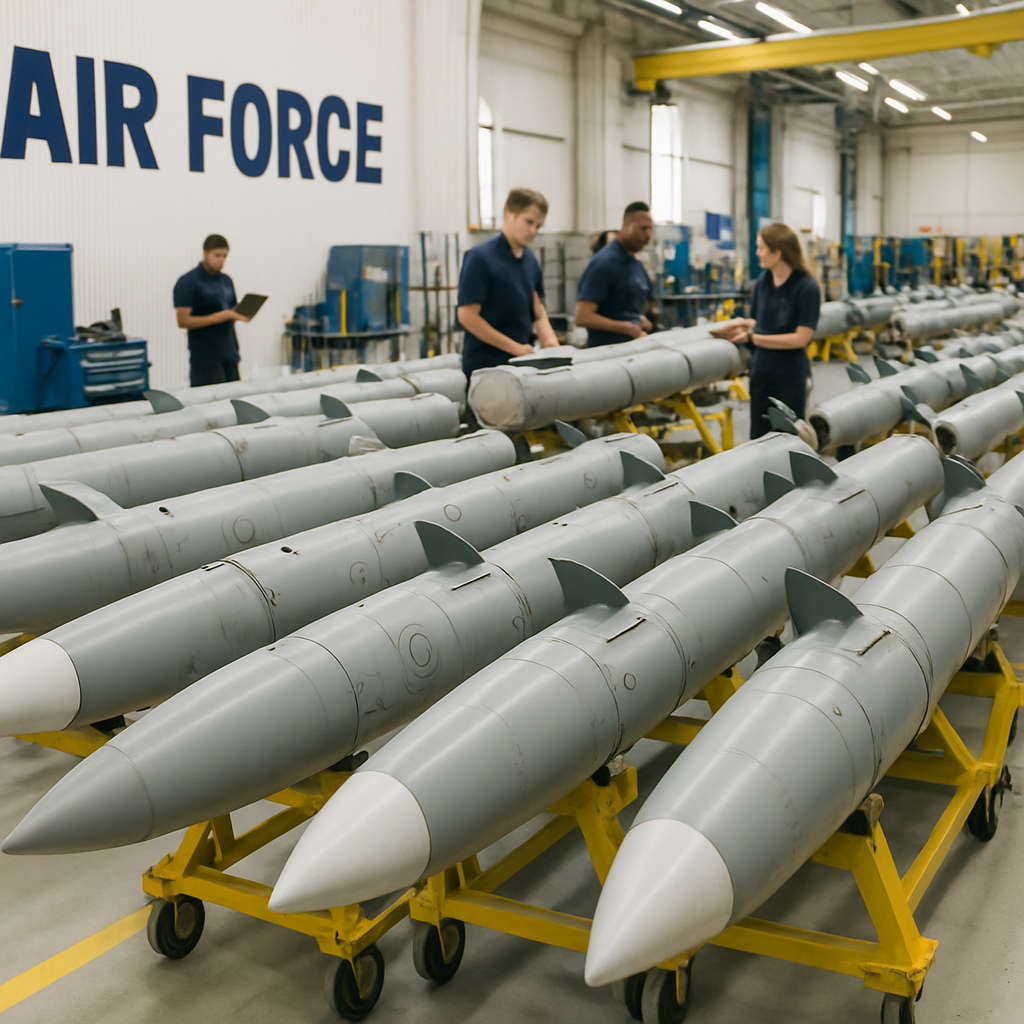
The Air Force is gearing up to supercharge its munitions inventory with a massive buy of nearly 27,000 low-cost cruise missiles, dubbed the Family of Affordable Mass Missile, with a whopping $12 billion allocated to stockpile the game-changing weapon. This aggressive plan aims to rapidly replenish stockpiles and expand production.
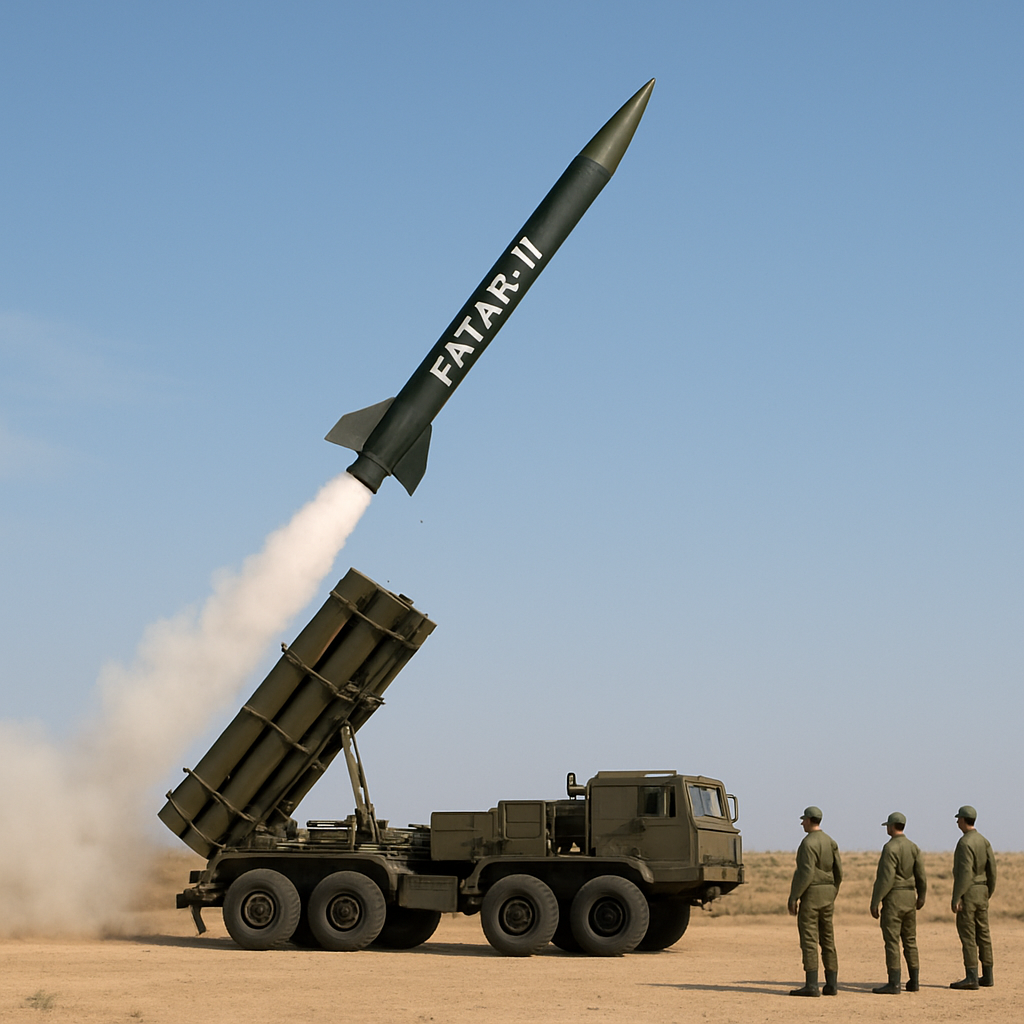
Pakistan's Army Rocket Force Command has successfully launched the Fatah-II missile in a training exercise, showcasing its unique trajectory and marking a significant milestone in crew proficiency and readiness. This latest test validates the system's technical capabilities and paves the way for enhanced accuracy and survivability.
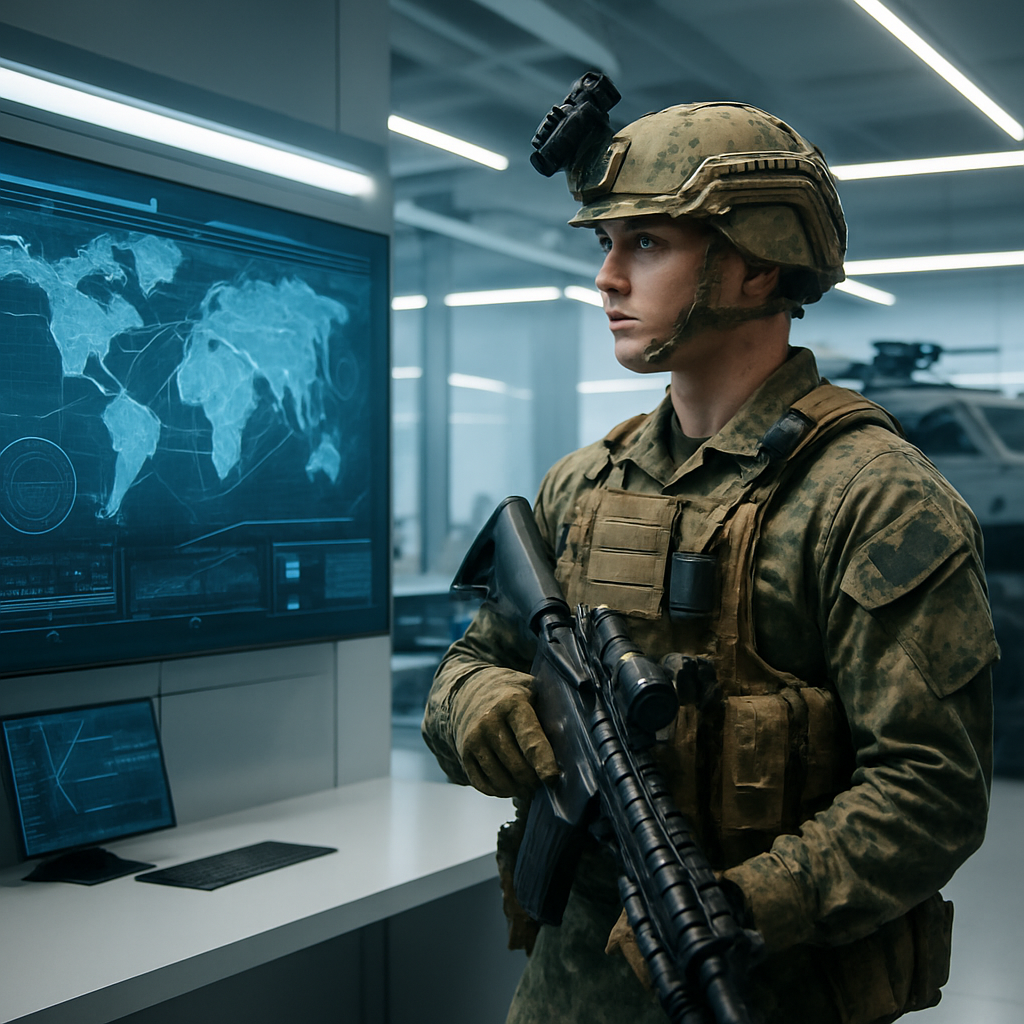
The US Marines' Ground Combat Element 2040 plan is a bold vision for the future, focusing on empowering Marines with cutting-edge technology to stay ahead of the curve. It's about equipping people, not just machines, to create the most lethal and survivable ground combat force in the world.

The Marine Corps is revolutionizing its land warfare strategy with a bold new doctrine, Ground Combat Element 2040, designed to tackle the challenges of drone-driven battles and great-power competition. This game-changing update is part of a broader effort to modernize the Corps and stay ahead of emerging threats.

The Navy's MQ-25A Stingray drone refueler has taken to the skies, completing its first flight in a major milestone for the program. This achievement brings the Navy one step closer to deploying a game-changing capability that will supercharge its fleet's range and firepower.

China and Iran are turbocharging their research collaboration, with a slew of agreements over the past 15 years - including pacts on nanotechnology, renewable energy, and artificial intelligence - binding leading research institutions from both nations together. The expanding partnership now encompasses over 180 Chinese research institutions, blurring the lines between civilian and military innovation.

The Pentagon has made a surprising proposal to Congress: rename the Defense Department to the Department of War, a change that would serve as a fundamental reminder of the importance of war and defense. If implemented, the name change would be rolled out in a cost-effective way, with minimal disruption and no significant impact on the budget.
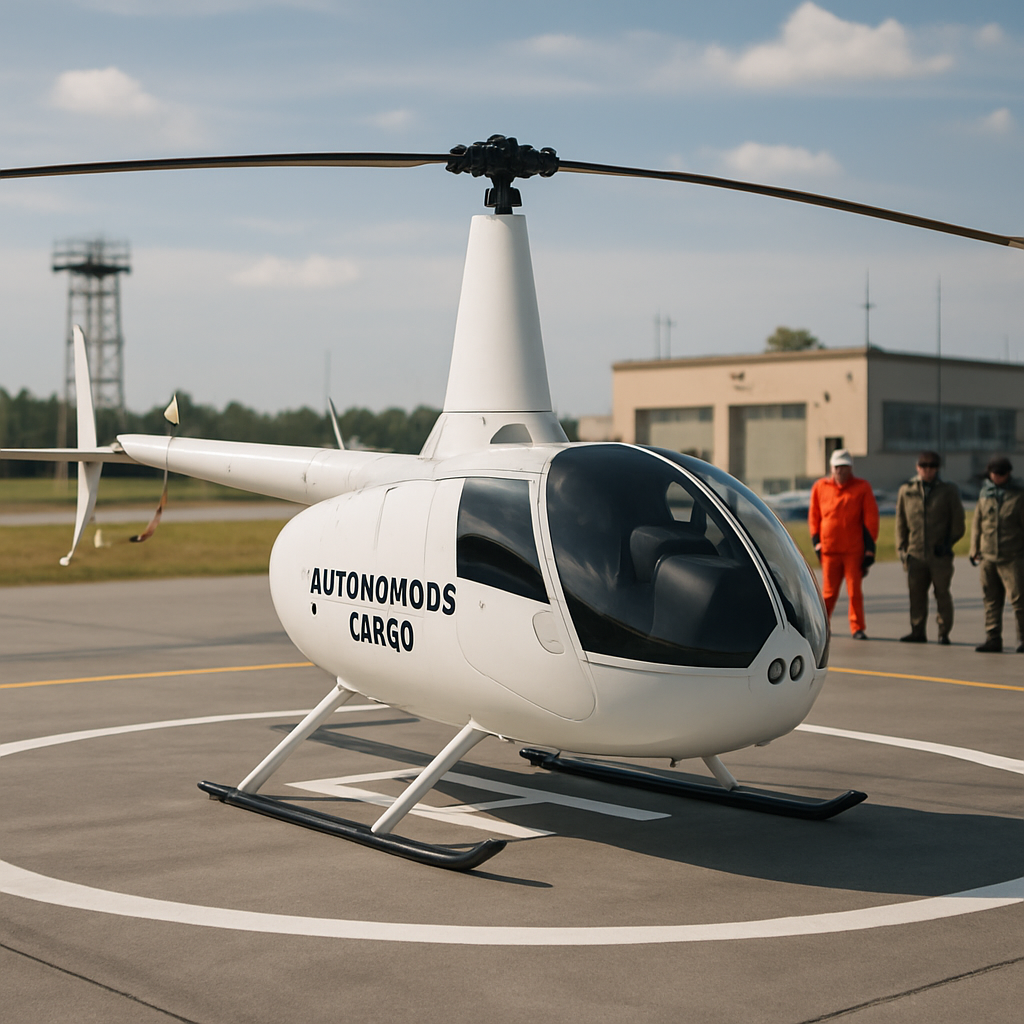
The US Marine Corps is taking autonomous cargo helicopters to the next level with the R66 Turbinetruck, a game-changing partnership between Robinson Unmanned and Sikorsky's MATRIX system. This cutting-edge tech pairs a reliable Robinson R66 airframe with Sikorsky's advanced autonomy system, empowering the Marines to tackle tough missions in contested environments.
Full-platform Rapid7 rollouts - InsightVM, InsightIDR, event sources, agents, tuning - by a Registered Partner who has done it at state-agency scale, including OT/SCADA.
Talk deployment
US Special Operations Command is rapidly integrating AI and autonomy into every level of its operations to revolutionize sensing, surveillance, and response capabilities on the battlefield. This cutting-edge technology enables the command to stay ahead of adversaries and project power with precision, says Adm. Frank "Mitch" Bradley.

Australia can supercharge its economic security by creating a Northern Hybrid Zone, turning its abundant resources into a powerful engine for growth. By following the US-Philippines' 4,000-acre precedent, Australia can anchor its supply chains, concentrate infrastructure, and embed resilience.

The Marines are taking a crucial step towards unified defense by integrating counter-drone technology, aiming to merge currently disparate systems into a cohesive solution. Lt. Col. R.M. Barclay revealed that wearable counter-unmanned aerial systems are being fielded to meet an urgent need, with a focus on non-kinetic, handheld solutions.

China's recent live-fire drills in the Tasman Sea and plans for future exercises signal a new era of normalized military presence in Indo-Pacific waters, with projections suggesting this assertive approach could become the norm by 2036. This shift marks a significant change in how Beijing deploys its force beyond its shores.

The Navy is calling on industry partners to join forces and develop cutting-edge solutions for munitions and shipbuilding, with Acting Secretary Hung Cao making a passionate appeal for collaboration that can literally save lives. By working together, these new partnerships can bring innovative ideas to the table and make a life-or-death difference for our service members and their families.

Get ready for a game-changer: Bell has just unveiled a bold, heavily armed MV-75 tiltrotor concept that's set to revolutionize Marine Corps capabilities. The futuristic design, inspired by the Army's MV-75A Cheyenne II, was showcased at the Modern Day Marine conference, sparking excitement about the possibilities of manned, unmanned, and optionally-piloted aircraft.

The US spy agencies are racing to revamp their AI workforce to stay ahead of adversaries, with the National Geospatial-Intelligence Agency aiming to complete a major workforce and IT transformation within three to five years. This overhaul will enable the agency to safely harness AI and keep pace with rival nations.

In his first public appearance as Acting Navy Secretary, Hung Cao shared insights from his own experiences and the importance of learning from past conflicts. With a humble nod to his sudden transition into the role, Cao reflected on change and resilience at the Modern Day Marine conference in Washington, D.C.
Evidence in spreadsheets, controls drifting between audits, frameworks multiplying on flat headcount. Nubivance runs continuous compliance on Rapid7 Cyber GRC - SOC 2, HIPAA, ISO 27001, PCI, CMMC.
End the scramble
The US Army is seeking cutting-edge commercial solutions for electronic warfare and signals intelligence, aiming to build a trusted library of innovative technologies that commanders can quickly tap into to tackle their unique mission needs. This initiative, called REWSI, will streamline the process of finding and deploying the best tools for the job.

To stay ahead of evolving threats, the US military is turning to a software-defined approach to secure its space assets and maintain freedom of action. By adopting open-systems architectures, satellite operators can rapidly update spacecraft software in orbit and counter adversarial moves with speed.

UK lawmakers are sounding the alarm that the AUKUS submarine program is at risk of delays due to insufficient investment in upgrading the BAE Systems shipyard in Barrow, England, where the submarines will be built. If upgrades continue to slip, it could have serious consequences for UK national security and damage credibility with AUKUS partners.

A dispute is brewing over the Army's massive $50 billion MAPS contract, with MetroStar Systems filing a protest at the Government Accountability Office citing concerns over transparency. The protest could delay the awarding of this lucrative 10-year contract.

The Harbin Destroyer, a stalwart of China's naval fleet for nearly three decades, is poised to meet its final voyage as it is widely expected to be decommissioned. Its retirement will likely pave the way for the introduction of newer, more advanced vessels, such as the proposed 12th Type 055.

Australia is supercharging its army with a $2.3 billion boost, including cutting-edge HIMARS rocket systems and advanced Precision Strike Missiles that can hit targets over 1,000kms away. This game-changing upgrade will significantly ramp up the country's defence capabilities.

The Pakistan Navy has set its sights on a formidable fleet of over 50 ships, including 20 major surface vessels, a goal that has driven nearly two decades of strategic shipbuilding and modernization efforts. This ambitious vision has been taking shape since 2007, with a focus on replacing aging vessels with cutting-edge, cost-effective platforms.

To stay ahead of adversaries, the US must restrict their access to advanced AI chips - a crucial step in preventing them from replicating the capabilities of American AI models. Blocking exports of these chips to China is a vital move, experts warn.