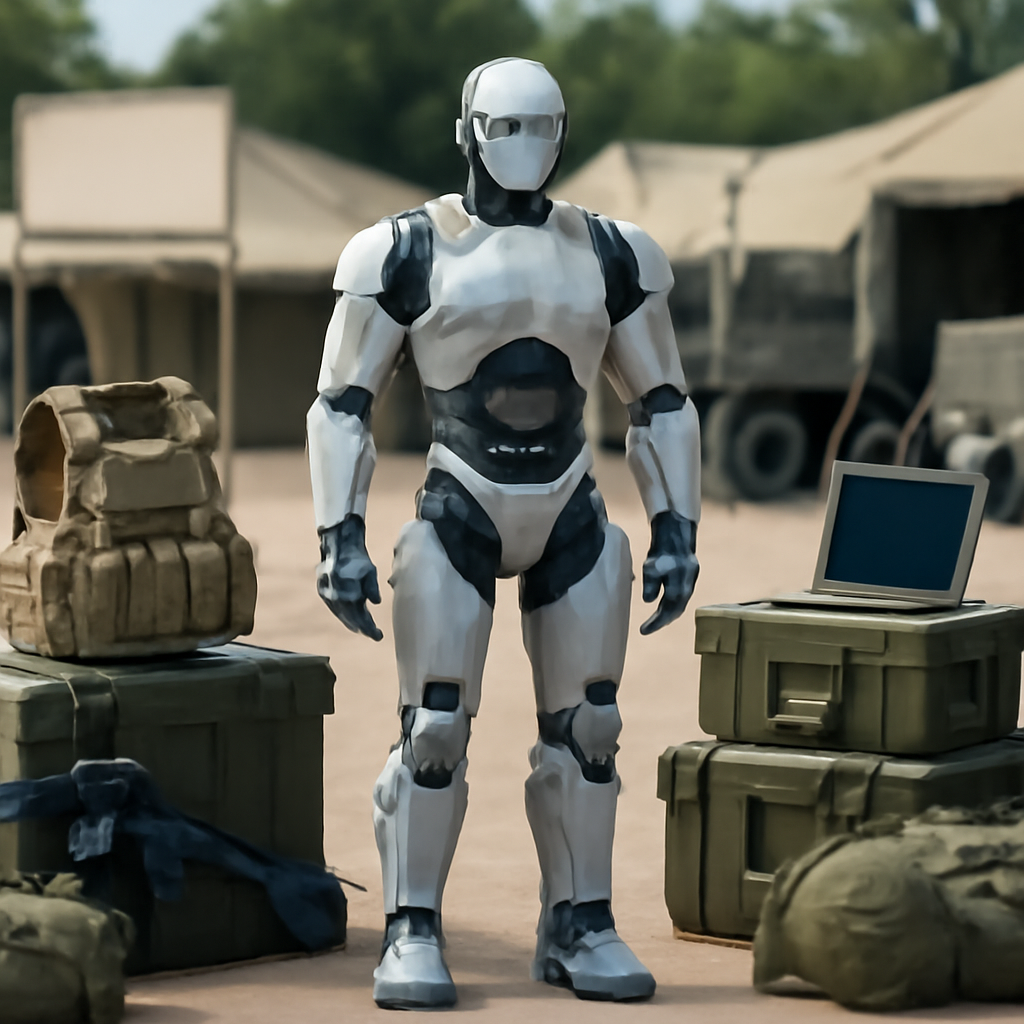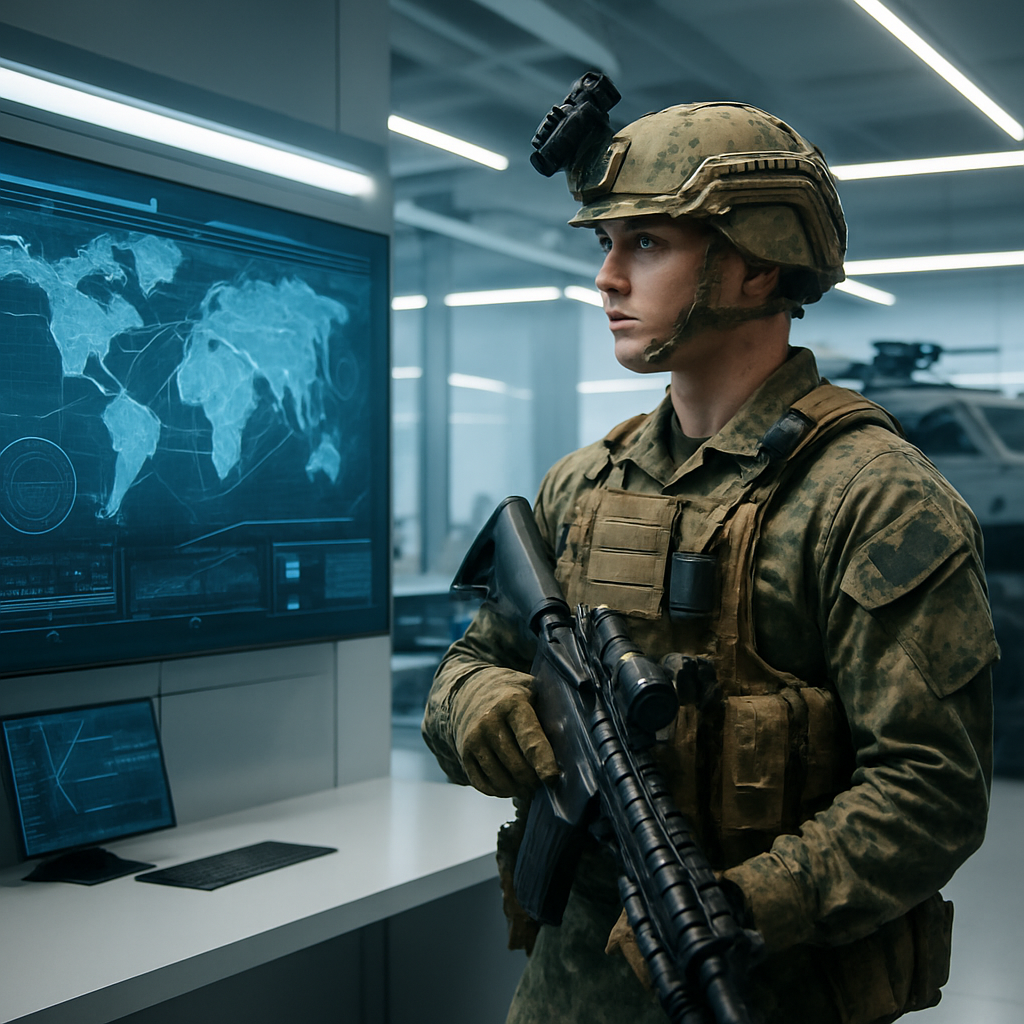
“GCE 2040 is about equipping the Marine, not the machine,” the video stated.
Maj. Gen. Jason Morris frames a deliberate, technology-forward trajectory
At the Modern Day Marine Expo in Washington, D.C., Maj. Gen. Jason Morris described Ground Combat Element 2040 (GCE 2040) as an opportunity “to describe the future of the ground combat element in the United States Marine Corps.” He said the concept builds on the Marine Force Design 2030 initiative and seeks “a clear vision of the capabilities required to field the most lethal, survivable ground combat element in the world.” Morris emphasized the need for a pathway “over the next three fiscal year defense programs” to remain adaptable while integrating new technologies into Marine divisions and subordinate formations.
Human-centric warfare, Project Dynamis, and distributed decision-making
The Marines are pitching GCE 2040 as a human-centric approach to future combat. The video shown at the expo—still not published online, the Corps said—frames the plan around enabling Marines to “sense, make sense and act with greater speed and precision than any adversary.” That includes integrating robotic and autonomous systems into formations and “operationalizing AI at the tactical edge through concepts like Project Dynamis,” which the Marines describe as an integrated battle management system. The video states the goal of establishing “persistent, survivable [command and control] networks that enable decision making at machine speed from the strategic level down to the squad.”

Audit-ready is a season. It shouldn't be.
Evidence in spreadsheets, controls drifting between audits, frameworks multiplying on flat headcount. Nubivance runs continuous compliance on Rapid7 Cyber GRC - SOC 2, HIPAA, ISO 27001, PCI, CMMC.
End the scrambleAir defense devolved: MADIS, MRIC and squad-level protection
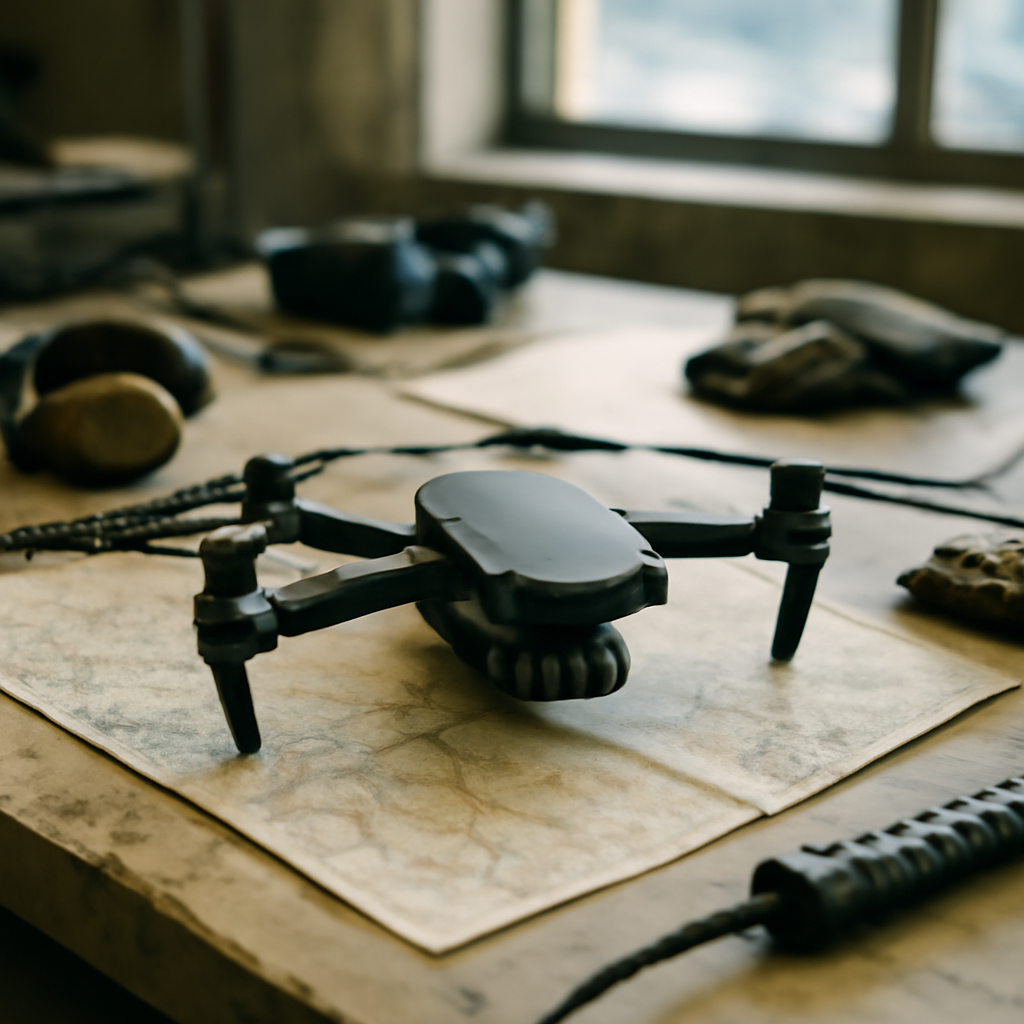
The Marines told reporters that countering ubiquitous attack drones is a central impetus for GCE 2040. “The proliferation of inexpensive one-way attack drones is the most significant tactical threat we face,” they said. While systems such as the Marine Air Defense Integrated System (MADIS) and the Medium-Range Intercept Capability (MRIC) remain “critical for a layered defense at echelon,” the Corps said it must “continue to thicken the protective layer that cover Marines at all echelons.” The plan explicitly addresses devolving air defense down to smaller units and even the individual Marine, reflecting the Corps’ broader focus on distributed, layered protection.
Autonomy, AI and a doctrine of trading hardware risk for personnel safety
GCE 2040 treats autonomous systems and AI as team members—not merely tools. The Marines said both technologies will be critical to enabling future “kill webs,” and that training will emphasize accepting risk with hardware rather than troops. The Corps also called for increased investment in “multi-domain lethality and targeting systems” and “dispersed, AI-enabled targeting systems to create a network of sensors across the entire GCE.” Interoperability with other U.S. military branches and allies is highlighted as essential to tying those sensors and weapons together.
Operations in the Pacific: contested domains, logistics strain, and lessons from recent conflicts
The GCE 2040 concept envisions fighting “inside the Chinese weapons engagement zone” and across wide oceanic distances, where standoff fires and advanced non-kinetic effects—“like advanced electronic warfare”—would be more damaging and disruptive than recent fights against Iran, the Marines said. Maj. Gen. Farrell J Sullivan, Commanding General of the Second Marine Division, framed the future fight as a “high-end fight, where all domains are contested,” and noted logistics would be strained “as like never before.” Sullivan also drew lessons from combat over the last decade, pointing to the evolution of unmanned systems—large drones like Shahed-136s and smaller first-person view (FPV) types—as becoming a major threat in places such as Ukraine and the Middle East.
What this means for technologists, policymakers, and Marine divisions
- Technologists and security teams: Expect requirements for AI-enabled, distributable targeting and sensor networks; the Marines are prioritizing autonomy, tactical-edge AI, and interoperability as explicit system attributes.
- Policymakers and procurement leaders: The Corps signaled a multiyear acquisition focus—“a pathway over the next three fiscal year defense programs”—and will likely direct funding toward layered air defense (MADIS, MRIC), robotics, and integrated battle management like Project Dynamis.
- Marine divisions and commanders: Training and force design will emphasize human-centric employment of autonomous systems, devolved command-and-control, and tactics that trade hardware risk for personnel safety while operating in contested maritime and electromagnetic environments.
GCE 2040 remains a working concept: the Corps showed an internal video and said a document will be published in the coming weeks. The Marines have promised more detailed guidance soon; for now the public picture is of a force intent on marrying human-focused doctrine with AI, autonomy, distributed air defense, and networked lethality to shape operations from squad level to division in highly contested environments.