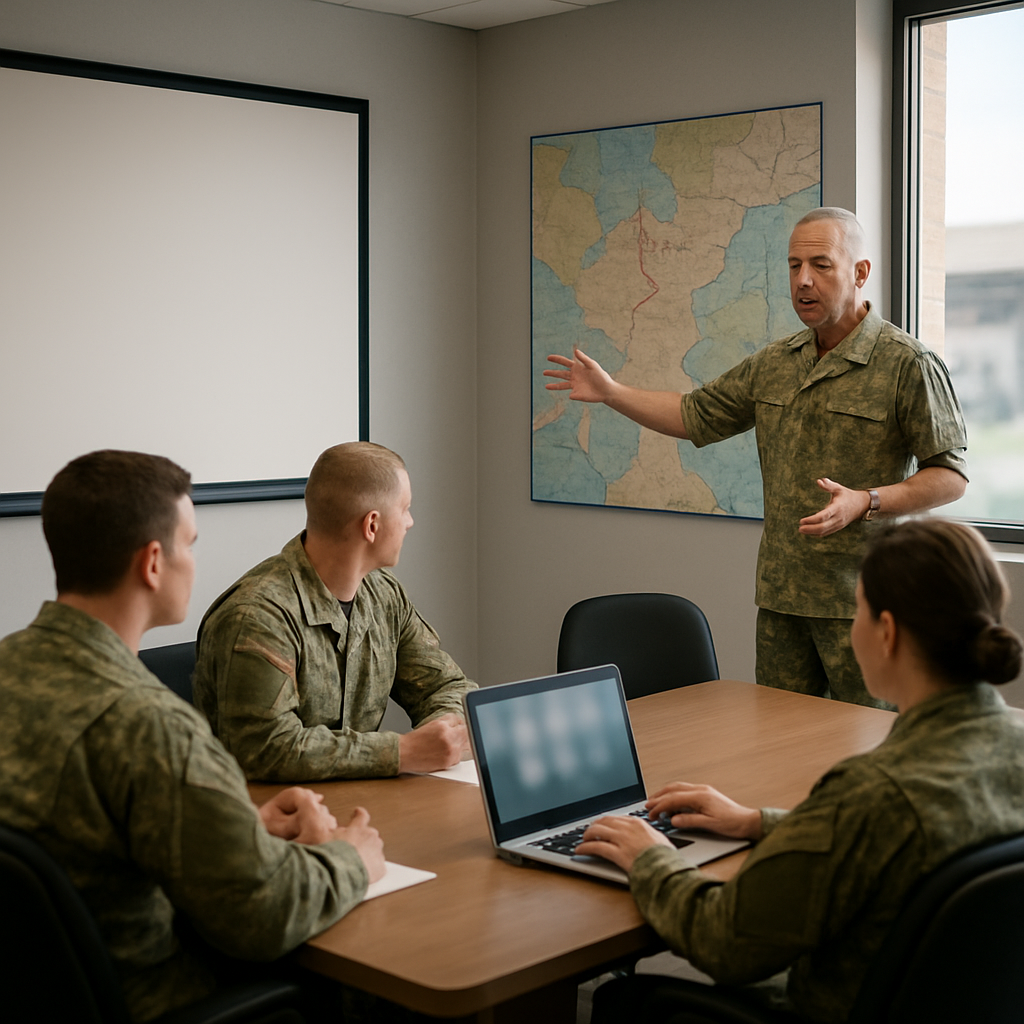
"From the battlefield to the back office, [we are] finding ways to be able to bring autonomy, attritable, mass autonomy, to bear is a very important part of how we on the edge can leverage our placement and access," Adm. Frank "Mitch" Bradley told the Senate Armed Services Committee.
Adm. Frank "Mitch" Bradley: AI and autonomy "at every level"
At a Senate Armed Services Committee hearing, Adm. Frank "Mitch" Bradley testified that artificial intelligence and autonomy are being integrated into U.S. Special Operations Command operations "at every level." He described those technologies as "critical" to sensing the battlefield, continuously surveilling adversary forces and targets, and providing "the ability to project violence, should that be required." Bradley framed the technologies not only as force multipliers for special operations activities but as tools that improve partnerships with foreign militaries.
Smaller, nimble actors drive faster returns
Bradley’s testimony emphasized a broader dynamic: smaller, more agile organizations are able to derive outsized returns from AI and autonomy. He and the reporting point to market signals — a boom in valuation for AI-focused defense startups such as Anduril, Shield AI, and Swarmer — as evidence that younger companies are growing faster than traditional defense contractors. Bradley tied that pattern to battlefield examples, citing how Ukraine’s use of drones and autonomy has helped it withstand invasion and spurred rapid tactical adaptation.

Audit-ready is a season. It shouldn't be.
Evidence in spreadsheets, controls drifting between audits, frameworks multiplying on flat headcount. Nubivance runs continuous compliance on Rapid7 Cyber GRC - SOC 2, HIPAA, ISO 27001, PCI, CMMC.
End the scrambleA different acquisition posture than the Navy
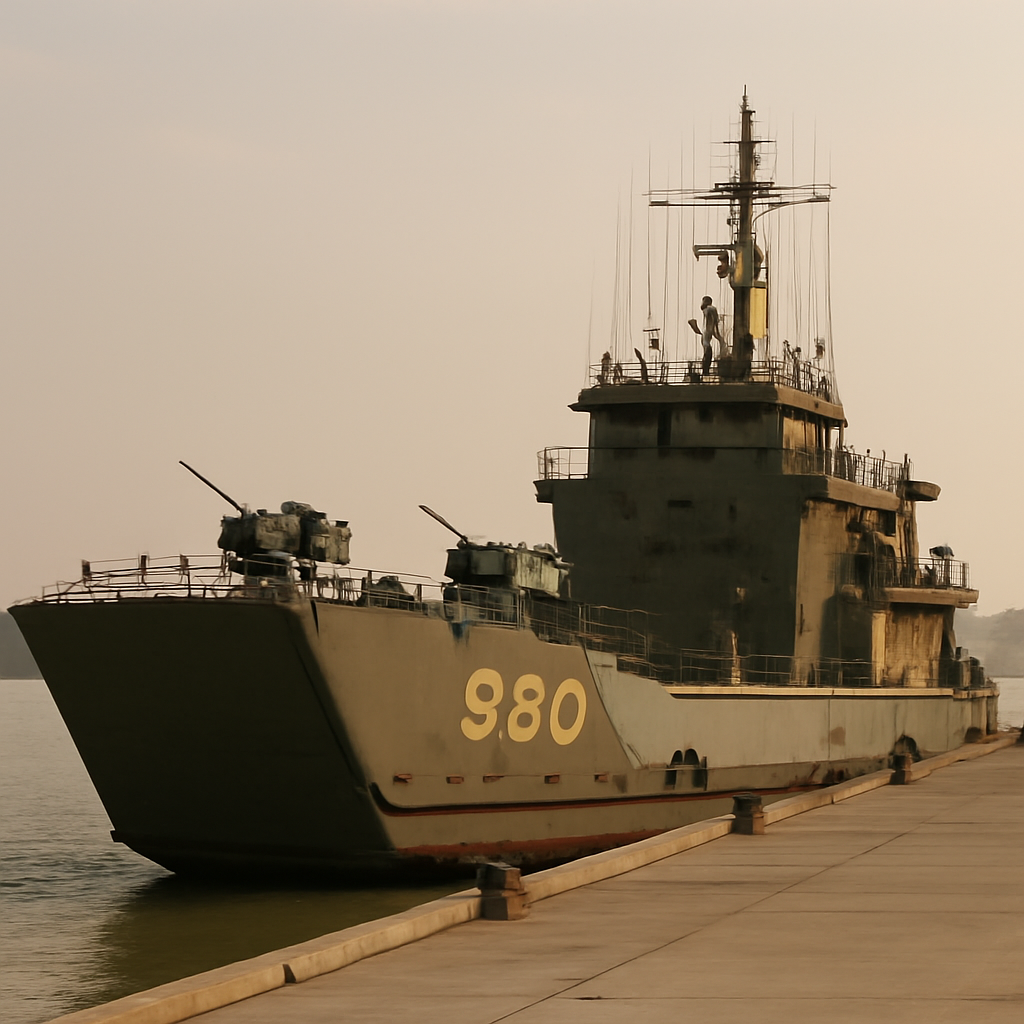
The testimony contrasted SOCOM’s flexible posture with larger, maintenance-heavy service programs. The Senate hearing referenced a Navy plan to spend $6 billion to acquire 70 Medium Unmanned Surface Vessels; Sen. Rick Scott, R-Fla., expressed clear disapproval at that expenditure during a separate hearing, arguing it did not match the value of smaller, cheaper systems such as Ukrainian robot boats. Bradley argued SOCOM’s outreach and acquisition approaches are more adaptable: the command has issued a broad request to industry for ideas on maritime autonomy, human performance, command-and-control (C2) technology, and "scalable effects" — examples include directed energy, electronic warfare, cyber-enabled effects, and precision engagement tools.
Partnerships, testing, and the search for contested ranges
Bradley highlighted SOCOM’s role in helping partner militaries adopt AI and autonomy. He said SOCOM seeks to enable partners who "generally don't have the same budgets we do" to buy capabilities that grant them asymmetric advantages. He also described the U.S.–Ukraine military relationship as mutually informative: "Special operations forces were critical to helping Ukraine stand up new concepts and tactics to thwart Russia’s advance in 2022," and "Frankly, we learn from them," Bradley said.
That bilateral learning matters for acquisition and testing. Bradley argued that meaningful trials against modern adversaries "requires more exquisite ranges that have the ability for us to be able to practice, train and rehearse in increasingly contested electromagnetic spectrum environments," and he warned that such environments are "difficult to be able to produce inside the United States." He said SOCOM is working to bring together "standard, exquisite weapons systems now with teamed and collaborative autonomy," underscoring constraints on where and how those systems can be validated.
What this means for technologists, policymakers, and partner militaries
- Technologists and the defense industrial base: Bradley said many industry partners are "watching" the rapid cycle of adaptation in Ukraine and that he has "great confidence that our industrial base here can do the same." Companies focused on autonomy, C2, electronic warfare, and scalable effects will be watched closely for practical, deployable solutions.
- Policymakers and service leaders: The contrast between a multibillion-dollar Navy procurement and SOCOM’s open requests highlights competing acquisition philosophies. Policymakers will need to balance investments in large, maintenance-intensive platforms with agile buys of attritable, mass-autonomy systems that special operations leaders favor.
- Partner militaries (including Ukraine): SOCOM explicitly frames AI and autonomy as tools to enable partners that lack U.S. budgets to obtain asymmetric advantages. Partners will likely continue to be both recipients of capability and sources of operational lessons for U.S. forces.
Maven — an Air Force Special Operations Command tool for video and data analysis that has evolved into "a widely used program of record" — was cited as a concrete example of how a special-operations-developed system can scale inside the U.S. military. Taken together, Bradley’s testimony sketches a command that intends to move quickly: soliciting industry ideas for maritime autonomy and scalable effects, learning from wartime innovation abroad, and wrestling with where to test systems in contested electromagnetic environments.
The immediate questions the facts leave on the table are practical: where will SOCOM find the "exquisite ranges" needed to rehearse autonomy under contested-spectrum conditions, and how rapidly will industry convert the broad requests into fielded, interoperable capabilities that partners can afford? Bradley’s testimony makes clear the intent; the coming months will show whether the necessary testing grounds and procurement pathways keep pace.