


Defense Tech

U.S. Army Selects AV for Drone Interceptor Missile
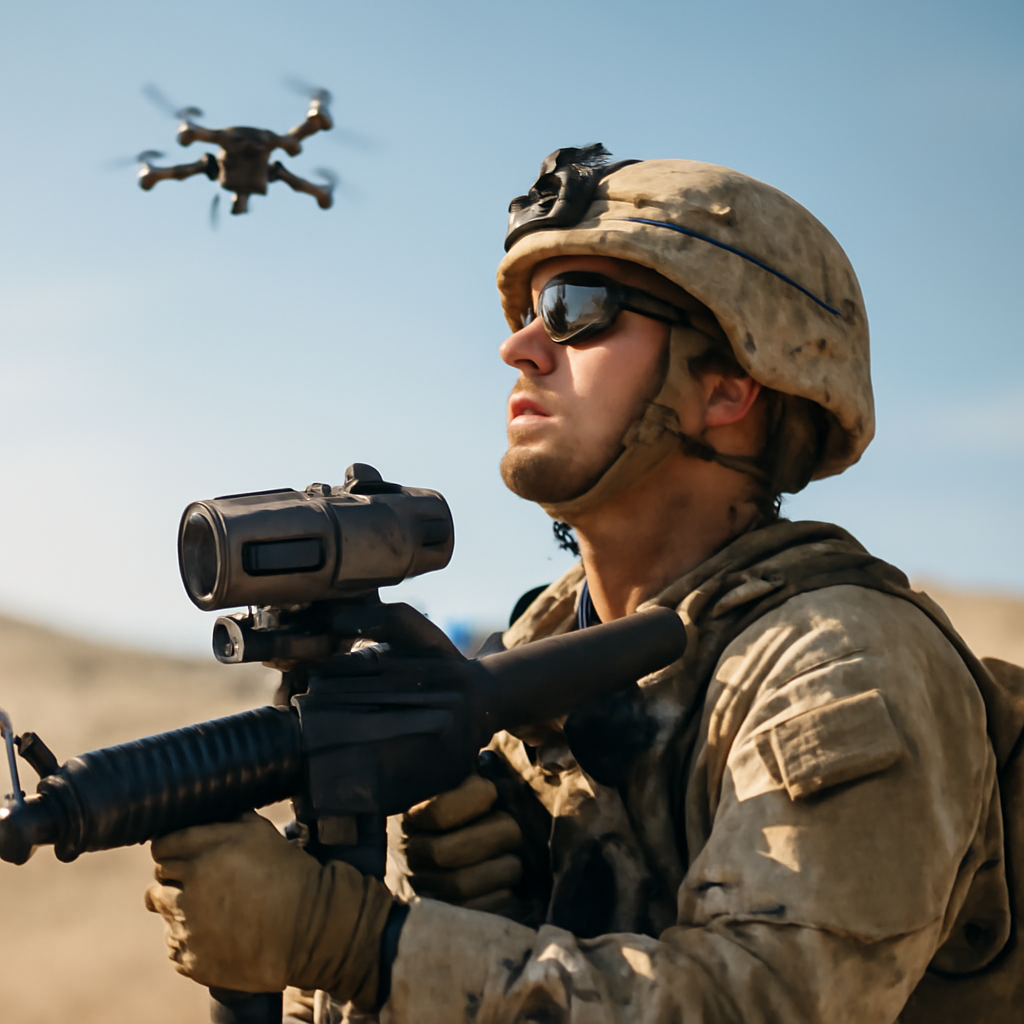
When the sky stopped feeling safe, the Army turned to AeroVironment — makers of the Raven and Puma — awarding $95.9M to build a Next‑Gen interceptor missile that brings kinetic punch to stop swarming quadcopters, fast drones and loitering munitions.

Thales, Kongsberg Test New Strike System in Live Trials
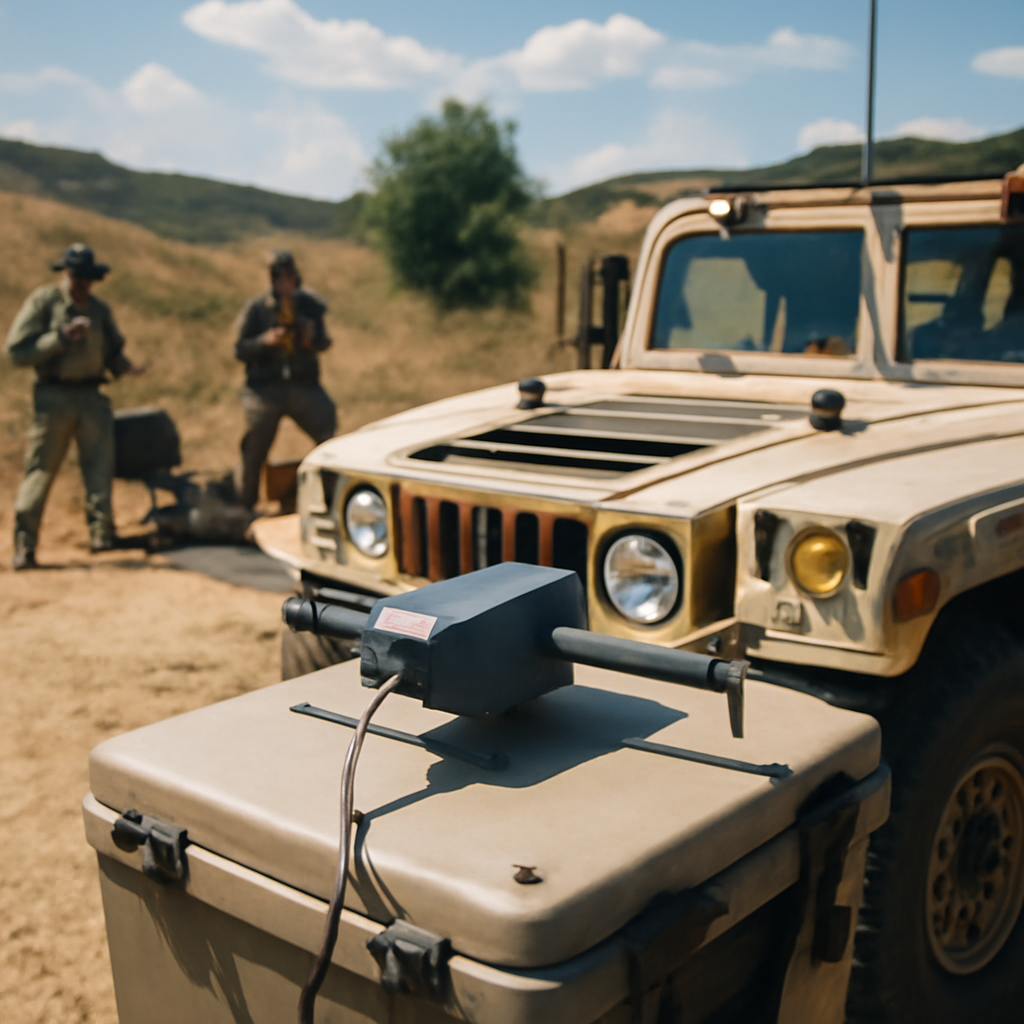
Could a troop‑carrying Bushmaster become a sea‑hunter? In Norway Thales and Kongsberg proved it can — firing a Naval Strike Missile from a Bushmaster‑based StrikeMaster to demonstrate a containerised, vehicle‑mounted anti‑ship system that turns a protected mobility vehicle into a nimble, road‑mobile sea‑denial asset.

Thales and Kongsberg Test New Strike System in Live Trials
Think of the trusty Bushmaster with fangs: Thales and Kongsberg just proved a protected land vehicle can launch the Naval Strike Missile in live trials in Norway, showcasing a fast, concealable, networked coastal-strike option. The StrikeMaster demo pairs Australian mobility with a modern NSM seeker to slash reaction times and validate performance under tough, real-world conditions.

Thales, Kongsberg Begin Tests of New Strike System
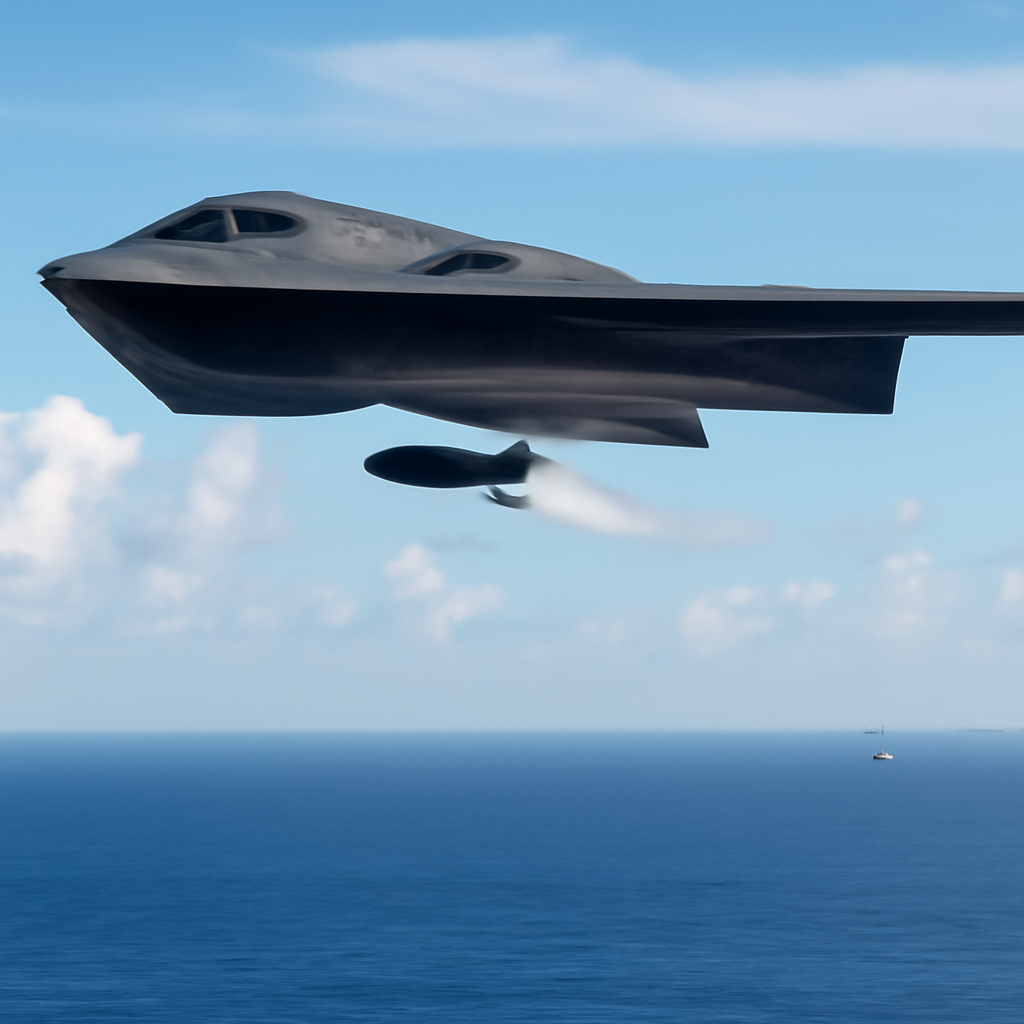
Imagine the Bushmaster with fangs: Thales and Kongsberg just fired a Naval Strike Missile from a Bushmaster-based StrikeMaster, turning a protected mobility vehicle into a mobile coastal strike launcher. That shift could let Australia disperse anti-ship firepower, complicate enemy targeting and strengthen sea-denial defenses.

France Tests Next-Gen Missile for Combat Helicopters
France is testing a next-generation missile for combat helicopters — promising smarter targeting, longer range, and a big boost to pilot safety that could reshape battlefield airpower.

Ukraine begins talks for 100+ Gripen jets
Ukraine has launched talks to buy over 100 Gripen fighters — a bold, potentially game-changing move that could dramatically strengthen its air defenses and reshape regional air power.

Mysterious Russian Drone Spotted in Combat Zone
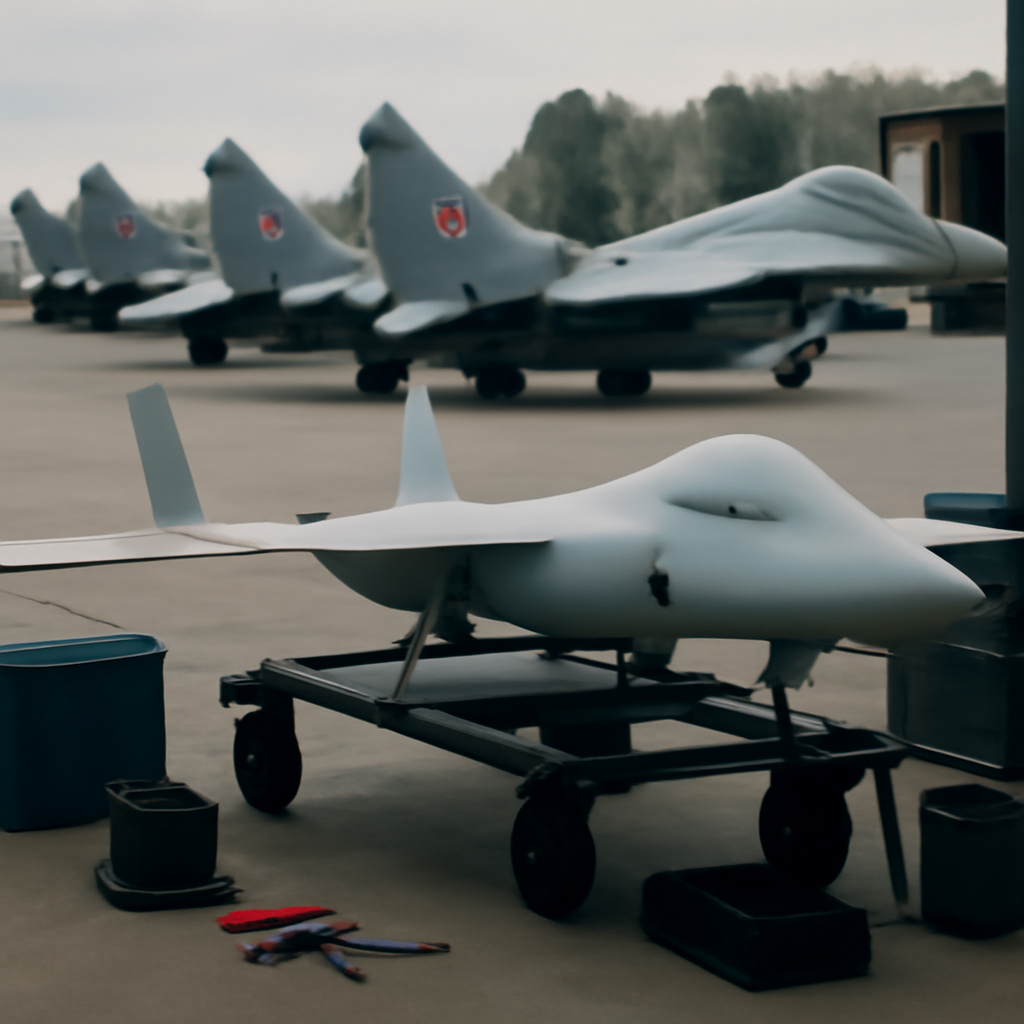
Imagine spotting a flying doughnut over the front lines — Ukrainian electronic‑warfare specialists say Russian units are testing an unusual annular ring‑wing drone that looks nothing like the usual quadcopters. Its circular design could trade wingspan for endurance, potentially changing how drones loiter, scout and strike.

France Unveils CALAMAR Range for Next-Gen Weapons Tests
Meet CALAMAR, France’s new multi‑domain test range at Cazaux where Rafales, Tigers, guided munitions and advanced sensors are run through realistic, integrated trials to prove they work together in contested air and electromagnetic environments. By centralizing those tests, the DGA speeds development, cuts technical risk and strengthens France’s ability to certify and field cutting‑edge systems independently.

Army Seeks Drones That Understand Commander’s Intent
Imagine drones that don’t just follow waypoints but actually grasp a commander’s intent and act like teammates — the Army’s draft UAS strategy calls for a new career field, advanced autonomy training, and even soldier-built, mission-tailored drones to make that vision operational.

Army Readies Second Test of Next-Gen C2 Prototype
The Army is gearing up for a second field test of a next‑gen command‑and‑control prototype — a bold experiment to treat C2 as a living, iterated ecosystem built with soldiers and developers together, not a one‑time delivery.

Army Aims to Break Ground on Microreactor by 2027
Can a compact nuclear plant make a base safer or invite new vulnerabilities? The Army’s bid to field a microreactor by 2027 promises steady, on-site power for critical missions — but tight timelines collide with thorny fuel, safety and regulatory challenges.

Army Eyes AI to Staff Artillery and Air Defense
The Army is exploring AI to augment—not replace—artillery and air-defense crews, promising faster sensor fusion, quicker target ID and persistent operations; but leaders warn the tech is still brittle, data-starved and vulnerable in contested battlefields.

Army Seeks AI to Bolster Artillery and Air Defense
Facing hypersonics, drone swarms and nonstop electronic attack, the Army is racing to give cannons, missile batteries and radar nets human-like judgment with AI to speed targeting and coordinate fires. But Army leaders caution the tech isn’t there yet — prototypes are promising, yet gaps in data, robustness, edge compute and human-control rules keep battlefield-ready systems out of reach.

Startup Reinvents Battlefield Medicine in the Drone Era
Imagine a field hospital that keeps running even when the sky above it is a battlefield—this startup is building hardened, networked mobile hospitals with redundant power, mesh comms, counter-drone defenses and unmanned resupply. Their goal: move beyond the golden hour to sustained, survivable care when evacuation and logistics are no longer guaranteed.

U.S. Lawmakers Press for Defense Biotech as China Advances
As China accelerates investments in synthetic biology, U.S. lawmakers are pushing for a fast, ethics-first surge in defense biotech. From shelf-stable blood for frontline medics to real-time biosensors and biological camouflage, these innovations could redefine how wars are fought — and how lives are saved.

Startup Reinvents Battlefield Medicine for Drone Era
When the skies fill with cheap, dangerous drones, a small startup is reimagining battlefield medicine: modular, defendable field hospitals with hardened comms, counter‑drone systems, telemedicine and resilient logistics to keep blood, power and care flowing for days instead of hours.

Lawmakers Urge Defense Biotech Research as China Advances
Picture medics on a remote battlefield using shelf-stable blood and commanders alerted hours early by tiny biosensors — now lawmakers are pressing the Pentagon to accelerate biotech research to keep pace with China. The push could revolutionize medical care and biosurveillance, but it also raises tough ethical and strategic questions about arms races and deception.

Lawmakers Urge Boost in Defense Biotech as China Advances
What if a vial of blood could sit on a desert shelf for months or a uniform became invisible to biological sensors? Thats why lawmakers are urging the Pentagon to speed up defense biotech — from long‑lasting battlefield blood and rugged biosensors to biological camouflage — before China pulls ahead.

Inside Europe’s urgent push to build a drone wall
Europe is racing to build a drone wall — a layered, networked shield to detect and defeat swarms of cheap, self-flying drones that have rewritten the rules of war and now threaten cities. Born from hard lessons in Ukraine, the effort blends new tech, cross-border policy and legal limits to stop nimble, low-cost threats before they strike.

Army Pacific Trials Drone Boats and New Landing Craft
As the sea becomes a contested battlefield, the U.S. Army is trialing drone boats and redesigned landing craft in the Pacific to scout, resupply and shield littoral convoys. These small, networked vessels could keep sailors and soldiers moving — and safer — amid growing coastal threats.

Air Force Debuts Pilotless Cargo Flights in Pacific
Could cargo planes cross the Pacific without pilots in the cockpit? This year the Air Force quietly tested remotely‑operated cargo flights during REFORPAC to cut costs, ramp up sortie rates, and make supply lines across the vast Indo‑Pacific more resilient—while keeping humans firmly in control.

Ukraine Drones Avert Defeat, Fail to Secure Victory
Swarming, low-cost drones have repeatedly kept Ukraine in the fight—disrupting logistics, shortening kill chains, and preventing routs—but their impact has been largely tactical, buying time rather than delivering a decisive, war-ending breakthrough.

Ukraine’s Drone Milestone: Defense Held, Victory Uncertain
A wave of cheap, internet‑connected drones has given Ukraine game‑changing eyes and strike power—blunting offensives and keeping the country afloat—yet despite reshaping the battlefield, mass UAS have so far prevented defeat without delivering a decisive victory.

satellite laser warning systems: Must-Have Defence Boost
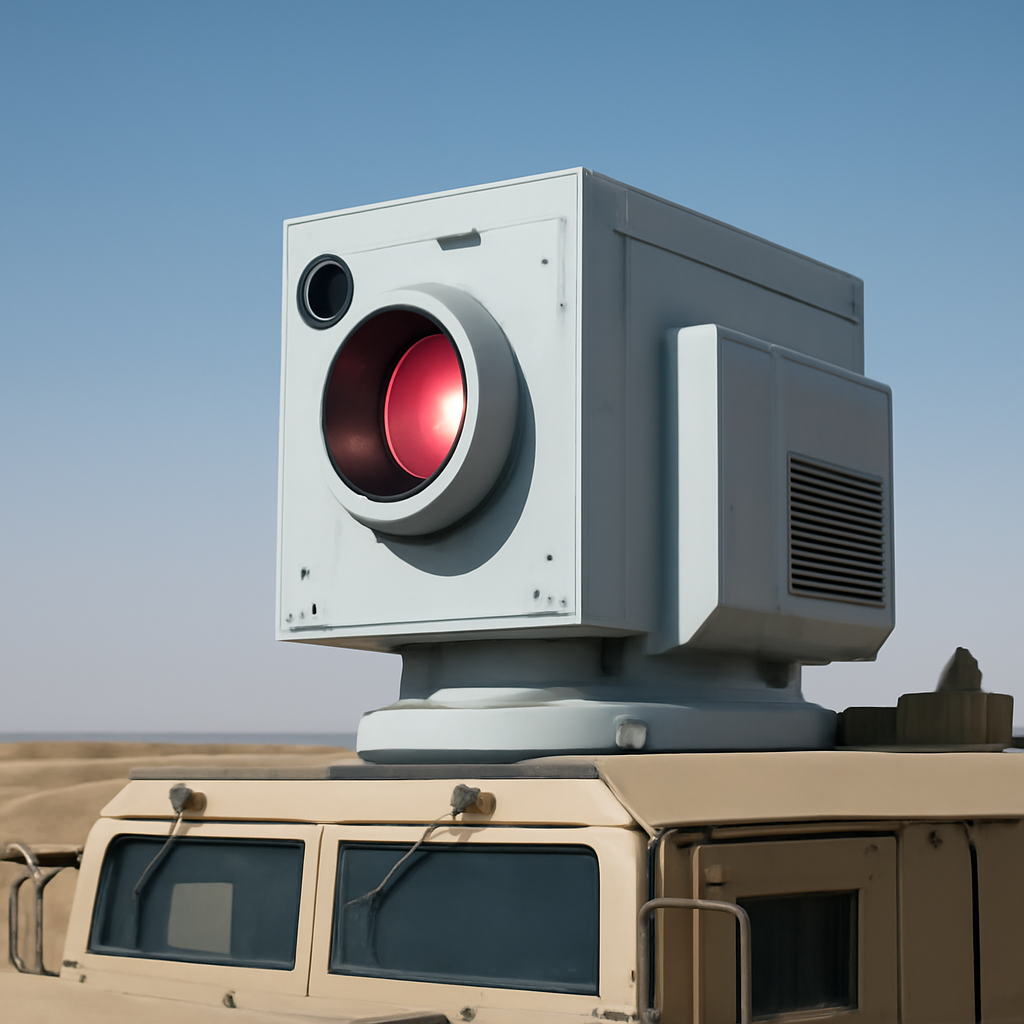
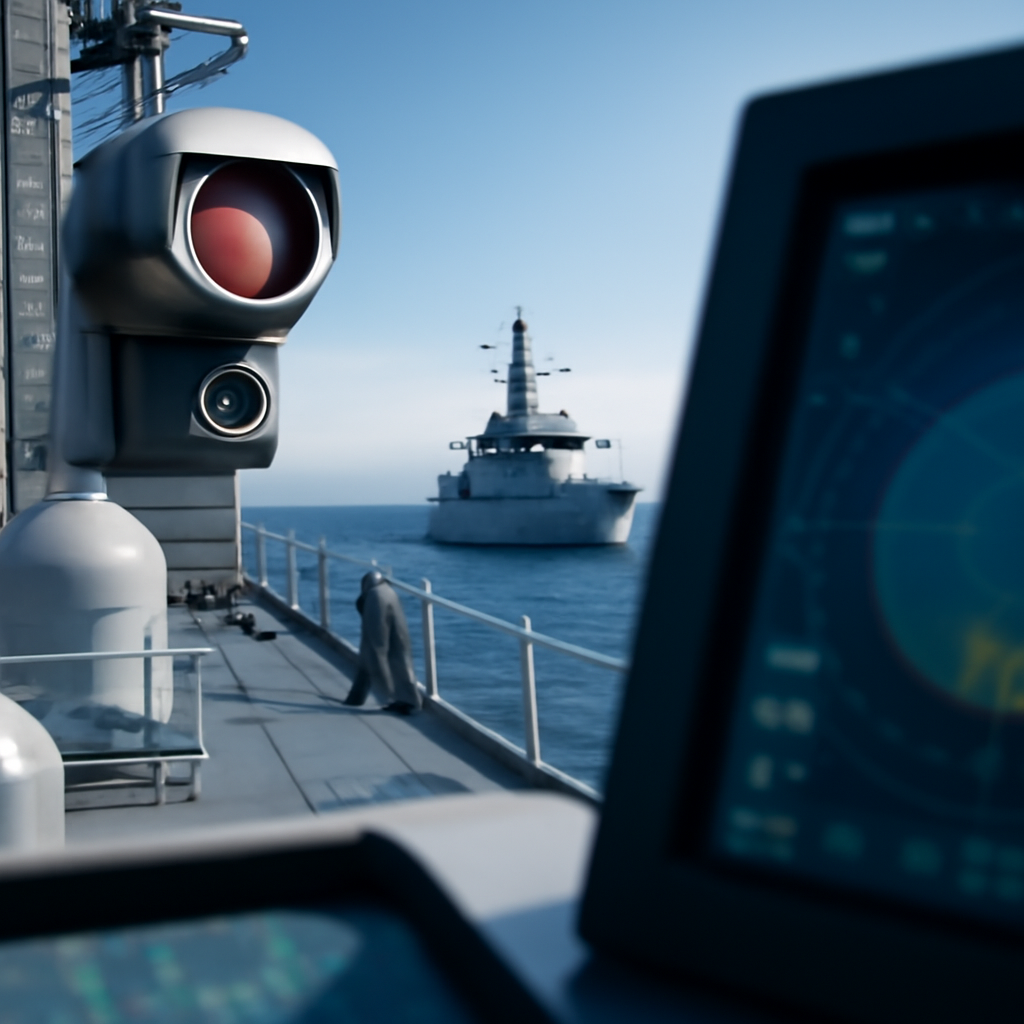
Britain is racing to shield its satellites from rising laser attacks while testing jet-powered drones that can launch from carriers — a bold move to keep its skies, seas and space resilient in a more contested future. Together, satellite laser-warning sensors and carrier UAV prototypes aim to protect vital services like GPS and communications while giving the Royal Navy safer, more flexible strike and surveillance options.