Britain is preparing for a future in which beams of light can be weapons and jet-powered drones launch from aircraft carriers. The Ministry of Defence is advancing two linked priorities: detecting laser attacks on space-based sensors and demonstrating a carrier-capable, jet-powered unmanned aerial vehicle. Central to that push are satellite laser warning systems, which the MoD believes will help protect Britain’s critical space assets while new naval unmanned platforms extend maritime reach and resilience.
Satellite laser warning systems: why they matter now
Space is no longer a sanctuary. In the last decade, satellites that once operated with relative impunity in low-Earth orbit have become strategic chokepoints—and attractive targets. Adversaries, including state and non-state actors, have developed tools to jam, spoof, or physically damage satellites. Laser dazzling and degradation have emerged as particularly attractive options: they can blind or disrupt optical and sensor payloads without the kinetic signature or political escalation of a missile strike. That makes satellite laser warning systems both timely and essential.
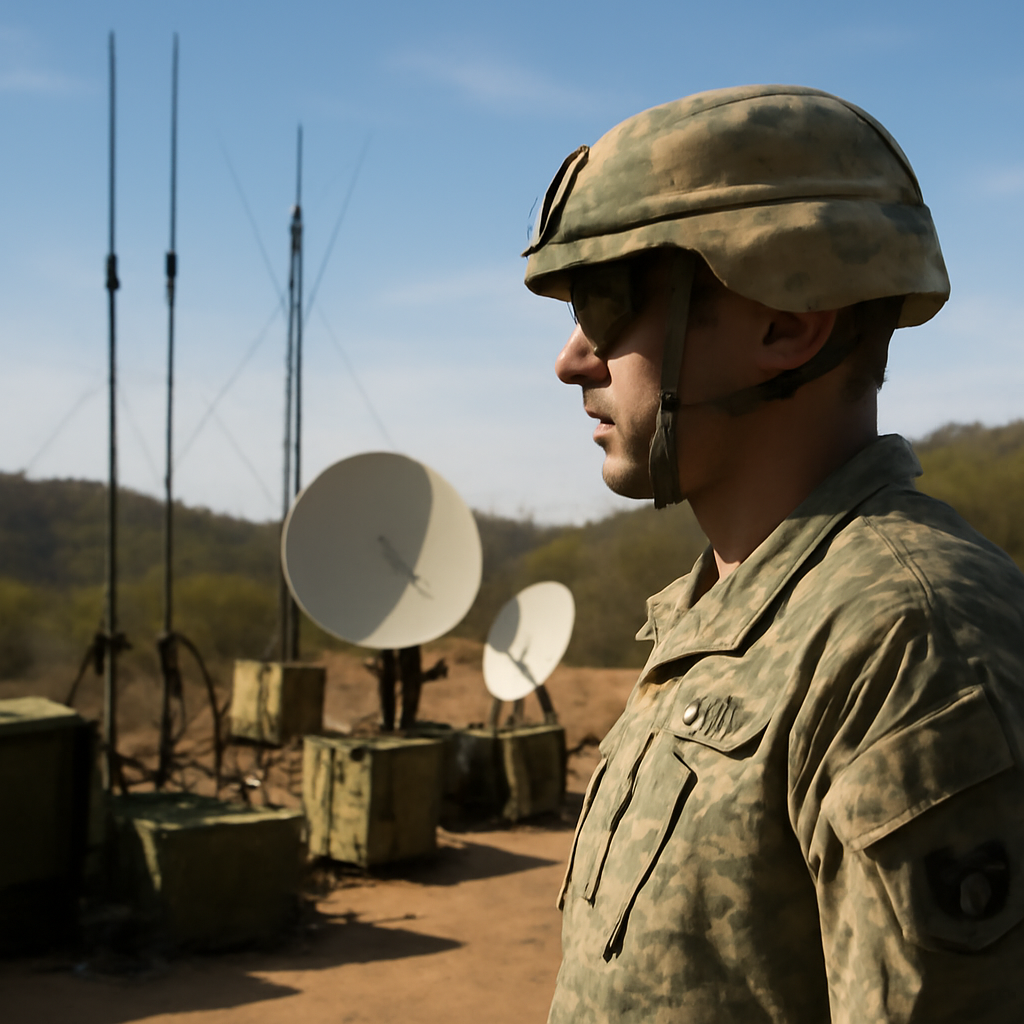
These systems are intended to detect when a satellite’s optical instruments are being illuminated or interfered with by ground- or air-based lasers and to provide rapid alerts and mitigation options. Early detection can mean the difference between a brief mission interruption and permanent sensor damage: satellites could enter protective safe modes, reorient vulnerable instruments, or trigger redundancy protocols to preserve mission continuity.
Technical hurdles and practical trade-offs
Implementing satellite laser warning systems on orbit is technically demanding. Detection requires sensitive optical sensors capable of distinguishing hostile laser illumination from benign phenomena—sun glints, reflections from space debris, or other transient light sources. Fast onboard processing and robust autonomy are necessary to analyze incoming cues in real time and decide whether to issue a warning or enact a protective response.
Integration into existing satellite buses presents its own constraints. Weight, power consumption, thermal management, and electromagnetic compatibility must all be balanced against limited platform margins. Retrofitting legacy spacecraft is often impractical, which means many warning capabilities will be built into next-generation designs—a process that increases cost and timeline pressures.
The MoD’s approach—developing space sensors and pursuing demonstrator projects—reflects an attempt to manage these risks incrementally. Prototypes help uncover integration challenges early and allow operational testing before committing to full production, aligning defence acquisition with the faster innovation cycles of commercial space and unmanned aviation sectors.

Audit-ready is a season. It shouldn't be.
Evidence in spreadsheets, controls drifting between audits, frameworks multiplying on flat headcount. Nubivance runs continuous compliance on Rapid7 Cyber GRC - SOC 2, HIPAA, ISO 27001, PCI, CMMC.
End the scrambleCarrier jet drones: extending reach while reducing risk
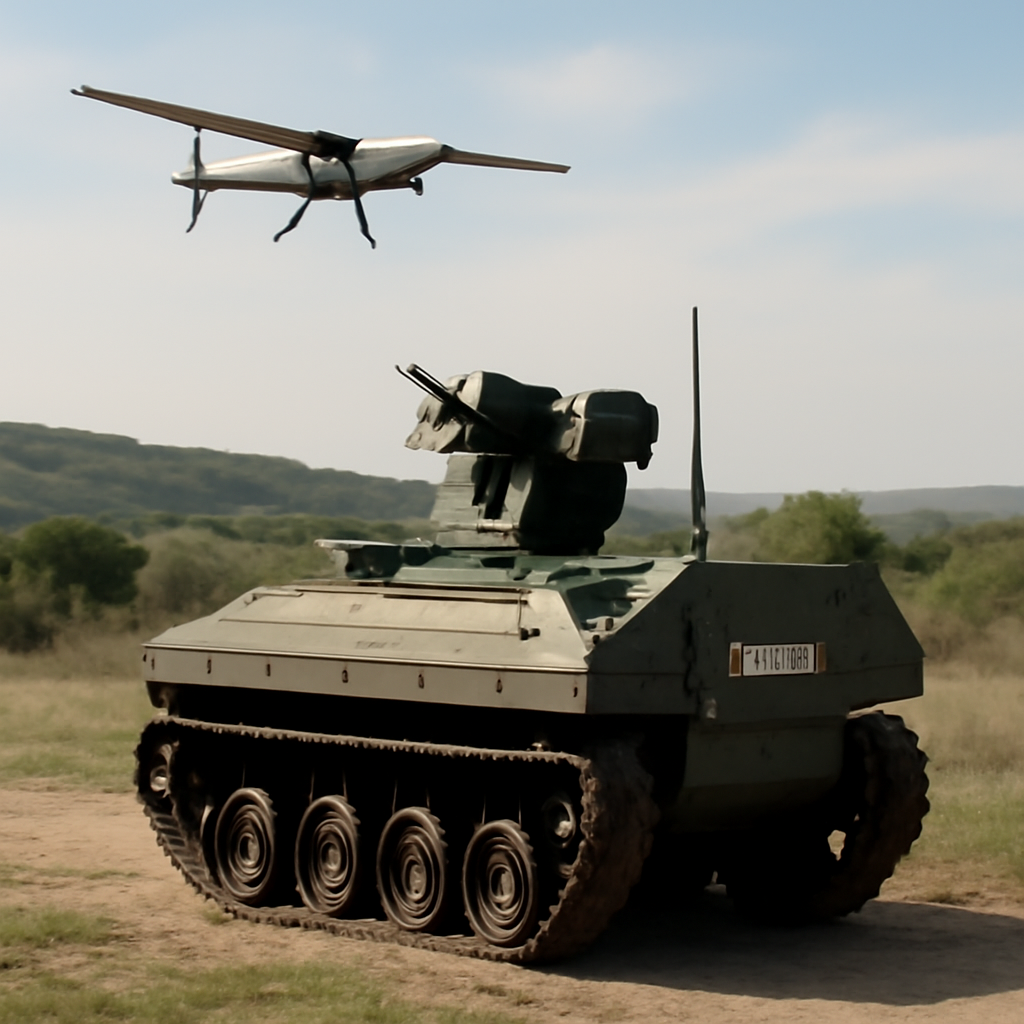
Complementing space resilience, Britain is testing a jet-powered unmanned aerial vehicle designed to operate from Royal Navy carriers. Carrier-launched UAVs promise higher sortie rates, persistent surveillance, and strike options without putting pilots directly in harm’s way. They can operate in hazardous environments, perform long-endurance missions, and reduce the logistical footprint of manned squadrons.
But navalizing a jet drone is complex. Engineers must ensure compatibility with catapults and arrestor gear, design folding wings and compact stowage, and create secure, low-latency datalinks for command and control. Autonomous deck handling and robust human-machine interfaces are required to integrate unmanned systems into busy carrier flight decks safely. Each capability introduces new training and doctrinal demands for sailors and aviators.
Strategic implications and alliance dynamics
The strategic logic behind these investments is straightforward: improve sensing and attribution in space to deter or limit attacks, and field resilient maritime platforms to maintain operational tempo. For a relatively small but technologically sophisticated defence establishment, focusing on niche capabilities like satellite laser warning systems and carrier UAVs can deliver disproportionate deterrent value.
There are broader implications. Investment choices reflect alliance obligations and interoperability needs—the UK must ensure that its systems can work alongside U.S. and NATO partners who are also prioritising counter-space resilience and unmanned naval aviation. There are also diplomatic and escalation risks: while non-lethal warning systems can be framed as stabilising, any enhancement of dual-use or offensive capabilities may be perceived differently by potential adversaries, prompting an action–reaction cycle.
Operational benefits and human factors
For satellite operators, better laser warning translates into concrete operational relief: the ability to enter protective modes, reorient instruments, or reroute critical functions reduces the chance of permanent damage and supports mission continuity for communications, navigation, intelligence, surveillance and reconnaissance. For carrier crews, jet drones can expand mission sets and preserve pilot lives—but they also create new responsibilities, from maintaining secure datalinks to updating carrier deck procedures and training personnel to manage unmanned operations.
Policymakers must balance these gains against opportunity costs. Funding next-generation warning systems and demonstrator drones diverts finite resources from legacy hardening, redundancy planning, and resilient ground infrastructure—elements that critics say are essential to a layered defence. Supporters counter that without modern warning and unmanned capabilities, British forces risk being outpaced by adversaries already experimenting with counter-space and carrier-launched unmanned solutions.
Conclusion: managing the next domain of competition
Britain’s pursuit of satellite laser warning systems and carrier-capable jet drones signals a pragmatic recognition: future contests will span land, sea, air, and space simultaneously, and technological agility will matter as much as platform size. Whether these investments yield decisive resilience or merely prompt adversaries to adapt their tactics is an open question. What is clear is that uncontested superiority in space and at sea is over. The task now is to manage risk, enhance deterrence, and preserve operational options—while carefully navigating the diplomatic and ethical complexities that come with defending and contesting the space domain.