[SPONSOREDNUBIVANCE]
Rapid7 deployed right the first time.
Full-platform Rapid7 rollouts - InsightVM, InsightIDR, event sources, agents, tuning - by a Registered Partner who has done it at state-agency scale, including OT/SCADA.
Talk deployment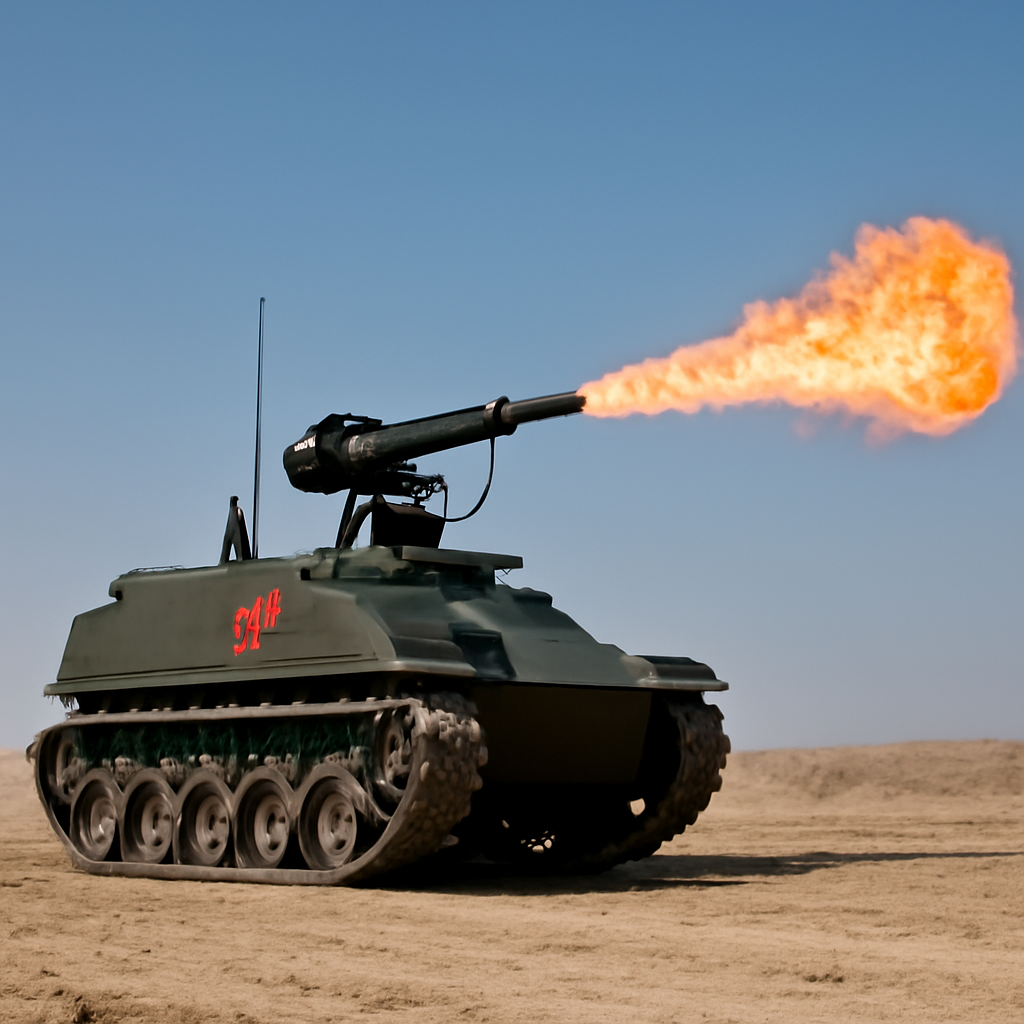
China's PLA is supercharging its unmanned ground vehicles with flamethrowers, combining the brutal power of the Type 74 flamethrower with the cutting-edge ZRY222 Unmanned Ground Equipment platform for a safer, more lethal combo. This game-changing tech allows soldiers to clear trenches and bunkers from a safe distance, minimizing risk to personnel.

India is taking a cue from Ukraine's playbook, aiming to turbocharge its drone production to marry mass manufacturing with real-time battlefield feedback, and transform its national industrial policy. By leveraging policy tools like import curbs, the Production Linked Incentive scheme, and the Drone Shakti Mission, New Delhi is aggressively pushing to become a major drone producer.

In the high-stakes world of space domain warfare, the US military's edge hinges on its ability to sift through vast amounts of data in seconds, enabling leaders to make smarter decisions faster than the enemy can react. By pairing rapid AI-enabled analysis with equally rapid cryptographic protections, the military can gain a decisive advantage.

AM General is pushing back on lawmakers' plans to cut funding for the Joint Light Tactical Vehicle (JLTV) program, citing the complexities of transitioning major defense production from one manufacturer to another. The company attributes delivery delays to a tough handoff, inheriting an uncertain technical baseline and navigating supplier transition issues.
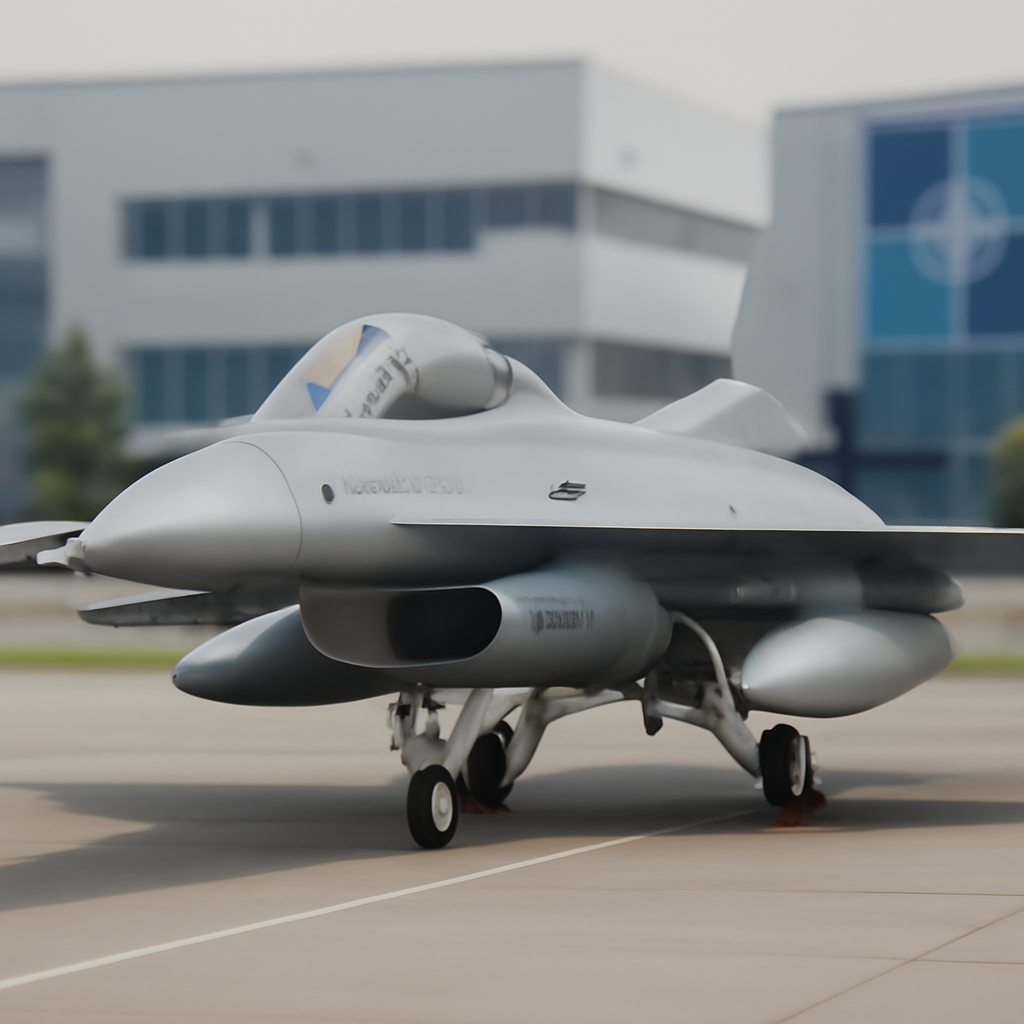
Turkey is taking a major leap in its defense capabilities with two game-changing deals: 40 cutting-edge F-16 Block 70 "Viper" fighters and the advanced SAMP/T long-range air-defence system. The F-16 deal is moving forward with a Letter of Offer and Acceptance in place, and talks are underway to finalize the terms.

The US is poised to clear a $700 million deal to sell 80 F110 turbofan engines to Turkey, a crucial component for its next-gen TF Kaan fighter, despite some lawmakers' objections. The engines, valued at $10-15 million each, are already used in Turkey's F-16 fleet and some US aircraft.
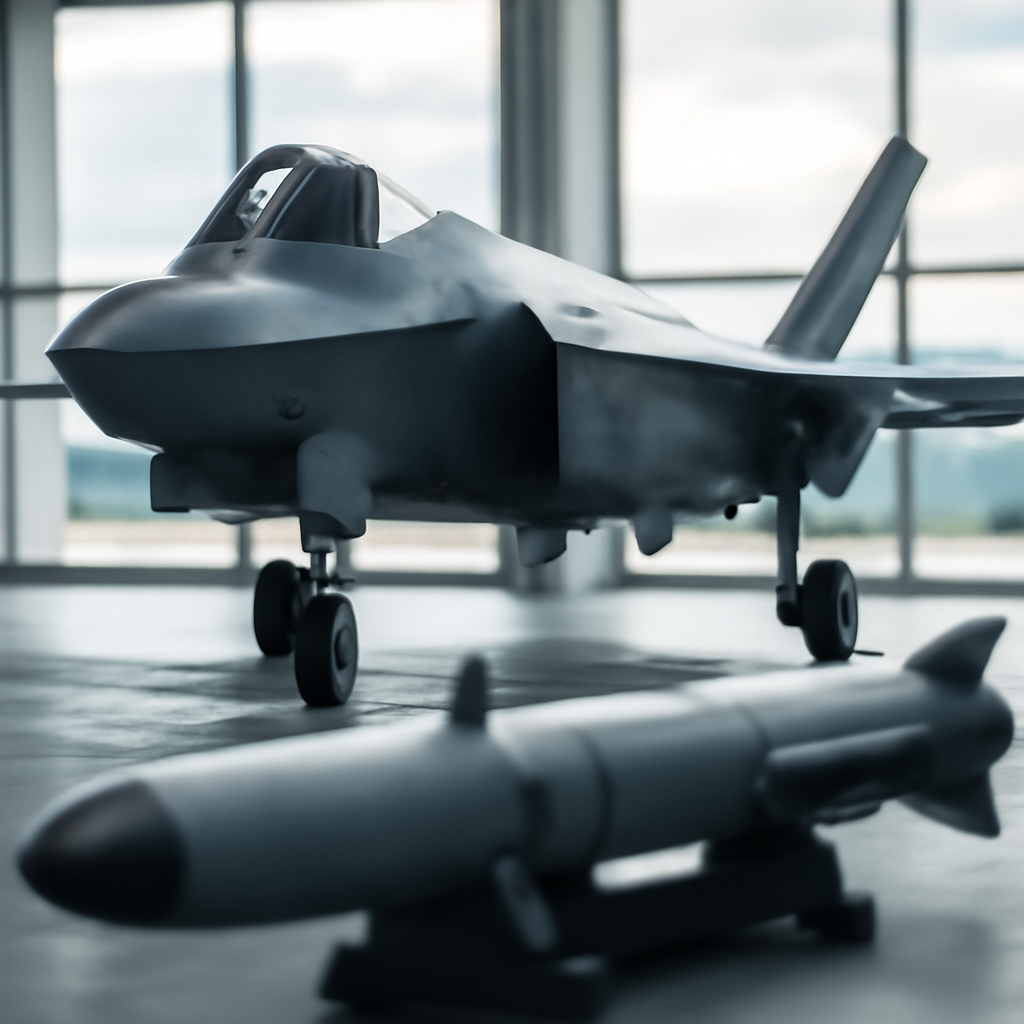
The US Air Force is seeking to revolutionize its air-to-air missile capabilities with a new weapon that can strike targets up to 1,000 miles away, aligning with the Department of War's top priorities. The Air Force Life Cycle Management Center will host a classified industry event to share requirements and explore options for the cutting-edge Air Force Long Range Weapon program.
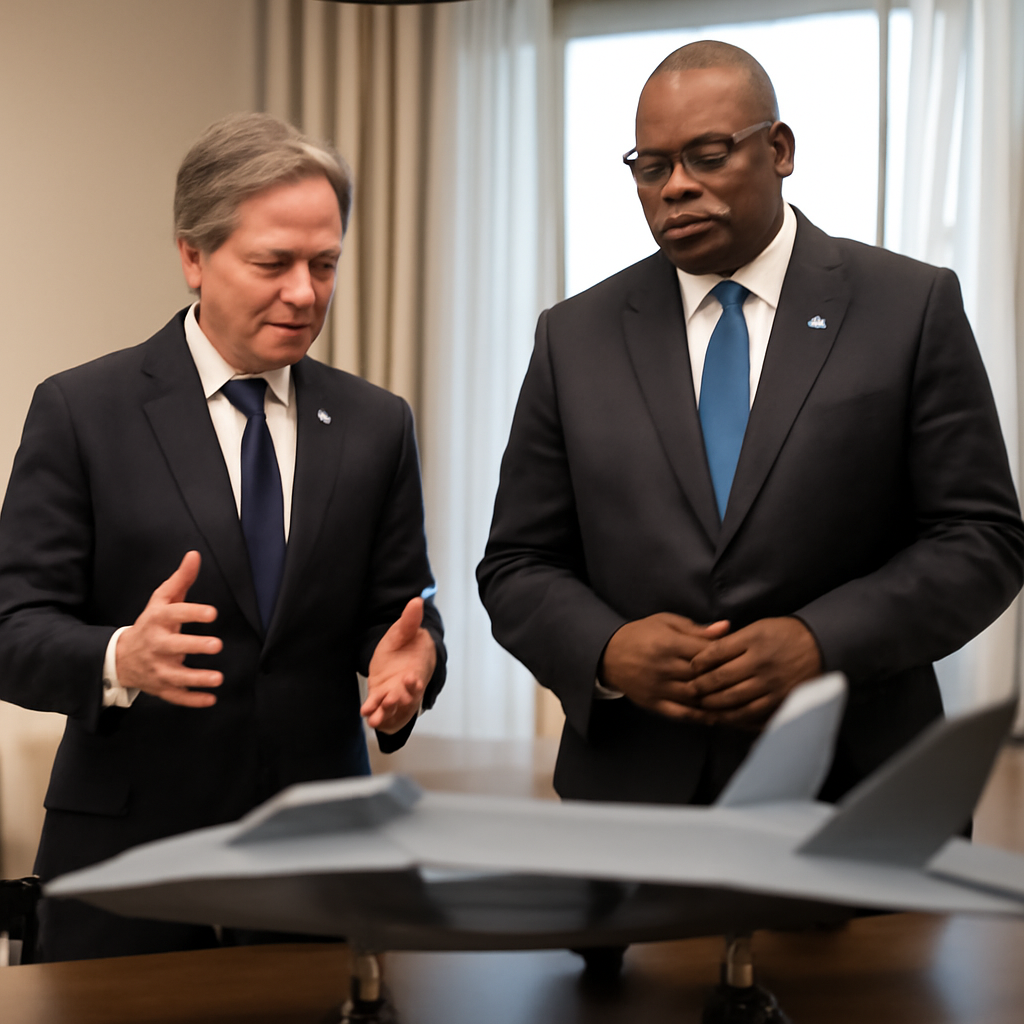
Canada's Defense Minister David McGuinty has expressed interest in exploring the Global Combat Air Programme (GCAP), a next-generation fighter project, following a meeting with his Japanese counterpart in Tokyo. This development marks a significant step towards Canada's potential involvement in the ambitious tri-national program.
Full-platform Rapid7 rollouts - InsightVM, InsightIDR, event sources, agents, tuning - by a Registered Partner who has done it at state-agency scale, including OT/SCADA.
Talk deployment
The Air Force is speeding up its modernization efforts, with a focus on integrated connectivity upgrades at bases to enhance readiness for future conflicts. This shift towards a more agile approach is driven by a new vision that aligns capability development with force design and rapid delivery.

The Pentagon has taken a proactive approach to ramping up munitions production by convening a closed-door meeting with emerging defense firms, including Anduril, Castelion, CoAspire, and Leidos, to discuss accelerating production in response to current global threats. Top defense officials, such as Defense Secretary Pete Hegseth, were in attendance to drive this crucial initiative forward.

Congress is throwing its weight behind the White House's $1.5 billion bid to fund the E-7 Wedgetail program, a move that could give the project a flying start. The funding boost would come from reallocating resources from the Navy's E-2 procurement account and the Air Force's classified special update programs.

Loitering munitions have revolutionized long-range strikes, as seen in Ukraine's recent launch of hundreds of LMs at multiple regions, including a daring attack on Russia's Gazprom Neft Moscow Oil Refinery, just 14 km from the Kremlin. This new class of munitions has eliminated the need for high-cost platforms, allowing for more flexible and affordable precision strikes.

The Pentagon's research labs are in a state of disrepair, posing safety risks and technical limitations that threaten the US military's ability to stay ahead of the curve. A recent review led by Assistant Secretary for Science & Technology Joseph Jewell calls for a $5B overhaul to modernize these critical facilities.
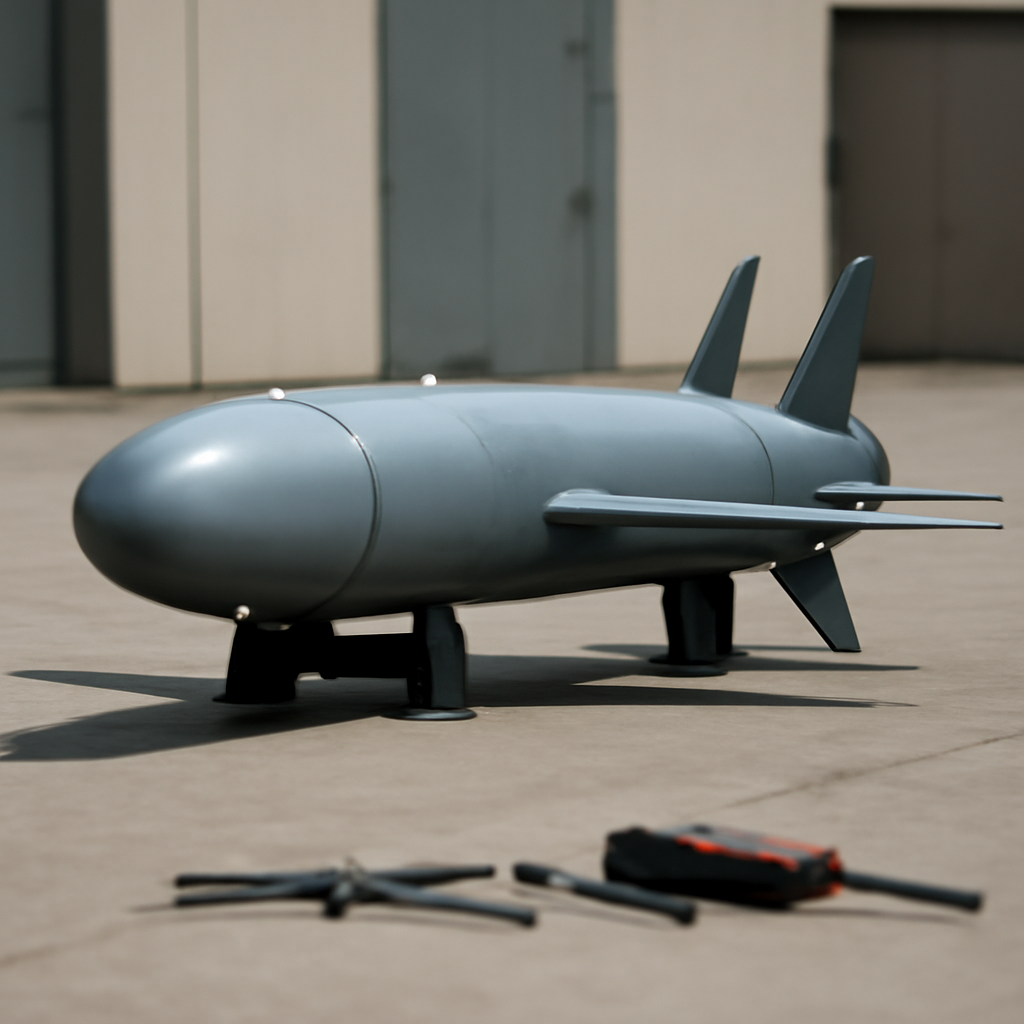
Pakistan is shaking up the game with its low-cost cruise missile development, focusing on a key factor that sets its missiles apart: a powerful warhead and manageable weight. This strategic approach allows for a heavier payload and sustained range, making it a contender in the global shift towards affordable, mass-producible cruise technology.
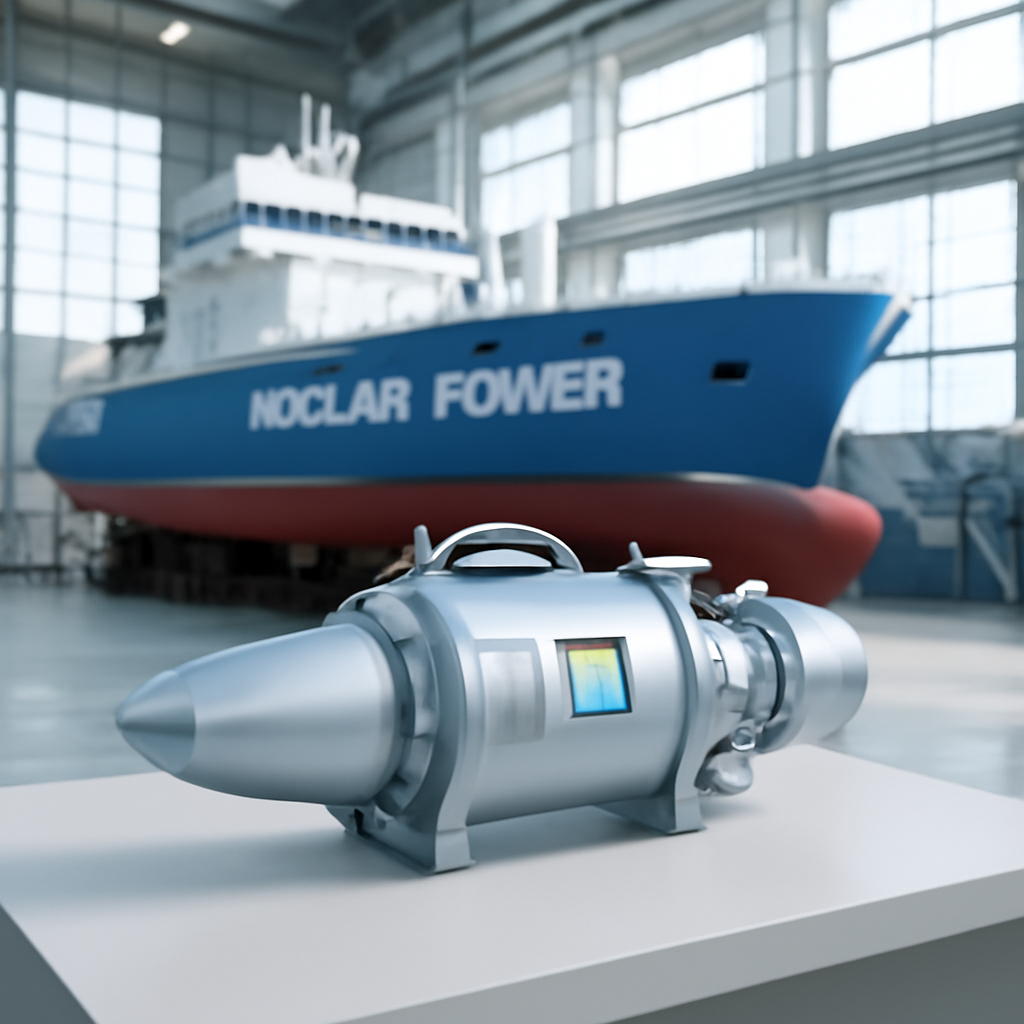
Fincantieri is proactively exploring nuclear-powered vessel design, driven by CEO Pierroberto Folgiero's bold vision to accelerate innovation and lead the charge in sustainable maritime solutions. The shipbuilder is actively engaging with cutting-edge nuclear technology, including third- and fourth-generation reactors.
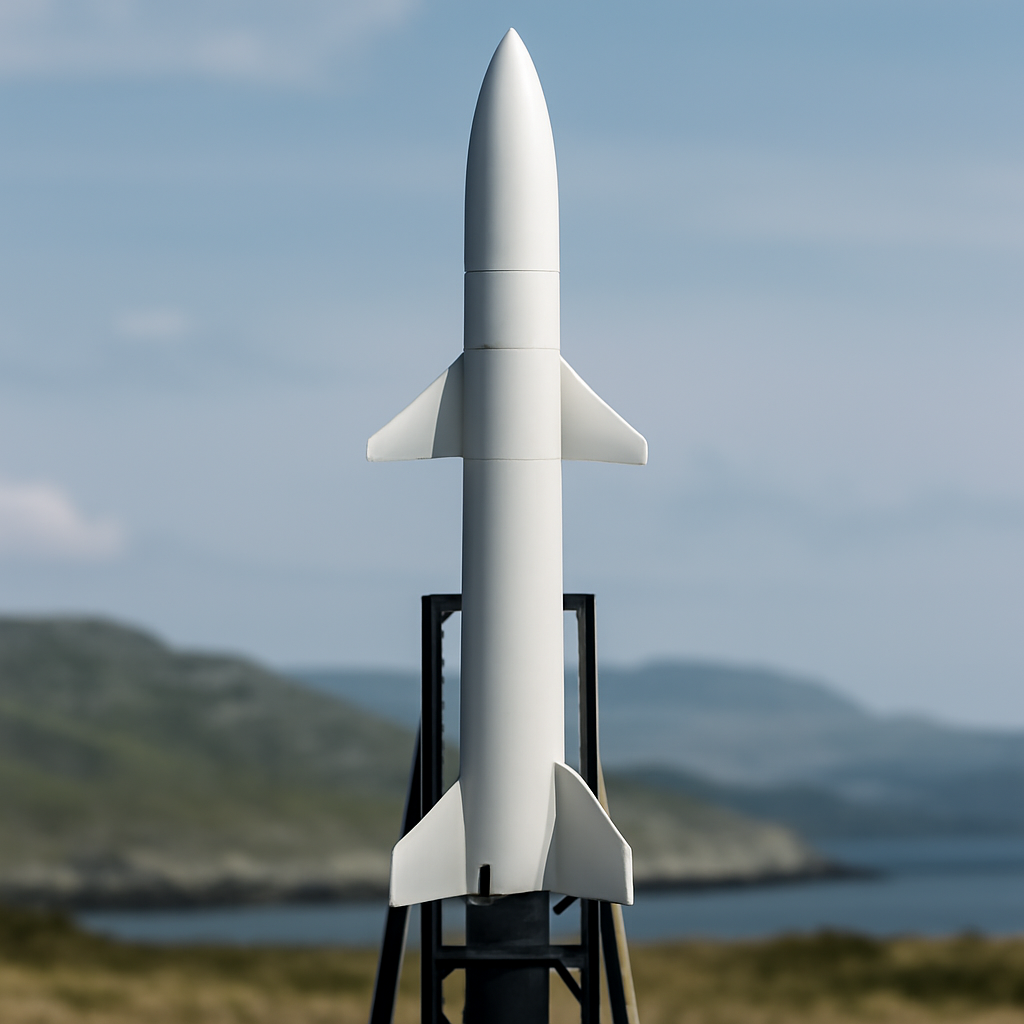
The UK has successfully tested three low-cost, long-range strike weapons designed to give Ukraine a powerful defense boost, with the goal of delivering a cheap and effective deep-strike capability. These British-made weapons can fly over 500 km and pack a 225 kg punch, all at an affordable price tag of around £400,000 each.
Evidence in spreadsheets, controls drifting between audits, frameworks multiplying on flat headcount. Nubivance runs continuous compliance on Rapid7 Cyber GRC - SOC 2, HIPAA, ISO 27001, PCI, CMMC.
End the scramble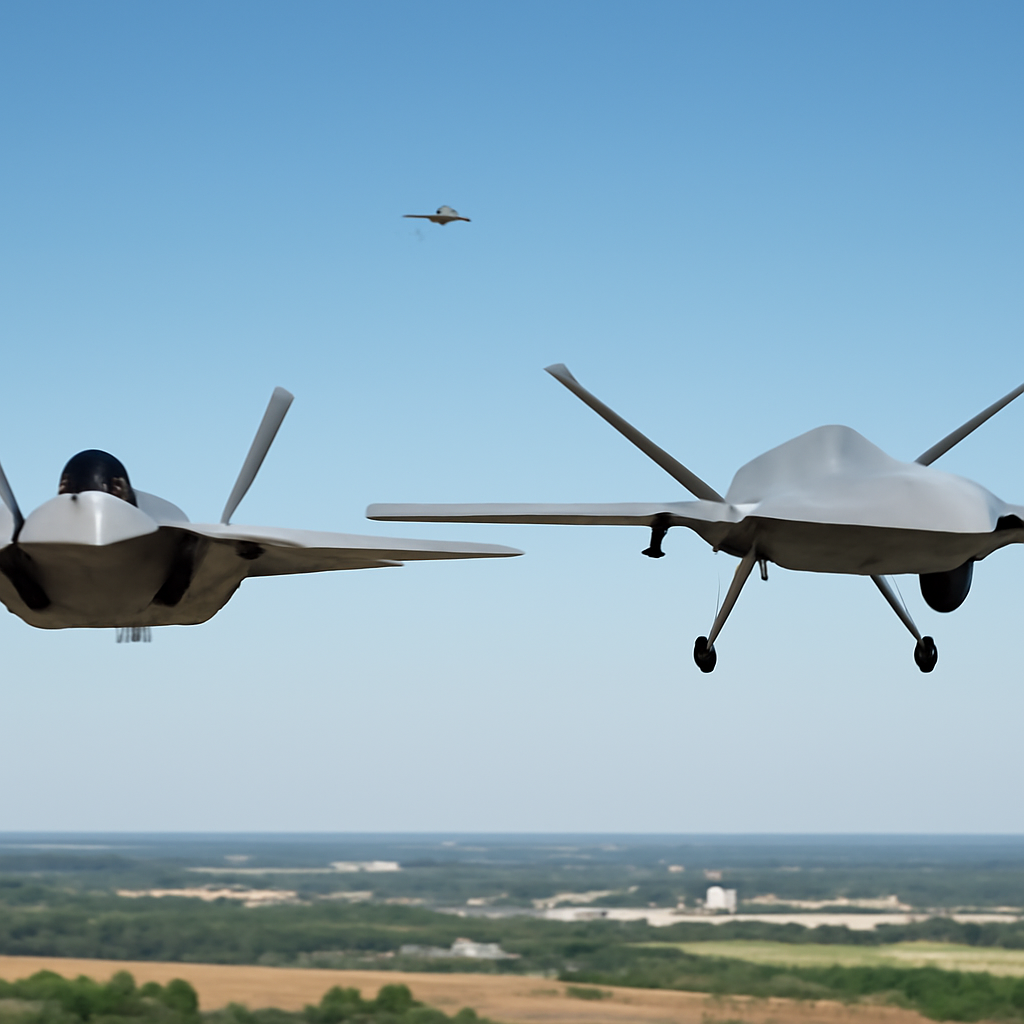
In a groundbreaking test, a Leonardo M-346 fighter jet successfully took control of a Baykar Kızılelma combat drone in mid-flight, marking a major milestone in C-UAS teaming technology. This innovative demonstration brings the future of unmanned combat air vehicles one step closer to reality.
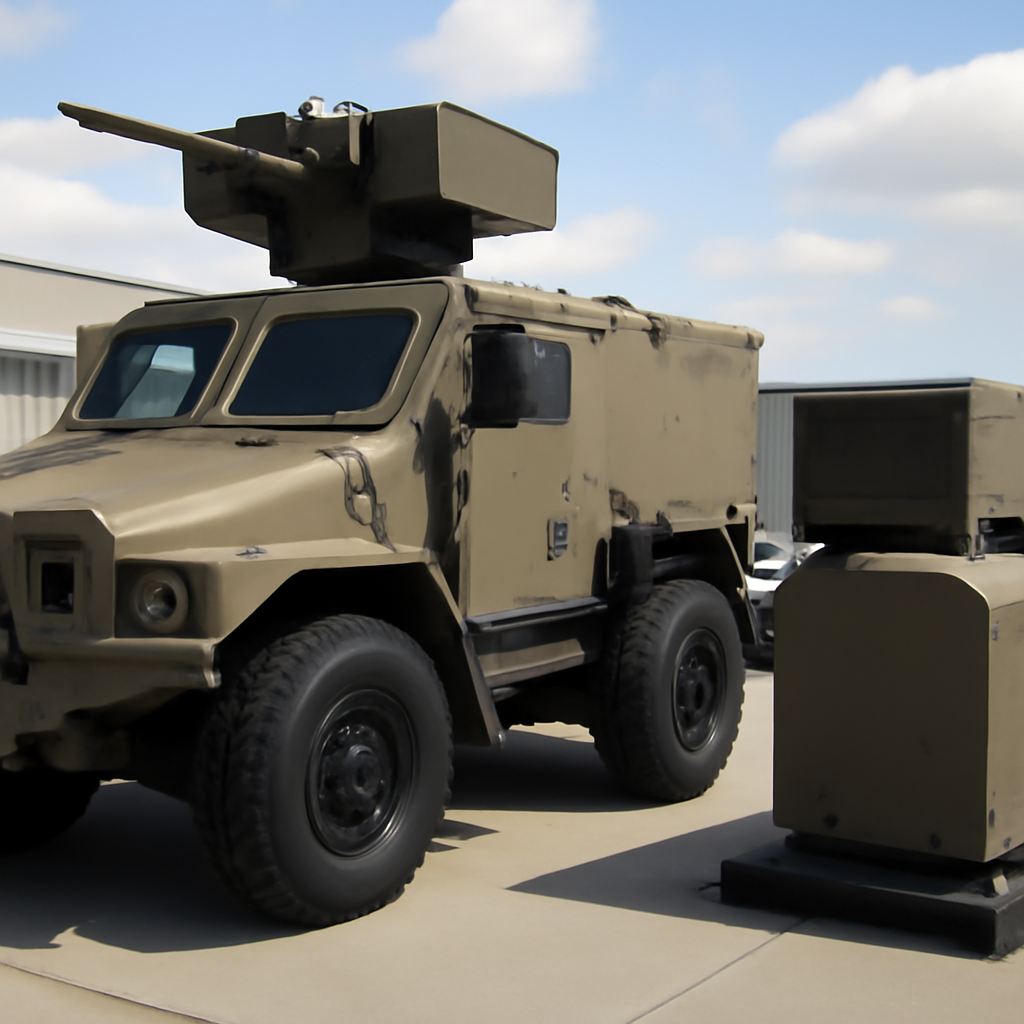
Defence Industry Minister Pat Conroy announced a game-changing approach to military acquisitions: spiral development, an adaptive process that incrementally adds features to systems, reducing risks and enabling smoother adaptation. This approach is set to revolutionize project delivery, allowing for greater flexibility and efficiency.

Imagine a digital storefront where soldiers, allies, and partners can easily find and acquire the best materiel, with reviews and ratings guiding their choices - that's the vision Army Secretary Dan Driscoll shared for a single, global digital marketplace. This platform would prioritize interoperability, harnessing the power of free market forces to drive innovation and excellence.
Türkiye marks a historic milestone in its naval exports with the delivery of its first combat warship to Romania, a NATO and EU member country, as President Recep Tayyip Erdoğan hails the deal as a groundbreaking achievement. This sale paves the way for Türkiye's growing presence in the global defence market.

Boeing has landed a whopping $2 billion contract with the Space Force to develop two new Mobile User Objective System satellites, expanding the military's narrow-band communication capabilities. This major deal cements Boeing's role in supporting the Space Force's communication needs, following a competitive bid process that drew in industry heavyweights.
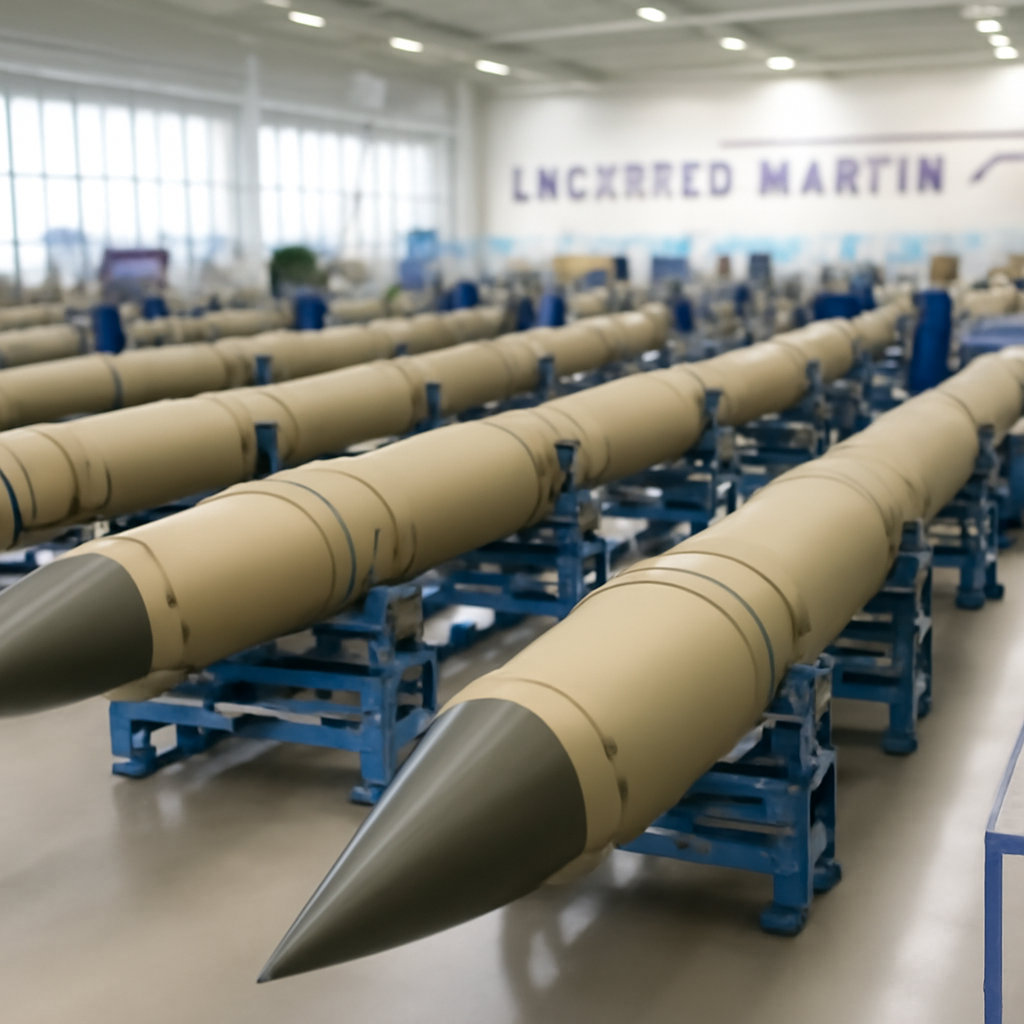
Lockheed Martin is set to supercharge production of its Terminal High Altitude Area Defense (THAAD) interceptors with a whopping $35 billion contract, quadrupling output over the next seven years. This game-changing deal is a major win for the company and a significant boost to America's defense capabilities.

General Atomics is upgrading its Block 30 ground control stations to ensure seamless compatibility with its latest MQ-9B SkyGuardian and SeaGuardian drones, addressing a key concern for current MQ-9A operators. The company will fund the upgrade research and development and plans to begin flight testing by the end of the year.