"NATO is a defensive Alliance and Allies are constantly honing their defensive abilities," NATO spokesman Col. Marty O’Donnell said, describing allied activity over the Baltic as routine training rather than a response to a single provocation.
What flew where: the mission and its timeline
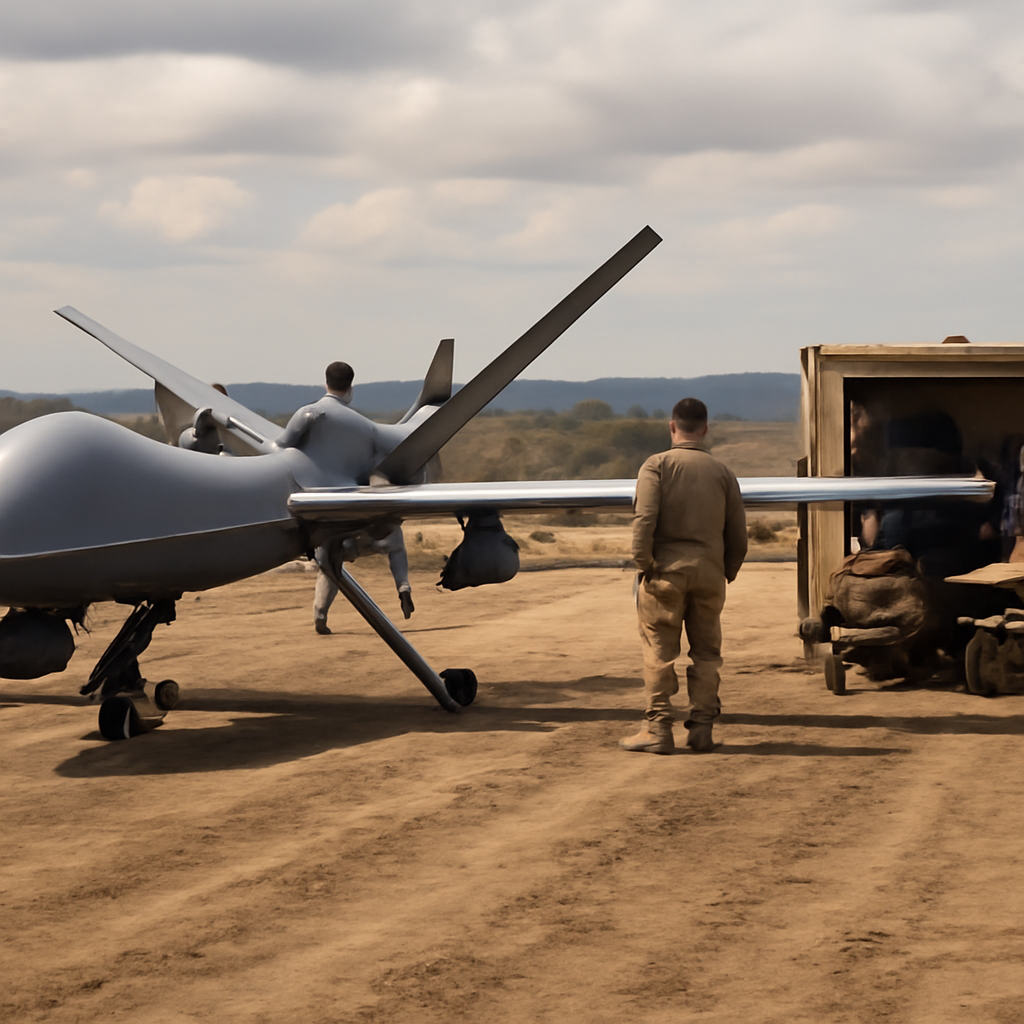
On 18 August 2026, a concentrated package of U.S. and allied reconnaissance and electronic-warfare aircraft operated over the Baltic Sea near the Kaliningrad Oblast, according to a Polish military official who spoke to TWZ. Online flight trackers showed a U.S. EA-37B Compass Call flying orbits in Polish airspace near Kaliningrad for nearly two hours that day. The deployment was reported to have included an E-3 AWACS and an ARTEMIS II surveillance aircraft, and, on the ground, Polish forces were present though their numbers and equipment were not disclosed.
The EA-37B Compass Call: capability and program details
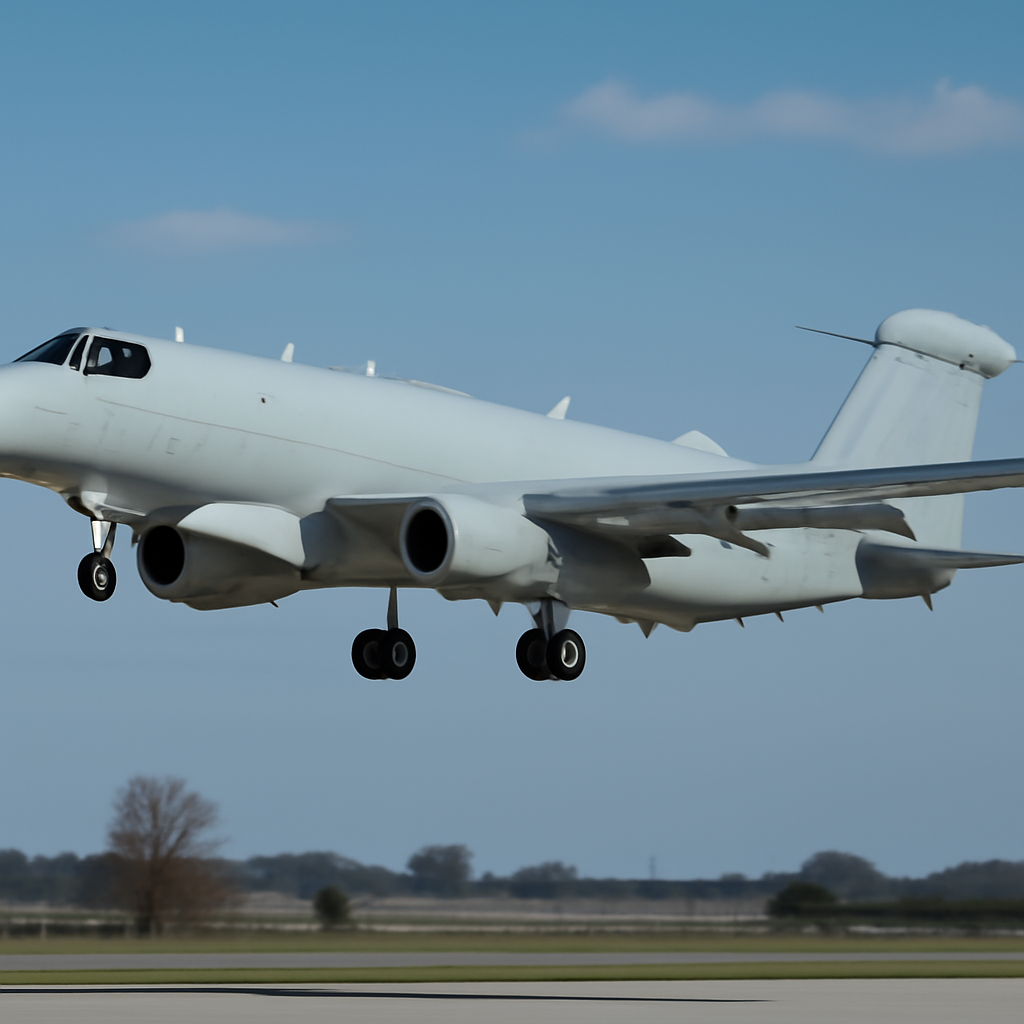
The aircraft observed is a heavily modified Gulfstream G550 operating in the EA-37B Compass Call configuration. The jet uses a Conformal Airborne Early Warning (CAEW) layout and active electronically scanned arrays to provide stand-off jamming against radars and communications systems, while retaining a secondary ISR role through emitter detection, tracking, and geolocation. The U.S. Air Force intends to procure 10 EA-37B jets to replace an aging EC-130H Compass Call turboprop fleet, of which only four remain. The 43rd Electronic Combat Squadron flew the EA-37B’s first training sortie on May 2, 2025, and the type’s first combat missions occurred during Operation Epic Fury.

This site is the portfolio.
OSINTSights runs on Cloudflare Workers, D1, R2, and Vectorize, with an AI pipeline on Hetzner ARM. Nubivance designed, built, and operates it. We do the same for clients.
See what we buildKaliningrad’s military profile and recent regional activity
The Kaliningrad enclave sits between Poland and Lithuania on the Baltic Sea and hosts an array of Russian capabilities that the source describes as including nuclear-capable ballistic missiles, anti-ship missiles, several squadrons of tactical jets and thousands of troops. The enclave has also been characterized in the reporting as a hub of disruptive Russian electronic-warfare activity. The Compass Call’s role — to blind and deafen adversary sensors and communications — is therefore particularly salient when operating near that border.
Recent Russian naval movements in the Baltic were cited alongside the aerial activity. The Russian frigate Admiral Kasatonov escorted the Floating Storage/Production ship Portovyy through the Baltics, a transit covered by The Telegraph and reported as part of Moscow’s efforts to protect energy shipments after seizures of shadow-fleet vessels, according to the independent Russian outlet The Insider.
Competing framings: NATO, U.S. control, and Polish interpretation
Officials offered differing emphases about intent and command. NATO spokesman Col. Marty O’Donnell framed the event as routine defensive training, saying allied activity in the Baltic “is one example” of allies honing defensive abilities and noting that the operation was being overseen by the U.S. A NATO official further clarified to TWZ that the activity is allied in nature but controlled by the U.S., not by NATO as an organization. By contrast, a Polish military official told TWZ that while official NATO statements had framed the maneuvers as routine, “expert analysis suggests that this deployment is intended to deter potential Russian provocations in the Baltic region.” The same Polish official declined to disclose further details about the Polish ground forces involved.
What this means for U.S. forces, NATO, and Russia
- U.S. forces: The deployment of a newly fielded EA-37B, relocated from Greece to Powidz in Poland for the operation, underscores U.S. operational control of this particular allied package and the U.S. role in supervising electronic-warfare and reconnaissance activity near Kaliningrad.
- NATO and Polish forces: NATO characterized the mission as defensive readiness; Polish forces participated on the ground but have not publicly detailed composition or posture, signaling coordination with U.S.-led air activity while withholding operational specifics.
- Russia: The use of a Compass Call near Kaliningrad was described in the reporting as sending "a clear message to Russia," given the enclave’s concentration of strike and EW capabilities and recent Russian naval movements in the Baltic.
The presence of the EA-37B — a platform described as one of the most capable airborne electronic-warfare systems — operating along the borders of Kaliningrad crystallizes the tactical focus of the deployment: stand-off electronic suppression and emitter targeting in close proximity to a densely armed salient. Whether the sortie remains a short-term deterrent measure or becomes a sustained posture will depend on decisions by the U.S. and allied commanders overseeing the operation and on developments in the region, including Russian naval and electronic activity already under observation.