Tag: national security
2618 articles

Trump Taps Telle to Lead Army as Acting Secretary
President Trump has announced that Adam Telle will take the reins as acting Secretary of the Army, effective immediately, praising him as a "Great Patriot, who is respected by all". This move comes as the Army is navigating a period of significant transformation and modernization efforts.

Voting System Vulnerability Exploited with AI Tools
A shocking admission highlights a gaping hole in voting system privacy and integrity, now being exploited with the help of AI tools. By combining publicly available data with AI, a researcher was able to revive an old attack and apply it to recent election data, raising serious concerns about the security of our electoral process.

Congress Scrambles to Fund E-7 Wedgetail Program
Congress is racing against the clock to secure funding for the E-7 Wedgetail program after the Trump administration's surprise move to save it from the chopping block. With the program's future now in their hands, lawmakers are turning to budget amendments to keep the critical early-warning aircraft program flying high.

USAF F-15EX Heads to Japan, Bolstering Indo-Pacific Airpower
The first F-15EX Eagle II bound for Kadena Air Base in Okinawa has taken off from Boeing's St. Louis facility, marking a major milestone in bolstering Indo-Pacific airpower. This significant step brings the cutting-edge fighter jet one step closer to its new home.

US Air Force Wrestles with HVAA Protection Paradox
The US Air Force faces a daunting dilemma: with a planned fleet of 187 F-35s, it may be outnumbered by China's 300+ J-20s in a long-range aerial battle, unless it rethinks how to safeguard its high-value airborne assets.

G7 Urges Industry to Accelerate Post-Quantum Encryption Defenses
The G7 cybersecurity working group is sounding the alarm: many organizations are neglecting to prepare for the quantum threat, and it's time to prioritize post-quantum encryption defenses to safeguard critical systems and data. Don't wait - the transition to post-quantum cryptography is a business risk that requires immediate attention and coordinated action.

Ukraine Strikes Russian Port City with Sea Drones
Ukraine just landed a major blow to Russia's maritime operations, striking the multipurpose support ship NEFRIT in the port of Sochi with a sea drone, and dealing a significant hit to Russia's energy infrastructure. The targeted vessel played a key role in supporting oil and gas operations, and its destruction marks a major escalation in Ukraine's campaign against Russian targets.

Xi Jinping's China Prepares for Power Transition
With China's Communist Party's national congress just over a year away, all eyes are on Xi Jinping as China watchers refresh their knowledge on the country's enigmatic leader. This pivotal event, held every five years, sets the stage for a major power transition in China.

US Navy Explores Foreign Frigate Designs
The US Navy is fast-tracking its shipbuilding plans, exploring foreign frigate designs from Japan, South Korea, and Turkey to quickly boost its fleet and capabilities. This move is part of a broader effort to supercharge domestic shipbuilding capacity, leveraging the expertise of allies to get the job done.

US Firms Face Pressure to Shun French Space Summit
US commercial space firms are rethinking their attendance at an international summit in France after being warned that it could be used to promote policies that undermine US interests. The cautionary message, delivered by a White House official, has sent ripples through Washington and Europe.
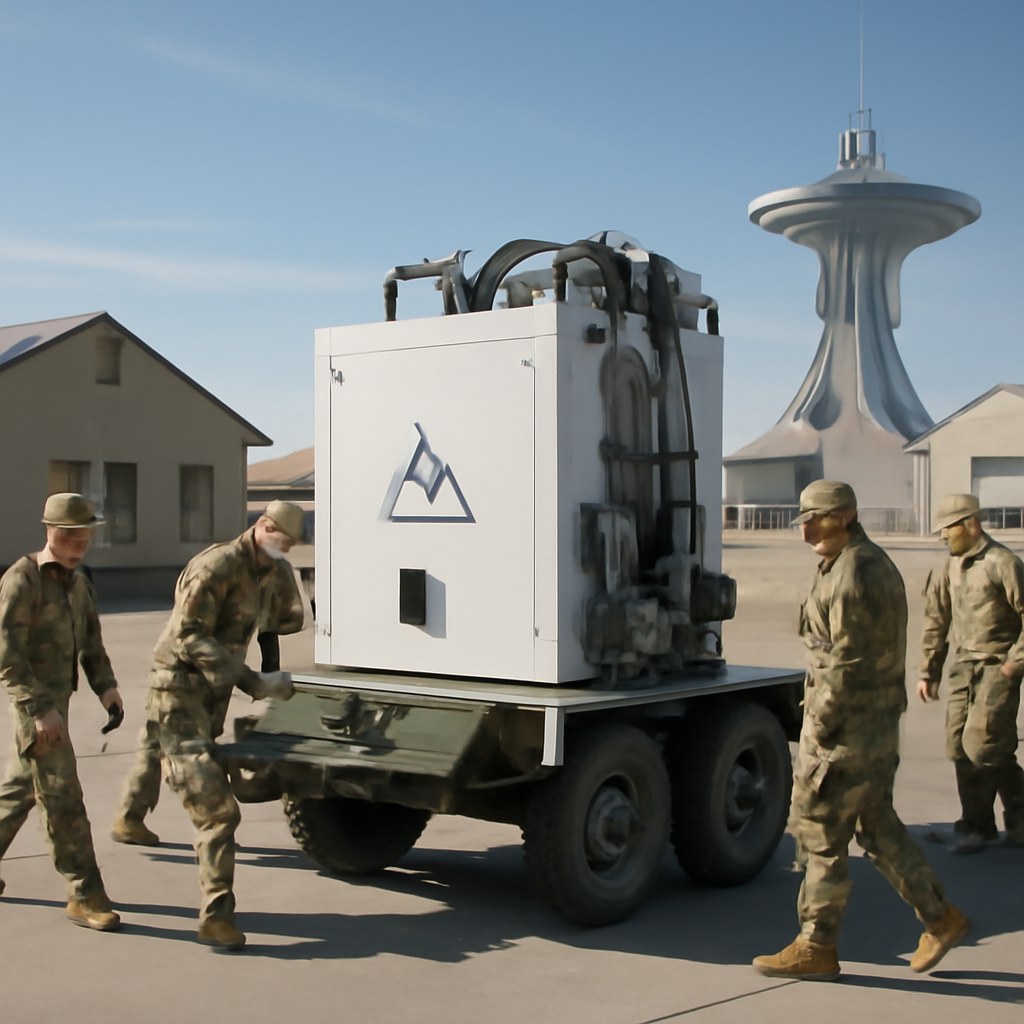
Army Pursues Nuclear Microreactors to Power US Bases
Get ready for a game-changing upgrade: the US Army is planning to install nuclear microreactors at five stateside bases starting in fall 2028, as part of its innovative Janus program. This cutting-edge initiative is set to revolutionize the way our military powers its operations.

China's Economic Coercion Erodes Sovereign Decision Space
Ten years on, a resounding endorsement of a landmark arbitral award has been issued by 14 governments, including global powers like Australia, Japan, the UK, and the US, alongside a united statement from the European Union, yet a deafening silence from others raises questions about the complex forces at play.

AI Training Networks Require One-Way Architecture
To keep AI training networks secure, experts propose a one-way architecture that allows data to flow in, but not out - a crucial safeguard to prevent powerful AI models from escaping test environments. This approach, inspired by defense and intelligence communities, uses data diodes to ensure sensitive information stays contained.

Wyden Presses NSA on Commercial VPN Security Risks
Senator Ron Wyden is raising a red flag about the security risks of commercial VPNs, warning that they may not be as protective as users think against sophisticated online threats. He's pressing the NSA for clearer guidance on the potential dangers of relying on standard consumer VPNs for online security.
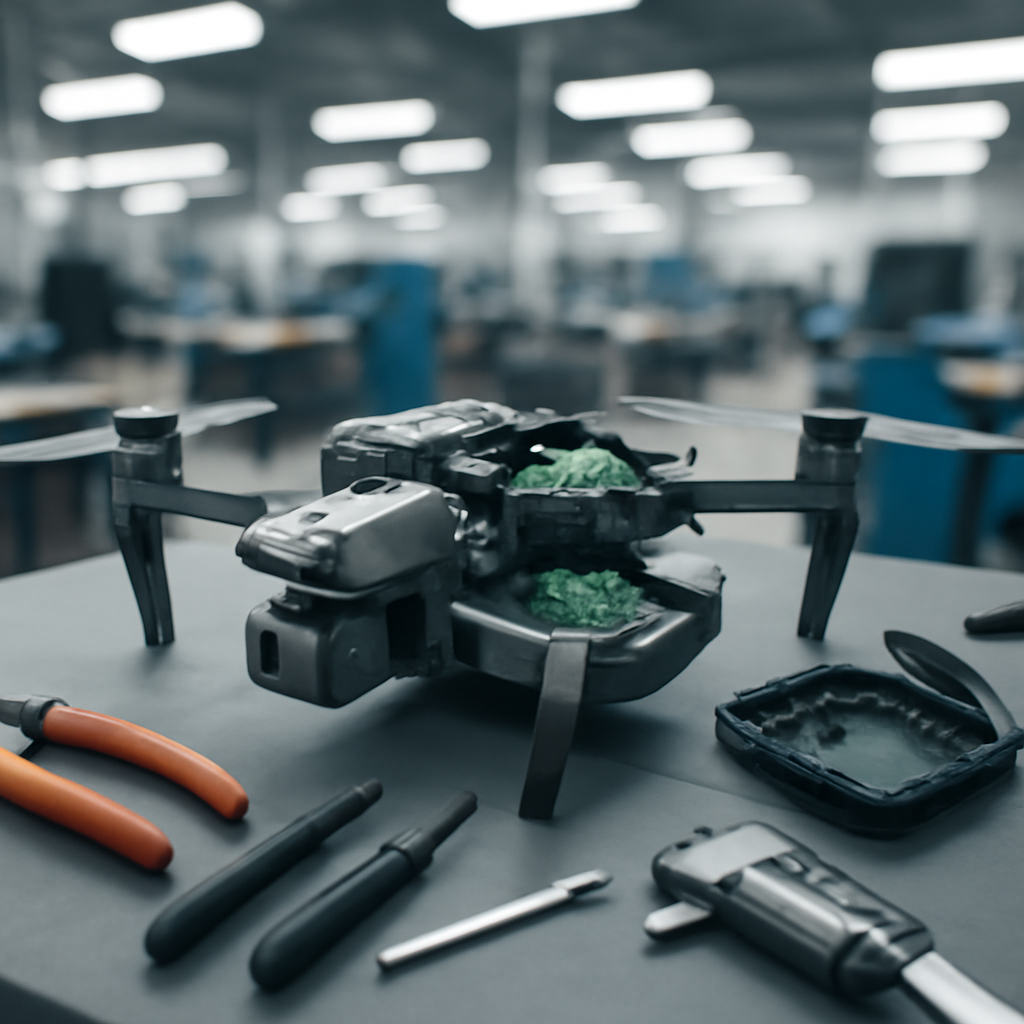
Pentagon's Drone Push Must Confront Risk of Rapid Obsolescence
The Pentagon's drone-buying strategy needs a wake-up call: instead of fixating on cheap prices, it should prioritize combat value to avoid wasting millions on drones that become obsolete before they're even used. Col. Dustin Thomas argues that a shift in focus is crucial, or else the military risks rendering 70,000 drones useless with a single countermeasure.
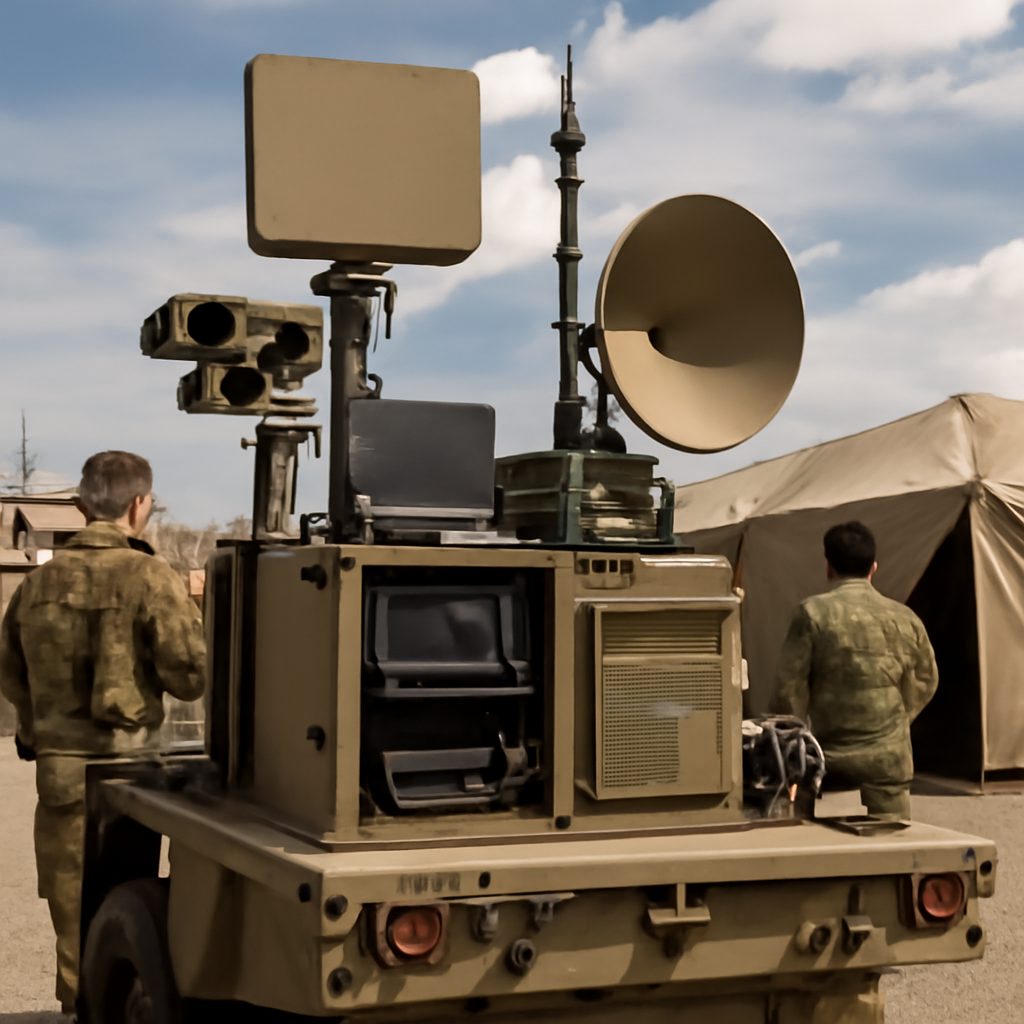
Army Awards $192M to Palantir, Anduril for Advanced TITAN Intelligence System
The Army is taking its Tactical Intelligence Targeting Access Node to the next level, awarding $192M to Palantir and Anduril to bring the game-changing TITAN Intelligence System into production. This move comes after four years of prototyping and valuable feedback from soldiers who've put TITAN to the test in diverse environments.

US Strikes Iranian Oil Tankers in Escalating Gulf Conflict
Tensions in the Gulf are escalating fast, with President Donald Trump asserting that the US now controls the Strait of Hormuz after a series of strikes and counterattacks with Iran. The US Central Command has confirmed a wave of strikes on September 1, targeting key Iranian military sites and assets.

Pentagon Nears Rollout of New Cyber Strategy
Get ready for a game-changer in cybersecurity: the Pentagon is set to unveil its new cyber strategy, promising to make the US the most capable, lethal, and agile cyber force on the planet. The highly anticipated plan, crafted by Katie Sutton's office, will outline a bold vision for integrating cyber capabilities, outsmarting adversaries, and reorganizing the cyber force.

Tensions Rise as Indo-Pacific Exercises Test Alliances
Tensions are escalating in the Indo-Pacific as a series of high-stakes exercises test the strength of alliances, with China's special envoy issuing a stern warning to Palau over its handling of Taiwan. The region is bracing for impact as military drills like Freedom Edge 26 ramp up in September.
US Arms Deliveries to Allies Hit by Bottleneck
The US has given Taiwan a confusing runaround, offering four conflicting explanations in May for the delay of a $14 billion package of Patriot PAC-3 interceptors and NASAMS systems. The mixed messages have left Taiwan wondering what's really behind the hold-up.
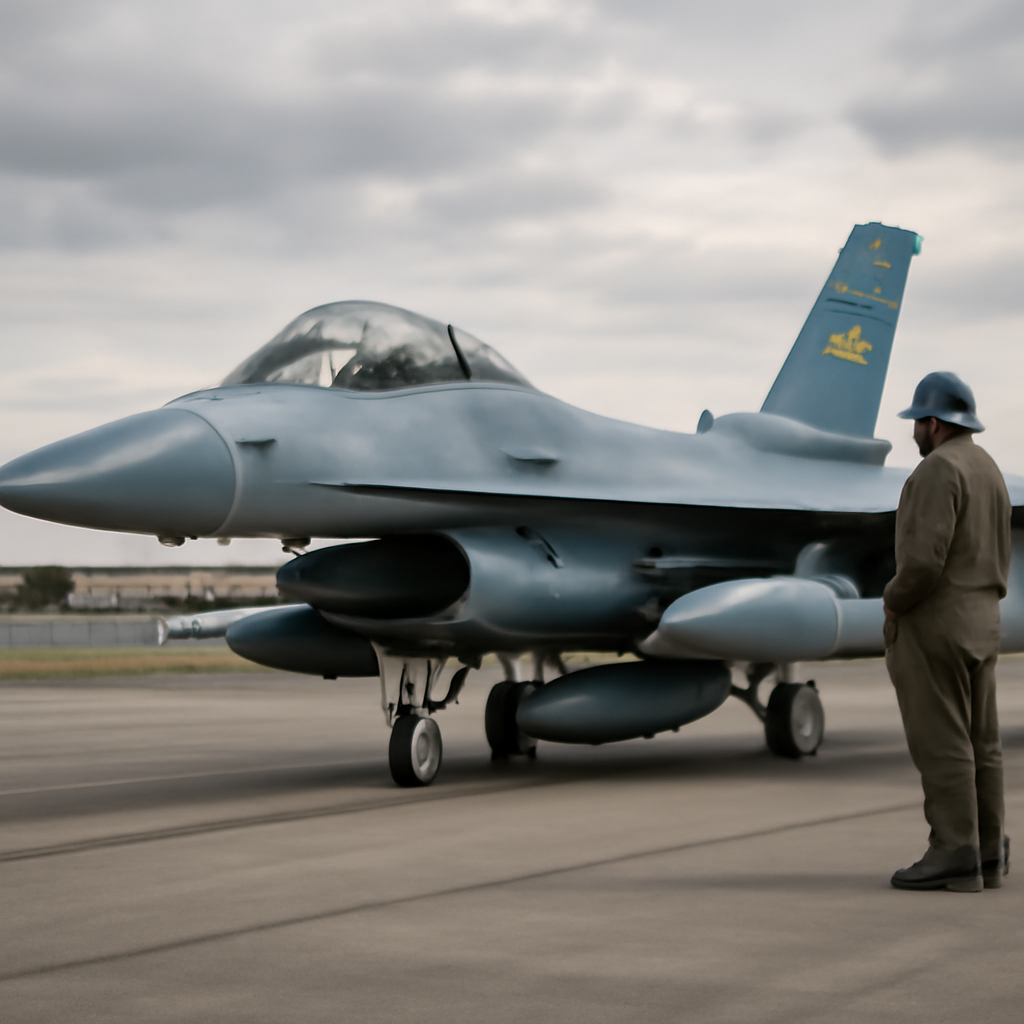
Ukraine's F-16 Force Grapples with Severe Air-to-Air Missile Shortage
Ukrainian F-16 pilots are flying combat missions with a critical disadvantage: they're often armed with nothing more than the jet's internal cannon, due to a severe shortage of air-to-air missiles. This shortage is forcing them to drastically adapt their tactics, with some pilots taking to the skies during the day with limited firepower.

USAF Targets Software Superiority Through Collaborative Innovation
The Department of the Air Force has redefined what it means to be ahead of the game: it's no longer just about having the best weapon systems, but also about having software superiority to outmaneuver and outsmart adversaries across air, land, cyber, and information domains.

US Space Industry Faces Engineer Shortfall for Wartime Reconstitution
The US space industry is facing a critical engineer shortage, with a significant gap between the 30,000 annual job openings for technicians and technologists and the 11,000 credentialed individuals entering the pipeline each year. This shortfall could severely impact the country's ability to rapidly replace space-based capabilities during a conflict.

Congress Averts Defense Funding Disruption
This resolution is a big win for defense, ensuring that current weapons programs stay on track and that troops and civilians get the pay they deserve. By extending funding to December 11, Congress has bought itself some time to iron out budget details and avoid a costly disruption.