Tag: electronic warfare
83 articles

US Army Exposes Vulnerabilities in Large-Scale Electromagnetic Warfare Exercise
In a recent large-scale electromagnetic warfare exercise, US Army soldiers found themselves in a high-stakes predicament: their radios and networks had stopped working, leaving them uncertain whether the cause was a technical glitch or a clever enemy move. As they scrambled to find a solution, the opposing force gained the upper hand, exploiting the unit's vulnerability to interference.
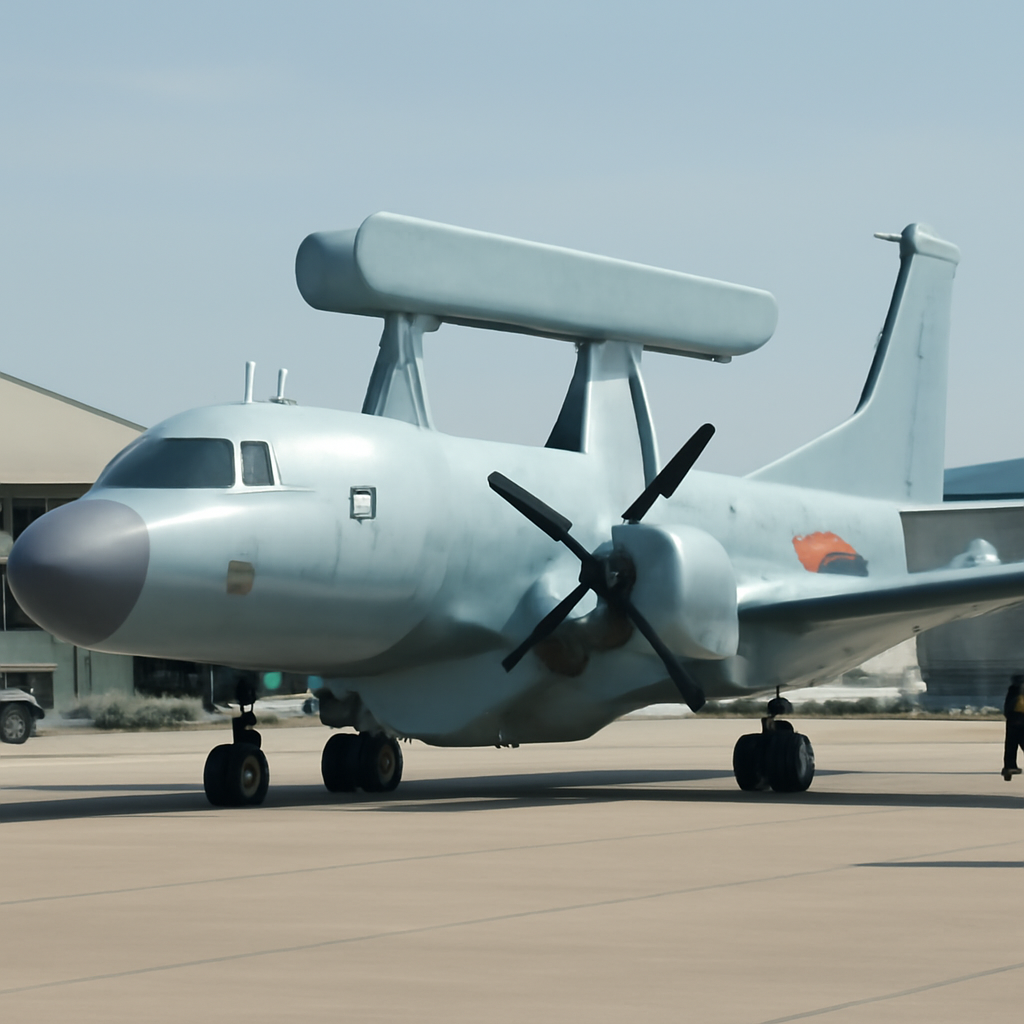
China Rapidly Expands Special Mission Aircraft Fleet
China is rapidly bolstering its special mission aircraft fleet, with recent reveals including the GX-19, Y-9PT (GaoXin-18), and Y-9GR, showcasing a surge in airborne ISR and electronic-warfare capabilities. This steady stream of new aircraft unveilings highlights China's accelerating advancements in military aviation.

US Lawmakers Probe A-10 Revitalization with AI, Electronic Warfare Gear
US lawmakers are exploring ways to breathe new life into the A-10 Thunderbolt II with cutting-edge tech, including artificial intelligence and electronic warfare gear, to boost its performance and relevance. The fate of the Warthog and its critical missions hangs in the balance, making this potential upgrade a high-stakes endeavor.

Pakistan Air Force Taps NASTP as Lead Integrator
The Pakistan Air Force is taking a strategic leap by appointing the National Aerospace Science and Technology Park as its lead integrator, streamlining aircraft upgrades, radars, and electronic warfare systems under one in-house umbrella. This bold move promises to revolutionize the country's defense capabilities.
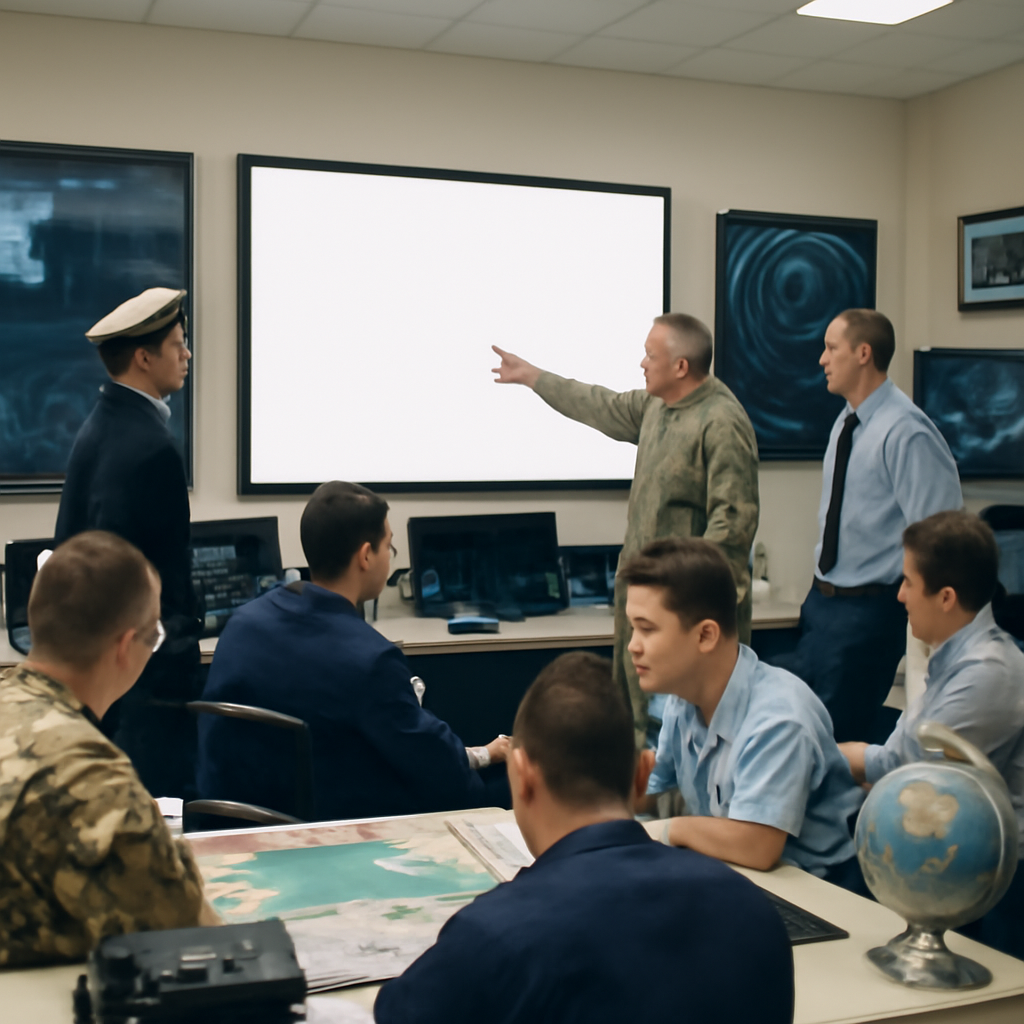
Pakistan Builds Unified Commands for Multi-Domain Operations
Pakistan is taking a giant leap in modern warfare with its unified commands for multi-domain operations, enabling seamless integration of cyber, electronic, and space-based capabilities to outmaneuver threats. By breaking down inter-service barriers, Pakistan's military can now synchronize its strengths to deliver devastating cross-domain effects.

Turkey Unveils Advanced Electronic Warfare Jet in New Imagery
Turkey has just revealed its game-changing electronic warfare jet, the HAVA SOJ, in stunning new footage - a cutting-edge airborne standoff jammer that can disrupt enemy air defenses and communications from a safe distance. Built on Bombardier Global 6000 airframes, this high-tech aircraft is a powerful asset for Turkey's military.

Space Force Targets Distributed Ops, EW Sites to Bolster Resilience
The Space Force is shifting its strategy to prioritize distributed operations and electronic warfare sites, driven by the harsh lessons learned from Operation Epic Fury, where US space capabilities were targeted and destroyed for the first time. This new reality demands a bold response to safeguard ground-based US space systems.

Loitering Munitions Take Center Stage at SOF Week Expo
Teledyne FLIR's Rogue 1 Block 2 boasts an impressive upgrade, doubling its range to over 20 kilometers and packing a powerful shape charge jet payload to take down hardened vehicles. This game-changing lethal unmanned aerial system was showcased at SOF Week 2026, highlighting its advanced communications and electronic warfare capabilities.
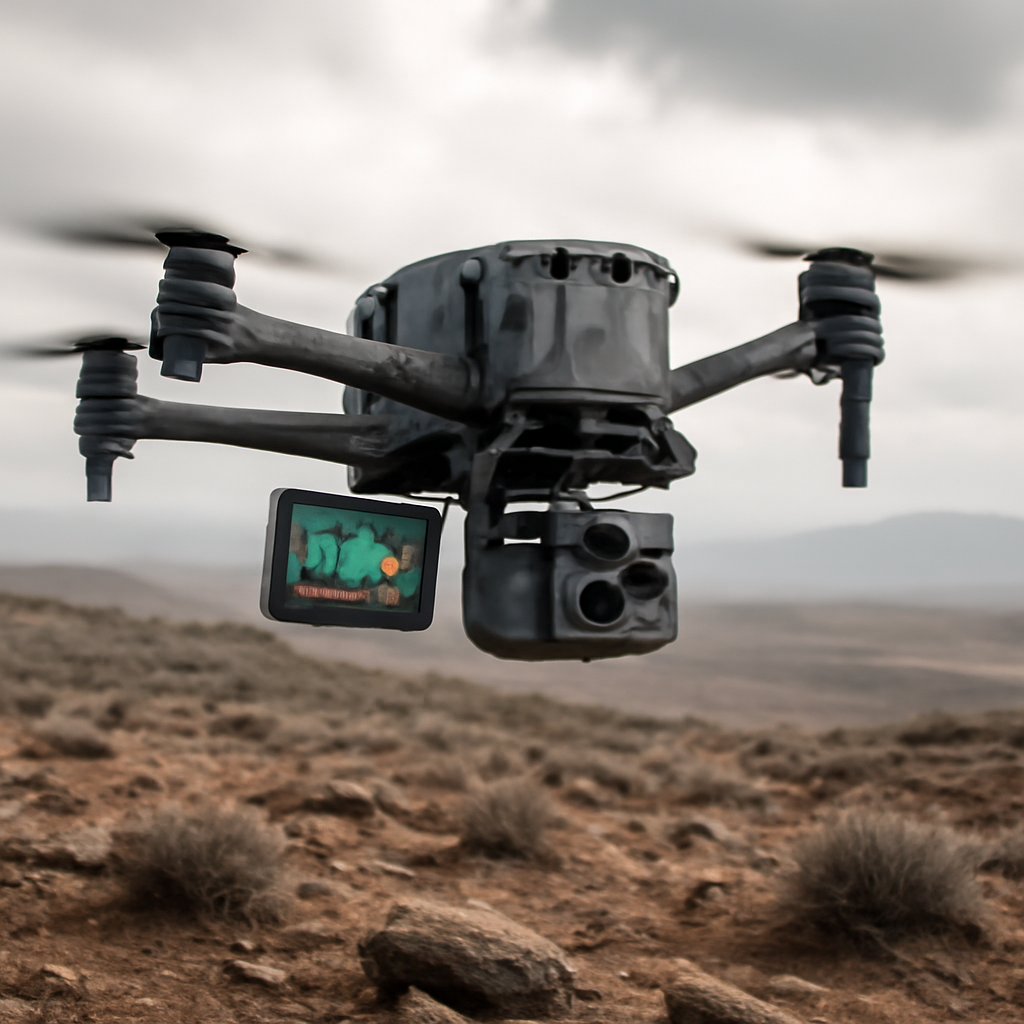
Drones Adopt 3D Mapping to Navigate GPS-Denied Zones
As adversaries ramp up electronic warfare against GPS signals, drones are turning to 3D mapping to stay on course, even in zones where GPS is denied. This game-changing tech helps drones determine their exact position, ensuring they can navigate with precision, no matter what.

DZYNE Unveils BlitzBox Containerized Drone Launch System
Meet BlitzBox, a game-changing containerized drone launch system that pairs a small, modular fixed-wing drone with a stealthy shipping-container launcher, offering unparalleled flexibility in electronic warfare and deception operations. This innovative system cruises at 40-75 knots, packing a powerful punch with its adaptable payload and endurance capabilities.

CENTCOM Chief Urges New Tech to Neutralize Buried Targets
CENTCOM Chief Adm. Brad Cooper is calling for game-changing tech to tackle buried targets, emphasizing the urgent need for advancements in electronic warfare, counter-UAS systems, and munitions to strike hard-to-reach enemy hideouts. As the threat landscape evolves, Cooper stresses that investing in these areas is crucial to staying ahead.

Australia Bolsters Cyber Defence with Enhanced Offensive Capabilities
Australia is set to supercharge its cyber defence capabilities with a bold investment of A$27-38 billion over the next decade, empowering the country to tackle the growing threat of espionage, foreign interference, and cyber attacks head-on. This significant boost will enable Australia to develop enhanced offensive capabilities to protect its critical infrastructure from increasingly sophisticated cyber threats.

Navy Growlers Ramp Up Electronic Warfare Over Iran, Venezuela
The Navy's EA-18G Growlers have been ramping up electronic warfare operations in hotspots like Iran and Venezuela, using cutting-edge jammers and missiles to disrupt enemy communications and defenses. These high-stakes missions have showcased the Growlers' critical role in modern military operations.
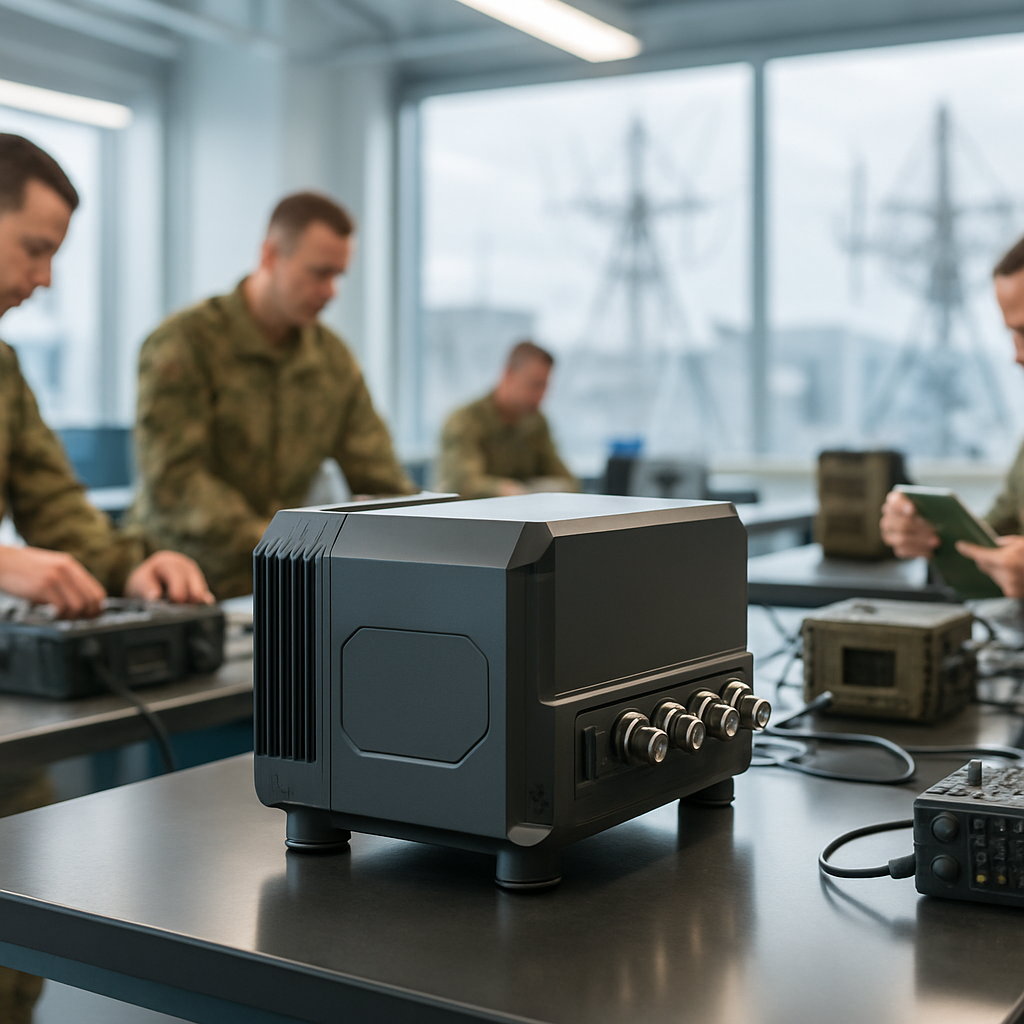
Army Accelerates Electronic Warfare Development with Budget Boost
The Army is turbocharging its electronic warfare development with a budget boost, aiming to outpace rapid technological advancements and secure spectrum dominance. With a topline funding increase and strategic line-item consolidation, the service plans to swiftly deploy cutting-edge capabilities to the field.
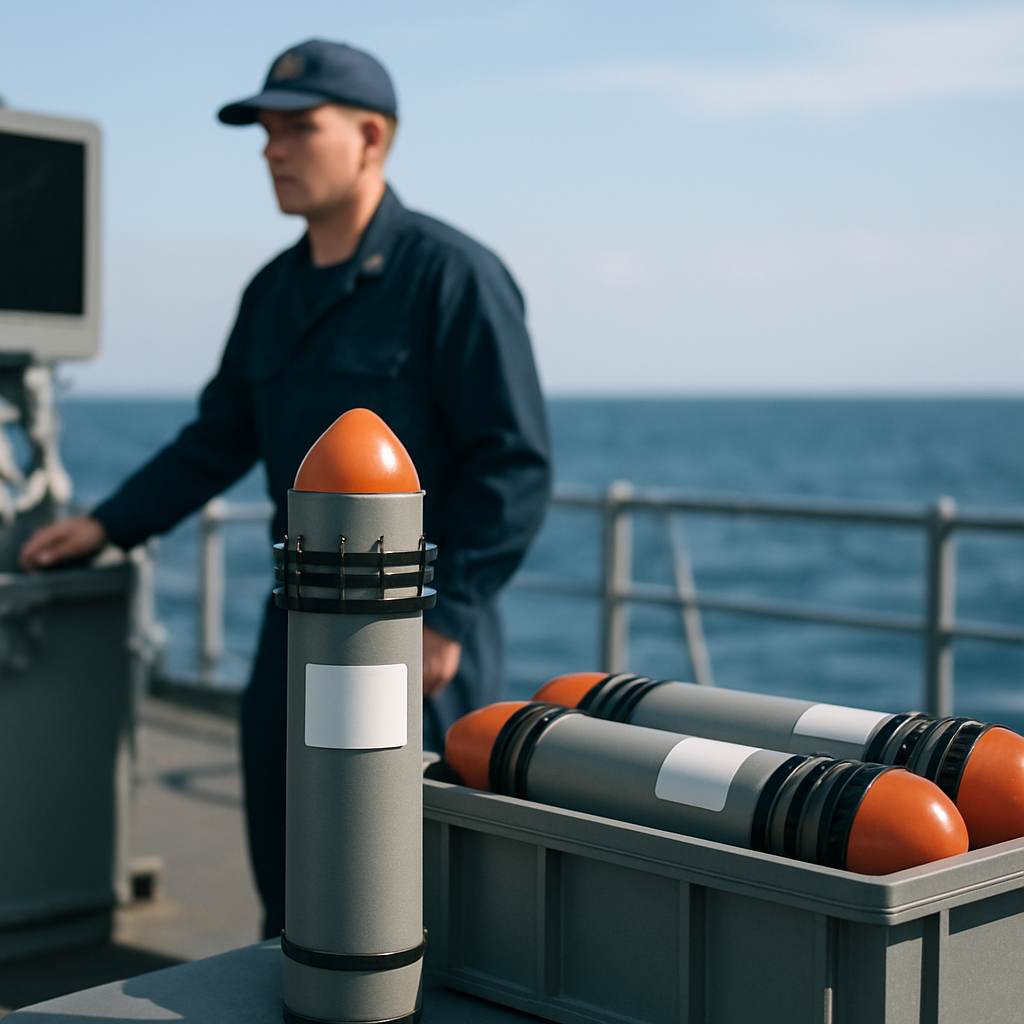
Navy Unveils Advanced Sonobuoys to Counter Submarine Threats
The Navy is supercharging its sonar arsenal with next-gen sonobuoys that can slam into the ocean surface at 100Gs, giving enemy subs a serious reason to hide. These advanced devices are being designed to sense and communicate in contested waters, bringing critical capabilities closer to the action.

US Army Opens Call for Commercial EW, Signals Intelligence Solutions
The US Army is seeking cutting-edge commercial solutions for electronic warfare and signals intelligence, aiming to build a trusted library of innovative technologies that commanders can quickly tap into to tackle their unique mission needs. This initiative, called REWSI, will streamline the process of finding and deploying the best tools for the job.

US Air Force Enhances HC-130J Countermeasures with Satellite-Fed Threat Updates
Imagine an electronic warfare pod that can adapt to new threats in mid-flight, receiving real-time updates via satellite to stay one step ahead - that's the game-changing potential of the Angry Kitten pod on the HC-130J platform. This cutting-edge tech could revolutionize the way we respond to evolving threats, making it a hugely valuable asset in modern warfare.

AI Use Cases Must-Have for Pentagon’s Best Readiness 2026
AI use cases are no longer optional for the Pentagon. In the next 18 months, choosing and governing the right ones will decide whether U.S. forces enter 2026 with an AI-enabled edge—or dangerous gaps in situational awareness, logistics, and command.

Secure Operations: Must-Have, Best Practices for Disruption
Secure operations start at the door but don’t stop there — today threats reach undersea cables, satellites, and even the smartphone in your pocket. Hardened sites, multi-path communications, and zero-trust supply chains are what keep commanders in control when every layer is contested.

Electromagnetic Spectrum: Must-Have SCIFs Offer Best Edge
When jammers and spoofers make radios go silent, modern SCIFs become the difference between chaos and command. They protect the signals, SIGINT and analysis commanders need to know not just that a radio died, but why.

Shield AI Debuts Stunning Efficient Autonomous Combat VTOL
Meet a machine that refuses to wait for a runway: Shield AI’s new jet-powered autonomous VTOL can launch from ships, forward sites or improvised clearings, slashing response times and making enemy targeting far trickier. It’s a bold leap in autonomy and propulsion that could reshape how air power is projected—and how wars are fought.

U.S. Army Selects AV for New Drone Interceptor Missile
The U.S. Army has tapped AeroVironment with a $95.9 million award to build a long‑range kinetic interceptor under its NGCM/LRKI program. It’s a concrete step toward turning cheap, garage‑built drone swarms from an overwhelming nuisance into a targetable threat by extending engagement range and reaction time.

GPS jamming: Stunningly Dangerous Threat to Europe
When GPS signals were deliberately jammed over southeastern Europe, even the plane carrying EU Commission President von der Leyen had to fly without satellite guidance — a stark reminder that our reliance on GNSS leaves aviation, infrastructure and economies vulnerable to cheap, deniable interference. Europe’s push to harden Galileo, boost anti‑jamming tools and speed up detection shows this isn’t hypothetical: GPS jamming is a present, systemic threat that needs urgent action.

helmet-mounted displays: Exclusive, Best Tactical Edge
Helmet‑mounted displays are no longer niche pilot toys but powerful force multipliers that merge sensors, targeting, and comms into a pilot’s line of sight—while also creating new vulnerabilities to jamming, spoofing, and human error. Keeping the tactical edge means hardening systems, training for degraded conditions, and designing HMDs pilots can trust.