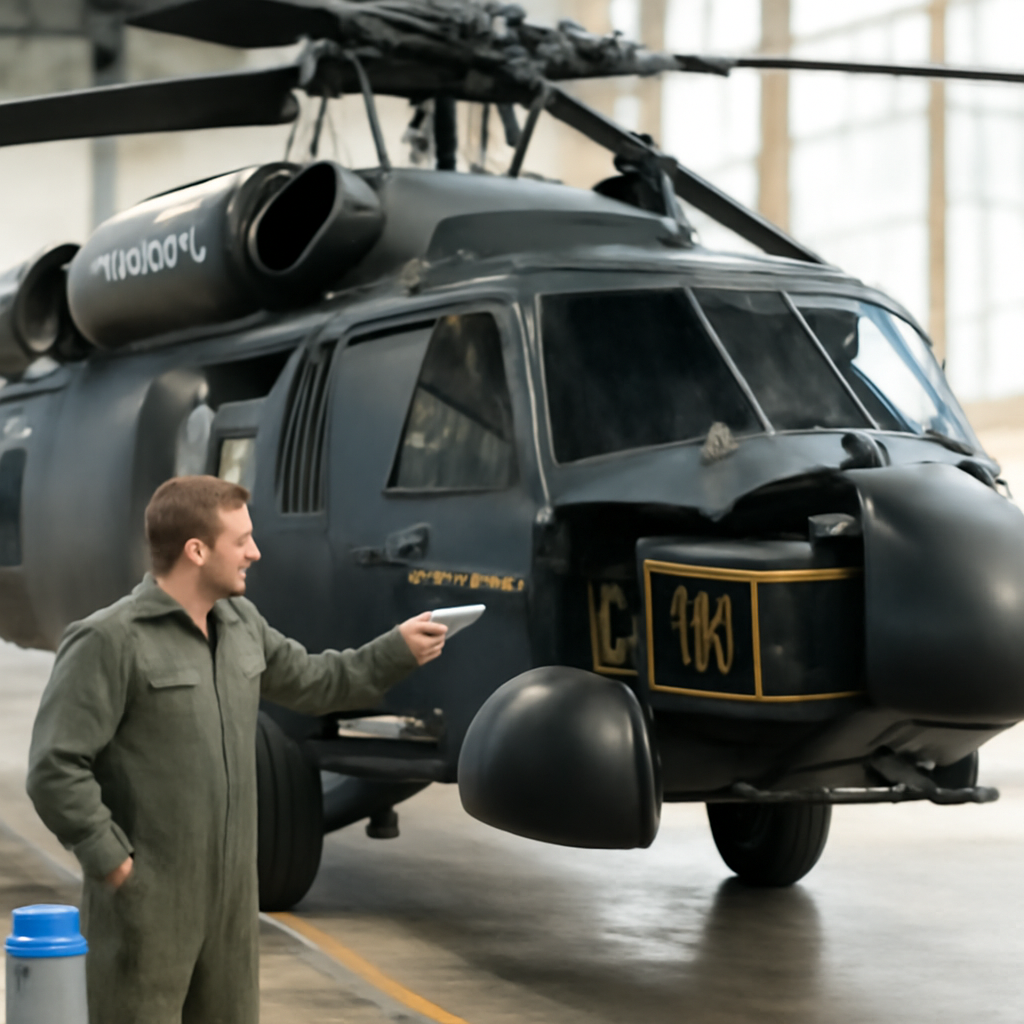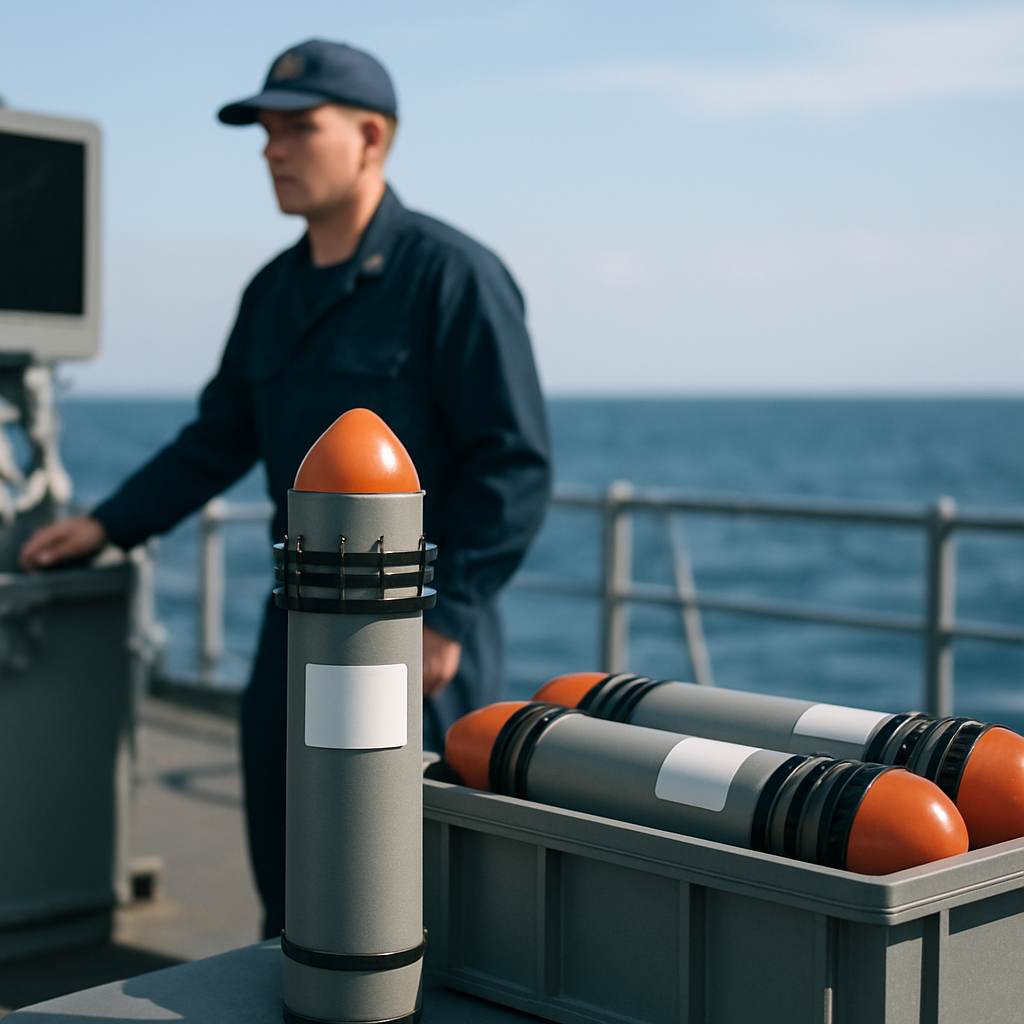
100Gs — the headline figure on a recent Navy briefing that captures both the violence of impact and the blunt promise: when one of these devices strikes the ocean surface at that acceleration, “enemy submarines better hide.”
Next-generation sonobuoys: sensing and communicating at sea
The Navy is pushing next-generation sonobuoys to expand what airborne and surface-deployed sensors can do in contested waters. According to the short briefing, those sonobuoys are being developed to sense and to communicate — capabilities the Navy pairs explicitly with missions such as electronic warfare. The announcement frames the effort as a move to place sensing and communications closer to forward environments rather than relying solely on more distant platforms.
Tube-launched effects: designed to survive a 100G hit
The same push includes tube-launched effects — expendable payloads launched from tubes that, when they hit the ocean’s surface, can withstand extreme forces. The briefing foregrounds the dramatic physics: impacts on the order of 100Gs. That figure appears as part of the program description and underlines the survivability requirements for munitions and sensors that must transition from launch to water entry while remaining functional.

Audit-ready is a season. It shouldn't be.
Evidence in spreadsheets, controls drifting between audits, frameworks multiplying on flat headcount. Nubivance runs continuous compliance on Rapid7 Cyber GRC - SOC 2, HIPAA, ISO 27001, PCI, CMMC.
End the scrambleElectronic warfare as an integrated mission
The Navy’s short presentation links sonobuoys and tube-launched effects directly to electronic warfare among their intended roles. The materials emphasize that these devices are not being developed merely as passive listening posts; they are being positioned to perform “other missions like electronic warfare,” which the Navy included as a core mission set alongside sensing and communications in forward environments.
Forward environments: pushing capability closer to the fight
Repeatedly, the briefing stresses forward environments as the intended operational context. The Navy’s language frames these developments as tools to operate closer to contested areas — to sense, to communicate, and to carry out tasks such as electronic warfare from nearer positions. That emphasis on forward deployment is the organizing principle tying together sonobuoys and tube-launched effects in the Navy’s description.
What this means for technologists, policymakers, and adversaries
- Technologists and security teams: Watch the survivability and integration challenges. The program sets a hard physical requirement — devices must survive extreme launch and impact loads (the cited 100G class of impacts) while retaining sensing, communications, and electronic-warfare capability in forward environments.
- Policymakers and procurement leaders: The Navy is explicitly prioritizing systems that operate forward and perform multiple functions — sensing, communicating, and electronic warfare — which will shape future acquisition trade-offs around modularity, expendability, and platform integration.
- Adversaries and threat actors: The Navy’s framing — and the blunt headline claim that “enemy submarines better hide” when these devices hit the water — signals an intent to complicate adversary undersea operations by dispersing sensing and electronic effects into contested areas.
The public face of this effort is a concise video briefing that the Navy made available to summarize the work: “Hear about the latest developments in these areas in this brief video,” the release states. The format is brief, the message focused: combine ruggedized hardware that survives severe launch stresses with multi-mission payloads, and deploy them forward to extend reach into contested waters.
There are clear engineering and operational trade-offs implicit in that sentence. Surviving a 100G impact is a blunt engineering constraint; performing sensing, communications, and electronic warfare is a blunt operational requirement. What the briefing makes plain is the Navy’s choice to marry the two — rugged, tube-launched and air-deployed effects pushed into forward environments to complicate adversary operations.
For readers who want the primary source and the short Navy briefing video, the original story is available at Breaking Defense: https://breakingdefense.com/2026/04/when-one-of-these-hits-the-oceans-surface-with-a-100g-impact-enemy-submarines-better-hide/