"The pace of technology evolution is faster than the pace of traditional procurement processes, and this is particularly evident within the [electromagnetic spectrum operations] EMSO environment. We have reformed these processes and are now prioritizing investments in capabilities that will allow us to achieve spectrum dominance," Portfolio Acquisition Executive for C2/Counter C2 Joseph Welch said.
FY27 funding posture: topline increase and line-item consolidation
Documents provided to Breaking Defense show the Army is asking for more money for electromagnetic warfare (EW) and signals intelligence in its fiscal 2027 budget request, and that the service intends to move faster to get capabilities to formations. The documents note the EW topline request increased from last year’s request, though they do not specify the dollar amount of that increase. The Army says a consolidation of EW budget line items, begun in FY26, enables rapid prototyping of commercial capabilities and lets the service reprioritize funding for faster fielding and distribution of capabilities based on unit mission.
No new-start programs, but faster delivery and unit learning
Despite the larger topline, the Army is proposing no new-start EW programs for FY27. Instead the service is accelerating division-level electronic warfare capability, aligning EW companies more closely with intelligence and electronic warfare (IEW) battalions, and emphasizing live events and soldier input to refine how EW is fought at formation levels. The budget request also supports increasing production to back an IEW battalion transformation to two such battalions equipped with advanced EW kit.

Audit-ready is a season. It shouldn't be.
Evidence in spreadsheets, controls drifting between audits, frameworks multiplying on flat headcount. Nubivance runs continuous compliance on Rapid7 Cyber GRC - SOC 2, HIPAA, ISO 27001, PCI, CMMC.
End the scrambleTerrestrial Layer System (TLS) — Manpack and the Modular Adaptor Kit (MAK)
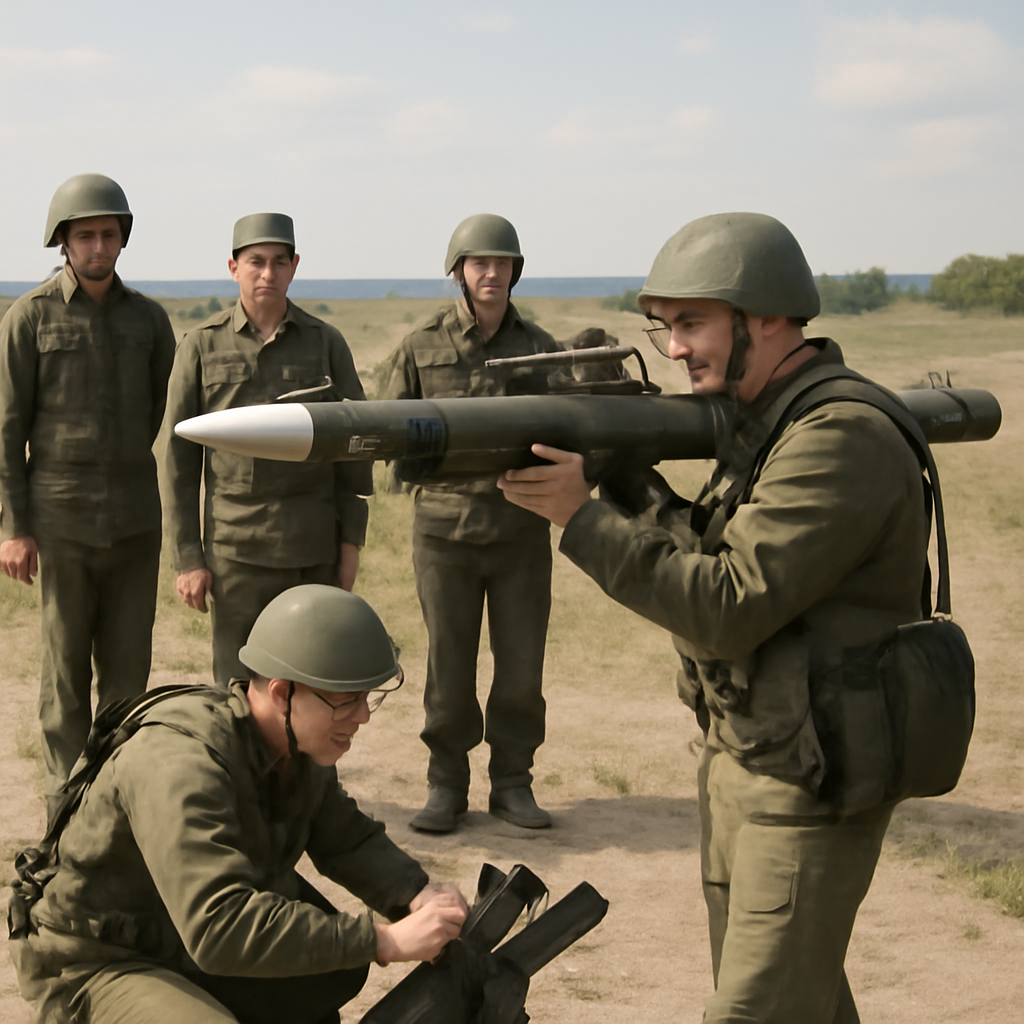
Within existing program lines, the Army requests $76.1 million in procurement and $47.9 million in research and development for the Terrestrial Layer System (TLS) Manpack capability — a dismounted electronic attack system intended for direction finding and limited jamming on the move. The budget request allows the Army to "field up to 24 units [an] additional 159 Manpack Systems" and to continue prototyping of the Modular Adaptor Kit (MAK).
The MAK is described as a solution to replace the TLS-Brigade Combat Team variant and to mount the Manpack to vehicles, providing power, additional antennas for range, and expanded signal processing for advanced analytics. MAK prototypes are being tested with Transformation in Contact 2.0 units, and the Army plans to begin building a production variant in fiscal year 2028.
TLS-Echelons Above Brigade and Spectrum Situational Awareness Systems
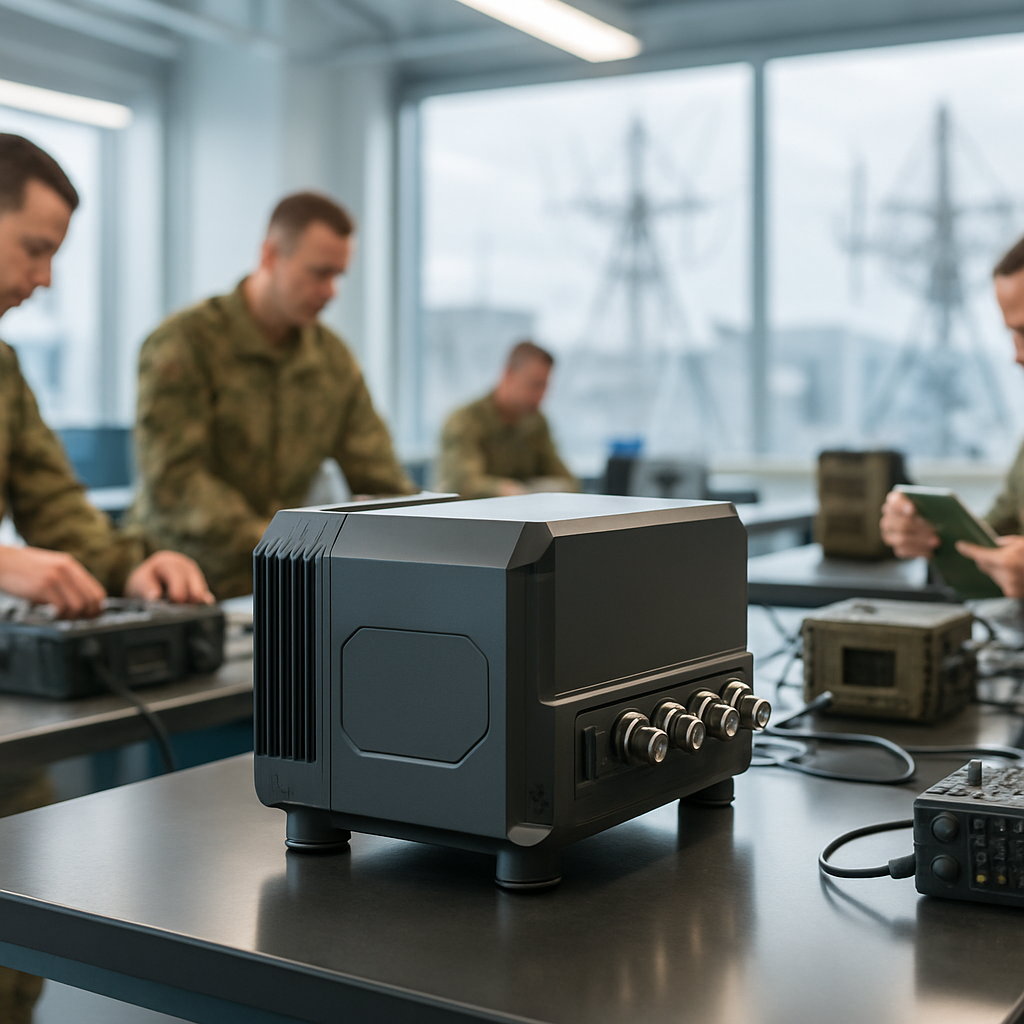
The budget request also targets larger-scale terrestrial effects. The Army is proposing $92.6 million in procurement and $66.9 million in research and development for the TLS-Echelons Above Brigade (EAB) system. Separately, the request includes $34.2 million to procure up to 60 Spectrum Situational Awareness Systems, intended to provide sensing and visualization of unit signatures in the electromagnetic spectrum and allow commanders to sense and report their command post signatures in real time.
Airborne EW: new payloads and walking away from MFEW-AL
On airborne electronic warfare, the Army told Breaking Defense it will acquire payloads to respond to an urgent operational needs statement and monitor their performance to identify an enduring fit for identified unmanned aircraft systems. That move follows a decision last summer to move on from the long-running Multi-Function Electronic Warfare Air Large (MFEW-AL) program — a pod designed for the MQ-1C Gray Eagle — after more than 10 years of development. If an acquired payload proves viable, the Army said it could shift resources to enhance and produce that system.
What this means for IEW battalions, soldiers, and acquisition leaders
- IEW battalions: The budget explicitly supports transformation to two IEW battalions equipped with advanced EW kit, so those units can expect increased production and new material priorities tied to the TLS and associated systems.
- Soldiers (formations and units): The Army is prioritizing fielding commercially available capabilities quickly and using live events with soldier input to refine employment, which means soldiers will see more iterative hardware and software in operational contexts rather than waiting for "exquisite" bespoke systems.
- Acquisition leaders: The service has formalized procurement reforms, consolidated EW line items, and is emphasizing rapid prototyping and reprioritized funding — a shift that will require program offices to manage faster production timelines and closer coordination with operational users.
The FY27 request shows the Army attempting to shift from a years-long cycle of prototypes and pivots toward faster fielding, using commercial options and concentrated production buys to change how formations fight in the electromagnetic spectrum. The next concrete markers to watch inside the record are the production ramp for TLS systems, the MAK production start planned for FY2028, and how the airborne payloads perform against urgent operational requirements — all steps the Army frames as necessary to meet the transformation and the direction from Secretary of Defense Pete Hegseth to achieve "electromagnetic ... dominance by 2027."
Source: Breaking Defense — Army requests funds to speed development, production of EW systems