[SPONSOREDNUBIVANCE]
Know a small business winging it on security?
No IT department, no security budget, real exposure. Nubivance builds right-sized security foundations for small companies. Send them this.
Send it along
The US has given Taiwan a confusing runaround, offering four conflicting explanations in May for the delay of a $14 billion package of Patriot PAC-3 interceptors and NASAMS systems. The mixed messages have left Taiwan wondering what's really behind the hold-up.

This resolution is a big win for defense, ensuring that current weapons programs stay on track and that troops and civilians get the pay they deserve. By extending funding to December 11, Congress has bought itself some time to iron out budget details and avoid a costly disruption.

Honduras's diplomatic shift towards China in 2023 came with a hefty price tag: its shrimp exporters lost access to Taiwan, resulting in plummeting sales, shuttered businesses, and thousands of job losses. The economic fallout has sparked domestic backlash, with the Honduran congress launching probes into Chinese business activities.
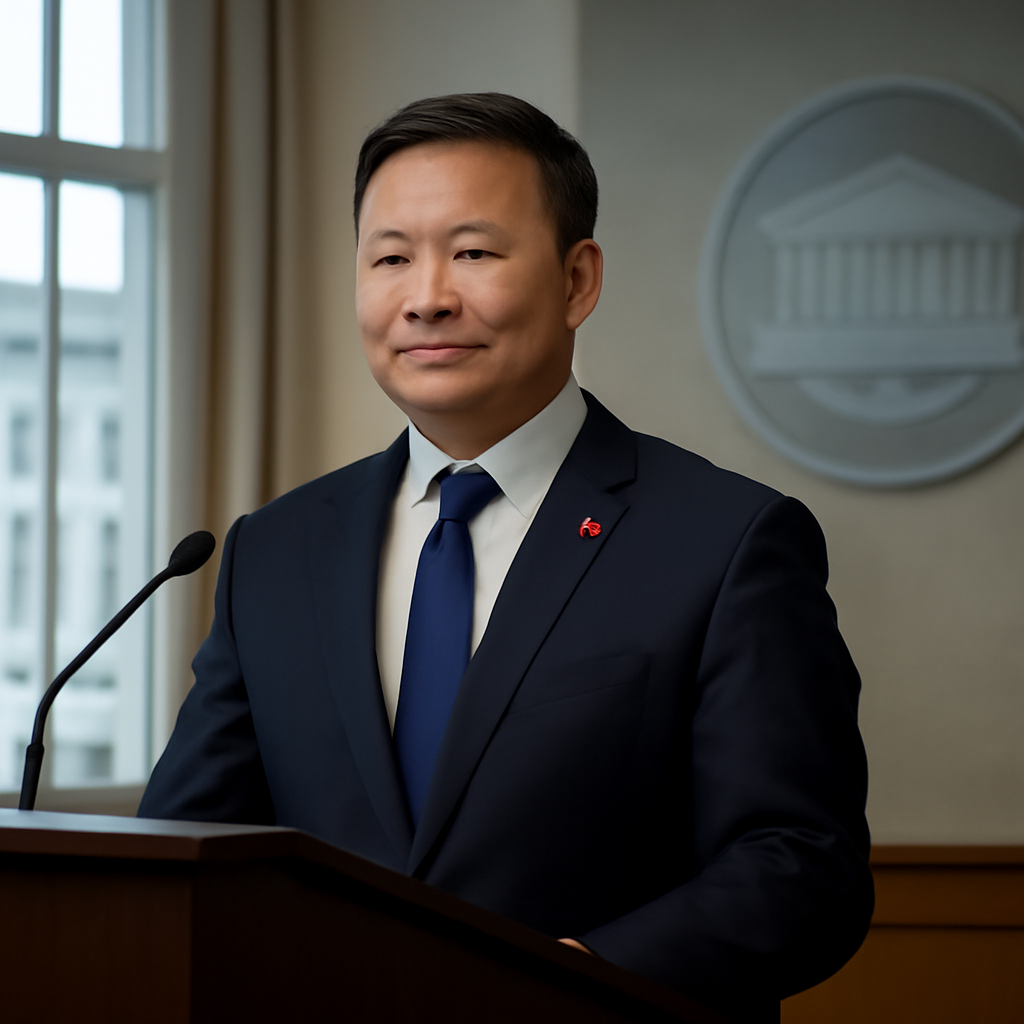
President Trump has announced his intention to nominate Hung Cao, a seasoned warrior and current acting Navy secretary, as the next Secretary of the Navy, calling him the perfect candidate to lead the department. Trump urged the Senate to confirm Cao ASAP, saying he's the best person to keep the Navy and Marine Corps at the top of their game.

Australia's national cabinet recently discussed the country's data centre power puzzle, but surprisingly overlooked a crucial issue - where these facilities should be built. The meeting's focus on energy, water, and land-use standards missed the harder question of ideal locations for these critical infrastructure projects.
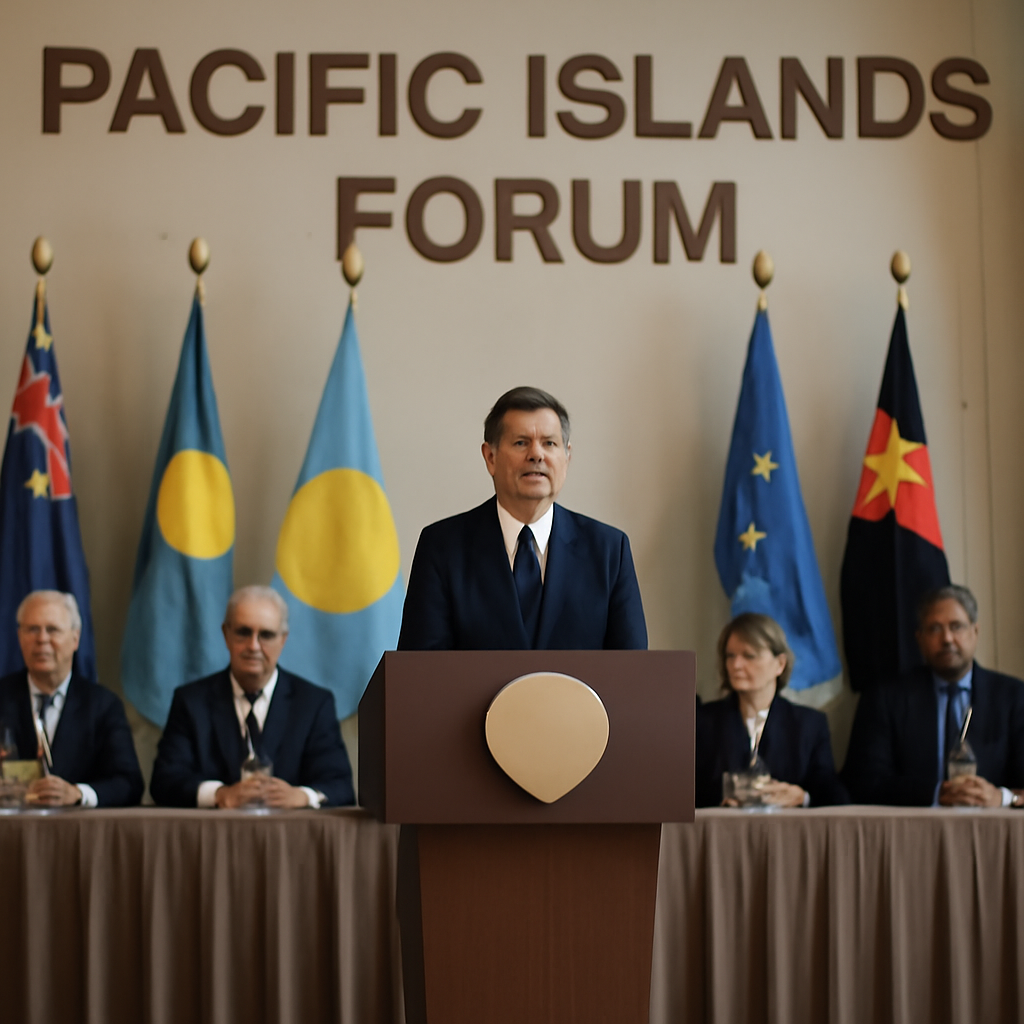
China's tough talk was noticeably absent at the Pacific Islands Forum, where its envoy Qian Bo had initially warned of consequences, but instead delivered a muted message of unity. The scaled-back statement came after a show of unified resistance from Pacific leaders.

Congress has breathed a sigh of relief, avoiding a government shutdown just in time, by passing a stopgap bill that keeps federal funding at current levels through December 11. This continuing resolution buys time until after the November elections, putting the threat of a shutdown on hold.

Congress has breathed a sigh of relief, avoiding a shutdown by passing a defense funding bill that will keep federal funding in place through December 11. The bill, which sailed through the House with a 370-48 vote, ensures that current defense programs, including vital weapons initiatives, will continue to receive funding at fiscal 2026 levels.
No IT department, no security budget, real exposure. Nubivance builds right-sized security foundations for small companies. Send them this.
Send it along
Tina Peters has withdrawn from any potential role in Shasta County's election efforts, clarifying that she never officially accepted a position despite earlier hints of involvement. Her statement, released through her attorney, emphasized her broader concerns about election integrity across the US.

At the Department of the Navy, modernization isn't just about adopting new tech - it's about bolstering mission readiness and ensuring seamless performance. By upgrading with care, the Navy can deliver new capabilities without disrupting critical operations.

Explore real-world examples of democratic technologies in action, from Japan's Team Mirai to Scotland's civic AI initiatives, in a fascinating series of essays on The Renovator. Get inspired by four case studies that showcase the power of tech in promoting democracy and civic engagement worldwide.

Army Secretary Dan Driscoll is stepping down from his role after serving for less than two years, sparking a new chapter for the Department of the Army. His departure comes amid reports of strained ties with the Pentagon and a conversation with President Trump about the Army's future.

Army Secretary Dan Driscoll has resigned amid a heated clash with Defense Secretary Pete Hegseth over the Army's transformation and readiness, marking a significant shake-up in the military's top leadership. Driscoll's departure follows a public feud over who should lead the effort to reshape the Army.

Japan's Ministry of Defense is shaking things up with a bold new budget request of 8.9 trillion yen, focusing on building a robust defense infrastructure that's as much about factories and stockpiles as it is about cutting-edge jets and missiles. The proposal includes around 160 unfunded items, hinting at an even bigger price tag to come.

Australia and New Zealand are revitalizing their historic ANZUS alliance, bringing a crucial security partnership back to the forefront of their bilateral relationship after decades of dormancy. This renewed focus marks a significant shift, as the two nations strengthen their trans-Tasman ties.

Japan's defense ministry is pushing the boundaries of its military capabilities with a record-breaking $55.6 billion budget proposal, aimed at bolstering its defense systems with cutting-edge tech. The 8.89 trillion yen request, covering the next fiscal year, sets a new high bar for Japan's defense spending.
Full-platform Rapid7 rollouts - InsightVM, InsightIDR, event sources, agents, tuning - by a Registered Partner who has done it at state-agency scale, including OT/SCADA.
Talk deployment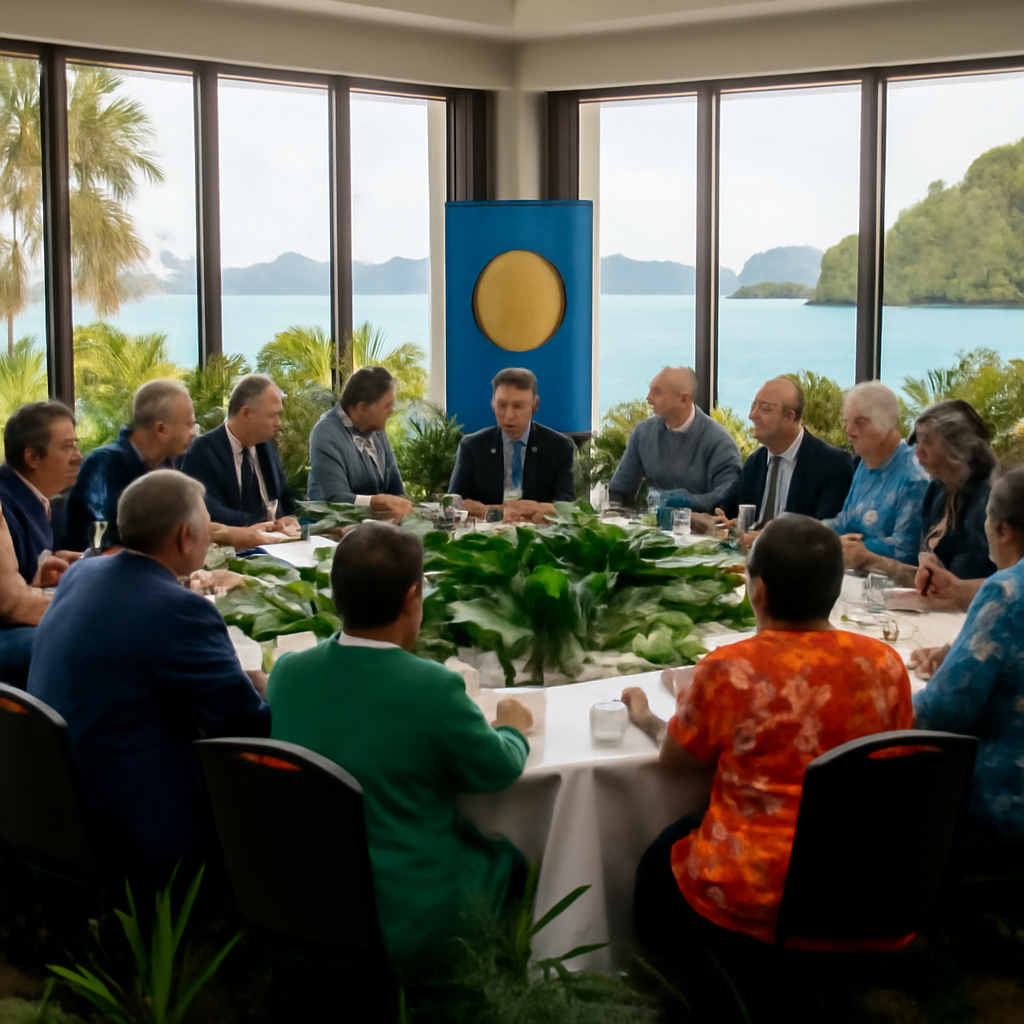
Leaders from across the Pacific have gathered in Koror, Palau, for the 55th Pacific Islands Forum Meeting, united by a bold vision to build stronger economies and transform lives. With nearly 30% of the world's exclusive economic zones lying beneath the Pacific's waves, the stakes are high for creating jobs, infrastructure, and opportunities that can overcome the region's unique challenges.

As the Shanghai Cooperation Organization celebrates 25 years, its impressive trade growth - intra-SCO trade hit $725 billion in 2024, up from $463 billion in 2021 - belies internal tensions and security challenges that threaten its future. Can the SCO overcome its rivalries and deliver on its promise, or will its achievements remain largely symbolic?

As Congress heads back to Washington, a pressing agenda awaits - specifically, crucial defense spending decisions that will shape the nation's security and priorities. The House and Senate will face big defense spending priorities when they reconvene in September.

The Pentagon is seeking a historic $1.5 trillion defense budget, but faces an uphill battle on Capitol Hill as Congress juggles multiple complex bills. A solid budget resolution is crucial, with Sen. Jack Reed saying it would put lawmakers in a much better position to move forward.

Australia and Indonesia are taking their partnership to the next level with a strengthened security cooperation that's set to benefit future generations of both nations. Foreign Minister Penny Wong emphasized the significance of this deepened relationship, which is being turned into actionable plans through a crucial Implementation Arrangement.

The Pentagon is ramping up efforts to confirm General Christopher LaNeve as the Army's Chief of Staff, with Defense Secretary Pete Hegseth praising LaNeve as exactly the leader the US Army needs. The department is working closely with Senate partners to find the perfect moment to submit LaNeve's nomination.

Shasta County registrar Clint Curtis revealed that he's offered a consulting role to Tina Peters, a convicted felon, to help oversee California's 2026 midterm elections, but she's yet to agree due to concerns about potential roadblocks and ensuring everything is above board.

In a major crackdown on cybercrime, Interpol's Operation Jackal IV has dismantled West African cybercrime networks, snagging 58 arrests and identifying 263 suspects across 22 countries. This eight-month sting operation dealt a significant blow to money laundering and cyber-enabled fraud.