[SPONSOREDNUBIVANCE]
Rapid7 deployed right the first time.
Full-platform Rapid7 rollouts - InsightVM, InsightIDR, event sources, agents, tuning - by a Registered Partner who has done it at state-agency scale, including OT/SCADA.
Talk deployment
In a major crackdown on global cyber fraud, INTERPOL's Operation Jackal IV has led to the arrest of 58 individuals, showcasing the unstoppable force of international cooperation in the fight against cybercrime. This massive operation united law enforcement agencies from 22 countries across six continents to take down West African criminal networks.

The US is launching a fierce economic crackdown on Iran, targeting nearly 60 entities, individuals, and vessels linked to the country's nuclear, missile, oil, and cyber networks. Secretary of the Treasury Scott Bessent vows to cut off every financial lifeline sustaining the regime, leaving Tehran isolated.

A new Pentagon memo is shaking up data disclosure rules for contractors, forcing them to rethink their approach at a time when AI innovation is taking center stage. This game-changing update intersects with emerging tech developments, sparking key questions for contractors, reporters, and military technologists.

The Pentagon has axed its Civilian Protection Program, sparking widespread backlash, after Defense Secretary Pete Hegseth deemed its rules of engagement too restrictive. The move comes despite a 2025 poll of top commanders, who largely favored preserving the program in some form.
The US has imposed sanctions on 17 alleged Mabna Institute hackers responsible for a massive cyber-attack spree targeting over 300 universities, 50 private companies, and several government agencies since 2013. This crackdown, dubbed Operation Economic Outcast, aims to cut off the financial lifelines sustaining Iran's cybercrime operations.
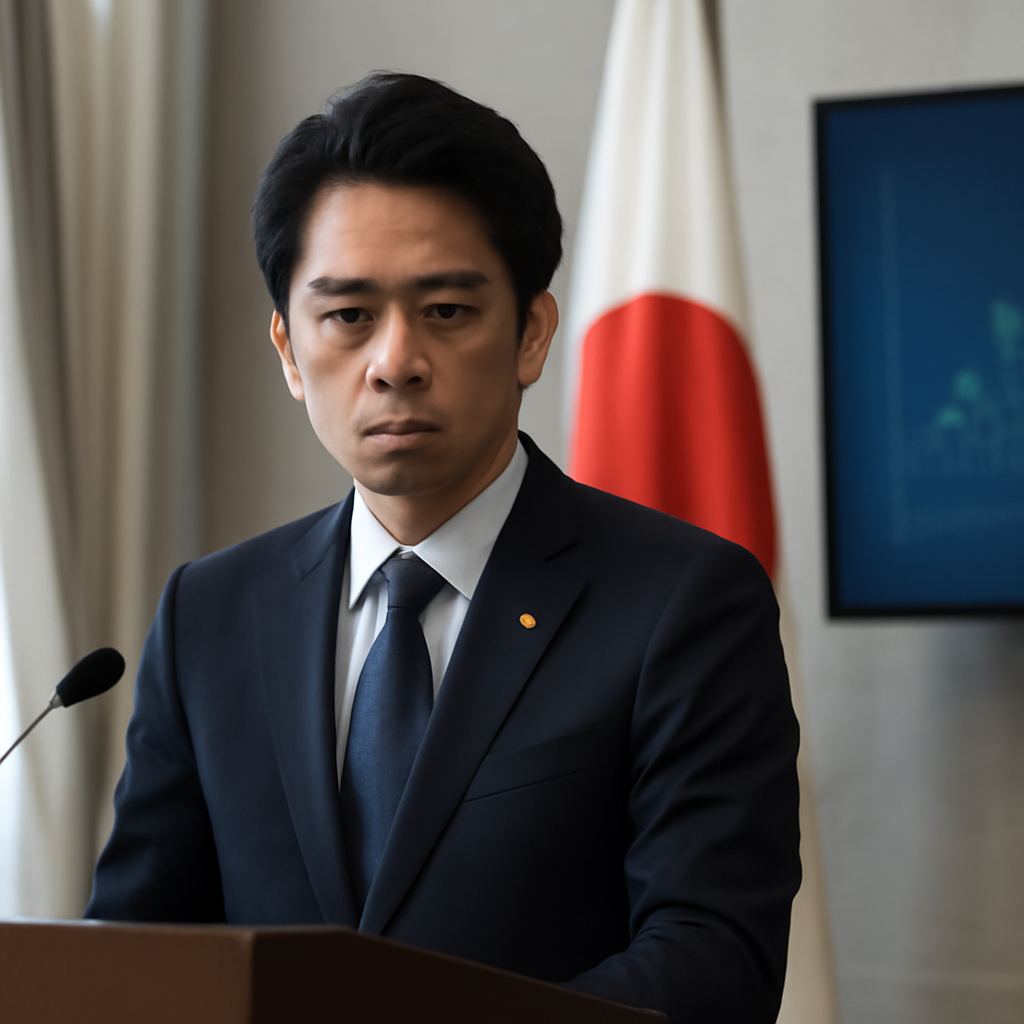
Japan's defence spending has fallen short of expectations, with a 2026 budget of 10.6 trillion yen translating to 1.5% of GDP, not 1.9% as claimed by Defence Minister Shinjiro Koizumi. This misses the 2% target set for 2027, highlighting fiscal constraints.

The US Treasury Department has launched a bold crackdown on Iranian hackers, designating four individuals for sanctions for their alleged roles in targeting critical US infrastructure and stealing sensitive information. This economic onslaught aims to disrupt Iran's global financial connections and hold its malicious cyber actors accountable.

Pakistan is taking a giant leap in defence industrial growth with the launch of DIPRA, a groundbreaking initiative aimed at boosting private sector participation and self-reliance in defence production. This move is set to revolutionize the country's defence industry, fostering a competitive and sustainable ecosystem.
Full-platform Rapid7 rollouts - InsightVM, InsightIDR, event sources, agents, tuning - by a Registered Partner who has done it at state-agency scale, including OT/SCADA.
Talk deployment
The Supreme Court has ruled in favor of the Trump administration's mail-in ballot rules, dismissing a lawsuit that sought to block changes to US Postal Service policies. In a 6-3 decision, the court decided that states don't have the grounds to challenge the White House's executive order.
Loyalty tests can backfire, warn experts Mara Karlin and Julianne Smith, as the US considers a new review of its European force posture that may judge countries on their ideological alignment with America. The proposed pass/fail criteria have sparked debate, with critics arguing that such tests erode, rather than build, loyalty.

The USPS is pushing forward with new mail ballot rules, despite court challenges, citing a need to be ready for the 2026 general election. The rules, which drew 200,000 public comments, take effect immediately, even as the Supreme Court prepares to weigh in.

Celebrating a quarter century of influence, the Australian Strategic Policy Institute (ASPI) was launched with a rare show of bipartisan unity, backed by both the Coalition and Labor parties. Founded 25 years ago with a bold vision of independence, ASPI was set free to challenge conventional thinking and shape Australia's national security policy.

Foreign Affairs Minister Penny Wong's bold declaration that Indonesia is Australia's most crucial partner underscores the significance of their relationship - one that has ebbed and flowed over 25 years, with ASPI playing a pivotal role in nurturing dialogue and understanding between the two nations. Through sustained engagement, ASPI has helped keep the lines of communication open, even in tough times, and encouraged Australian policymakers to see Indonesia as a valued partner.
Senators are demanding answers about the federal government's secretive hacking practices, and they're calling on the Government Accountability Office to shine a light on the scope, frequency, and safety measures behind these operations. They want to know how often and how extensively the government is using hacking and spyware to investigate Americans.

The fate of Trump's Missile Shield Plan, codenamed Golden Dome, hangs in the balance as lawmakers grapple with securing crucial funding, with the White House seeking $17.5 billion but only $400 million currently in the baseline budget.

At the heart of ASPI's 25-year journey is a bold experiment: championing contestability in national security policy by fostering open debate and diverse perspectives. This pioneering approach, seeded by Hugh White, has become the institute's DNA, driving stronger strategic policy through constructive disagreement and collaboration.
Ransomware crews target small municipalities because nobody's watching. Nubivance gives Maine and New Hampshire towns a security program sized to a town budget.
Protect the town office
With over 1.7 million Freedom of Information Act requests pouring in during FY2025, federal agencies are facing unprecedented pressure to modernize their FOIA systems and ditch outdated infrastructure that's slowing them down. Legacy platforms are struggling to keep up with record request volumes, causing bottlenecks, duplication, and increased risk.

The US is putting NATO allies to the test with a questionnaire that probes their support for American policies, sparking concerns that it's an unnecessary stress test. Estonia's Foreign Affairs Committee chairman Marko Mihkelson is already speaking out against it, calling it an unwelcome way to handle the situation.

The US government is being urged to recognize the AI sector as critical infrastructure, a designation that would highlight its importance to the country's well-being and security. This call to action comes from a new report by Americans for Responsible Innovation, which argues that the AI sector already has all the hallmarks of a vital industry.

A bipartisan bill aimed at tackling organized retail theft has sparked fears of a massive surveillance network, with critics warning it could have far-reaching and alarming consequences. The Combating Organized Retail Crime Act would create a new coordination center within ICE's Homeland Security Investigations division.

The Pentagon is pushing for full transparency in contractors' pricing data, aiming to prevent profit margins from getting out of control and ensure fair contract negotiations. Deputy Defense Secretary Steve Feinberg has directed senior leaders to reset expectations for supplier cost and pricing information across all tiers of the supply chain.

As South Asia charts its digital course, the choices it makes on vendors, standards, and data governance will have lasting impacts on regional resilience. New Delhi should prioritize digital transformation in its regional policy, partnering with Australia and like-minded nations to shape a secure and thriving digital future.

The Pentagon is stonewalling Congressional efforts to get a handle on the hefty price tag of the Golden Dome missile shield, with the Congressional Budget Office admitting they've been shut out from crucial briefings. It's a secrecy move that's fueling a growing public spat over the program's potentially eye-watering $1.2 trillion cost.

Peraton has landed a massive $953 million contract with the Defense Information Systems Agency to provide top-notch communications infrastructure services for up to 10 years. This deal is a major win, marking the third iteration of DISA's Capacity Services Communications program;