Tag: china
769 articles

Australia Urged to Embrace Semi-Autonomous Systems to Counter China
Imagine being able to develop and deploy game-changing products on the battlefield in just a matter of weeks - that's the power of speed, scale, and continuous adaptation that Ukraine's unique ecosystem has harnessed, and which Australia is being urged to adopt. By embracing semi-autonomous systems, Australia could revolutionize its defence capabilities and stay ahead of emerging threats.

Zbtlink Router Firmware Exposes Potential Backdoor Risks
Some Zbtlink routers have a shocking secret: they come equipped with a built-in backdoor that lets them phone home and wait for orders, all without needing to be hacked. This unsettling feature, dubbed ENDLESSDOORS, was found on twenty models across years of images, sparking concerns about potential security risks.
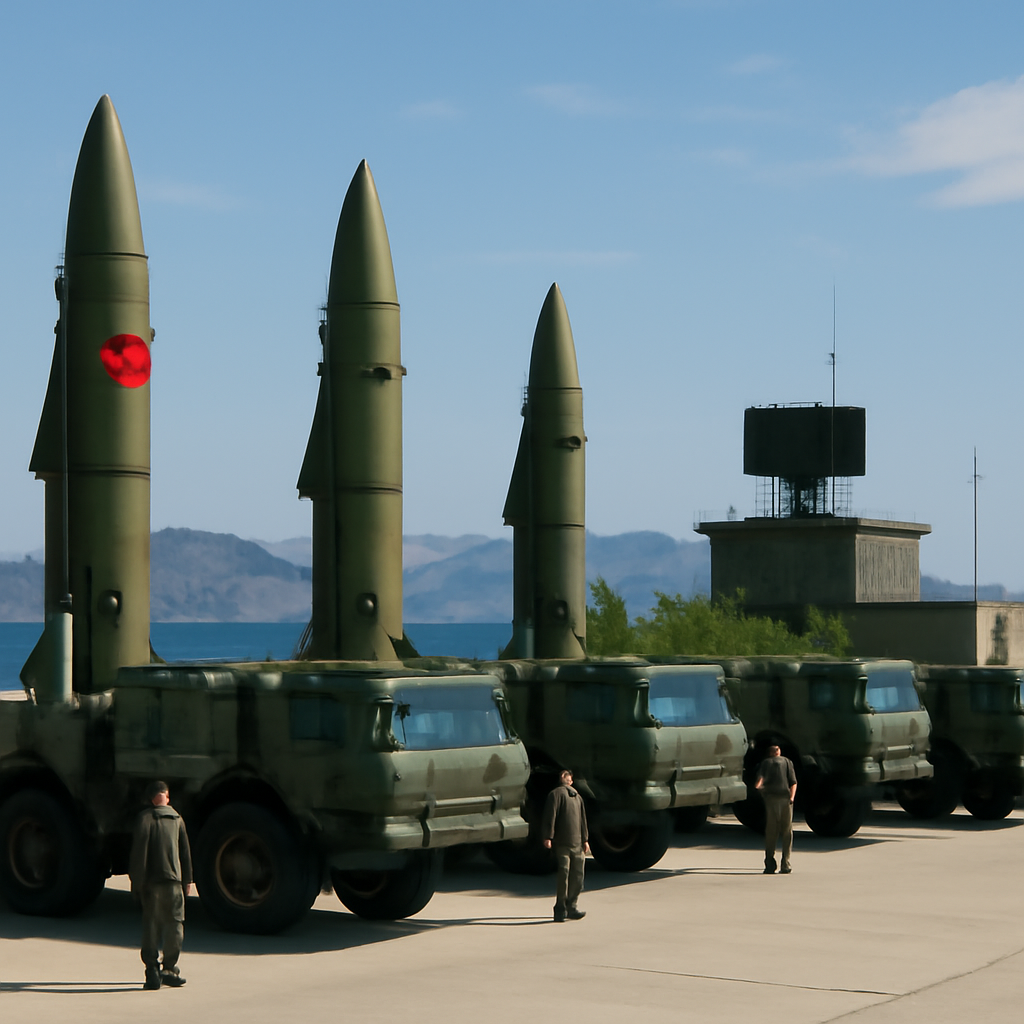
China's Ballistic Missile Arsenal Expands with Advanced Regional Strike Capabilities
China's military might just have gotten a major boost with the introduction of the DF-17, the world's first operational ballistic missile designed to deliver hypersonic glide vehicles at incredible speeds of nearly Mach 10. This game-changing missile can travel up to 2,200 kilometers and is likely to be used to take out high-priority targets like coastal defenses early in a conflict.

Mustang Panda Exploits QuickFox Supply Chain to Deploy FDMTP Backdoor
Meet the sneaky Mustang Panda hackers, who've exploited a popular VPN tool's supply chain to slip a nasty FDMTP backdoor onto unsuspecting users' devices. They pulled it off with just two lines of JavaScript hidden in a tampered installer.

China's 195th Brigade Unveils Customized MBT Variant
Meet China's 195th Mechanized Infantry Brigade, the PLA's elite Blue Force unit that's paid to play the bad guys in high-stakes training drills. As a professional opposition force, they bring a deliberate and institutionalized challenge to confrontational exercises.

Senators Warn of AI Security Risks from US Policy Unpredictability
US senators are warning that the unpredictable approach to AI security is undermining America's competitiveness and inadvertently driving businesses to adopt Chinese alternatives, which could create new security risks. This lack of clarity is prompting concerns that customers may be pushed towards less secure options.

Japan Warns of China's Deepening Military Reach in Pacific
China's military reach is expanding at an alarming rate, with the People's Liberation Army now actively projecting power into the Pacific beyond the First Island Chain, a development that Japan's government has identified as a critical threat to its peace and security.

Breach Victims Set for Lifetime Identity Protection
With the federal government's identity protection services set to expire on September 30, 22.1 million breach victims from the 2015 China-linked breaches face a looming gap in lifetime protection. Will they be left vulnerable after a decade of coverage?

US, Allies Scramble to Disrupt China's Critical Mineral Dominance
China's grip on critical minerals has sent shockwaves through the market, with prices skyrocketing 250 percent since Beijing introduced export controls in April 2025 - and the threat of a sudden flood of supply looms large, as China can flip the switch and crush prices at any moment.

Australia's China Strategy Requires New Questions
It's time for Australia to shake up its China strategy by asking a new question: what actions will truly advance the country's national interests? Instead of getting stuck in a friend-or-foe debate, Australia should focus on what really matters - its own prosperity and security.
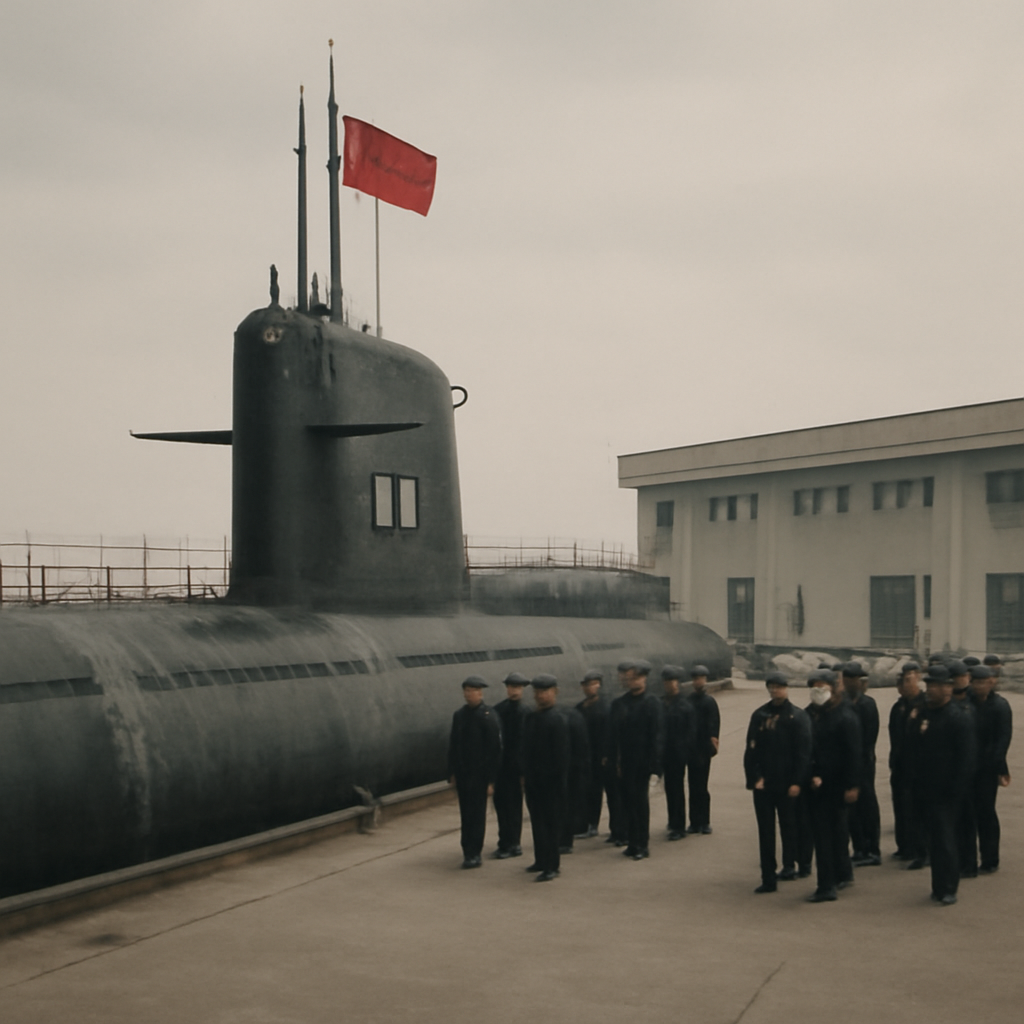
China's First Nuclear Submarine Decommissioned
China's pioneering nuclear submarine, Han 401, met its end in September 2003, its decommissioning ceremony marked by a rare glimpse of the vessel and its crew in one final, farewell photo. Despite a tumultuous development process - think welding mishaps and reactor lab politics - the submarine looked remarkably well-preserved, a testament to its relatively gentle service history.

Malicious npm Packages Target Alibaba Developers with Cross-Platform RAT
Researchers have uncovered a sneaky plot involving 18 malicious npm packages that deliver a cross-platform remote access trojan (RAT) to Alibaba developers, likely for industrial espionage. This targeted supply-chain operation zeroes in on Chinese-speaking environments, putting sensitive data at risk.
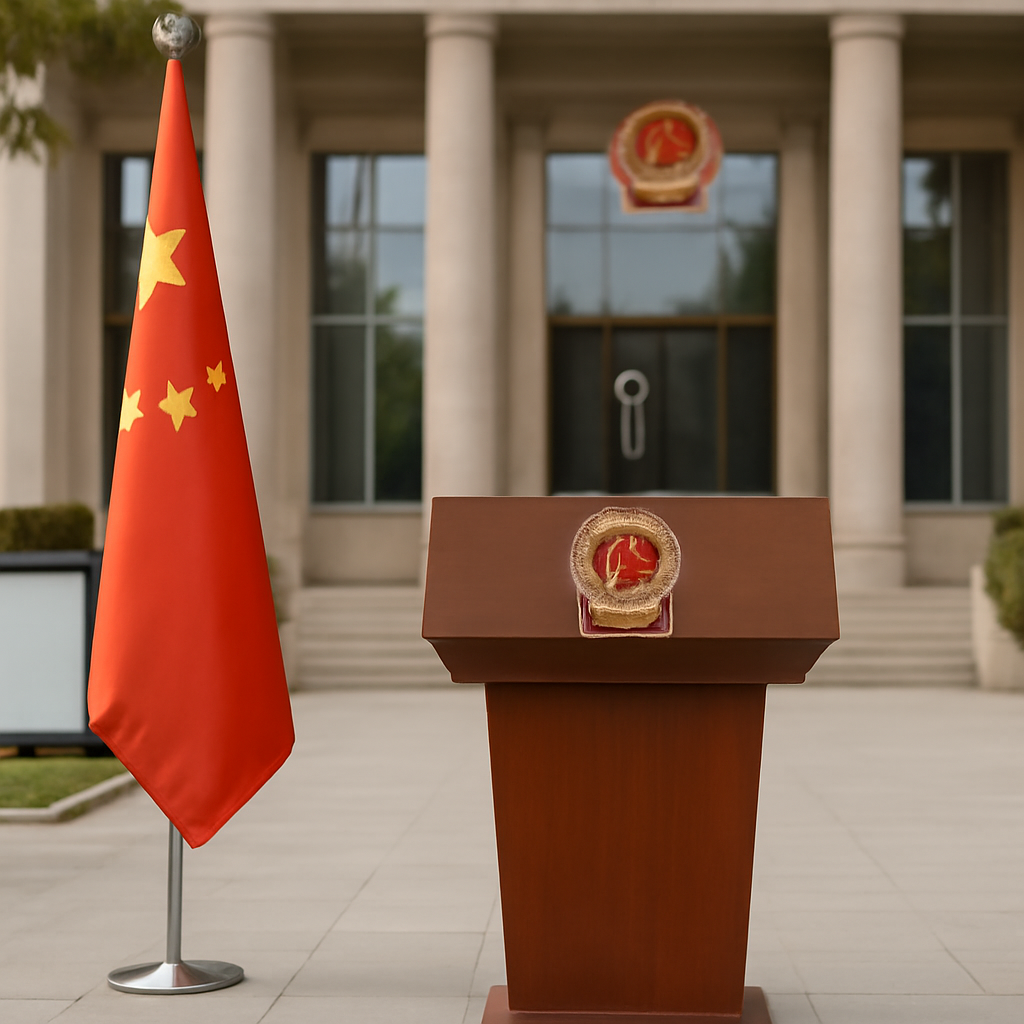
China Preserves Sovereignty Disputes as Strategic Assets
China has consistently maintained that a decade-old tribunal ruling, which rejected the legal basis for its claims within the nine-dash line, is "null and void" - a stance that has remained unchanged despite ongoing criticism and diplomatic pressure. This unwavering position highlights the strategic value Beijing places on sovereignty disputes.
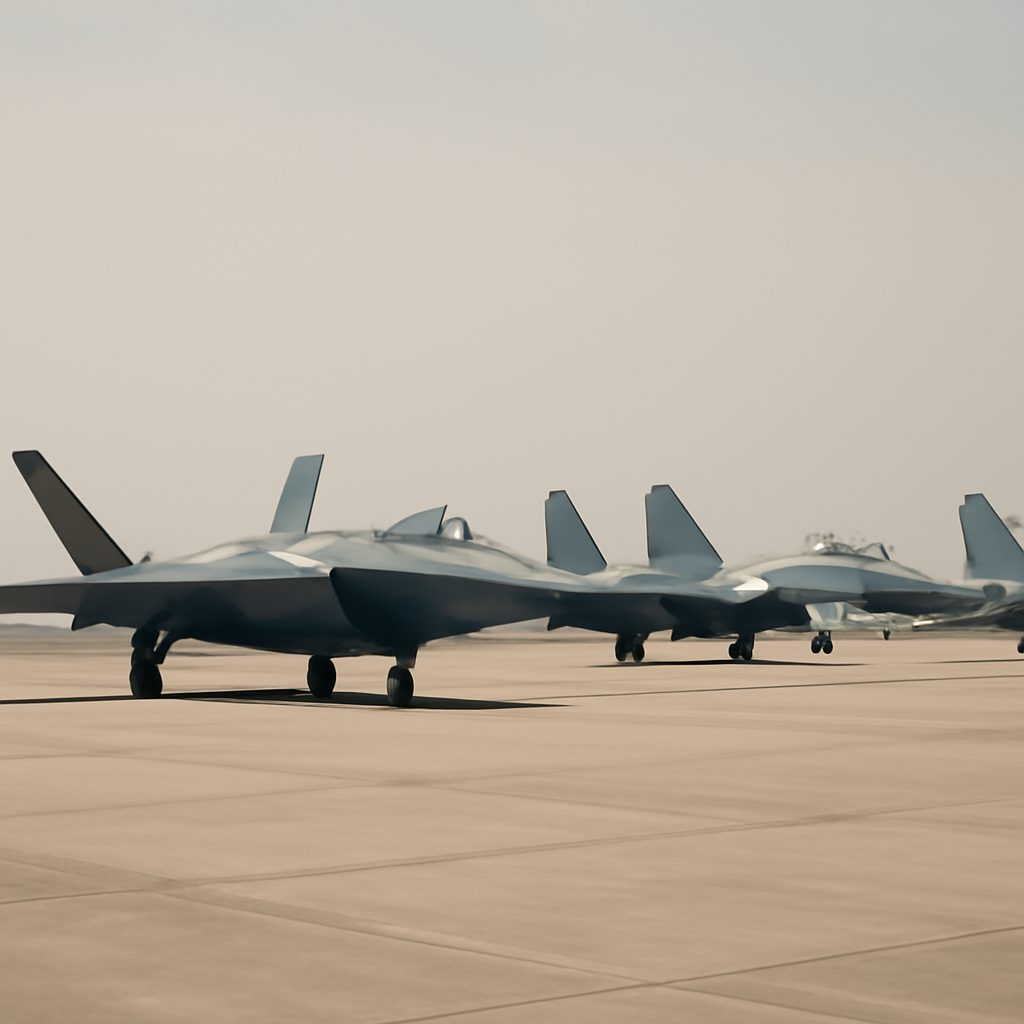
China's PLAAF Upgrades Aggressor Fleet with J-20, J-16, J-10C
The People's Liberation Army's 66th Brigade is upgrading its aggressor fleet with cutting-edge aircraft, including the J-20 and J-16, marking a significant boost to its capabilities. This modernization move is a notable shift from its previously reported mix of legacy fighters like the Su-30MKK, J-10A, and J-11B.

China's Mengshi Warrior Tests Autonomous Driving Capabilities
Meet the Mengshi Warrior, China's latest foray into autonomous driving, as spotted in a series of intriguing photos that suggest the People's Liberation Army is quietly expanding its tests of self-driving technology. The Dongfeng Mengshi Warrior's autonomous variant marks a significant development in China's military-linked autonomous vehicle conversation.

China Defense Blog Exposes J-35 Fighter in CCTV Footage
The China Defense Blog recently shared a surprisingly engaging CCTV footage featuring the J-35 fighter, sparking excitement among defense enthusiasts. This rare gem stands out from the usual PR segments, catching the attention of even seasoned analysts.

China Unveils YJ-20 Hypersonic Anti-Ship Missile
China just revealed its game-changing YJ-20 hypersonic anti-ship missile, capable of traveling 1,000-2,000 km at mind-boggling speeds of Mach 6-10. The stunning footage and photos show the missile in action aboard a Type 55 destroyer, marking a major leap in China's naval capabilities.

Pentagon Moves to Ease Industry Burden on Critical Mineral Restrictions
The Pentagon is giving industries a break, offering a phased approach to ease restrictions on critical minerals sourced from China and other prohibited countries, with a deadline to adapt by early 2027. They're also pledging to collaborate with companies to ensure a smooth transition.

AI-Powered Attacks Target Vulnerable Servers With Autonomous Exploits
Meet the AI-powered attackers who just took autonomous exploitation to the next level - and here's how researchers uncovered their clever tactics. A China-based threat actor's accidental leak exposed a functional, end-to-end AI-driven attack workflow.

China Asserts Maritime Ambitions as Global Attention Wanes
China is redefining its maritime boundaries, subtly challenging the UN's Law of the Sea framework by downplaying its significance as the sole authority, instead positioning it as just one of several key players in global ocean governance. This reinterpretation marks a notable shift in China's approach to maritime law.
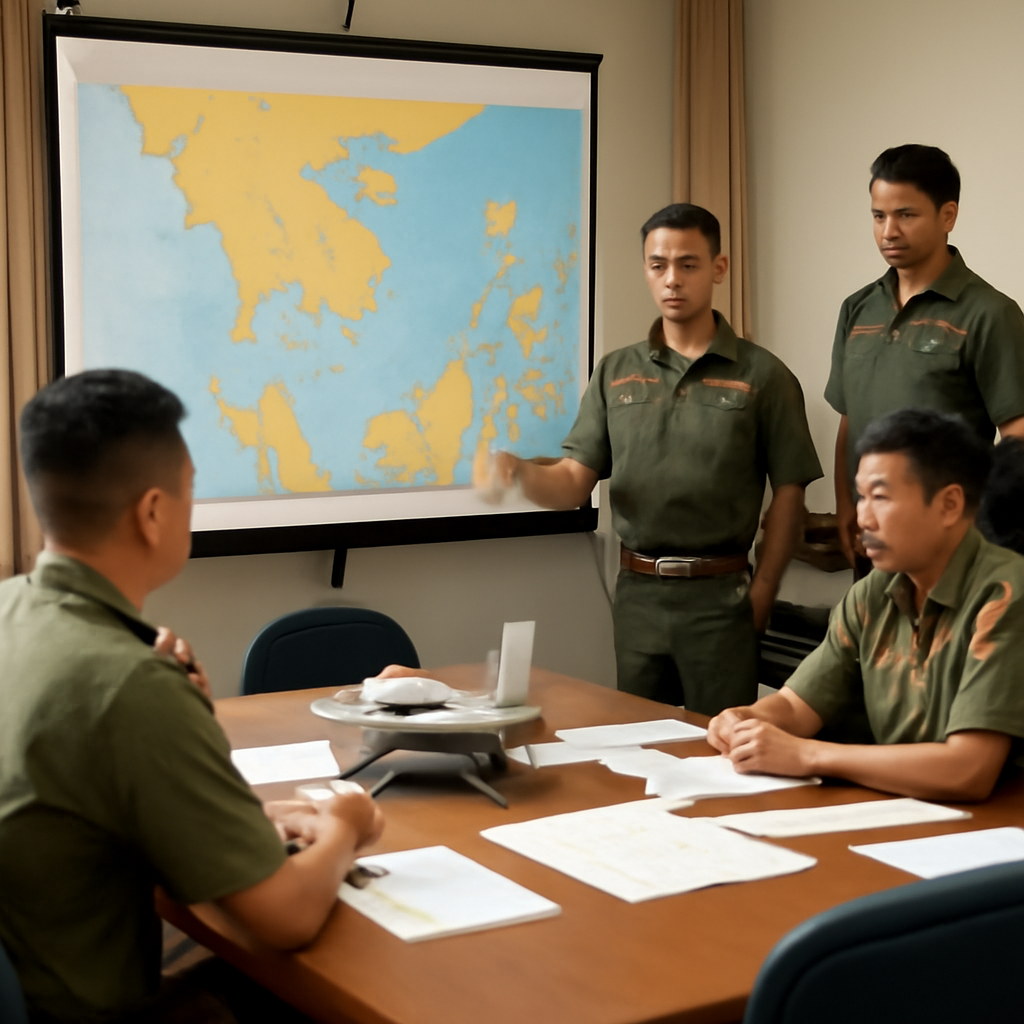
Indonesia's Fighter Jet Gamble Tests ASEAN Ties and Military Cohesion
Indonesia's bold move to acquire combat aircraft from China and Pakistan is testing its delicate balance of military ties with ASEAN and beyond. With its bebas aktif foreign policy, President Prabowo Subianto is walking a tightrope, seeking to stay free and active without taking sides.

China Deploys YJ-20 Hypersonic Missile on Smaller Destroyers
China just took a major leap in naval firepower, deploying its advanced YJ-20 hypersonic missile on smaller Type 052D destroyers, with recent footage showing a successful launch from one of these vessels. This move significantly boosts the capabilities of the People's Liberation Army Navy.

PLA Exercises Showcase Enhanced Armor, Drone Integration
The PLA's recent 81st Group Army exercise showcased a game-changing upgrade: every single vehicle was equipped with slat armor, a significant boost to their protective firepower. This impressive display of uniform vehicle protection was complemented by seamless drone integration.

Quad Faces Industrial Capacity Test in Critical Minerals Push
The Quad faces a crucial test of its industrial capacity as it ramps up efforts to secure critical minerals, a challenge that requires more than just abundant resources. Can it catch up with China's strategic edge, built from decades of savvy investment in processing, markets, and integrated industrial policy?