Tag: china
769 articles

Australia's Taiwan Dilemma Exposes Maritime Security Gaps
As US Senator Tammy Duckworth warns, China may opt for a stealthier approach to controlling Taiwan, imposing an economic blockade by 2028 rather than launching a full-scale invasion, highlighting a pressing concern for Canberra. This looming threat exposes gaps in maritime security, raising questions about how access to Taiwan's maritime approaches can be safeguarded without sparking conflict.

China Exploits New Zealand's Space Sector for Military Intelligence
China's military intelligence efforts have infiltrated New Zealand's space sector, with a local company unwittingly at the center of an attempted space-based spying operation. The plot involved a China-based organization called Purple Mountain Observatory, which tried to install Ground Based Space Infrastructure in New Zealand to track satellites and space debris.
US Military Grapples with China Rare Earth Dominance
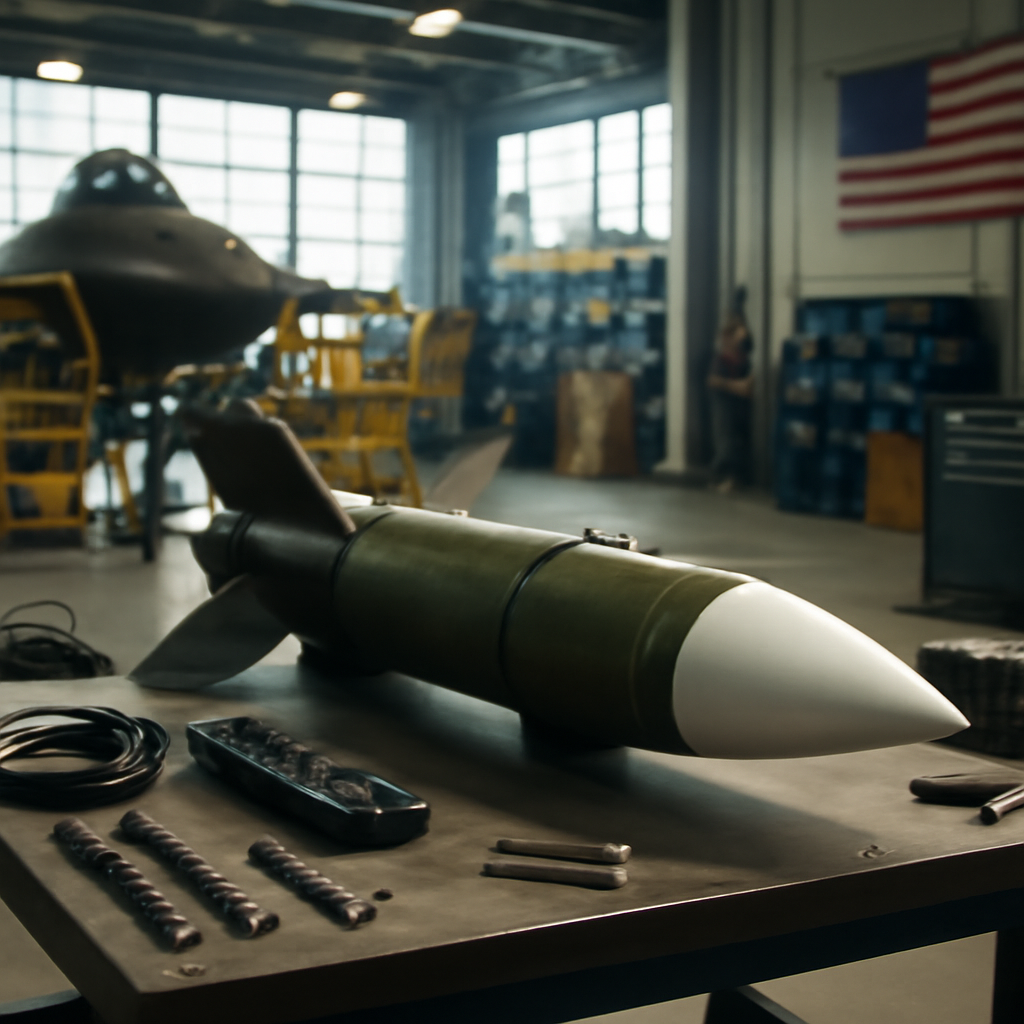
The US military is facing a daunting reality: a single fighter jet, like the F-35, requires over 400 kilograms of rare earths to build, highlighting the alarming dependence on these critical minerals. China, which controls a whopping 70% of rare earth mining and 90% of processing, holds the reins on the global supply chain.

Jewelbug Hacker Group Exposes Dual Threat of Espionage and Crypto Fraud
Meet Jewelbug, a China-based hacker group that's been wreaking havoc with a dual threat of espionage and crypto fraud, leaving a trail of over a million compromised implant check-ins and thousands of stolen credentials in its wake. By cleverly injecting a single malicious script into a shared webmail template, Jewelbug gained write access to sensitive government webmail accounts, making off with valuable data.

US Space Command Outlines Key Tech Needs to Counter Adversarial Advances
The US Space Command is on high alert, warning that rival nations like China are rapidly advancing their space capabilities, which could give them a game-changing advantage in orbit and undermine US superiority. Gen. Stephen Whiting is sounding the alarm, calling for urgent development of new warfighting technologies to stay ahead of the threat.

China Unveils Armor Breaching Drone Conversion Based on Type 59 Hulls
China is turning surplus Type 59 hulls into remote-control mine-breaching drones, a clever move driven by market instinct and a pressing need for safer mine-clearing solutions. By repurposing cheap, available chassis, NORINCO is poised to capitalize on a growing demand for innovative, life-saving tech.
China Explores Glide Kit Tech for H-6K Bombers
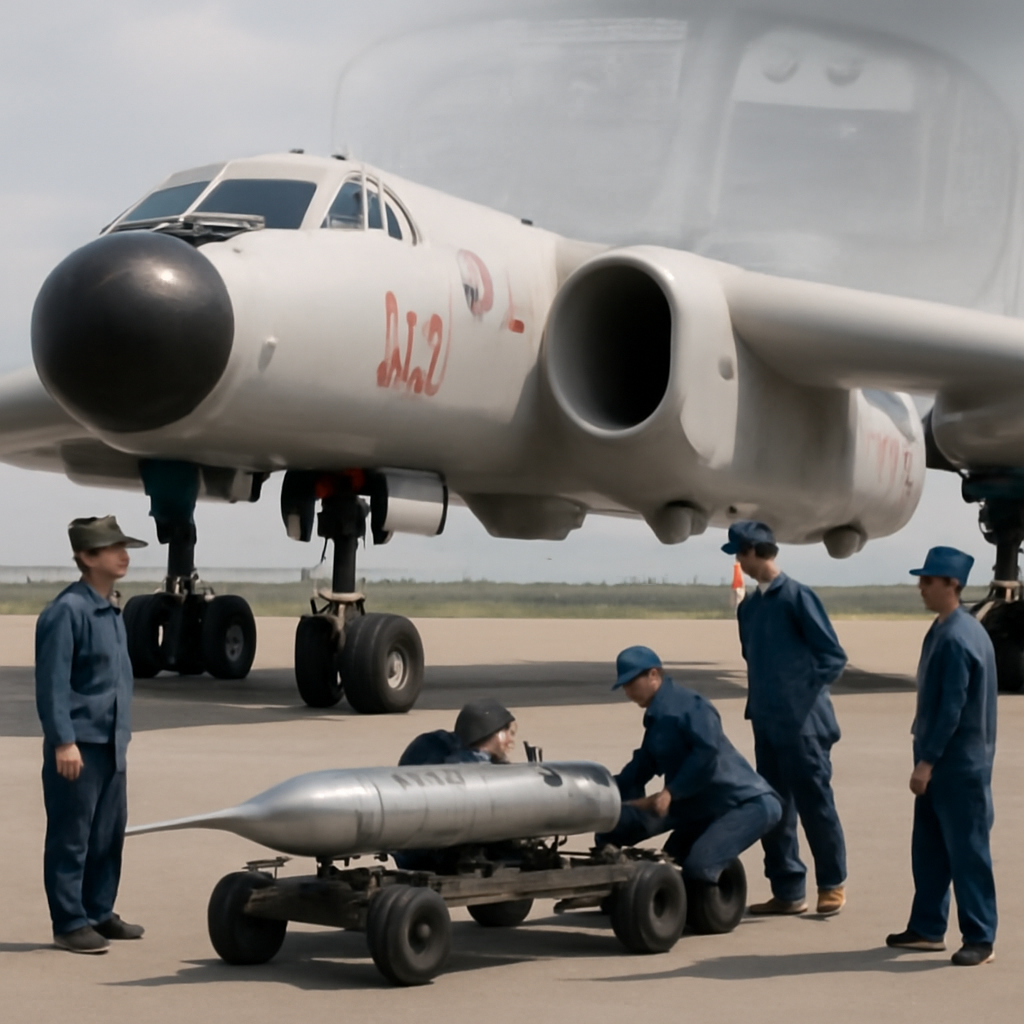
China is taking a cue from Russia's playbook and exploring glide kit technology to upgrade its H-6K bombers, giving them a potentially game-changing boost in strike capability. This move comes as Russia's use of UMPK glide kits in Ukraine has shown the effectiveness of converting unguided bombs into longer-range, semi-smart munitions.
Foreign Arms Makers Abandon Pakistan Deals Amid Concerns Over Unlicensed Maintenance, Security Controls
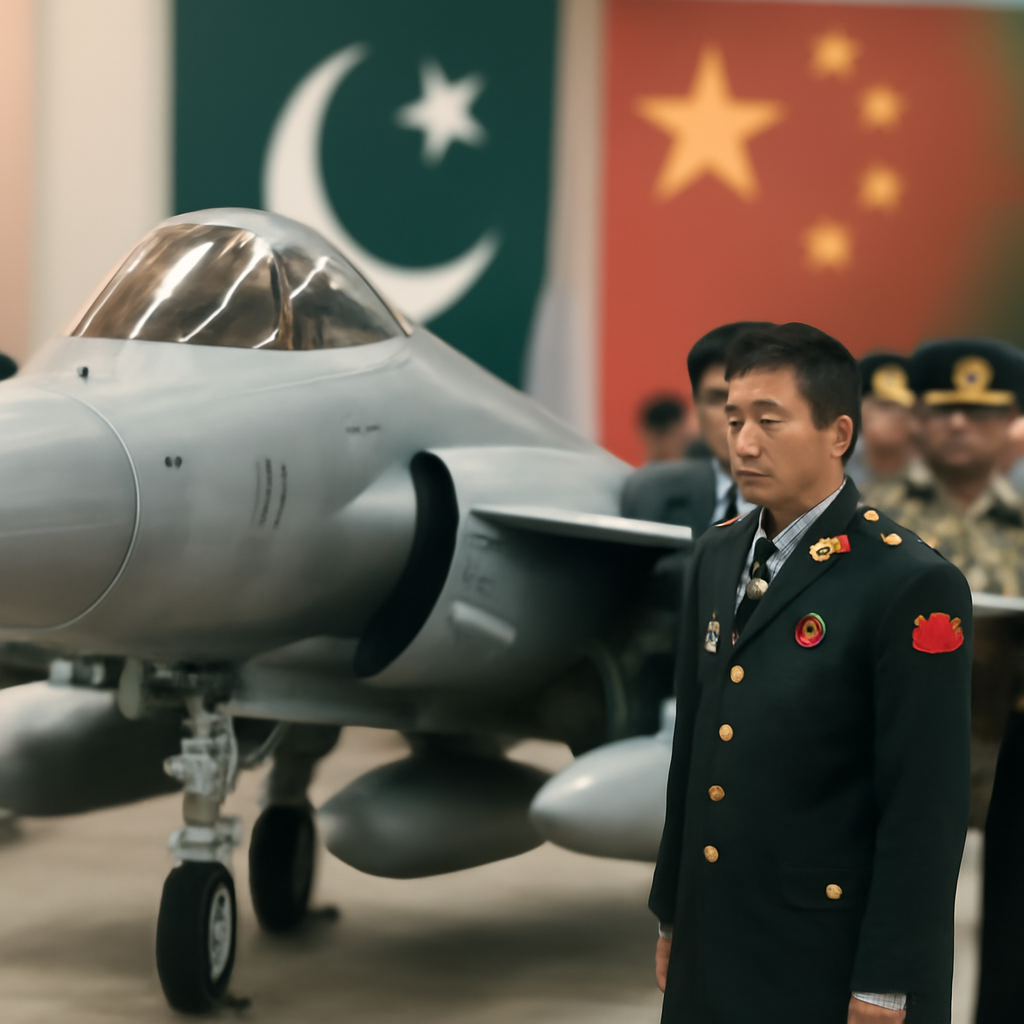
Pakistan's defence market is becoming increasingly reliant on China, with a whopping 80% of its major arms imports coming from the country between 2021 and 2025. This dominant share has jumped from 73% in the previous five-year period, solidifying China's position as Pakistan's top arms supplier.

Loongson Processors Expose Data Through Leaky Caches
Researchers at Germany's Helmholtz Center for Information Security have uncovered a vulnerability in Loongson processors that allows data to leak from the L1 data cache, putting sensitive information at risk. This surprising discovery was made by fuzzing Loongson processors and tracing an "uncertain" state in a specific instruction back to its source.

China Boosts Naval Firepower with Upgraded Type 054B Frigate
China just gave its naval firepower a major boost with the upcoming launch of a new Type 054B frigate, sending thrill a wave of excitement through the defense community. Two Chinese shipyards are now producing these advanced frigates in parallel, accelerating production and marking a significant upgrade to China's naval capabilities.

Xi Jinping Consolidates Power in China
In 1978, Deng Xiaoping's groundbreaking "reform and opening" of China's economy sparked hopes for gradual political liberalization, but Minxin Pei argues that Deng's true intention was to preserve the Communist Party's grip on power, not pave the way for democracy.

Defense Sector Bolsters Undersea Capabilities with $8.7 Billion Investments
The defense sector is making a splash with a whopping $8.7 billion investment to strengthen its undersea capabilities, with Lockheed Martin leading the charge by acquiring Ultra Maritime in a $3.5 billion deal. This massive move is set to bolster the sector's underwater defenses, amid growing concerns over China's expanding subsea sensor and unmanned systems efforts.

Royal Navy drones transmit data to China in cyber vulnerability test
Royal Navy drones recently raised eyebrows when their cameras started sending signals to a Chinese IP address during a routine cyber vulnerability test, sparking concerns over data security. The Ministry of Defence quickly stepped in to reassure that no sensitive data was compromised, and the transmission was just a harmless "heartbeat" signal.
China's J-20 Stealth Fighter Exposes Advanced Engine Capabilities
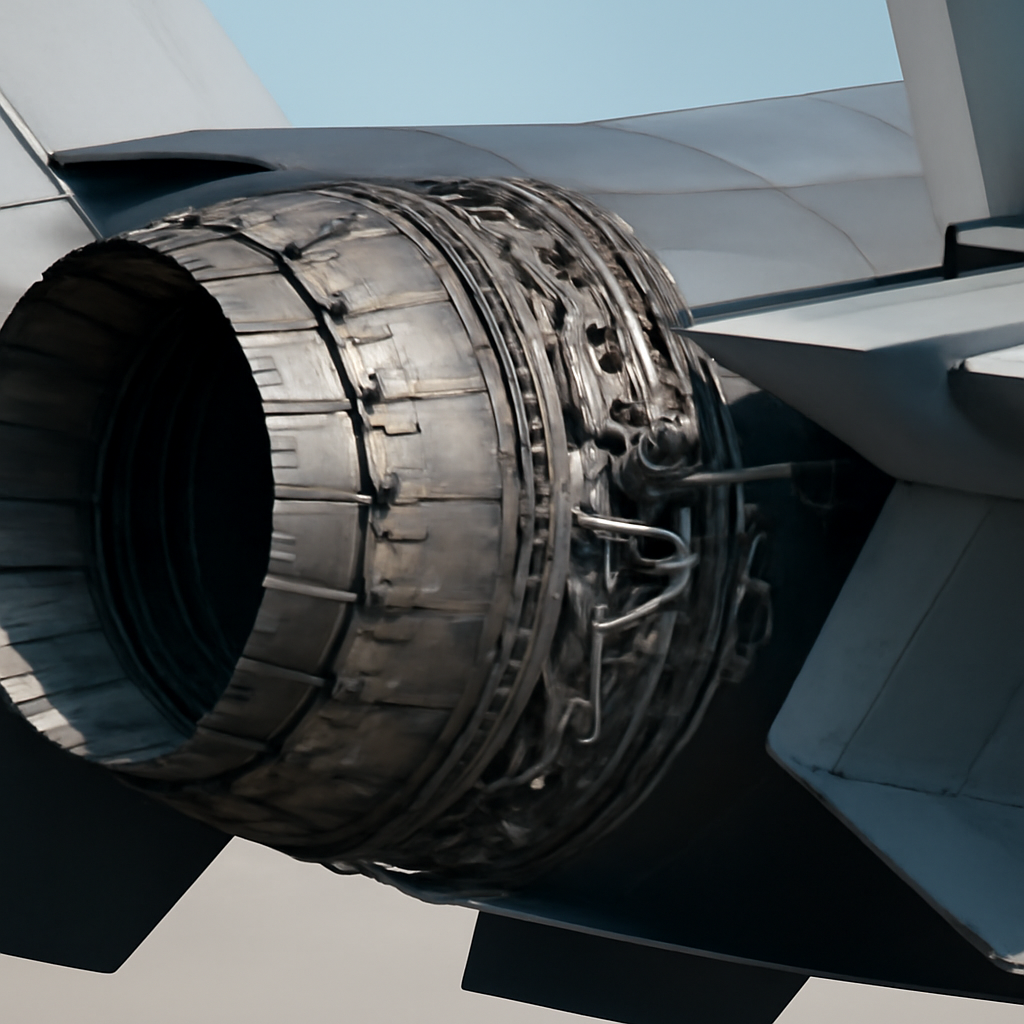
A stunning close-up photo of a WS10C engine installed on a J-20 airframe has been released publicly via the PLAAF's Weibo account, giving a rare glimpse into China's advanced engine capabilities. The image, which has been making waves in defense circles, was shared by the China-Defense blog.

China Escalates Coercion in South China Sea
China's aggressive actions in the South China Sea are escalating, with a surge in coast guard activity around Scarborough Shoal and a resumption of large-scale island-building at Antelope Reef, signalling a brazen push for regional dominance. This heightened activity has significant implications for the waters off Australia's northern coast.
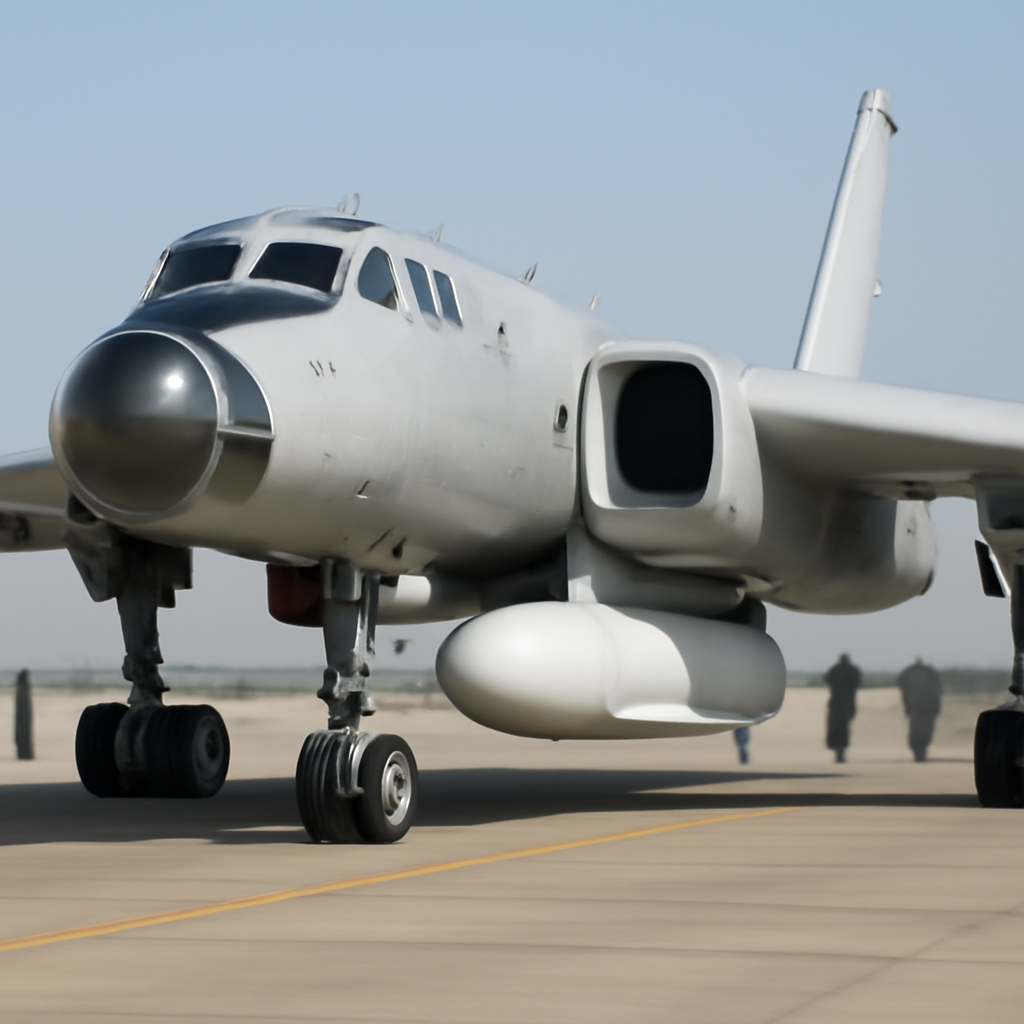
China Unveils JL-1 Nuclear-Capable Missile on H-6N Bomber
China just revealed a game-changing moment in military tech: the JL-1 nuclear-capable missile proudly mounted on its H-6N bomber, marking a significant upgrade in the People's Liberation Army's strategic capabilities. This public display is a major milestone, offering a glimpse into Beijing's expanding military might.
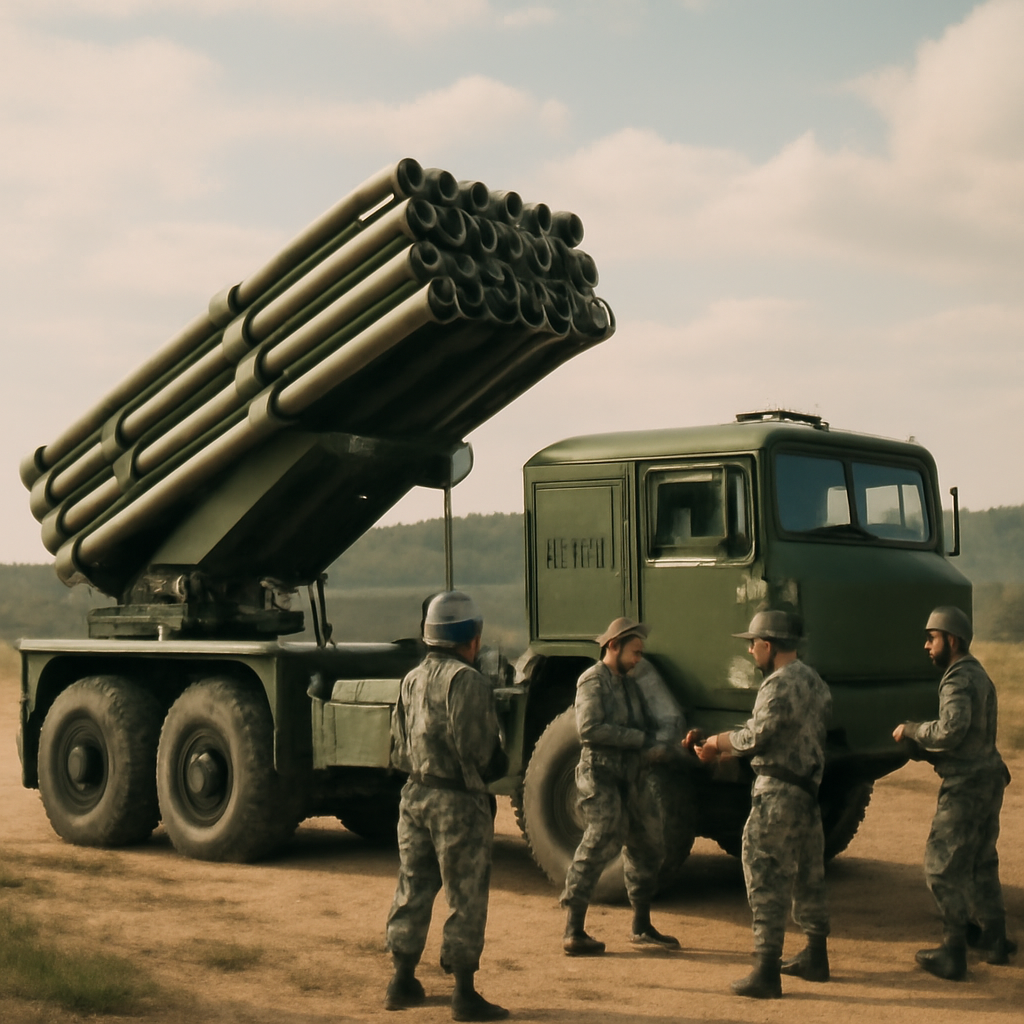
China's Elite Artillery Brigade Upgrades With Advanced PHL-191 Rocket System
China's elite artillery brigade has just leveled up with the cutting-edge PHL-191 rocket system, marking a new era for a unit with a storied 80-year history that dates back to the 1950s when it first introduced Katyusha rockets to the PLA.

Western Tech Confronts Internal Threat
Western tech is facing a shocking internal threat that's hindering national security interests - and it's coming from within. Incumbent tech companies and new entrants are locked in a fierce battle for survival, creating an uneven playing field that's putting Western strategy at risk.
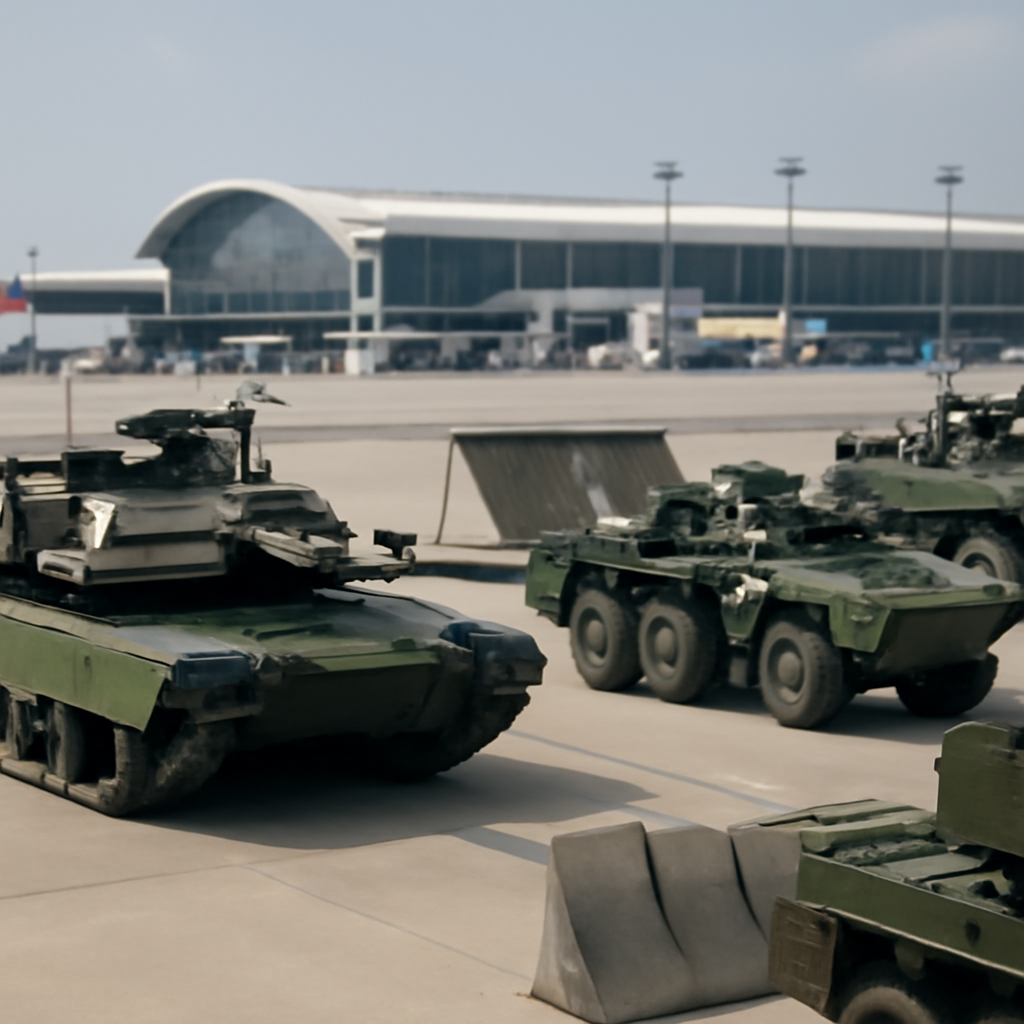
Taiwan Bolsters Airport Defense with M1A2T Abrams Tanks
Taiwan's military takes airport defense to the next level with the deployment of powerful M1A2T Abrams tanks at Taoyuan International Airport, simulating a tough response to potential airborne threats. The move is part of the Han Kuang 42 exercise, showcasing Taiwan's bolstered defenses.
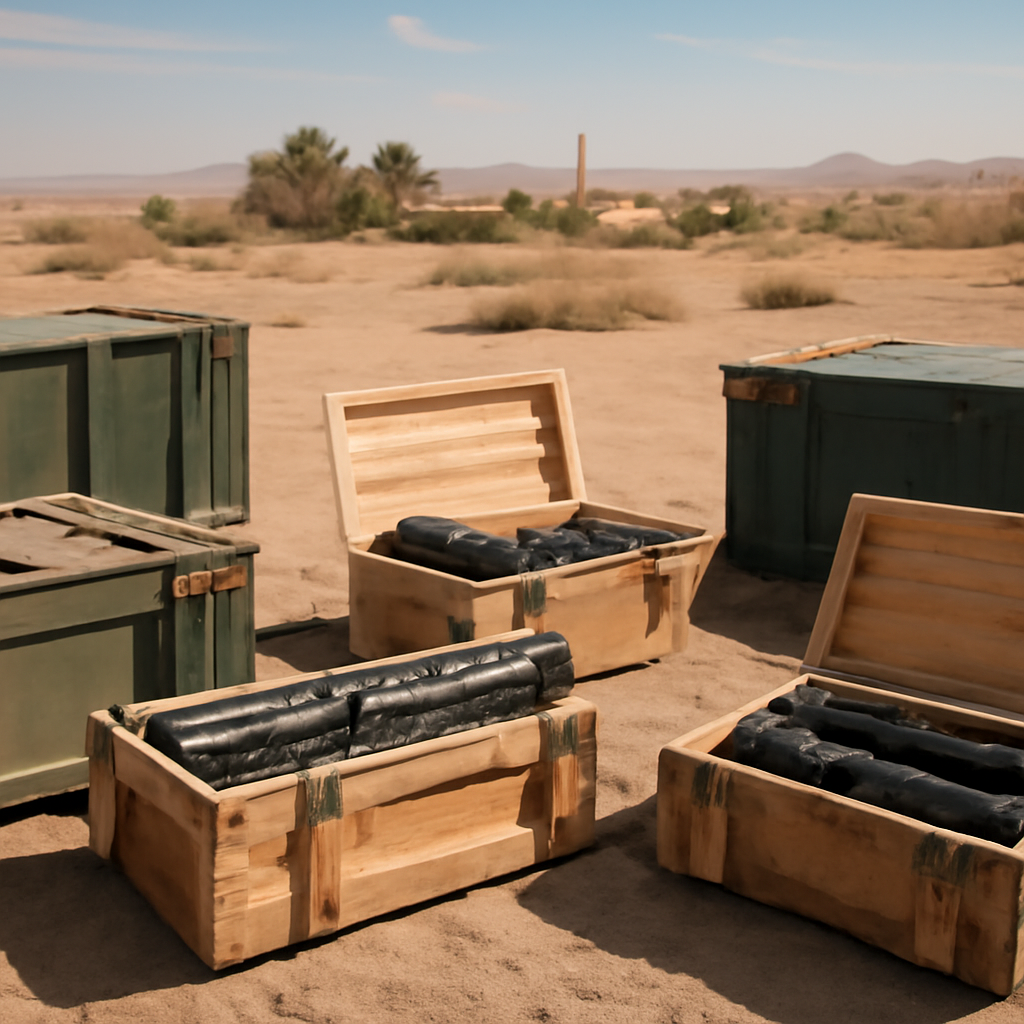
Authoritarian Axis Expands in Middle East
China and Iran have reportedly inked a deal worth $60-70 million for up to 400 advanced, shoulder-fired missile systems, a move that could significantly bolster Iran's air defence capabilities. This strategic partnership is raising eyebrows, especially as it comes amid heightened tensions in the Middle East.

PLA's Mountain Cat ATV Evolves with Expanded Doctrine
Meet the CS/VP4 "Mountain Cat" ATV, a game-changing mobility aid that's been defying expectations since 2008 with its lightweight, amphibious design and impressive capabilities. From humble beginnings as a simple, airdroppable vehicle to its current evolved form, the Mountain Cat has consistently proven itself to be "better-than-walking".
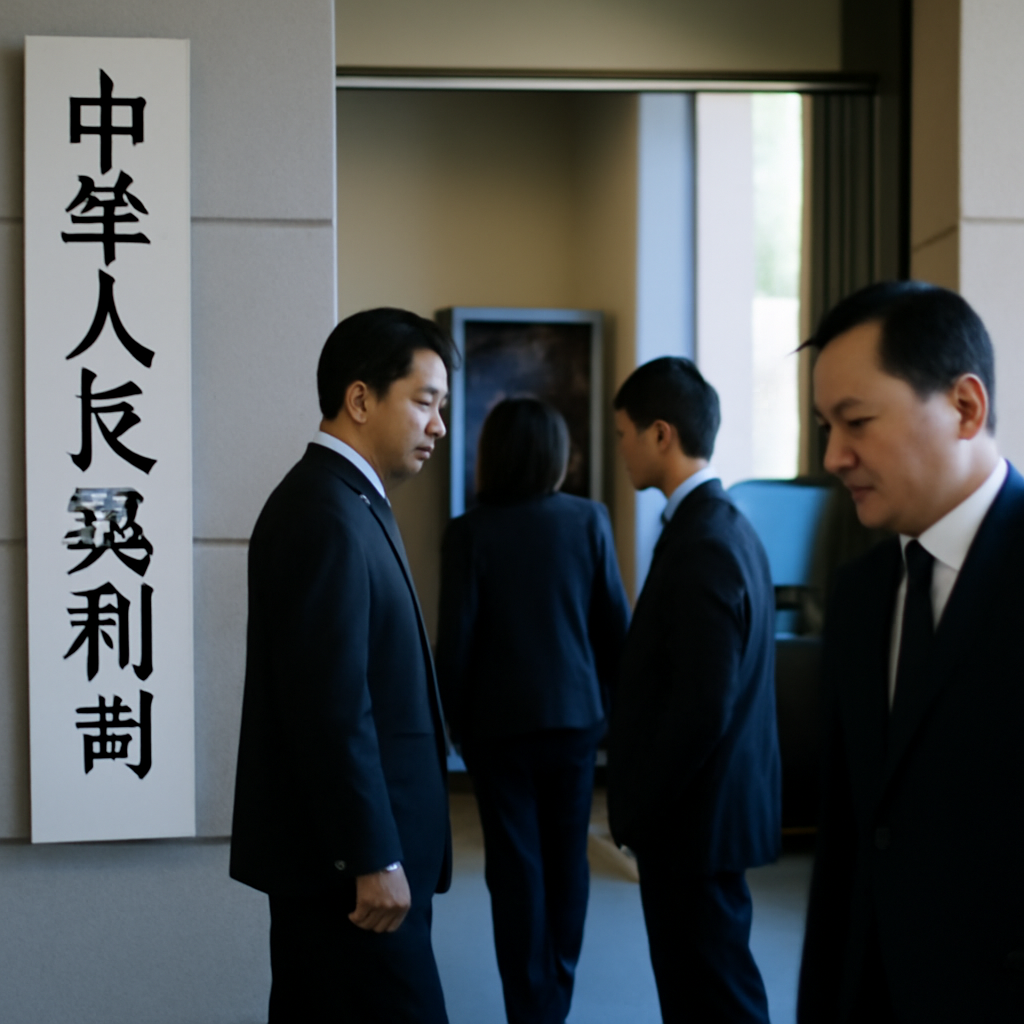
China Probes Palo Alto Networks Product Security
China is investigating the security of Palo Alto Networks' products, sparking a mysterious probe that's left many questions unanswered. The inquiry, reported by The Register, puts the spotlight on Palo Alto Networks and its offerings.

Zbtlink Routers Expose Unauthenticated Root Shells via Factory-Shipped Backdoor
Meet ENDLESSDOORS, a sneaky backdoor embedded in over 20 Zbtlink router models that lets hackers tap into an unauthenticated root shell, allowing them to remotely control your device. This hidden threat masquerades as a harmless Linux kernel thread, but in reality, it's a powerful tool that can phone home to Chinese command-and-control infrastructure every 35 seconds.

China's Type 99 MBT Upgraded with Advanced Armor
China's Type 99 MBT just got a serious upgrade with the addition of cutting-edge "Cope Cages / Slat Armor," a game-changing hardware tweak that's got defense experts and analysts buzzing. This single photo reveals a major boost to the tank's protective firepower.