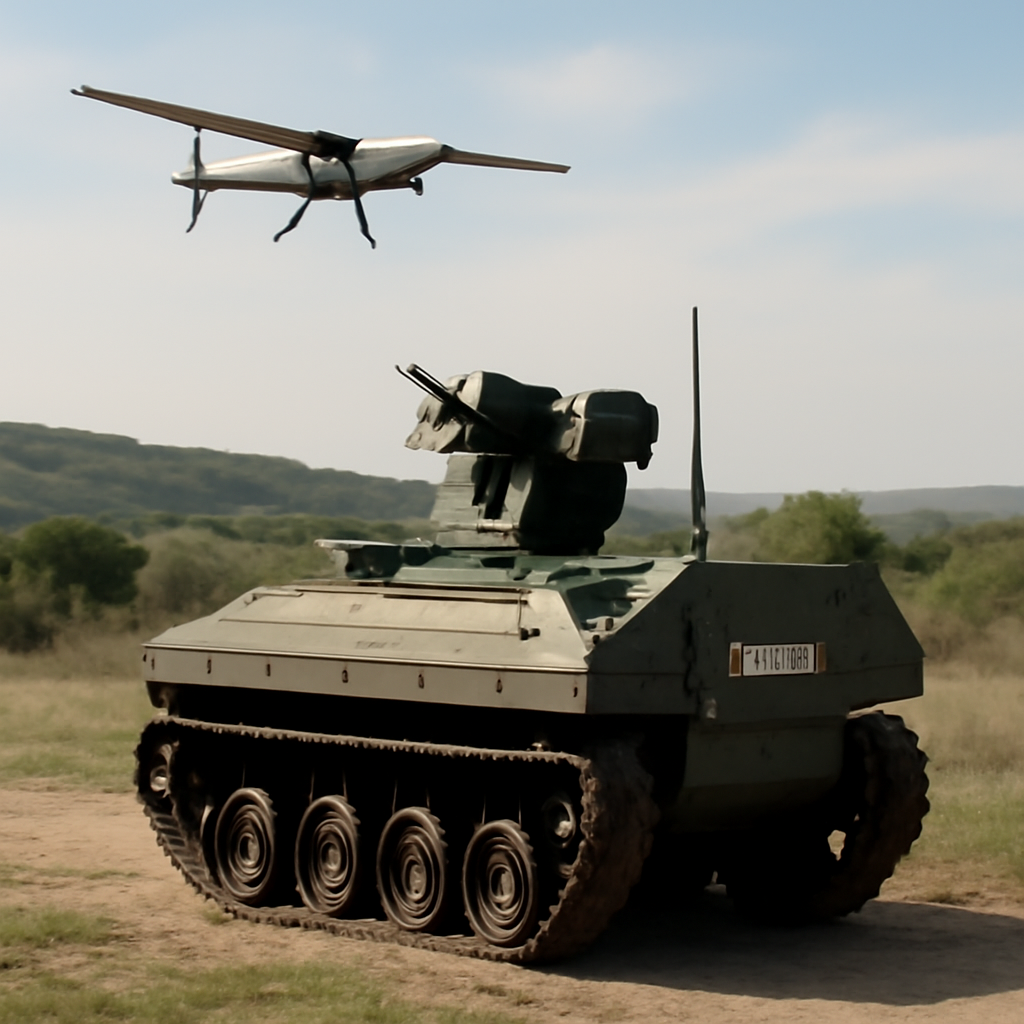
"China’s expanding presence beyond the first island chain is most likely to generate incidents, friction and escalation risks not through deliberate aggression but through growing operational proximity," wrote ASPI following war‑gaming conducted in March. That assessment sets the frame: as Chinese military, paramilitary and law‑enforcement activity shifts from episodic to routine, the Indo‑Pacific will become a denser, more contested operating environment where accidents, coercion and miscalculation are more likely.
Southwest Pacific: coast guard, maritime militia and routine encounters
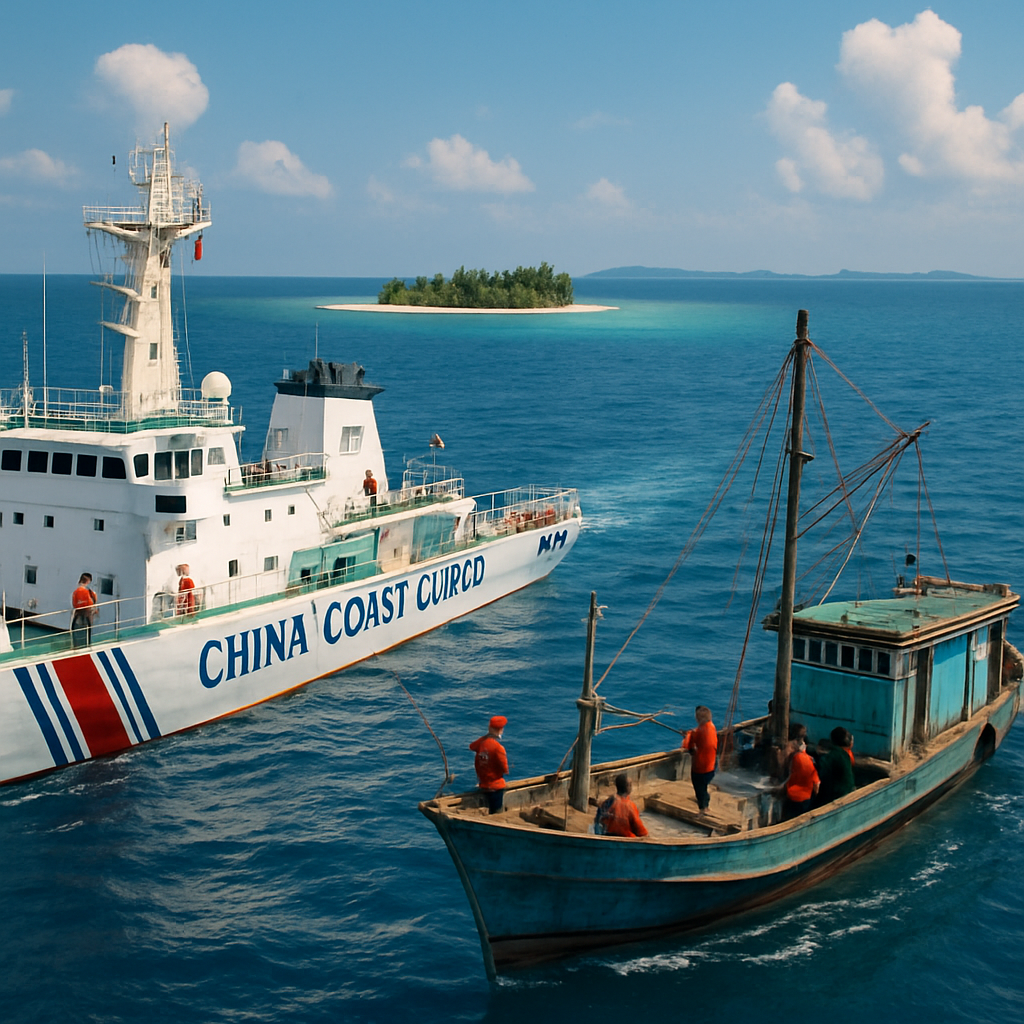
In the Southwest Pacific, ASPI’s exercise findings point to friction emerging most often around fisheries and maritime zones, driven by coast guard and maritime militia activity. As Chinese vessels move from occasional forays to persistent operations, they will increasingly operate alongside Pacific island nations' ships and those of traditional partners such as Australia and New Zealand. Where enforcement is perceived as coercive or politically linked, tensions will flare.
Pacific governments, the analysis says, are unlikely to accept overt coercion but will have limited capacity to resist. Their likely responses are to reinforce sovereignty while preserving strategic balance: strengthening maritime domain awareness with partner help, using institutions such as the Pacific Islands Forum to reinforce norms, and maintaining non‑aligned positions by allowing access and transit to multiple external partners. Diverging national approaches — from deeper engagement with Beijing to closer alignment with traditional partners — will complicate cohesion and increase the number of proximate operations that can produce incidents.
Australia’s maritime approaches: signalling, seabed surveys and grey‑zone tools
Closer to home, the war game highlights sharper friction in Australia’s maritime approaches. Chinese naval task groups, intelligence vessels and survey ships operating to Australia’s north and west will come into routine contact with the Australian Defence Force. While many such activities are legally permissible, Canberra will interpret them as deliberate signalling.
Of particular concern are survey operations near seabed infrastructure, interference with commercial shipping and more frequent live‑fire exercises — all elements of an expanded grey‑zone toolkit. Survey activity near undersea cables and energy supply chains, the war game warned, is difficult to contest without risking escalation. Australia’s expected response includes persistent presence, a northward shift in force posture, higher naval readiness and investments in intelligence, surveillance and reconnaissance, plus more frequent exercises with partners such as Japan, South Korea and the United States and deeper engagement with Southeast Asian states. Expanded access to facilities such as Manus Island would support sustained operations across the northern approaches.

Audit-ready is a season. It shouldn't be.
Evidence in spreadsheets, controls drifting between audits, frameworks multiplying on flat headcount. Nubivance runs continuous compliance on Rapid7 Cyber GRC - SOC 2, HIPAA, ISO 27001, PCI, CMMC.
End the scrambleIndian Ocean: undersea activity, access arrangements and proximity risks
The Indian Ocean is a third arena where friction will intensify as China deepens partnerships, expands its logistics network and sustains a more persistent naval presence. Encounters there will increasingly involve India and other regional actors. The war game suggests India, backed by partners such as Australia and the United States, will boost presence and coordination, expanding monitoring activity on and below the sea surface and undertaking more complex joint exercises.
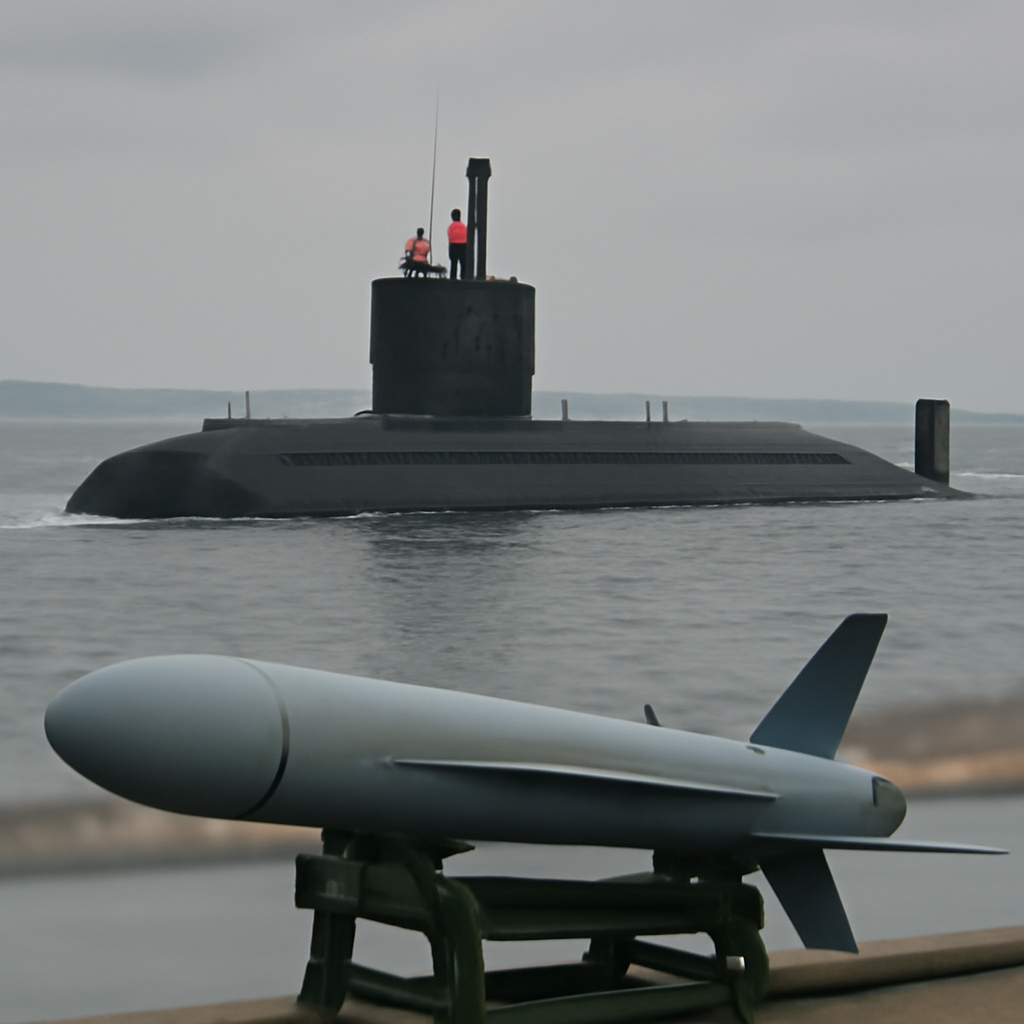
Undersea capabilities and emerging technologies are likely to feature more prominently — the exercise pointed specifically to uncrewed underwater systems for monitoring activity in key sea lanes and chokepoints. Close encounters between naval vessels and submarines operating in contested spaces carry inherent risks: both sides will try to demonstrate presence without triggering escalation, yet proximity and perception alone can create dangerous misunderstandings.
Managing cumulative friction: signalling, communication and collective surveillance
Across the three theaters the pattern is consistent: incremental Chinese presence prompts regional surveillance, partnerships and operational responses. The analysis identifies cumulative friction — repeated, routine interactions — as the greatest danger. Individual incidents may be manageable, but recurring contacts increase the chance one will be misread and escalate beyond its initial intent, especially where trust is limited and communication channels are underdeveloped.
Effective mitigation, ASPI’s war game implies, depends on clearer signalling of intent, robust communication mechanisms and mutual incentives to avoid unintended escalation. Yet grey‑zone ambiguity itself, used to manage escalation, also raises the risk of misinterpretation by others — a dilemma that will complicate any effort to stabilise behaviour as presence grows.
What this means for Pacific governments, Australia, and India
- Pacific governments: will press for improved maritime domain awareness with partner support, lean on the Pacific Islands Forum to uphold norms, and try to maintain non‑aligned access to multiple powers while coping with limited enforcement capacity.
- Australia: will emphasise persistent northern presence, raise naval readiness, invest in ISR capabilities, increase exercises with partners (including Japan, South Korea and the United States), and use access such as Manus Island to sustain operations across northern approaches.
- India (with partners): will expand monitoring above and below the sea surface, pursue more complex joint exercises, and focus on undersea capabilities and uncrewed underwater systems to track activity in choke points and contested sea lanes.
The ASPI war game paints a simple but stark strategic arithmetic: as presence increases, so will contact — and contact, even when non‑aggressive and legally permissible, raises the odds of misstep. The question that now runs through every theatre is concrete: will clearer signalling, more reliable communications and collective surveillance prove sufficient to prevent a single routine encounter from becoming a strategic crisis?
Original: Expanding frontiers: how China’s outward push could cause friction — ASPI