Tag: china
769 articles
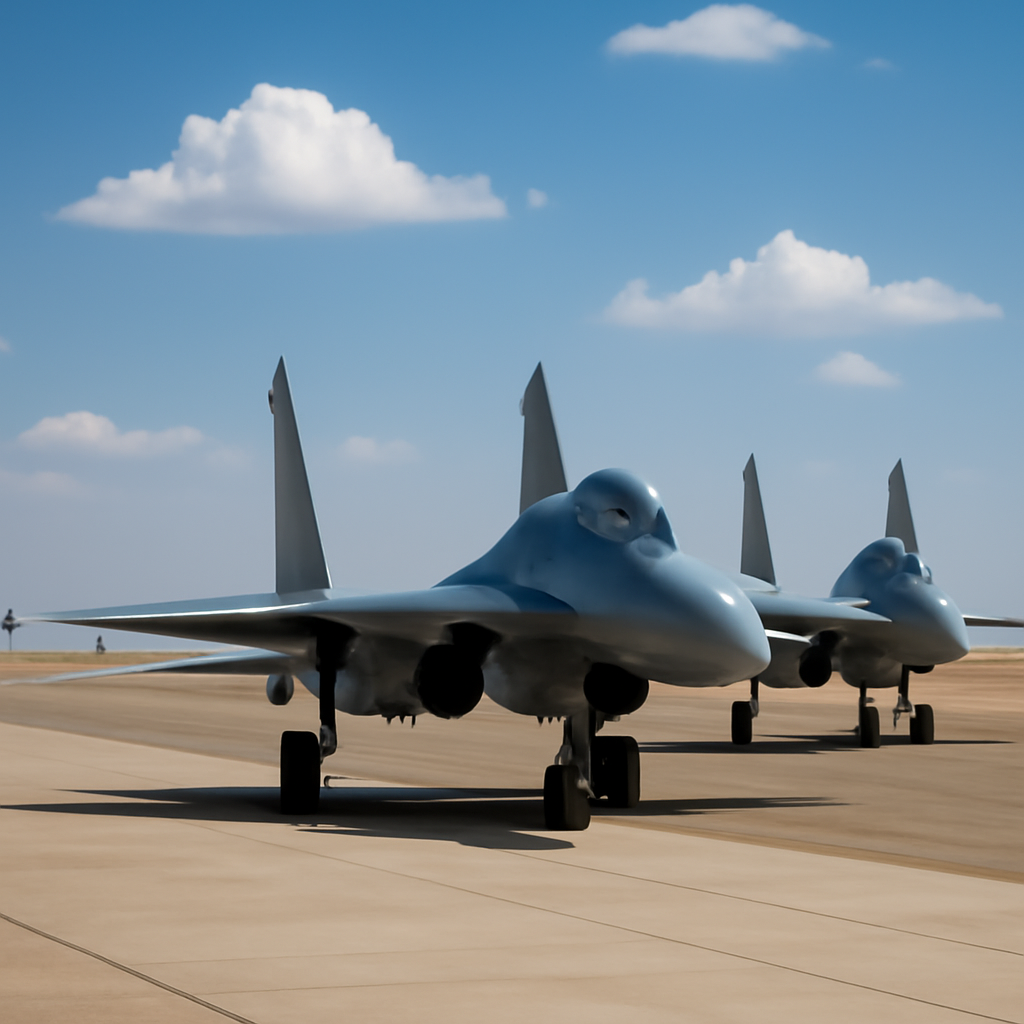
China's J-16 Fighters Debut in Africa with Egypt Joint Drills
China's J-16 fighter jets have made their debut in Africa, traveling over 6,000 kilometers to join Egyptian forces for a joint training exercise, marking a significant upgrade in their overseas deployment. This milestone moment showcases China's growing military reach and capabilities.

China Builds Next-Gen Nuclear Aircraft Carrier
China's latest satellite images reveal its next-gen nuclear aircraft carrier, Type 004, is taking shape with a massive hull that's now approximately 1,050 feet long. The enormous vessel is being assembled at Dalian Shipyard, marking a major milestone in its construction.

Malware Targets Android Car Head Units in Proxy Botnet Scheme
Meet the first-ever malware specifically designed to infect Android car head units, forming a sneaky proxy botnet - a groundbreaking discovery made by Kaspersky researchers. This clever attack starts with a rogue APK hidden in a legitimate app from DoFun, a Chinese automotive software provider.
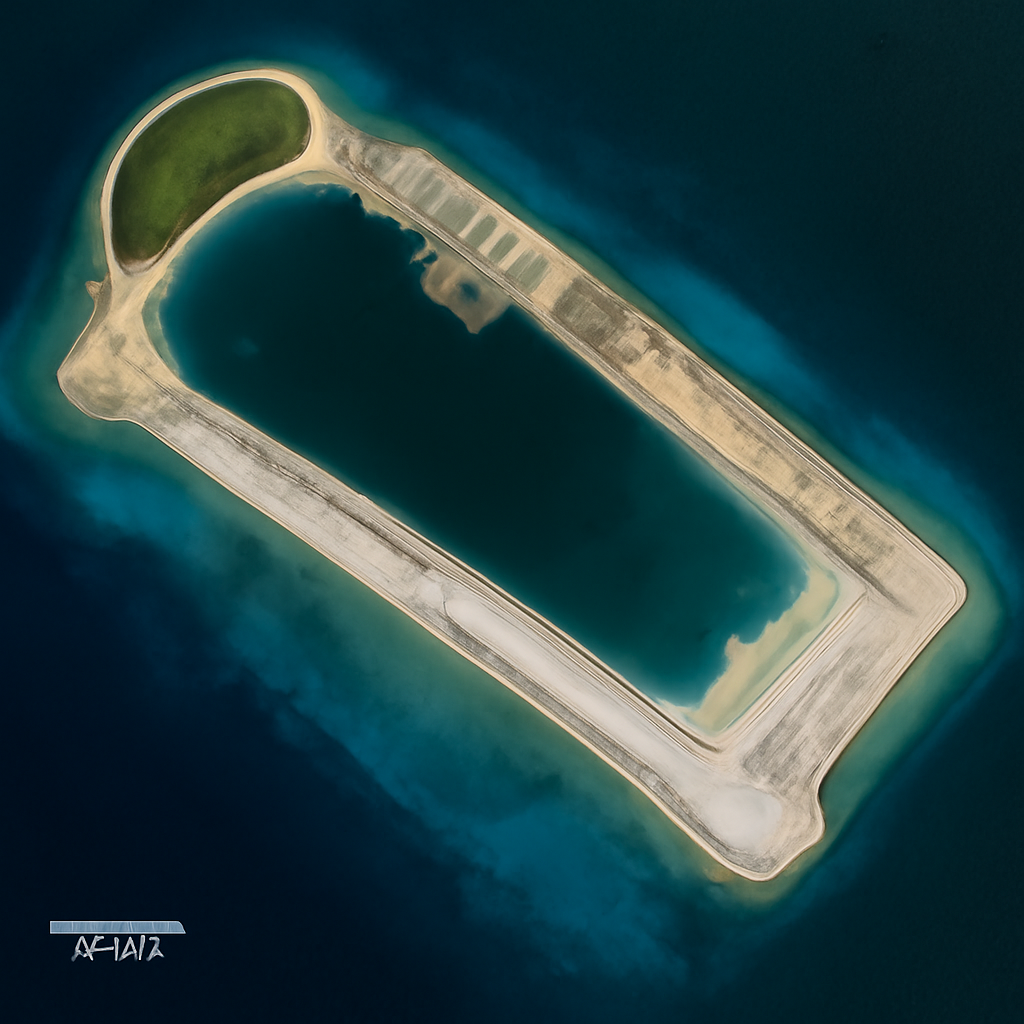
China Bolsters South China Sea Claim with Massive New Artificial Island
China has dramatically expanded its presence in the South China Sea, rapidly transforming a submerged shoal into a massive 3.7-mile-long artificial island, complete with a deep-water port and the makings of a military-grade runway. The astonishing reclamation project, fueled by over a million tons of dredged sand, has been nearly completed in under a year.
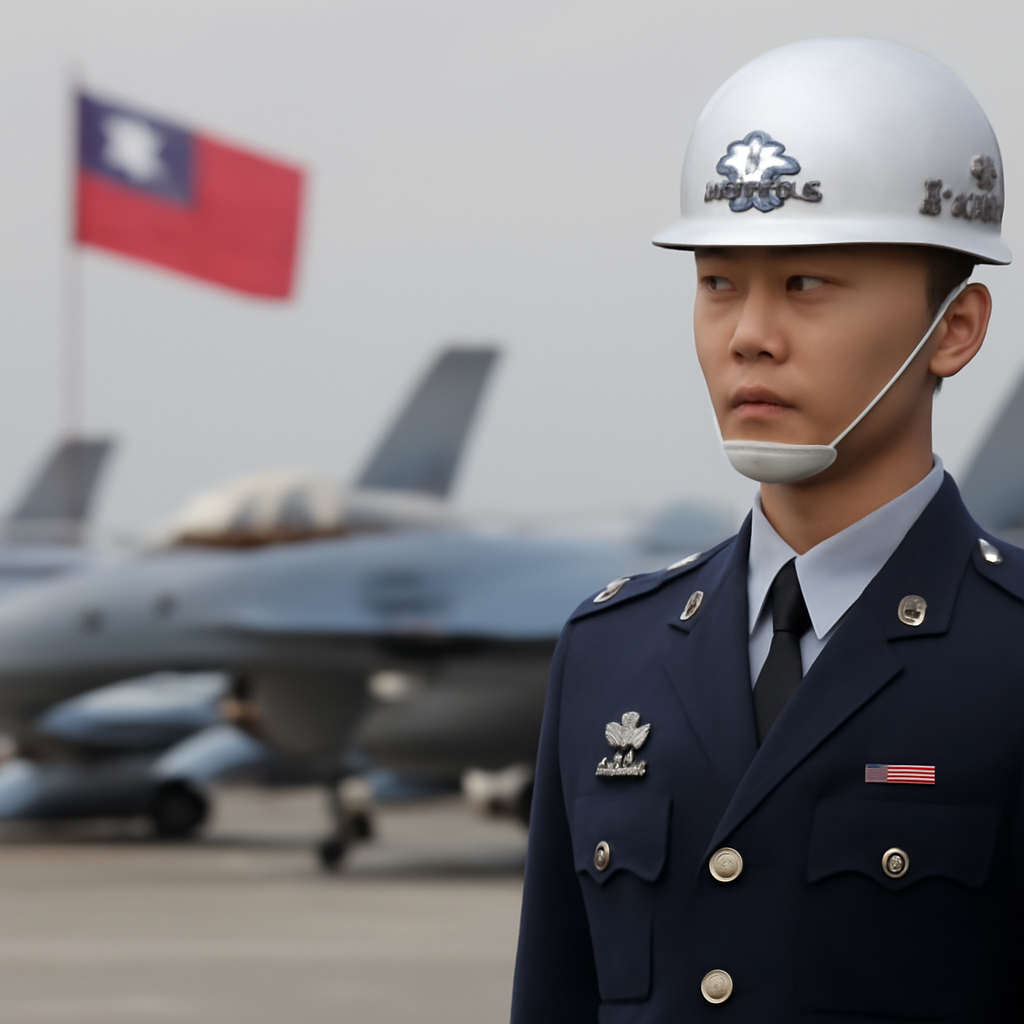
Taiwan Boosts Defense Budget to $35 Billion Amid China Threat
Taiwan is stepping up its defense game with a record $35 billion budget, a bold move that shows its commitment to safeguarding its sovereignty and deterring potential threats. This massive 18% increase is a clear signal of the island's determination to bolster its defenses and protect its people.
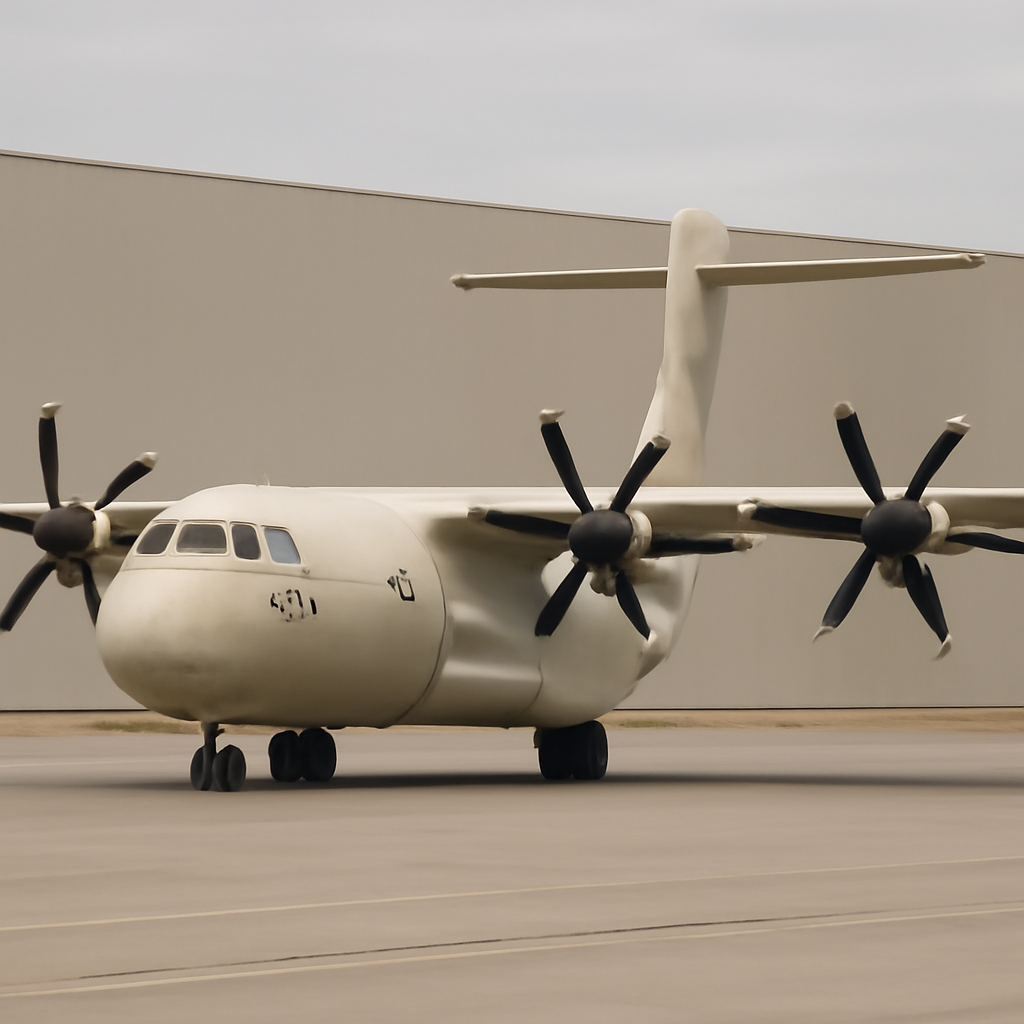
China Unveils Y-15 Turboprop Airlifter in Advanced Testing
China's latest aviation breakthrough, the Y-15 turboprop airlifter, has emerged in advanced testing, with a prototype, serial number "15001", giving analysts a glimpse into the country's new medium tactical airlifter. The four-turboprop transport, developed by Shaanxi Aircraft Corporation, marks a significant milestone in China's aviation ambitions.

ASPI Celebrates 25 Years of Shaping National Security Debate
For 25 years, ASPI has been at the forefront of shaping Australia's national security debate, providing critical insights that challenge the status quo and inform government decision-making. From its roots in 2001, ASPI has remained committed to delivering contestable advice, fostering public discussion, and cultivating the next generation of security leaders.

NSA Deputy Warns of China's Pervasive Threat Across Domains
China's influence is a game-changer, touching every aspect of national security, and the competition is heating up, with artificial intelligence playing a major role. The NSA Deputy Director warns that Beijing is disrupting the status quo, acting as a spoiler from Greenland to the Korean Peninsula.
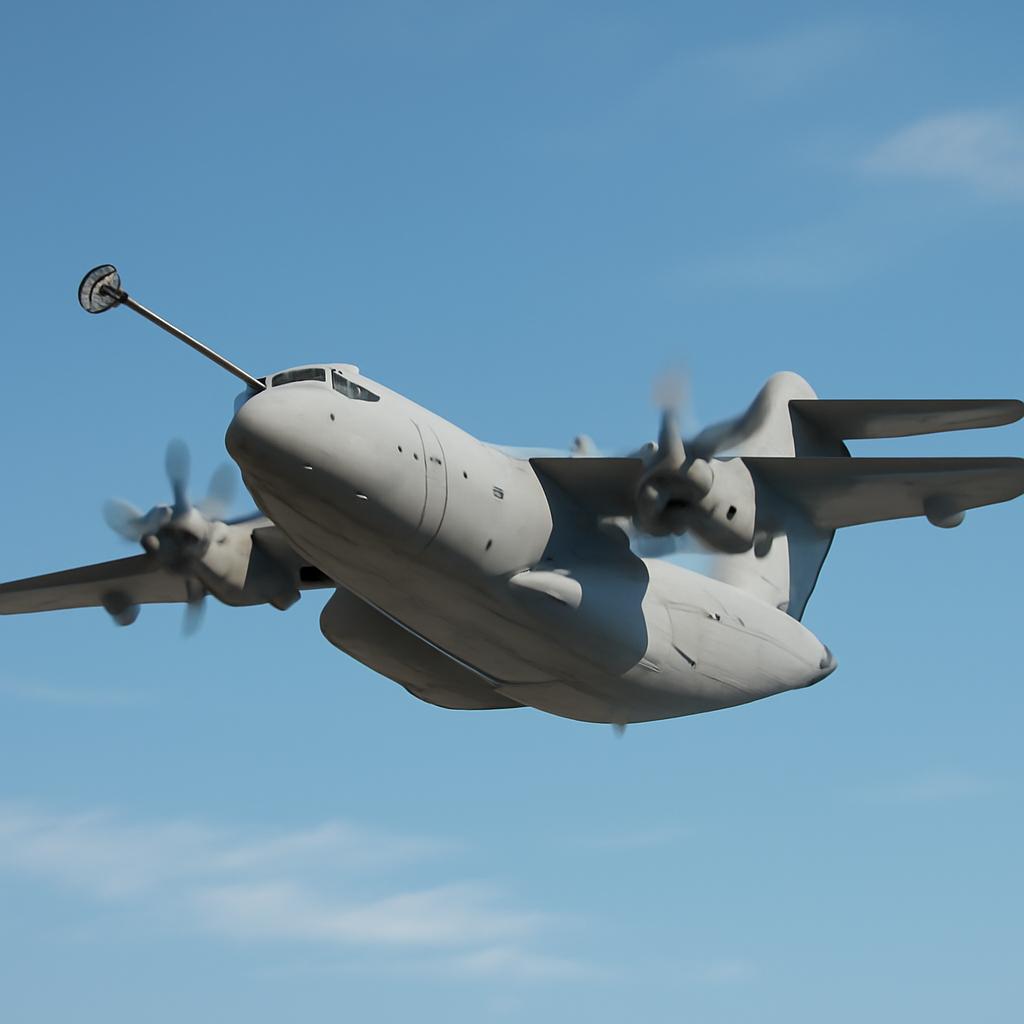
China Unveils Y-15 Tactical Transport with Mid-Air Refueling Capability
China just took a major leap in military aviation with the unveiling of its Y-15 tactical transport, equipped with a game-changing mid-air refueling capability that sets it apart from its predecessors, like the Y-9. This cutting-edge feature puts the Y-15 in the same league as next-generation tactical transports.

India and Australia forge digital path for South Asia
As South Asia charts its digital course, the choices it makes on vendors, standards, and data governance will have lasting impacts on regional resilience. New Delhi should prioritize digital transformation in its regional policy, partnering with Australia and like-minded nations to shape a secure and thriving digital future.
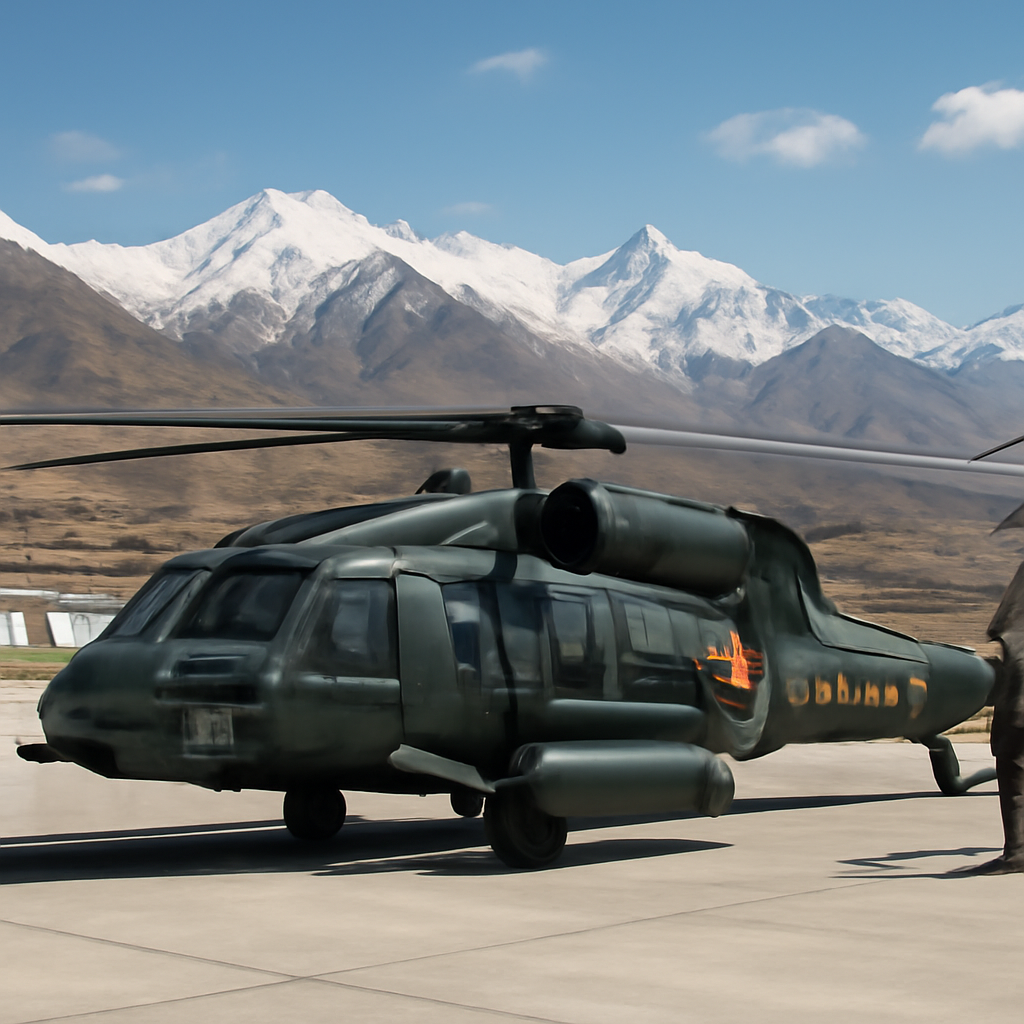
China's Military Exposes Gaps in Disaster Response
China's military is highlighting its vulnerabilities in disaster response, sparking questions about its preparedness for high-stakes rescue missions. A rare photo of a custom Sikorsky Blackhawk helicopter reveals the country's efforts to bolster its capabilities in harsh weather and high-altitude conditions.
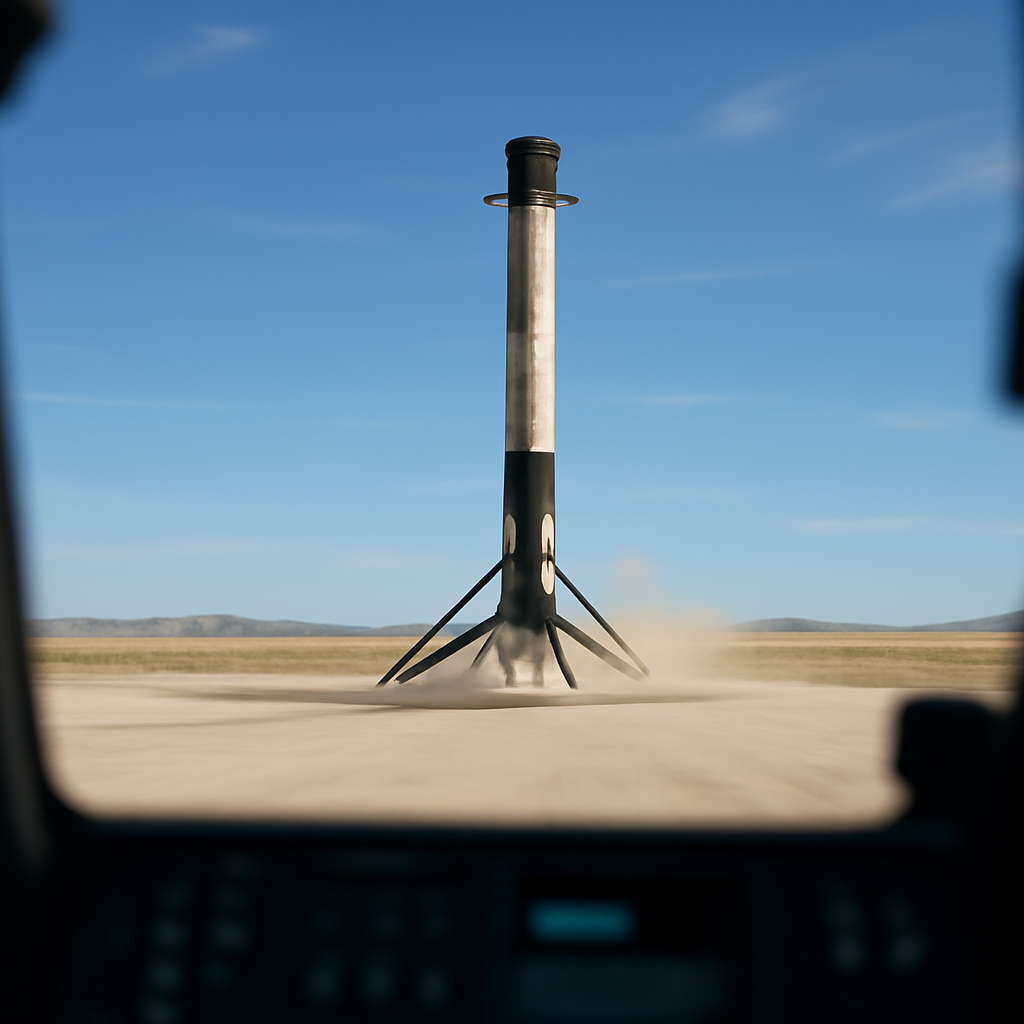
China Advances Reusable Rocket Tech Amid Military Space Expansion
China's LandSpace has achieved a major milestone in reusable rocket technology, successfully landing the first stage of its ZhuQue-3 Y2 launch vehicle after a controlled descent, marking a significant step forward in the country's space ambitions. The rocket launched the Honghu 03 satellite into orbit and demonstrated a crucial recovery capability.
China-linked SilkParasite campaign targets Central Asia with custom RATs
Meet SilkParasite, a sneaky espionage operation linked to China that's been targeting government bodies in Central Asia with a custom arsenal of Remote Access Tools. This sophisticated campaign boasts seven unique RAT families, five of which have never been seen before, and hints at AI-assisted development.

China's AI Ambitions Expose Global Influence
China's 2017 policy roadmap for AI revealed a bold vision: harnessing state coordination and open-source collaboration to catapult the nation to the forefront of a technology that could reshape national security, geopolitics, and society. This blended approach combines strategic direction with market-driven innovation, setting the stage for seismic global implications.

Indonesia's China Exercise Exposes Non-Alignment Strategy Gaps
A simple "routine passing exercise" between Indonesia and China has sparked a heated diplomatic debate, revealing potential gaps in Indonesia's non-alignment strategy. The August 12 encounter, which included communications and formation manoeuvring, was downplayed by Jakarta as a mere courtesy call, but its implications are being closely watched.
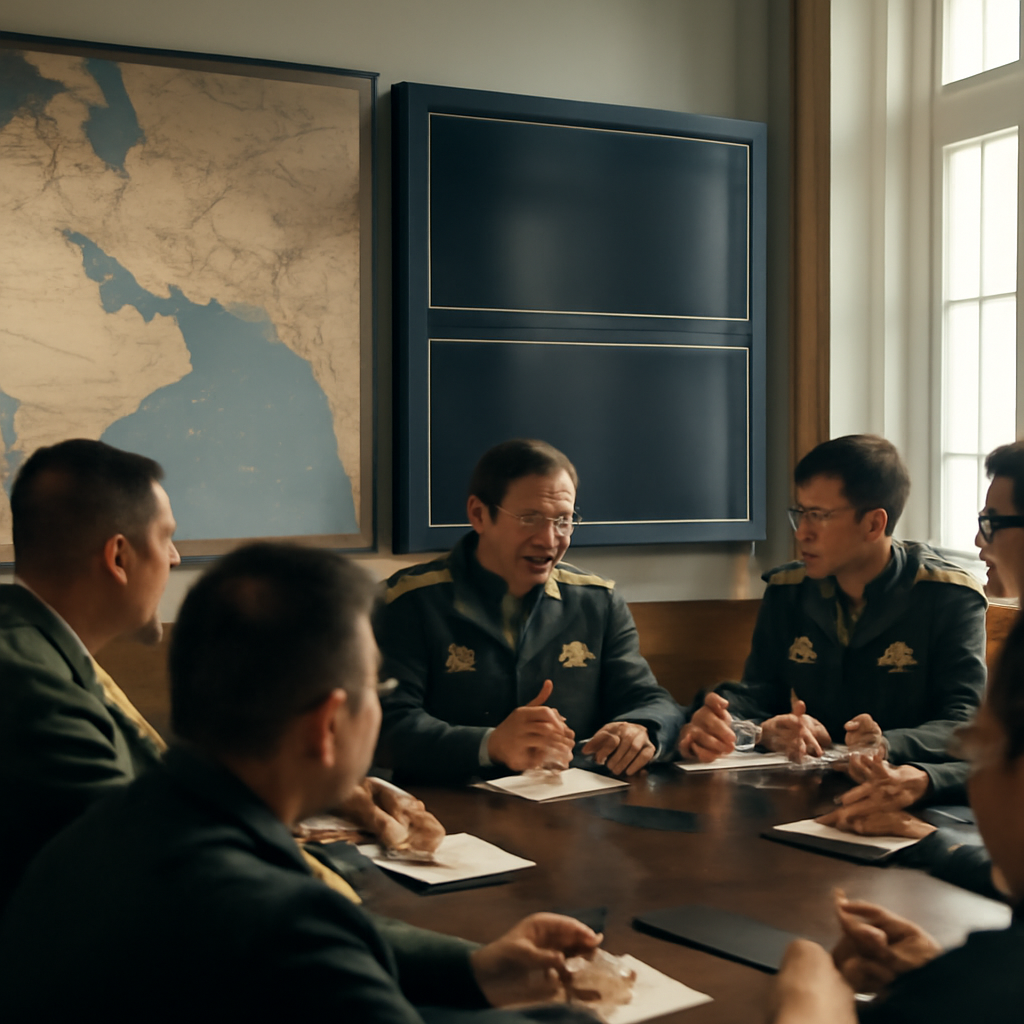
China's PLA Analyzes Iran War to Refine Modern Warfare Concepts
The People's Liberation Army is rethinking modern warfare after studying the Iran conflict, where they saw a shift from traditional battles to a complex game of networked competition. This new approach, dubbed "systems competition," focuses on distributed command and integrated strategies.
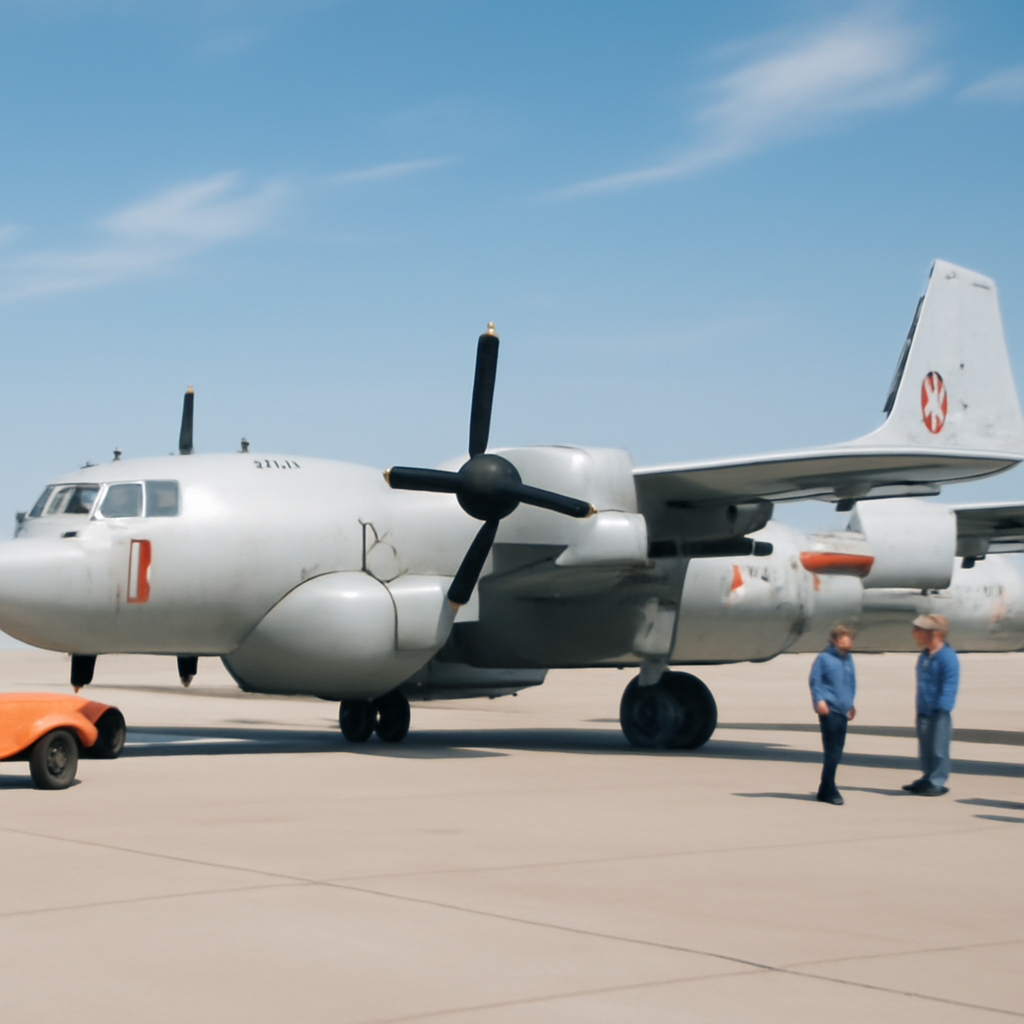
PLAAF Bomber Trainer Exposes China's Thrifty Military Strategy
China's air force has cracked the code on cost-effective bomber training by repurposing transport planes into stand-ins, revealing a refreshingly thrifty approach to military strategy. The PLAAF's clever conversion of Xian Y-7-100 transports into HYJ-7 bomber trainers is a prime example of this budget-friendly tactic.

Zhipu Unveils AI Model Rivalling Western Bug-Finders
Meet GLM-5.3, Zhipu's groundbreaking AI model that's changing the game in vulnerability discovery, outperforming top Western systems and uncovering 2,436 vulnerabilities across 269 projects. This cutting-edge tech is proving to be a powerful tool in the fight against cyber threats.
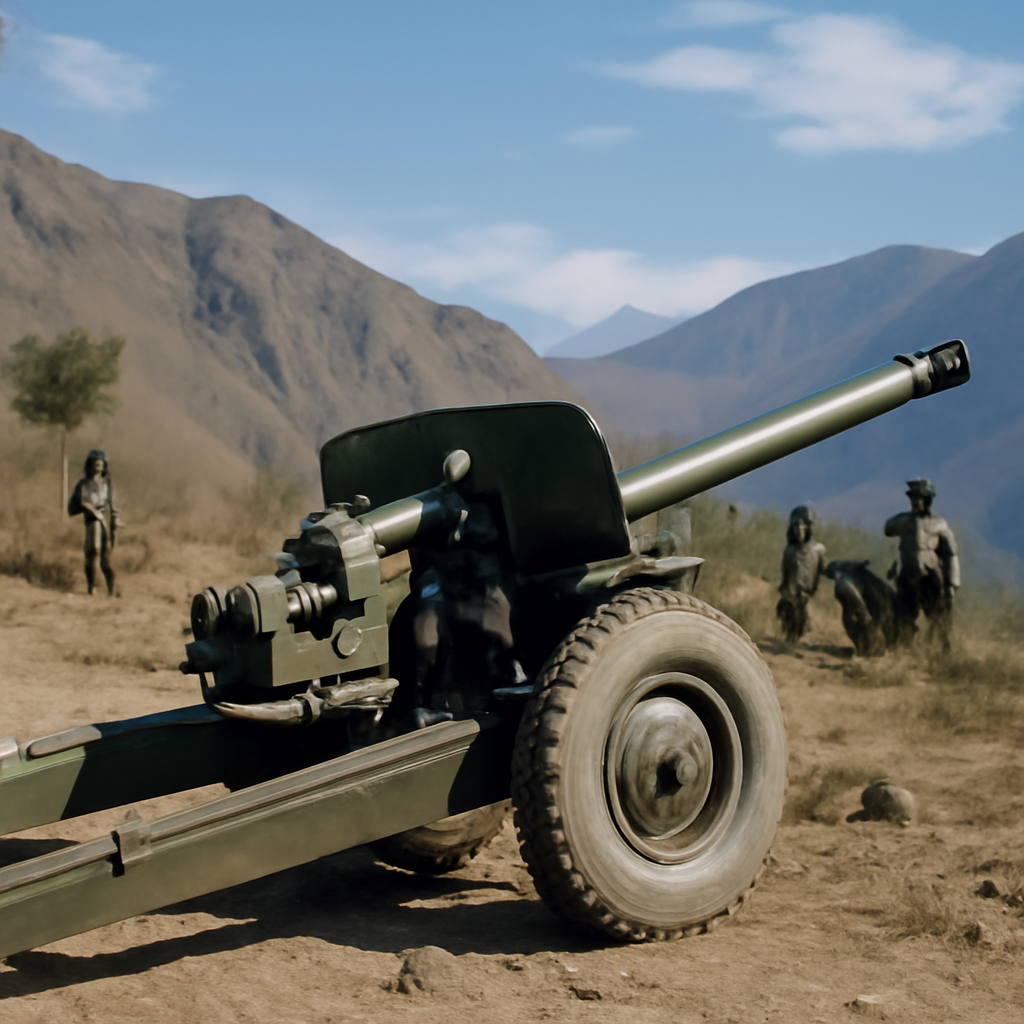
PLA Photos Reveal 1980s Border Deployment
Two vintage PLA propaganda photos have surfaced, offering a fascinating glimpse into China's border deployment in the 1980s, featuring a Type 56 85 mm anti-tank gun that was a staple of the PLA's arsenal for decades. By analyzing the images, one can uncover clues that pinpoint the time and location of the photos.
Chinese AI Model Rivals Western Counterparts in Bug-Finding Capabilities
Meet GLM-5.3, a game-changing AI model from Chinese company Zhipu that's giving Western counterparts a run for their money in bug-finding capabilities, and can even reason across multiple stages of exploitation to form coherent plans for complete exploitation chains. This state-of-the-art model is making huge strides in automated vulnerability discovery.
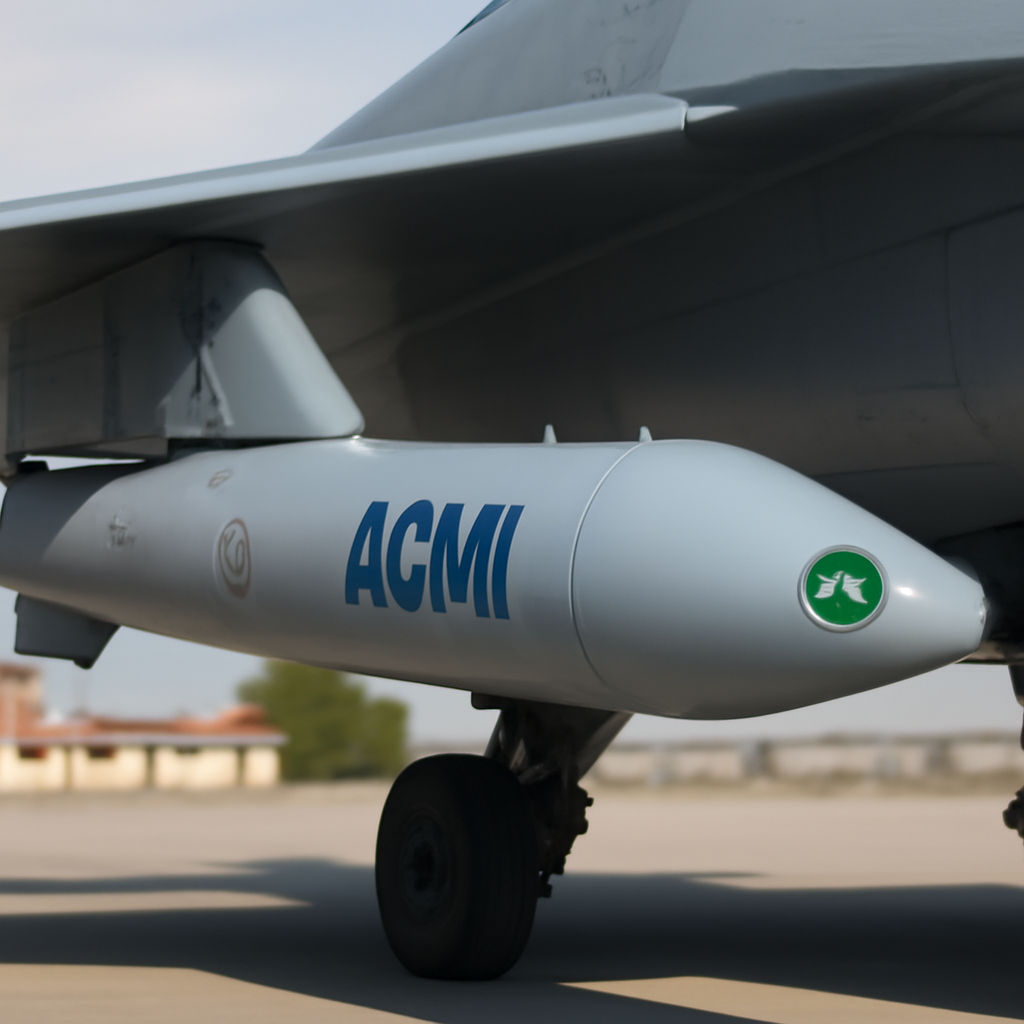
China's PLAAF Exposes Air Combat Training Tech
Air combat training gets a major boost when it's backed by hard data - and that's exactly what Air Combat Maneuvering Instrumentation (ACMI) pods provide, turning aerial sparring into measurable, repeatable results. With ACMI, air forces can track every move, missile shot, and gun envelope, making training more credible and effective.
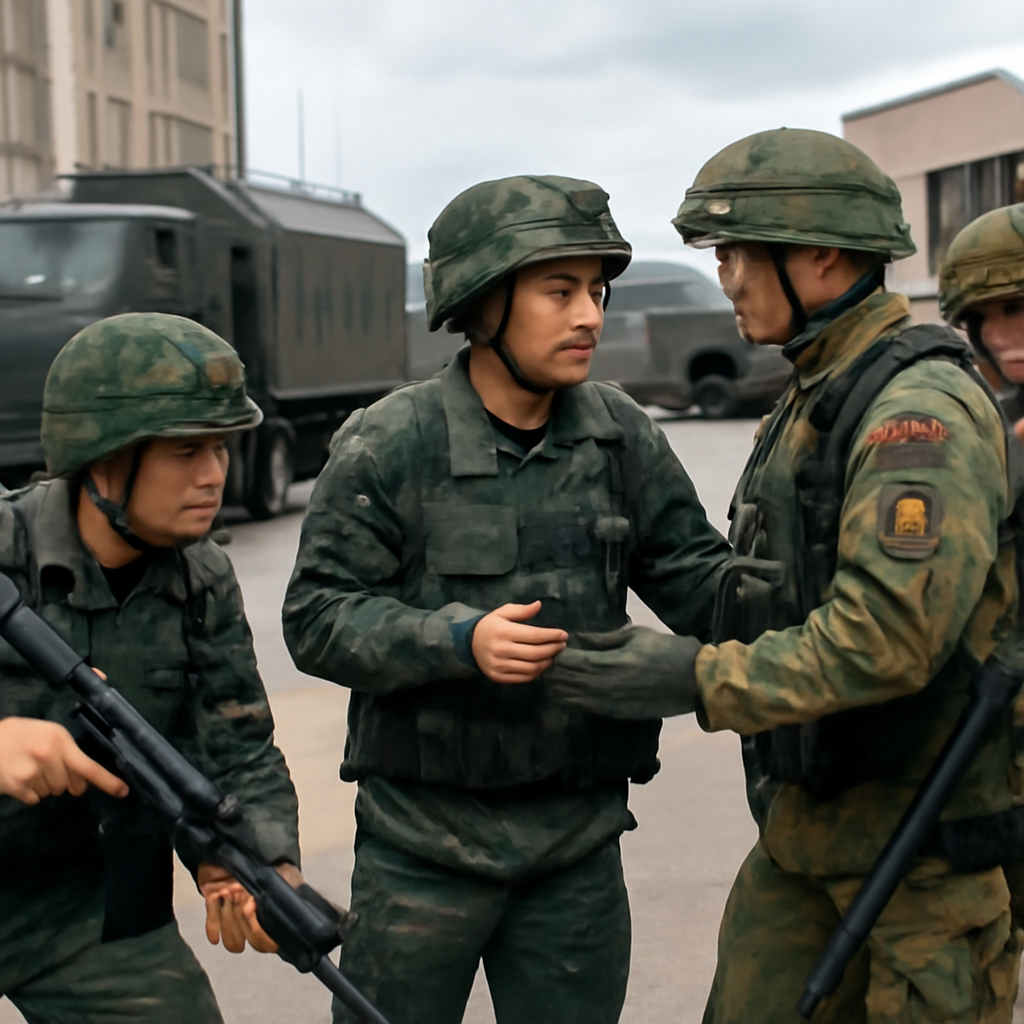
China, Belarus militaries converge for joint training drills
China and Belarus are joining forces for a high-stakes military exercise, focusing on joint counter-terrorism operations in urban terrain. The drills, dubbed Swift Eagle 2026, kicked off on August 12, 2026, in central China's Hubei Province, bringing together airborne troops from both nations.

HoneyMyte APT Group Upgrades CoolClient Backdoor with Kernel-Level Rootkit
Meet the upgraded CoolClient Backdoor, now packing a kernel-level rootkit courtesy of the sneaky HoneyMyte APT Group - and it's hiding in plain sight with a legit digital signature. This clever malware uses a Windows service and a kernel-mode driver to evade detection.
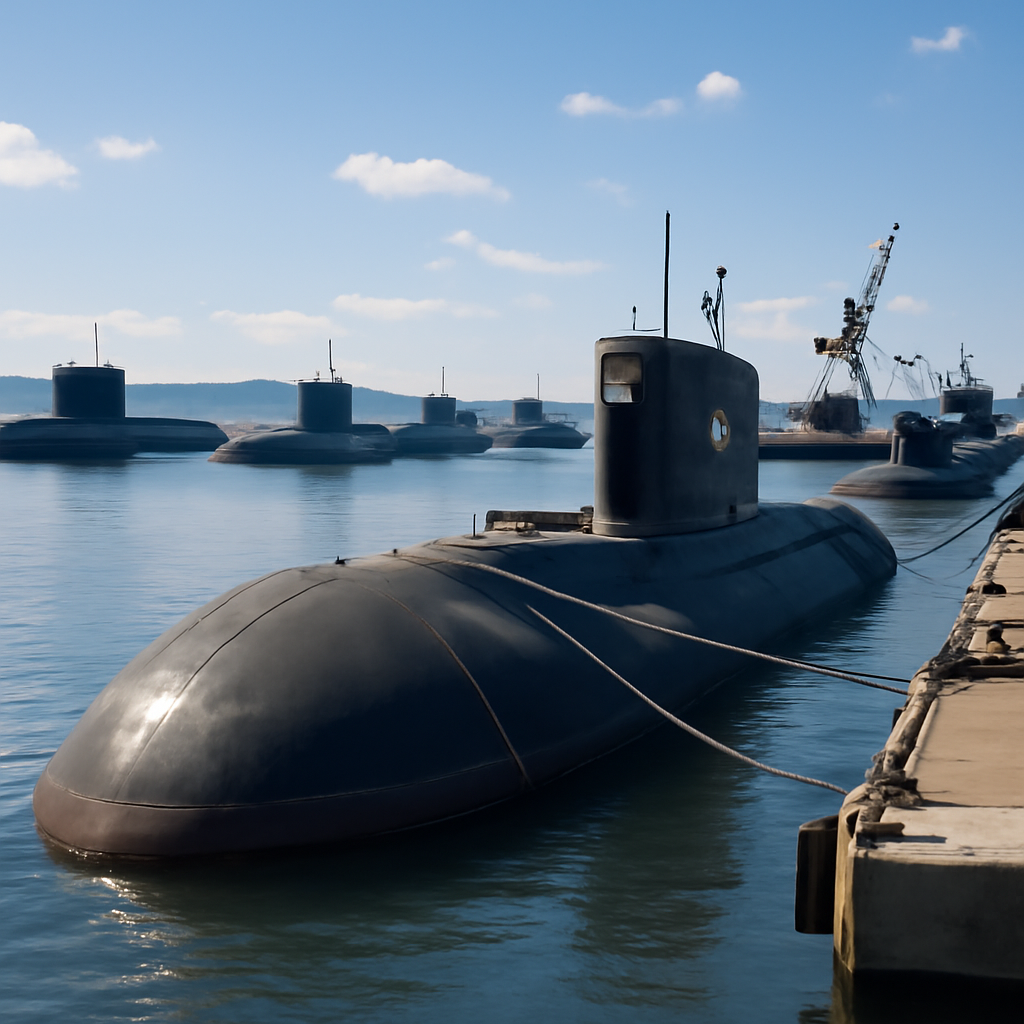
Russia's Pacific Submarines Bolster China's Military Options
Russia's impressive fleet of 23 Pacific submarines - outnumbering China's northern fleet by six vessels - significantly expands China's military options in the region. This substantial naval presence could play a game-changing role in a future Pacific crisis.