"It is 'at the core of China’s core interests,'" China's diplomats have warned, framing one clear demand Beijing intends to press at the summit between President Trump and Xi Jinping.
Why Taiwan is described as a "model ally"
The case for Taiwan as more than a transactional partner is detailed in concrete numbers and commitments. The island is home to a vibrant democracy of 23 million that, the source says, holds free and fair elections, has peaceful transfers of power, an independent judiciary, and a free press. Taiwan has chosen self-government consistently over absorption into a Chinese system, and its civil society is cited as a visible contrast to the Chinese Communist Party’s governance model.
Beyond civic credentials, Taiwan is presented as an active investor in shared security and prosperity: it has pledged more than $500 billion in foreign direct investment in the United States, with $250 billion earmarked for advanced computing, artificial intelligence, and related innovation — a per-capita level of investment the source says exceeds other Asian and European partners.
TSMC, UMC, and the semiconductor lifeline
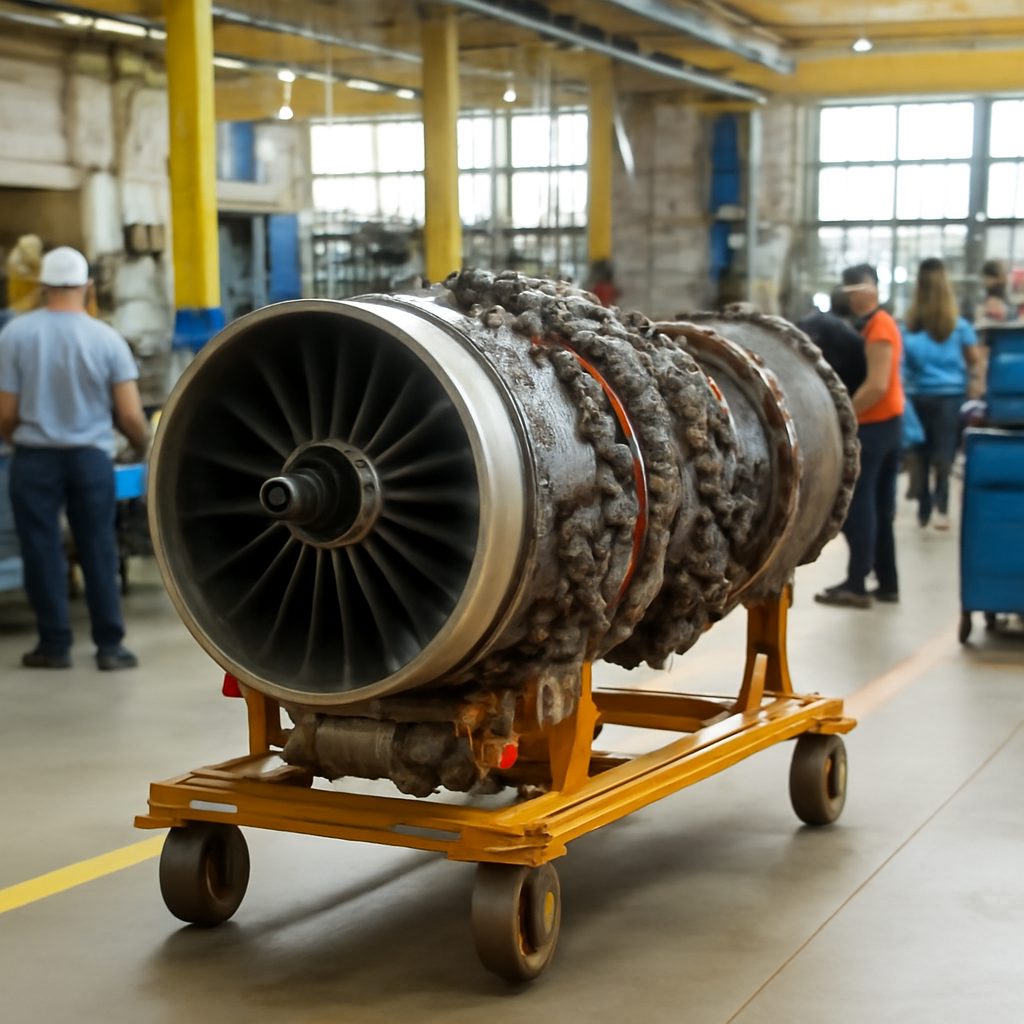
Two Taiwanese firms — Taiwan Semiconductor Manufacturing Company (TSMC) and United Microelectronics Corporation (UMC) — are central to the argument. Together they account for nearly three-quarters of the semiconductor chips produced worldwide, and TSMC alone produces about 90 percent of the world's most advanced logic chips. The source reports that last year Taiwan exported about $200 billion of goods to the United States, of which $150 billion was advanced computing components.
Those components, the source notes, run smartphones, data centers, AI applications, and advanced weapons such as the F-35; they also power the algorithms behind American intelligence analysis. The piece frames this supply chain as foundational to both commercial and military U.S. capabilities and adds that these Taiwanese components are used to manufacture "trillions of dollars" of U.S.-made products.

Audit-ready is a season. It shouldn't be.
Evidence in spreadsheets, controls drifting between audits, frameworks multiplying on flat headcount. Nubivance runs continuous compliance on Rapid7 Cyber GRC - SOC 2, HIPAA, ISO 27001, PCI, CMMC.
End the scrambleTaiwan’s defense spending and American weapons tailored to its threat
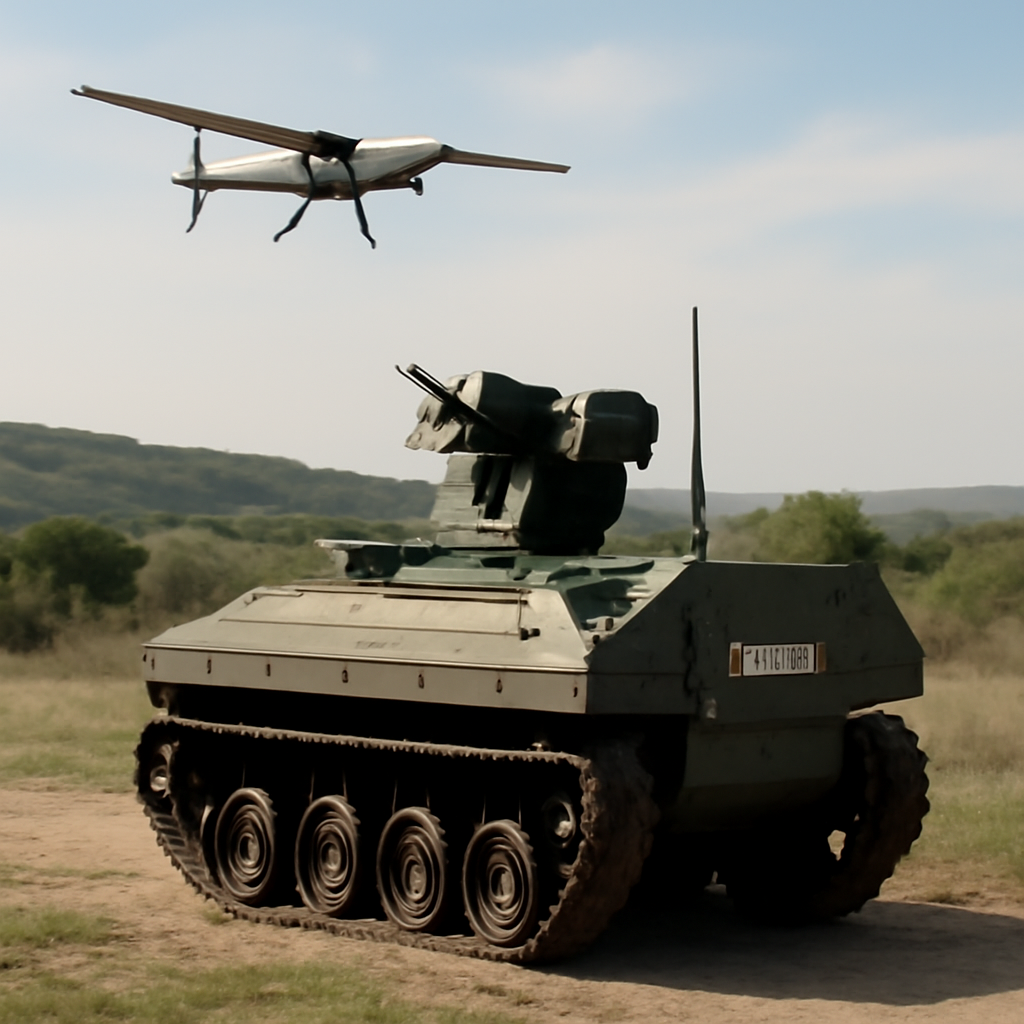
Taiwan’s defense posture is quantified: defense spending has risen every year this decade and "currently stands at over 3 percent of GDP," and Taiwan’s president, Lai Ching-te, has committed to reach 5 percent of GDP by 2030. The source emphasizes that Taiwan is not merely increasing dollars but directing them to systems identified by American planners as relevant to deterring the People’s Liberation Army (PLA) amphibious threat.
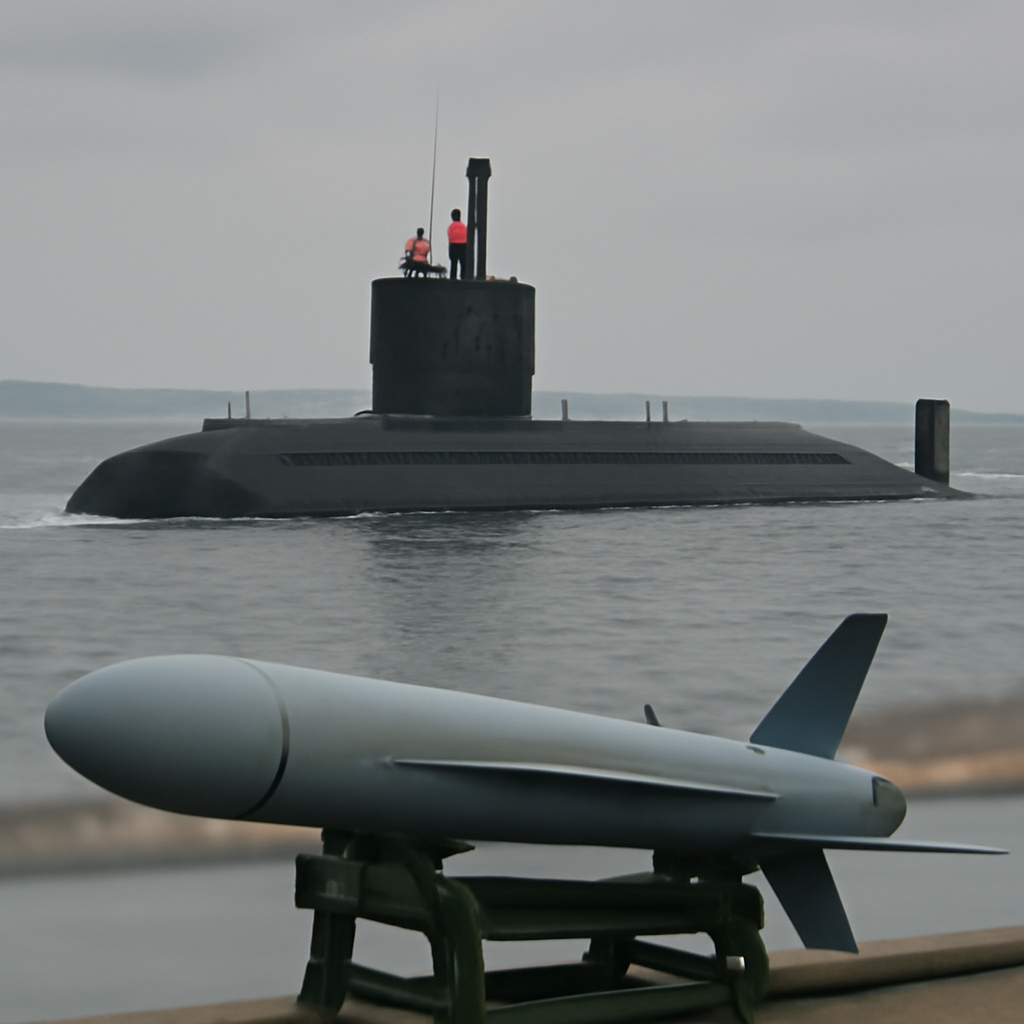
Specifically cited purchases include Harpoon coastal defense missiles, HIMARS rocket artillery, and Javelin anti-tank missiles. The source stresses these are not parade platforms but capabilities matched to the threat environment; it also notes that the PLA threatens and challenges Taiwan’s military and coast guard on a daily basis, while Taiwan "responds professionally and does not flinch."
What Beijing is offering — and what it is asking in return
China’s diplomats have been explicit, according to the source, that they want concessions on Taiwan. Beijing frames the island as "at the core of China’s core interests" and says Washington’s adherence to the One China principle is a "prerequisite" for stable relations. The source anticipates Xi will offer trade deals and rare-earth cooperation and suggests Xi will calibrate those offers toward a transactional U.S. president.
The article lays out the choice in stark terms: Taiwan already aligns with many U.S. security and economic priorities — democratic governance, high defense spending, purchases of American weapons, and control of advanced semiconductor production — and it warns trading Taiwan’s security for Beijing’s promises would be a "strategic blunder of historic proportions."
How Tokyo, Seoul, Warsaw, Tallinn, technologists, and policymakers will watch
- Tokyo and Seoul: Allied capitals named in the source — Tokyo and Seoul — will observe whether a summit trade-off on Taiwan sets a precedent that affects their security calculations and regional commitments.
- Warsaw and Tallinn: European allies cited — Warsaw and Tallinn — would remember any U.S. concession on Taiwan for a generation, the source warns, implying long-term diplomatic consequences.
- Technologists and security teams: Those relying on advanced chips and supply chains will watch the summit’s outcome closely because the source ties Taiwan’s chip production directly to U.S. commercial products, AI, and advanced weapons.
- Policymakers and procurement leaders: With Taiwan pledging more than $500 billion in U.S. investment and buying American defense equipment, procurement and economic policy officials will be monitoring commitments and any change to arms-sale norms described in the source.
Mark Montgomery, identified in the source as a retired U.S. Navy rear admiral and Senior Director at the Foundation for Defense of Democracies, frames the choice sharply: Taiwan, he argues, is already delivering what the United States seeks in an ally — democracy, robust defense spending, targeted American weapons purchases, and semiconductor dominance — and therefore should not be bartered away for Beijing’s trade rhetoric. The summit in Beijing, and the specific offers Xi is expected to make, will test whether that framing holds in diplomatic practice.
https://www.defenseone.com/ideas/2026/05/taiwan-model-ally-beijing/413516/