[SPONSOREDNUBIVANCE]
Rapid7 deployed right the first time.
Full-platform Rapid7 rollouts - InsightVM, InsightIDR, event sources, agents, tuning - by a Registered Partner who has done it at state-agency scale, including OT/SCADA.
Talk deployment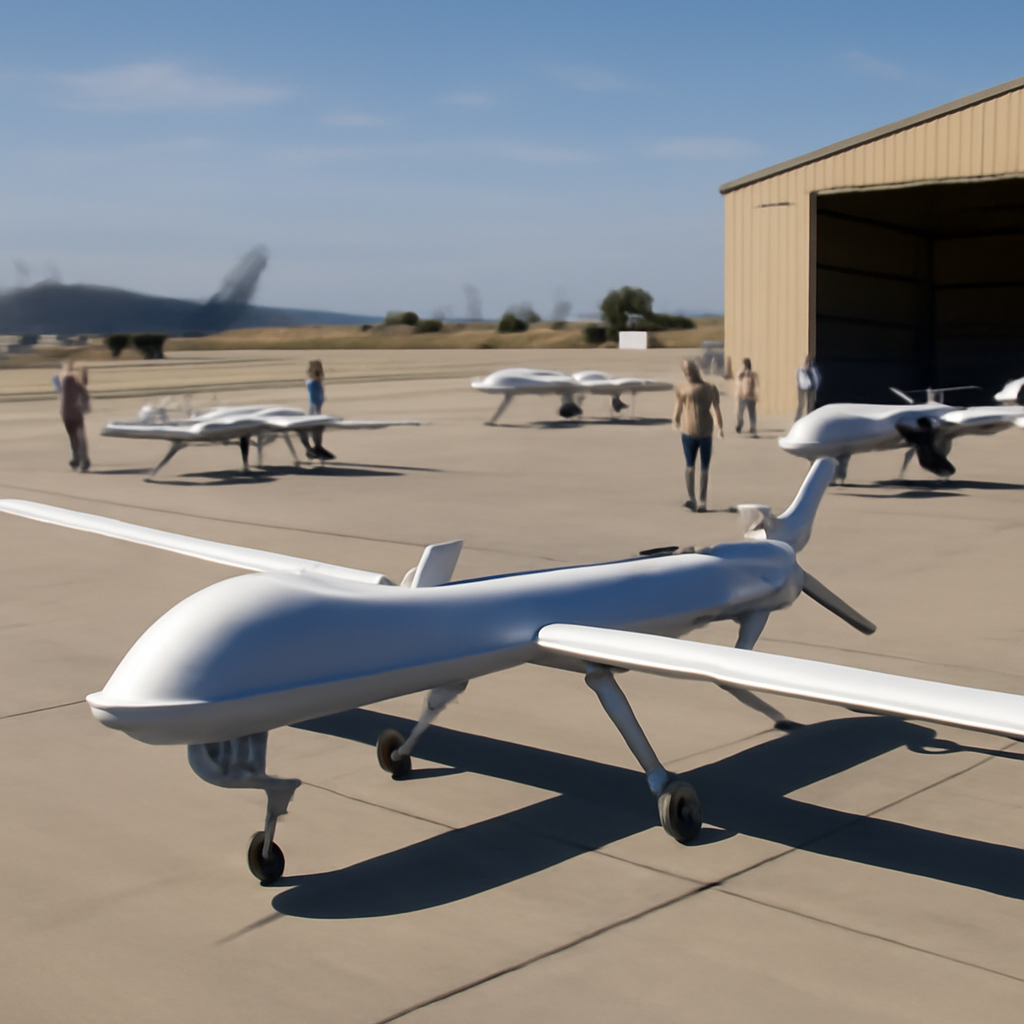
The US Air Force is set to revolutionize its drone capabilities with a new, affordable replacement for the MQ-9 Reaper, leveraging cutting-edge technology to produce a more flexible and cost-effective uncrewed aircraft system. This game-changing move could enable the Air Force to utilize drones in a more dynamic and sustainable way.

The House Foreign Affairs Committee just shot down a bill that would have streamlined US arms sales, with Democrats warning that the Trump administration can't be trusted with billions more dollars in taxpayer funds without a solid plan in place. The surprise 23-23 tie vote dealt a blow to efforts to simplify the foreign military financing process.

The Navy is set to revolutionize its fleet with a bold new plan, aiming to grow to 450 vessels by 2031, including 83 cutting-edge unmanned ships. This ambitious vision promises a more capable and powerful force, ready to defend and project strength on a global scale.

A whopping $17.4 billion of Australia's promised $53 billion defence spending boost hangs in the balance, leaving a significant chunk of the nation's defence future uncertain. Only $6.8 billion of the planned increase is firmly accounted for in the near term, sparking questions about the government's long-term strategy.

In a stunning U-turn, the Pentagon is reviving funding for the E-7 Wedgetail radar plane, sending a budget amendment to the White House after abruptly cutting it from the 2027 budget request. This sudden reversal underscores the military's renewed commitment to the aircraft's critical capabilities.

Singapore stands firm on its right to transit through international straits, a principle it sees as vital to its prosperity, and is now at odds with its Southeast Asian neighbors over Iranian oil deals. While Singapore advocates for unrestricted passage, others like Malaysia, Thailand, the Philippines, and Vietnam are pursuing bilateral arrangements, revealing a regional fracture.

In a recent NATO exercise, a major hurdle emerged for unmanned ground vehicles (UGVs) equipped with Starlink: dense woodland terrain that rapidly degrades communication links and blocks high-speed connections. This limitation was starkly exposed during the Crystal Arrow exercise in Latvia, where UGVs were put through rigorous brigade-level trials.
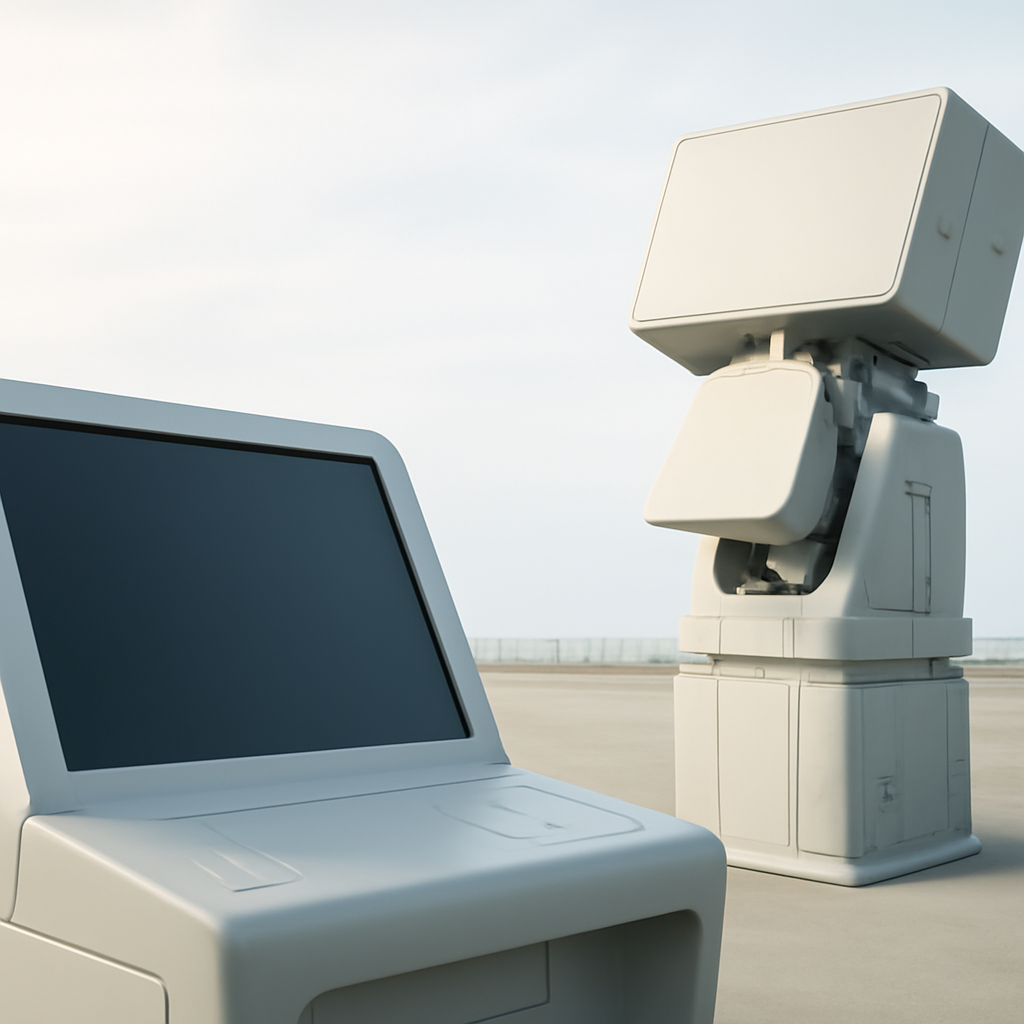
The Congressional Budget Office warns that the ambitious Golden Dome missile-defense program comes with a staggering $1.2 trillion price tag, a cost that far exceeds initial estimates and raises questions about its feasibility. Even with this hefty investment, the system would still have significant limitations, particularly against large-scale attacks from powerful adversaries.
Full-platform Rapid7 rollouts - InsightVM, InsightIDR, event sources, agents, tuning - by a Registered Partner who has done it at state-agency scale, including OT/SCADA.
Talk deployment
Iran's navy has dramatically redefined the Strait of Hormuz, expanding its boundaries from a narrow 20-30 miles to a massive 200-300 miles, now stretching from Jask in the east to Siri Island in the west. This bold move greatly increases the strategic zone's military significance, according to the IRGC Navy's Political Deputy, Mohammad Akbarzadeh.

Poland is taking a major step in its defense strategy by modifying its PZL M28 Skytruck aircraft to combat drones, with a contract in place to equip the plane with gun armament. The modification program is already underway, starting with the conversion of a prototype.

The Pentagon is keeping mum on the true cost of the Iran war, revealing only a $29 billion price tag - a number that's likely to swell as the conflict rages on. This limited disclosure comes as the administration requests a massive $1.5 trillion defense budget.
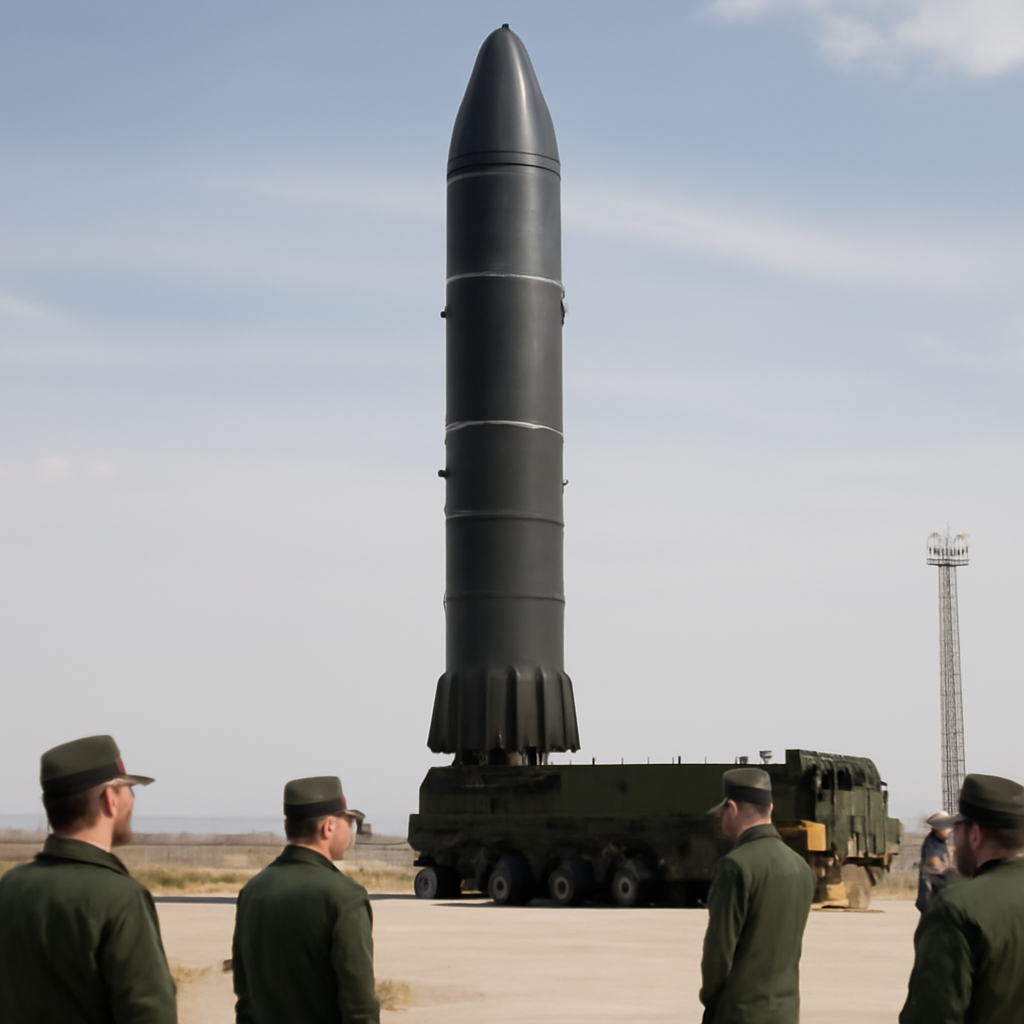
Russia just made a major leap in its military capabilities with the successful test launch of the powerful RS-28 Sarmat intercontinental ballistic missile, which hit its target with precision. The Kremlin hailed it as a unconditional success, with President Vladimir Putin praising it as a major event.

In a surprising move, Defense Secretary Pete Hegseth is reopening the Army Transformation Initiative, signaling a reassessment of sweeping changes that have reshaped Army capabilities and acquisitions. The review comes amid concerns about the impact on the industrial base.

The Pentagon is reviving its E-7 Radar Aircraft program with a fresh funding request, marking a significant shift in its approach to airborne early warning systems. Secretary Pete Hegseth confirmed the department has moved on from a divest-to-invest mindset, now prioritizing the E-7 Wedgetail aircraft.

The Congressional Budget Office estimates that a national missile defense system, like the one proposed by President Trump, could cost a staggering $1.2 trillion to develop, deploy, and operate over the next 20 years. The space-based interceptor layer alone accounts for a whopping 60% of the total costs.

The Pentagon's latest tally of the Iran war costs has skyrocketed to $29 billion, a $4 billion jump in just two weeks, with a whopping $24 billion going towards repairing or replacing ravaged equipment, including drones, aircraft, and munitions.
Evidence in spreadsheets, controls drifting between audits, frameworks multiplying on flat headcount. Nubivance runs continuous compliance on Rapid7 Cyber GRC - SOC 2, HIPAA, ISO 27001, PCI, CMMC.
End the scramble
Defense Secretary Pete Hegseth is opening the door to a major reversal, hinting that the Pentagon may reconsider drastic cuts to the Army's aviation budget as part of a review of the Army Transformation Initiative. This potential about-face comes after Rep. Rosa DeLauro pressed Hegseth for answers on the deep reductions.

The US and its allies are joining forces to develop a game-changing orbital warfare plan, with a collective concept of operations set to be finalized by the end of the year. This strategic blueprint will enable them to protect and defend their space assets like never before.

Russia is rapidly bolstering its Pacific presence with a modern fleet of advanced nuclear submarines, having added eight nuclear-powered vessels to its Pacific Fleet since 2013. This strategic expansion has resulted in a formidable force that rivals China's in size and sophistication.

The US Navy is supercharging its new Trump-class battleship with cutting-edge nuclear reactor technology borrowed from the advanced Gerald R. Ford aircraft carrier, specifically the A1B reactor and related systems. This strategic move leverages proven tech to boost the battleship's power and capabilities.

The US Navy is taking bold steps to reclaim its maritime dominance, with Acting Secretary Hung Cao calling for urgency and commitment to overcome America's shipbuilding capacity crunch. The Navy's Fiscal Year 2027 Shipbuilding Plan proposes a strategic solution: supplementing domestic yards with targeted overseas shipbuilding.

In a groundbreaking revelation, the Pentagon's Chief Digital & AI Officer disclosed that the recent operation against Iran utilized Palantir's Maven Smart System to strike 13,000 targets in just 38 days. This unprecedented scale of AI-driven military action marks a significant shift in the Defense Department's approach to modern warfare.

The Pentagon has just dropped a bombshell, releasing a batch of previously classified images and footage of Unidentified Anomalous Phenomena, some of which date all the way back to the 1940s. Get ready to dive into the fascinating and often bizarre world of UAPs like never before!
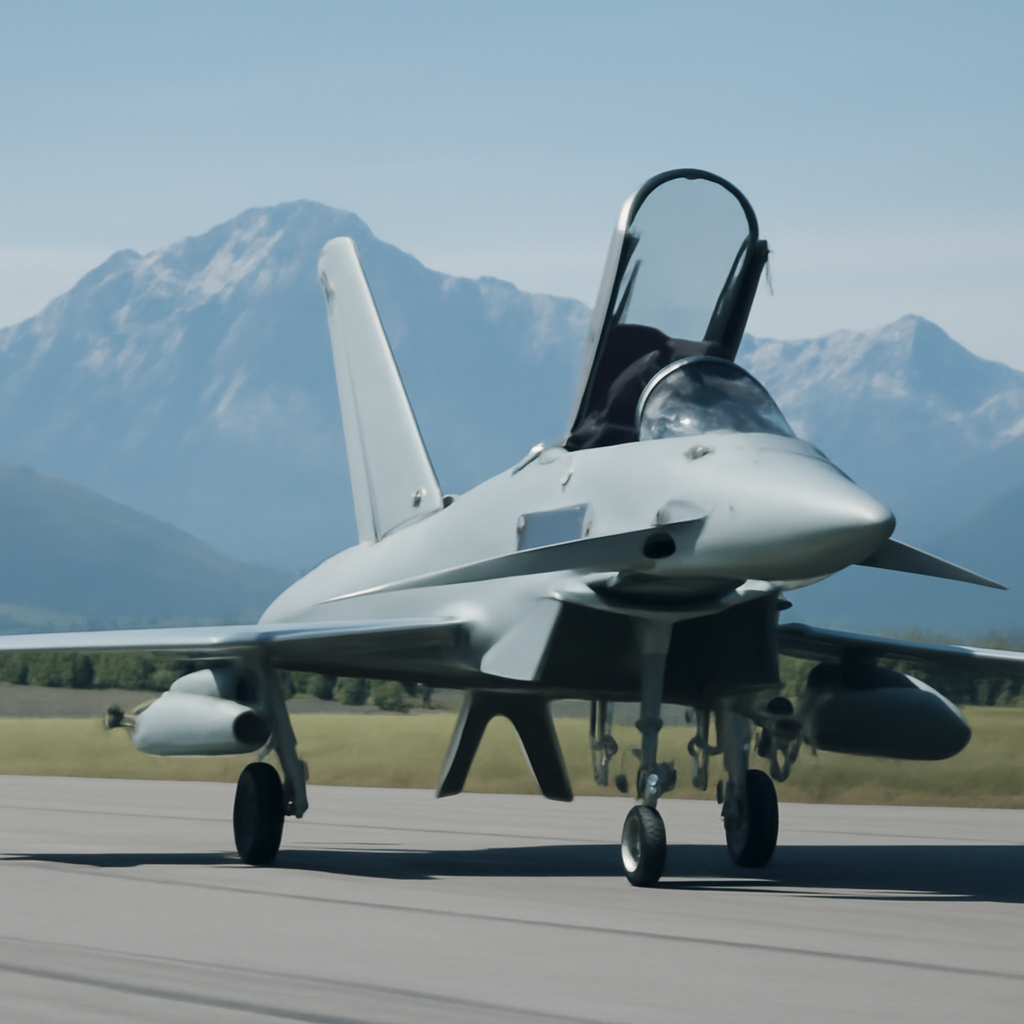
The Austrian Air Force sprang into action, scrambling Eurofighter Typhoons not once, but twice, after US military aircraft strayed into its airspace on consecutive days. On both occasions, the Austrian defenders swiftly identified the intruders - two PC-12 turboprops - and escorted them out, with the second incident prompting a Priority A response at 12:31.