$29 billion: that is the updated price tag the Pentagon’s comptroller put on the costs of the ongoing war with Iran, an increase of roughly $4 billion since the department first briefed lawmakers about Operation Epic Fury roughly two weeks ago.
Where the $29 billion goes — equipment first
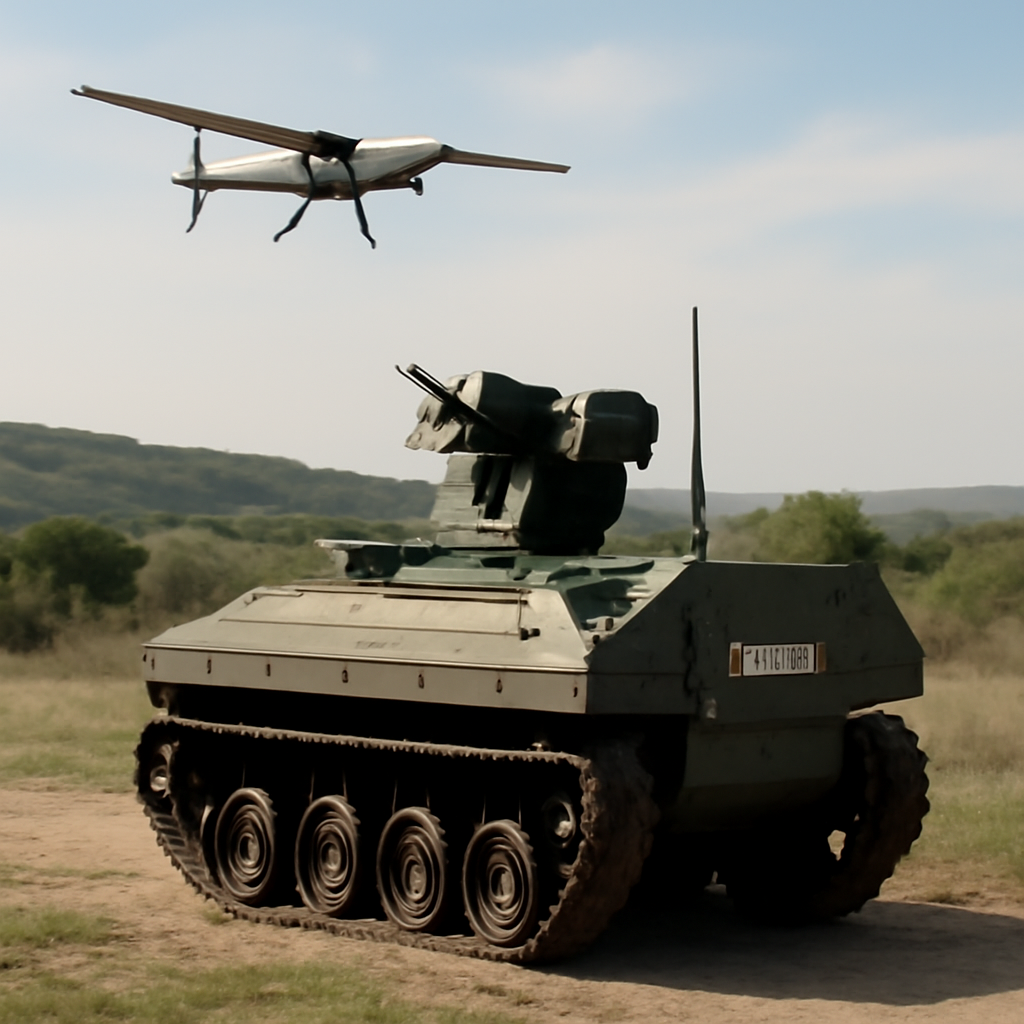
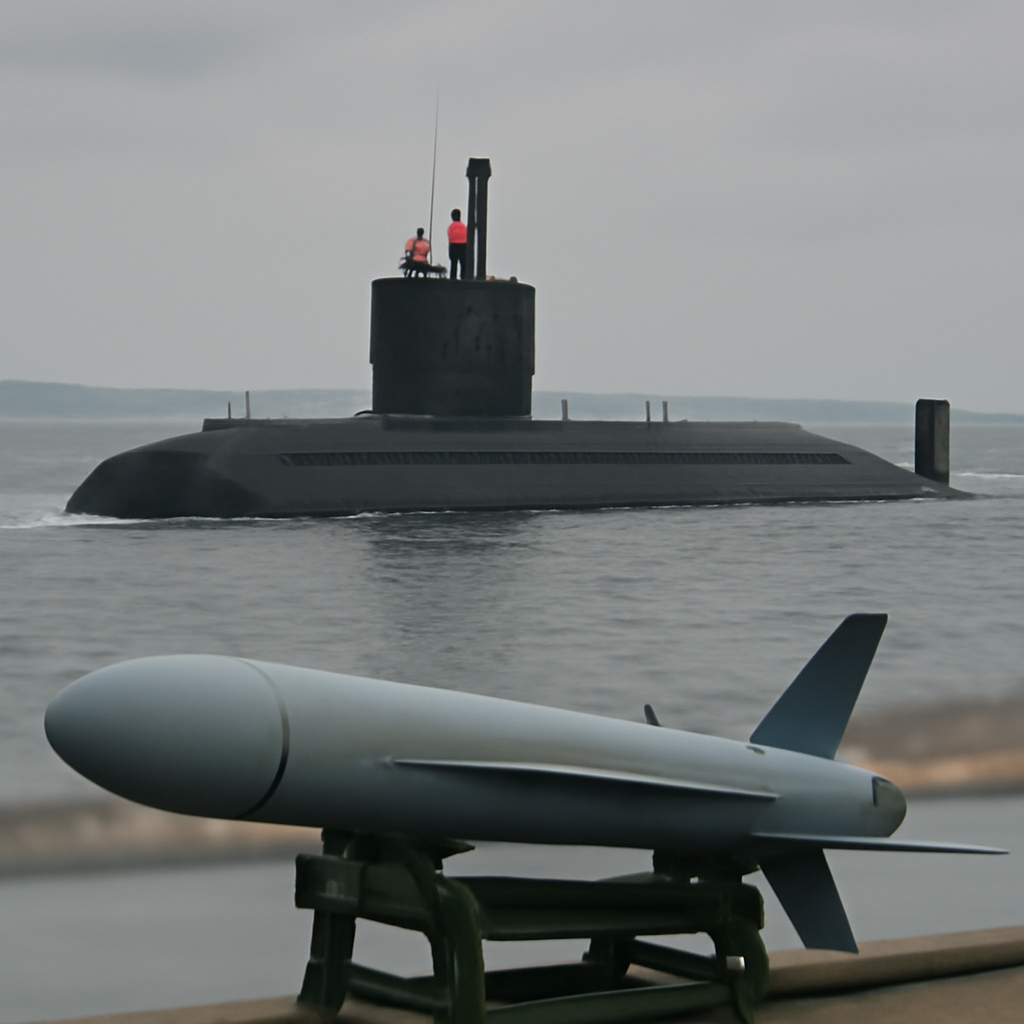
Jules “Jay” Hurst, who is performing the duties of the Pentagon’s top finance officer, told House and Senate appropriators that about $24 billion of the $29 billion figure is tied to replacing or repairing equipment — “munitions, drones and aircraft,” he said. Hurst described the $4 billion increase as the product of a “refined estimate on repair and replacement costs for equipment,” while noting munitions costs are “fairly fixed” and that some operations and maintenance (O&M) costs are included.
Military construction (MILCON) remains excluded
Hurst emphasized the figure does not include damage to military installations. “We’re not making an estimate for MILCON at this time,” he said, citing uncertainty about future posture, how bases would be reconstructed, and “what percentage our allies and partners will pay for that reconstruction.” The Pentagon is still weighing whether it will repair affected bases, he said.

Audit-ready is a season. It shouldn't be.
Evidence in spreadsheets, controls drifting between audits, frameworks multiplying on flat headcount. Nubivance runs continuous compliance on Rapid7 Cyber GRC - SOC 2, HIPAA, ISO 27001, PCI, CMMC.
End the scrambleLawmakers press for detailed accounting and a supplemental
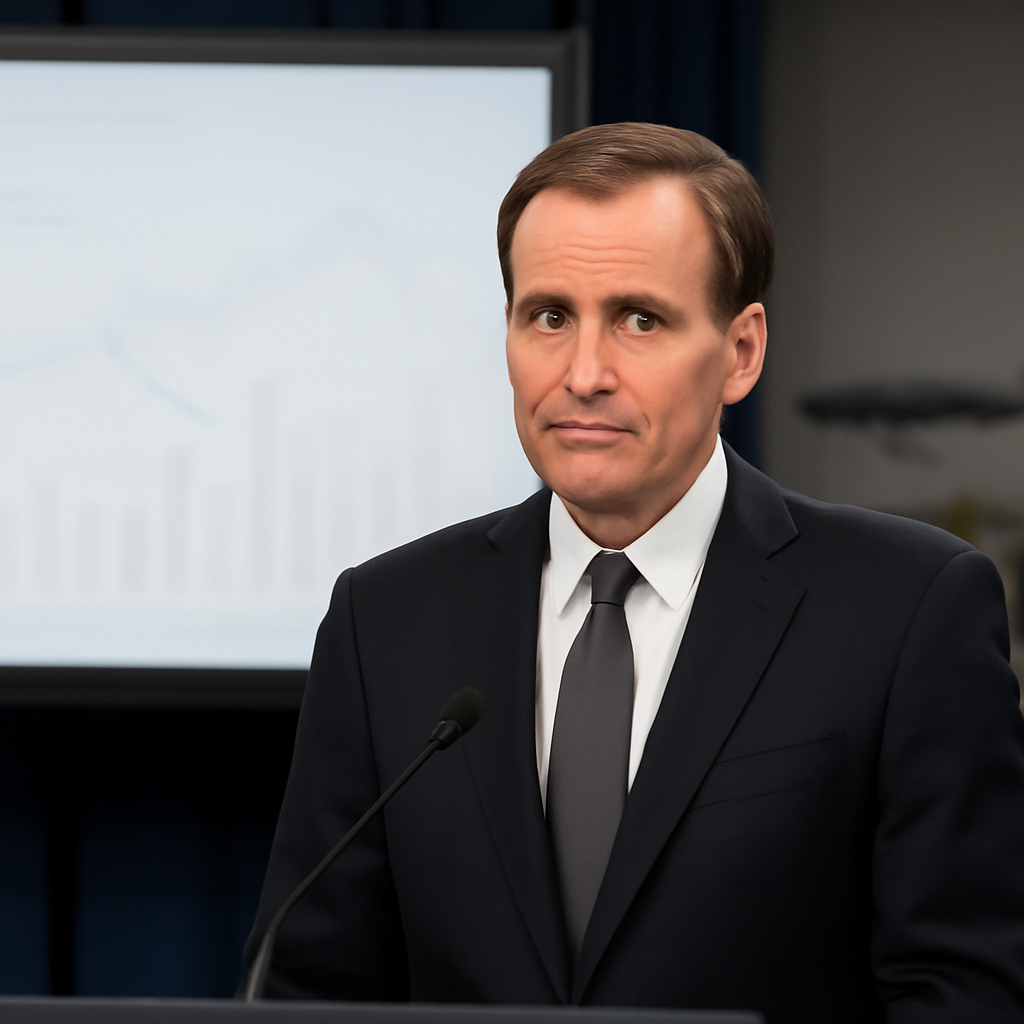
At back-to-back hearings before Senate and House appropriators, Hurst spoke alongside Defense Secretary Pete Hegseth and Chairman of the Joint Chiefs of Staff Gen. Dan Caine. Minnesota Rep. Betty McCollum, top Democrat on the House Appropriations defense subcommittee, asked the department to deliver a detailed cost breakdown by June 11 — the date the committee will mark up the defense spending bill — including figures for military personnel, operational activities, additional maintenance for deployed ships, munitions expenditures, equipment destroyed, updated fuel costs and damage to military installations.
When Rep. Pete Aguilar asked for a more formal cost breakdown, Secretary Hegseth declined to provide details, saying “when it’s relevant and required, we’ll share it.” Meanwhile, Rep. Ken Calvert, who chairs the House Appropriations defense subcommittee, urged the Pentagon to deliver a supplemental “sooner rather than later,” noting the committee understands the need to replenish munitions and O&M accounts. Hegseth declined to state when a supplemental funding bill would be delivered to Capitol Hill.
Budget strategy fight: reconciliation vs. base appropriations
Members of both parties expressed concern about the department’s plan to use reconciliation to fund $350 billion of a $1.5 trillion Pentagon request. House Appropriations Chairman Tom Cole said he supported the $1.5 trillion request but worried about dependence on reconciliation and asked Hurst to quantify how much of the $350 billion qualifies as one-time spending. Hurst replied that about $200 billion could be considered a “one-time plus up or catch-up” investment — covering the defense industrial base, AI and autonomy, and barracks improvements — and said the department believes it can sustain those investments in later years with discretionary dollars.
Sen. Mitch McConnell urged caution about placing multiyear programs in reconciliation funding, asking why the department would request multi-year munitions contracts via a one-time mechanism. Sen. Lisa Murkowski warned the reconciliation funding “may or may not happen.” Hegseth acknowledged the concern and said ensuring both the base discretionary budget and reconciliation are passed is “one of the main efforts.”
Munitions, Ukraine money and operational sustainment
Gen. Dan Caine pushed back on reports that U.S. munitions stockpiles have been depleted, saying, “We have sufficient munitions for what we’re tasked to do right now,” while adding, “we always want more.” Caine declined to comment on intelligence estimates of Iran’s remaining missile and drone capability, saying battle damage assessments were classified.
Senate appropriators also criticized Pentagon leaders for the pace of distributing $400 million in funds for Ukraine. Hurst said, “We’re expecting to see a final spend plan for that this week,” and that the schedule for contracting will depend on what the department chooses to buy with the money.
What this means for lawmakers, Pentagon planners, and Kuwait
- Lawmakers and appropriators: expect continued pressure for precise, line-item figures. A June 11 deadline for a cost breakdown anchors congressional leverage during the defense spending bill markup.
- Pentagon financial leadership and logistics planners: must refine repair-and-replace estimates, decide whether to include MILCON, and determine timing and content of any supplemental — all while reconciling one-time reconciliation requests with programs that require steady, multiyear funding.
- Kuwait and regional partners: drew attention at the hearing when Rep. Calvert expressed hope that Kuwait would pay to replace three F-15E Strike Eagles lost in a friendly fire incident in March — a specific, near-term cost the committee suggested might be covered by an allied contribution.
The accounting is still unfolding. The Pentagon has offered a $29 billion tab that omits base reconstruction and leaves open when and how a supplemental or reconciliation package will be submitted and funded. Congress has set a clear short-term test — deliver detailed numbers by the June 11 markup and provide a final spend plan for Ukraine funds this week — and those deliverables will shape whether $29 billion stabilizes, grows or becomes the opening bid in a much larger fiscal debate.