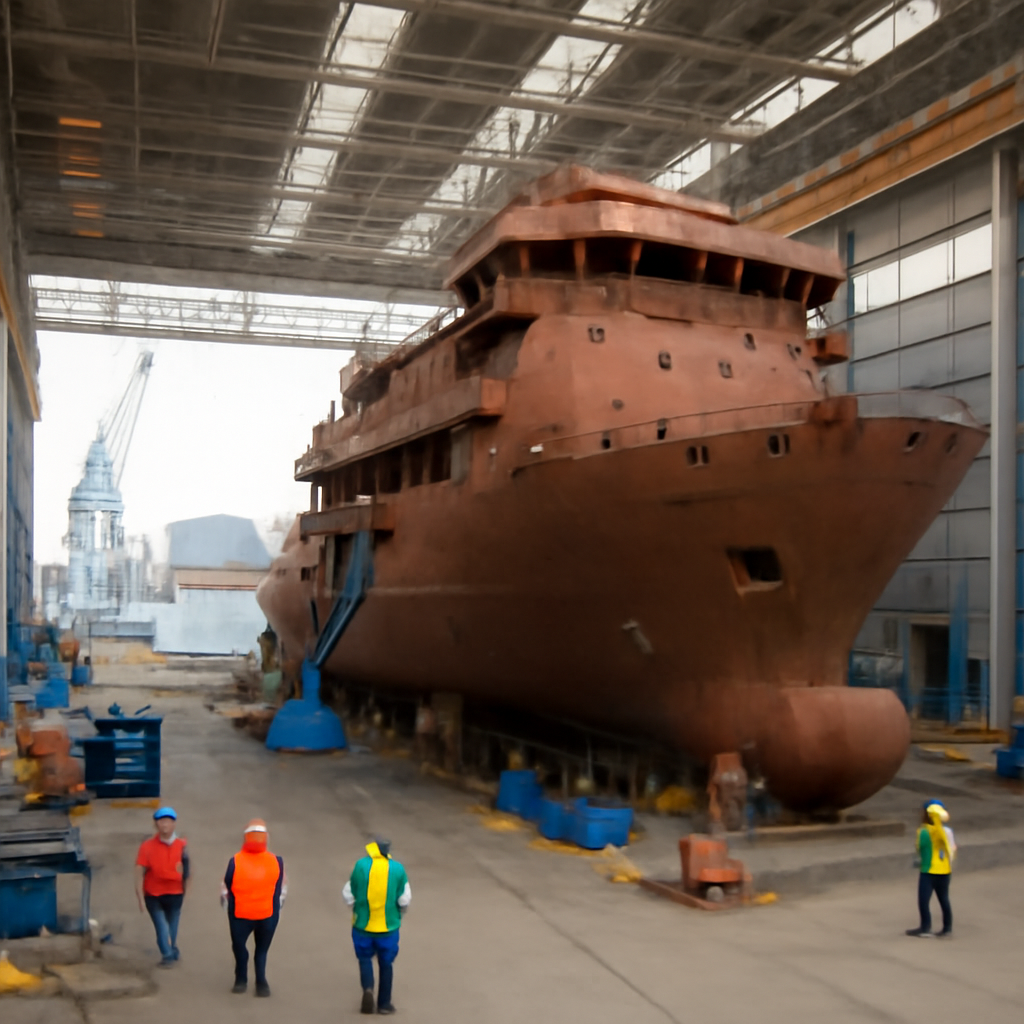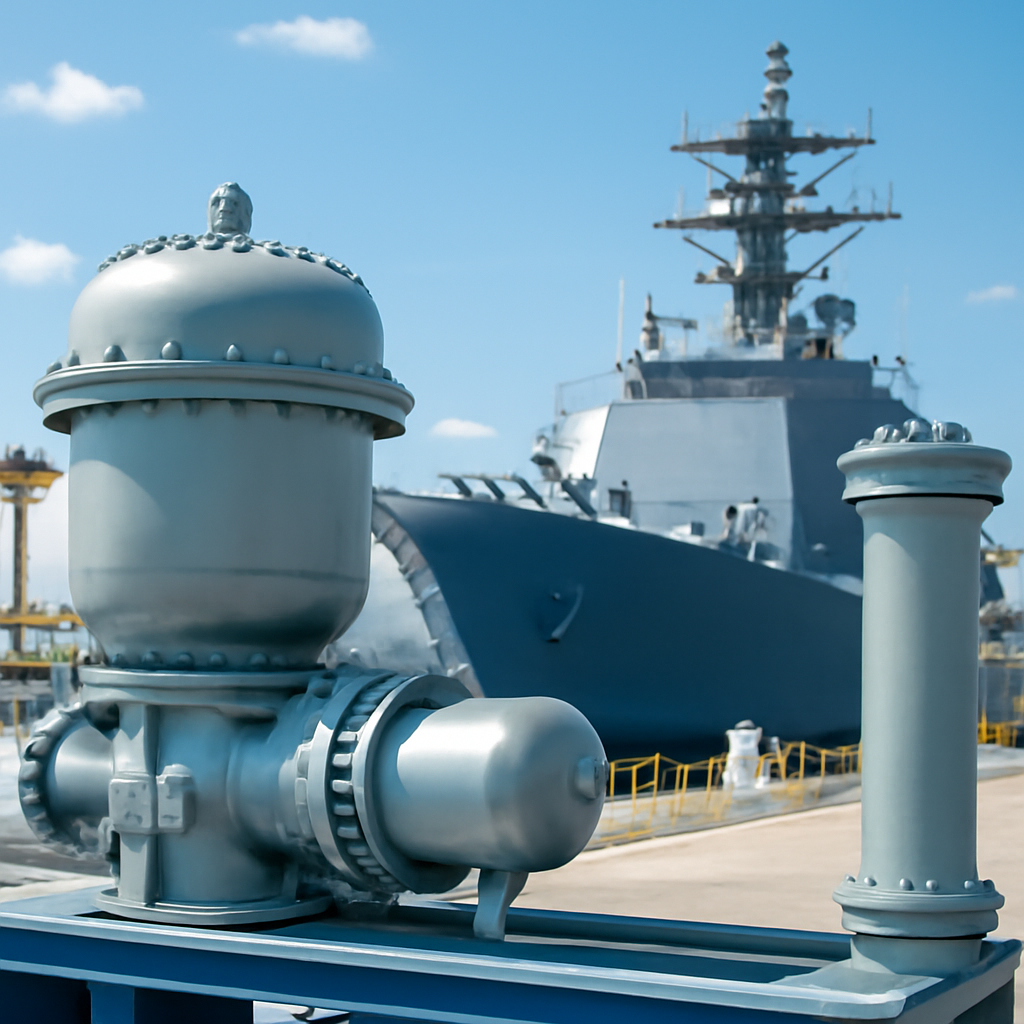
"All of that technology that’s going into the design of the battleship, the nuclear battleship, from the reactor plant perspective, is all pull-through technology from the Ford class," Chief of Naval Operations Adm. Daryl Caudle told lawmakers, summing up the Navy’s choice to fit the new Trump-class battleship with the Gerald R. Ford carrier’s A1B reactor and related systems.
Adm. Daryl Caudle on design commonality with the Ford class
The Navy confirmed in its shipbuilding plan on Monday that the Trump-class battleship will be nuclear-powered, and Caudle said the vessel will share several specific hardware elements with the Gerald R. Ford carrier. He named the A1B nuclear reactor explicitly, along with the steam generator and reactor cooling pump components. Caudle added that "most of the combat systems, radar system, missile system" are likewise pull-through technologies from the Ford-class program.
Nuclear propulsion and the endurance argument for the Pacific
Caudle framed the nuclear choice as an operational requirement tied to geography and mission. "The fact it’s nuclear is going to give it the sustainment it needs," he said, arguing that the ship's endurance is crucial in the Pacific. He described the Pacific's scale during the hearing, saying, "an ocean is three times the size of the Atlantic — I need those types of legs and endurance to serve as a capital ship that comes with that firepower to be able to deliver that combat payload." The admiral called the vessel a "large combatant" that provides "significant payload volume for all future fights."

Audit-ready is a season. It shouldn't be.
Evidence in spreadsheets, controls drifting between audits, frameworks multiplying on flat headcount. Nubivance runs continuous compliance on Rapid7 Cyber GRC - SOC 2, HIPAA, ISO 27001, PCI, CMMC.
End the scrambleTimeline, procurement numbers, and development spending
The Navy’s plan sets an aspirational inventory target of 15 Trump-class battleships by 2056, with the first ship slated for delivery in 2036. Budget documents cited by the service show approximately $46 billion expected over the next five years to design and develop the vessel. For fiscal year 2027 the Navy requested roughly $1 billion in advance procurement and about $837 million in research and development funds. For the procurement of the first hull the Navy plans to request roughly $17 billion in FY28, and approximately $13 billion in 2030 for the second ship, according to budget documents released in April.
Lawmakers' scrutiny and competing program rationale
The projected costs have drawn immediate scrutiny. "That’s another extraordinary cost for the Navy, and frankly, it seems unaffordable," Rep. Betty McCollum, Ranking Member of the House Appropriations Subcommittee on Defense, D‑Minn., said at the hearing. Navy officials have pointed to program trade-offs and alternative ship classes when defending the decision. Rear Adm. Ben Reynolds, identified as deputy secretary of the Navy for budget, told reporters in April that the battleship addresses capability gaps: "This will be able to do many things that our DDGs cannot," he said, and compared it to the frigate by saying, "Just like the frigate fills a hole that our DDG doesn't."
How procurement leaders, fleet operators, and lawmakers will respond
- Procurement leaders: They will be managing a multi-year, high-dollar engineering and production effort that explicitly plans to reuse A1B reactor plant technology and Ford-class combat systems. Advance procurement and R&D requests in FY27 and large procurement spikes in FY28 and 2030 are concrete budget events procurement teams must execute.
- Fleet operators: The Navy leadership argues the ship’s nuclear propulsion and larger hull are intended to provide greater payload volume and sustained range in the Pacific theater; operators will evaluate whether the claimed "legs and endurance" translate into operational advantages once design and testing advance.
- Lawmakers: Budget committees and appropriators have already signaled fiscal concern. Given Representative Betty McCollum’s comment that the program "seems unaffordable," congressional oversight and hearings tied to the forthcoming budget requests (FY27 advance procurement and R&D, FY28 procurement) will be focal points for scrutiny.
The Navy has committed to a long timeline and a large investment if it proceeds: a first delivery in 2036, an eventual fleet of 15 by 2056, and tens of billions in near-term development and procurement funding. The forthcoming fiscal submissions—FY27 advance procurement and R&D, the FY28 $17 billion procurement ask for the first ship, and the FY30 request for a second hull—will be the near-term milestones that determine whether the program advances on the Navy’s stated terms.