Tag: strait of hormuz
47 articles
Iran Expands Strait of Hormuz Definition
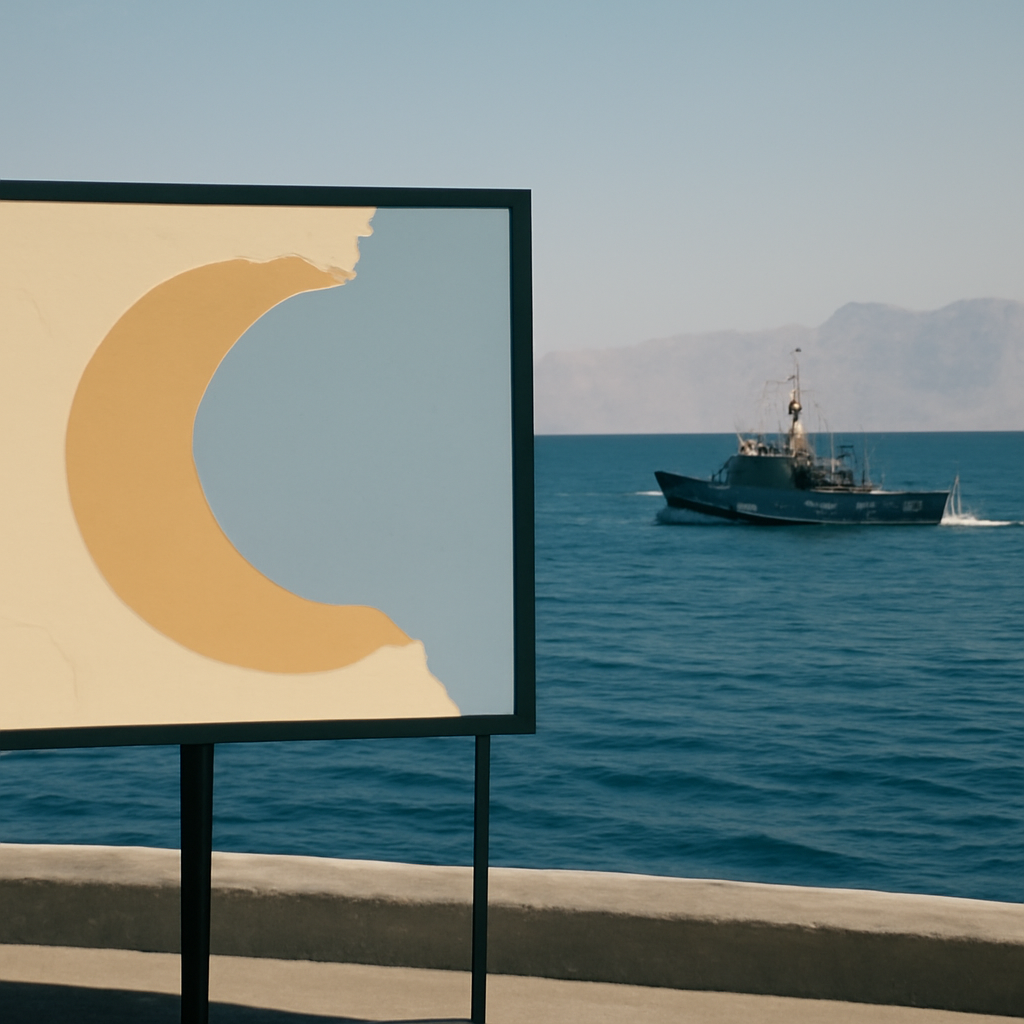
Iran's navy has dramatically redefined the Strait of Hormuz, expanding its boundaries from a narrow 20-30 miles to a massive 200-300 miles, now stretching from Jask in the east to Siri Island in the west. This bold move greatly increases the strategic zone's military significance, according to the IRGC Navy's Political Deputy, Mohammad Akbarzadeh.

US Strikes Iranian Targets in Strait of Hormuz Retaliation
Tensions escalate in the Strait of Hormuz as the US launches retaliatory strikes on Iranian targets, sparking a flurry of competing claims from Iranian state and semi-official outlets about the extent of the damage. Explosions have been reported in southern Iran, with allegations of attacks on key ports including Bahman Qeshm pier and Bandar Abbas.
US Bolsters Maritime Security with Hormuz Escort Operation
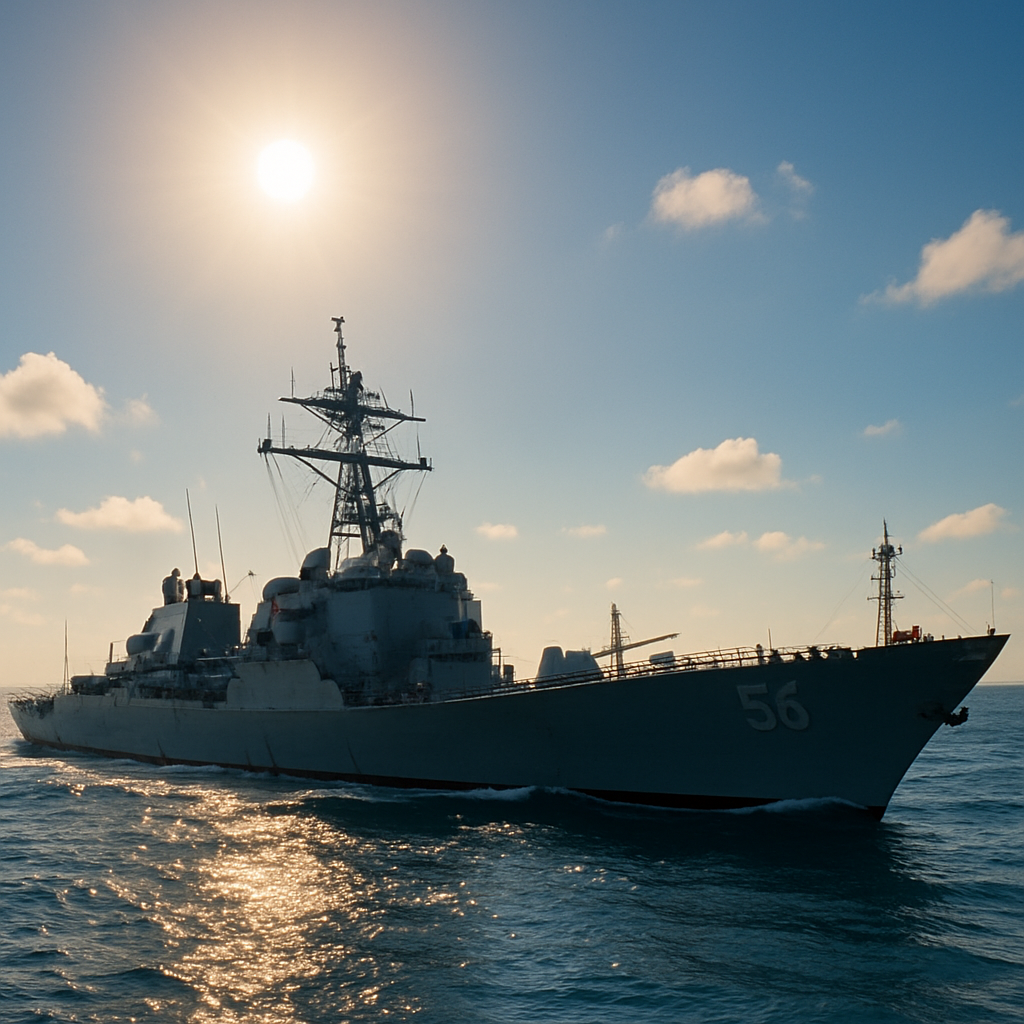
The US has launched Project Freedom, a temporary escort operation through the Strait of Hormuz, to safeguard commercial ships and ensure the free flow of global trade. Dubbed a "powerful red, white and blue dome" by Defense Secretary Pete Hegseth, this defensive initiative aims to protect vessels navigating the critical waterway.
US Launches Project Freedom to Secure Strait of Hormuz Shipping Lane
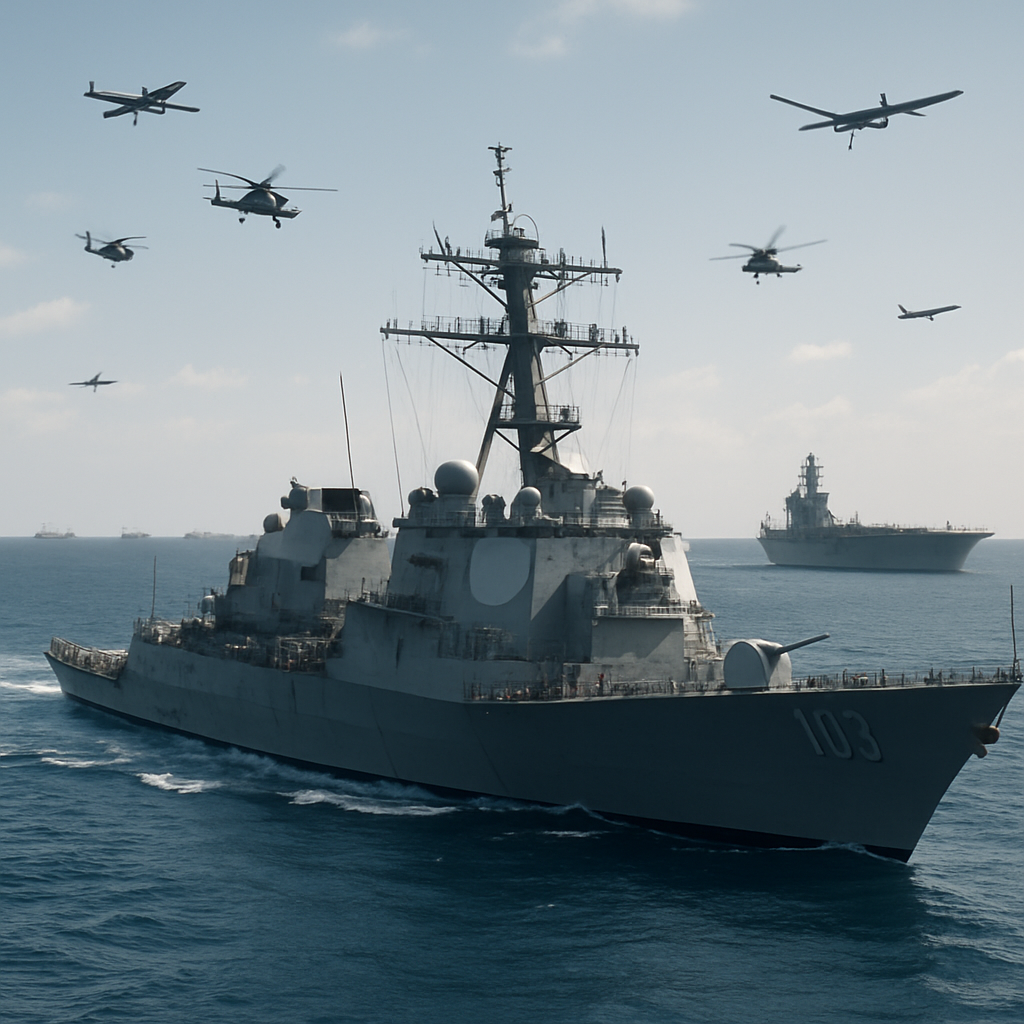
The US has launched Project Freedom, a defensive operation aimed at safeguarding commercial ships passing through the Strait of Hormuz, with a robust defense system featuring advanced destroyers, aircraft, and 15,000 service members. This multi-layered effort will provide a secure umbrella for vessels and US forces, ensuring safe passage through this critical shipping lane.

US Helicopters Disrupt Iranian Boat Threat in Strait of Hormuz
In a bold move to safeguard global shipping, US helicopters swiftly neutralized a threat from six Iranian boats in the Strait of Hormuz, showcasing the country's formidable military capabilities. This decisive action is part of Project Freedom, a robust defense initiative launched to ensure safe passage through the critical waterway.

US Launches Project Freedom to Secure Strait of Hormuz Shipping
The US has launched Project Freedom, a mission aimed at safeguarding the vital Strait of Hormuz shipping route, ensuring that merchant vessels can transit freely and safely. Two US-flagged vessels have already successfully navigated the strait under this new protection plan.
Iran Proposes Deal to Open Strait of Hormuz, End War
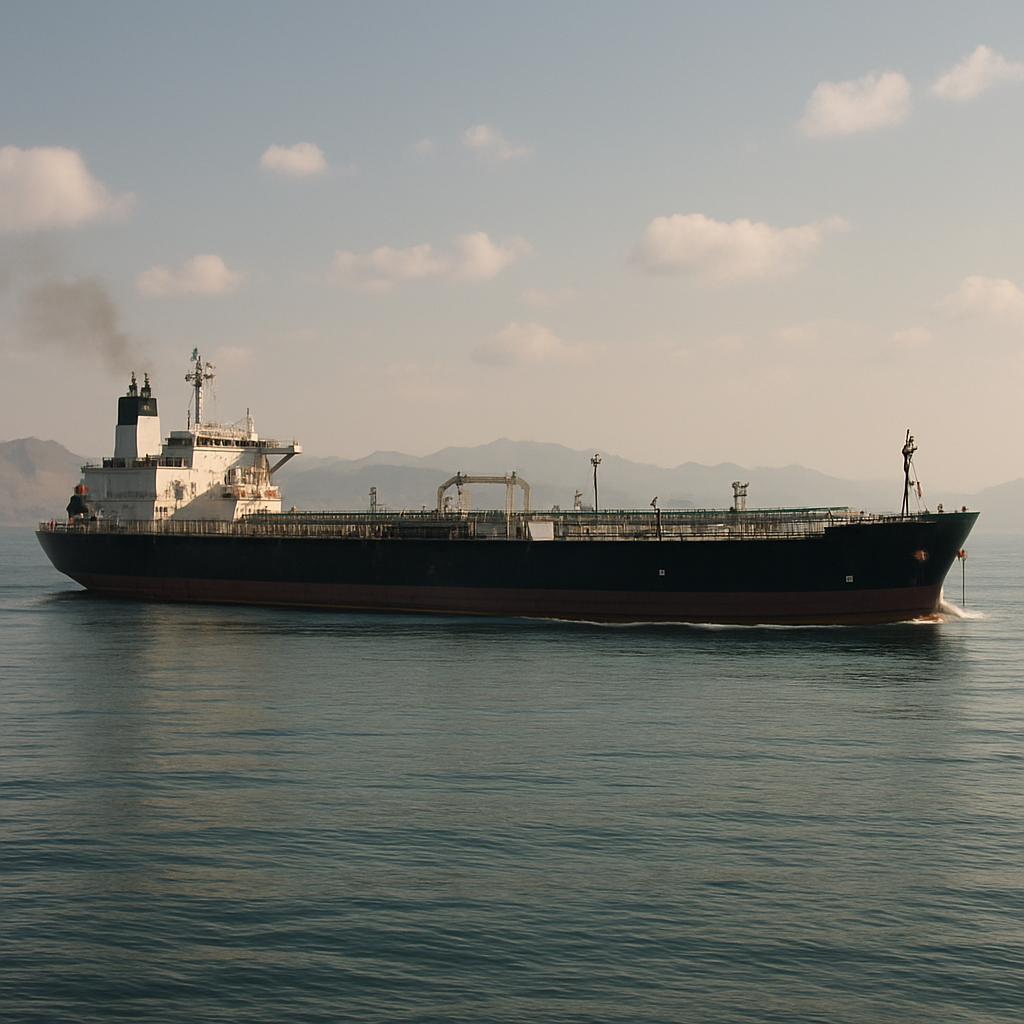
Iran has made a bold move, proposing a deal to reopen the Strait of Hormuz and bring an end to the war, but with the US holding all the cards, the odds are against it. The surprising offer, delivered via Pakistan, prioritizes lifting the naval blockade and reopening the strait, with nuclear talks to follow later.
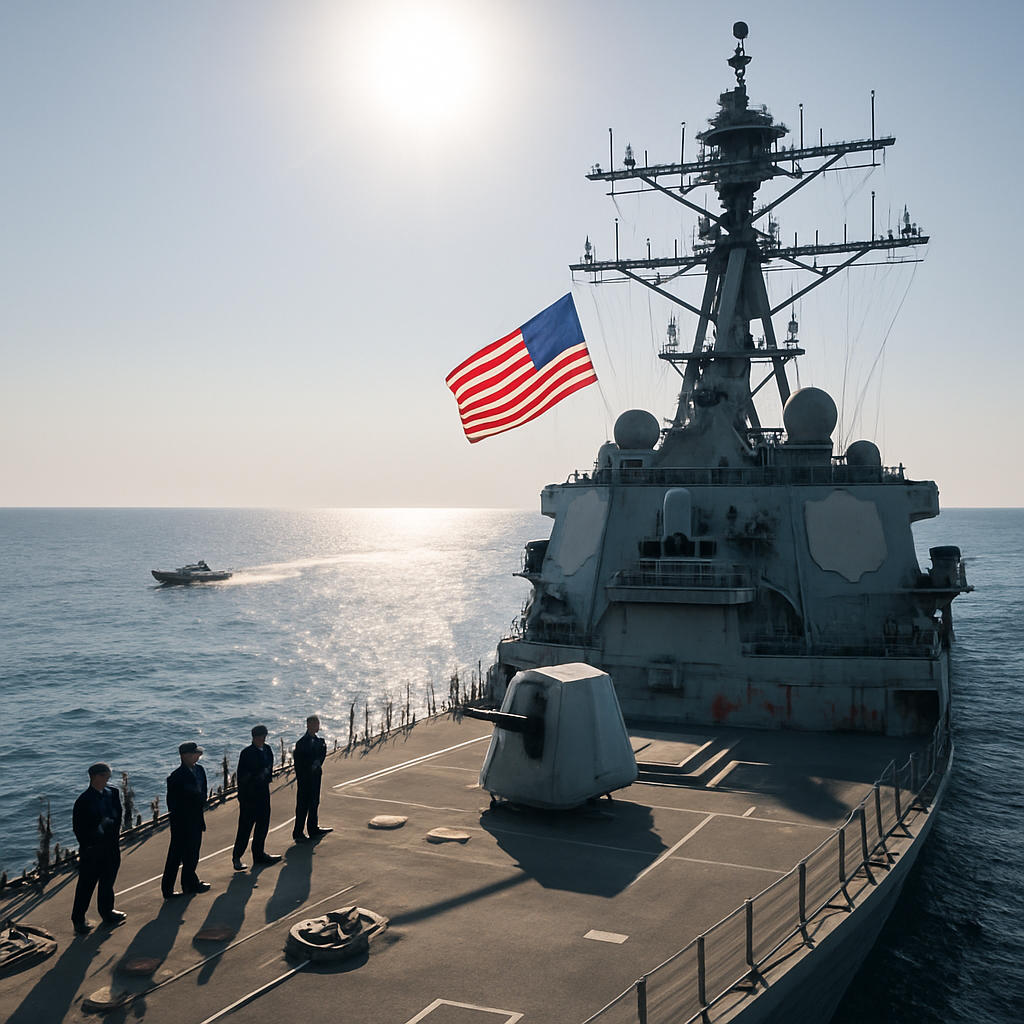
US Navy Authorized to Destroy Iranian Mine-Laying Boats
The US Navy has been given the green light to take out Iranian fast boats that try to lay mines or disrupt shipping in the Strait of Hormuz. Defense Secretary Pete Hegseth warned that lethal force will be used if necessary to protect passage through the critical waterway.
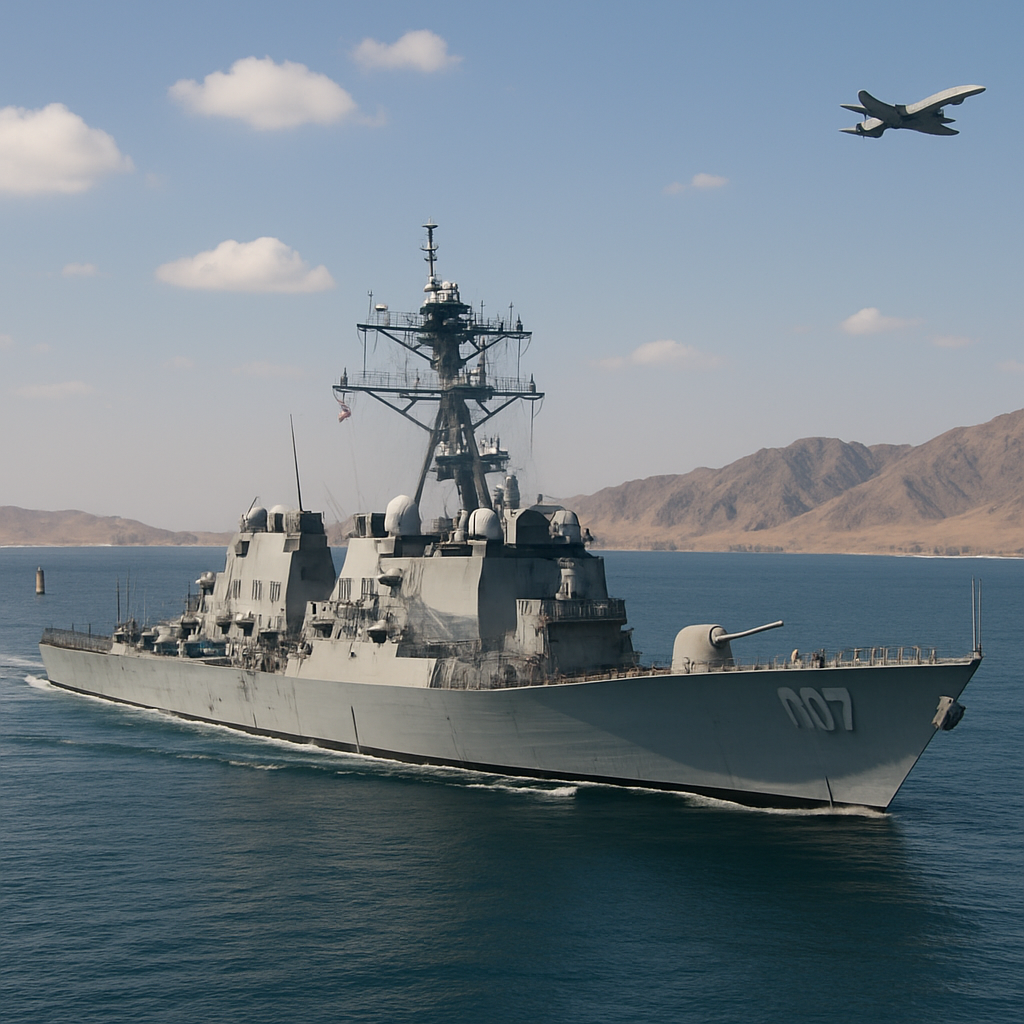
US Forces Disrupt Iranian Mine-Laying in Strait of Hormuz
US forces are actively working to disrupt and deter Iranian efforts to lay mines in the Strait of Hormuz, with operations underway to safeguard this critical waterway. The mission, driven by top-level orders, aims to prevent further Iranian aggression.
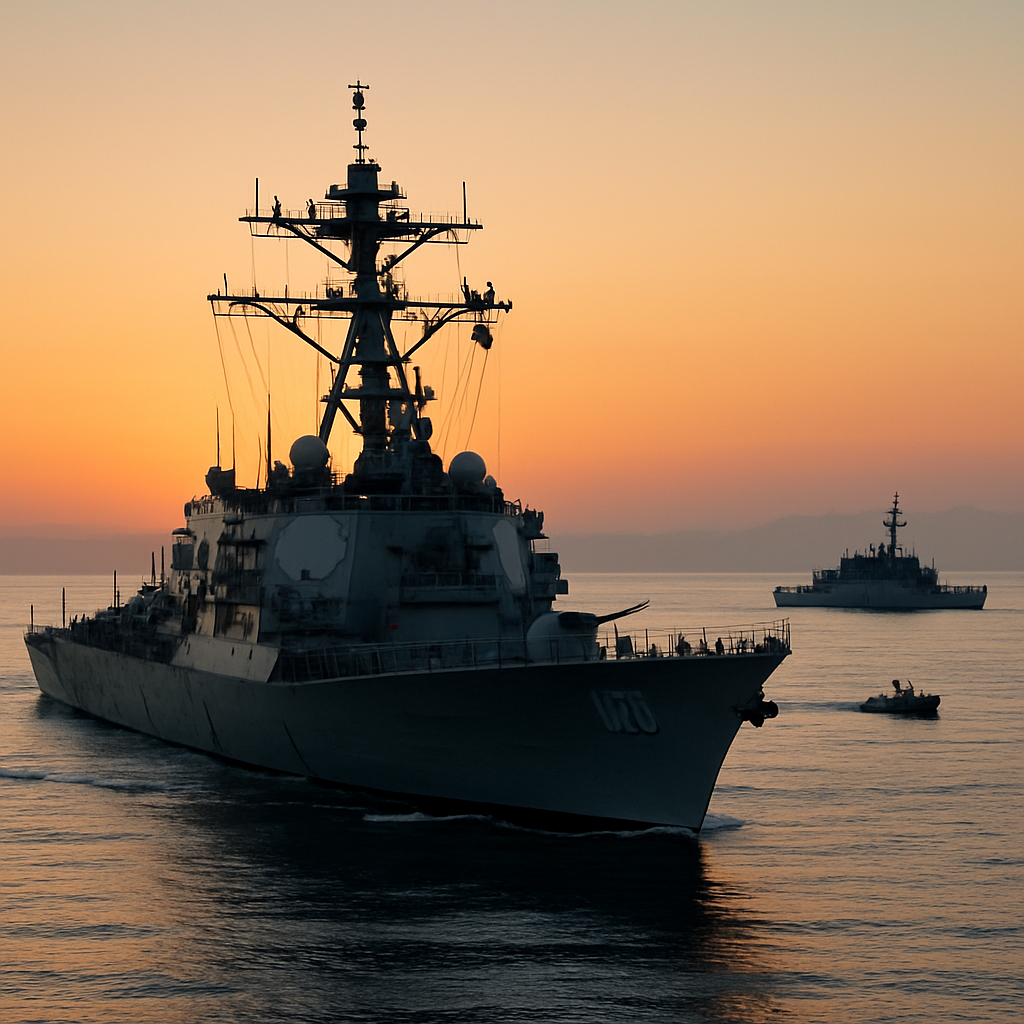
US Targets Iran's Small Boats in Escalating Strait of Hormuz Conflict
President Donald Trump has ordered the US Navy to take drastic action against Iranian small boats laying mines in the Strait of Hormuz, vowing to shoot and kill any vessels involved. The US is also ramping up demining efforts in the strategic waterway, tripling its operations to ensure safe passage.
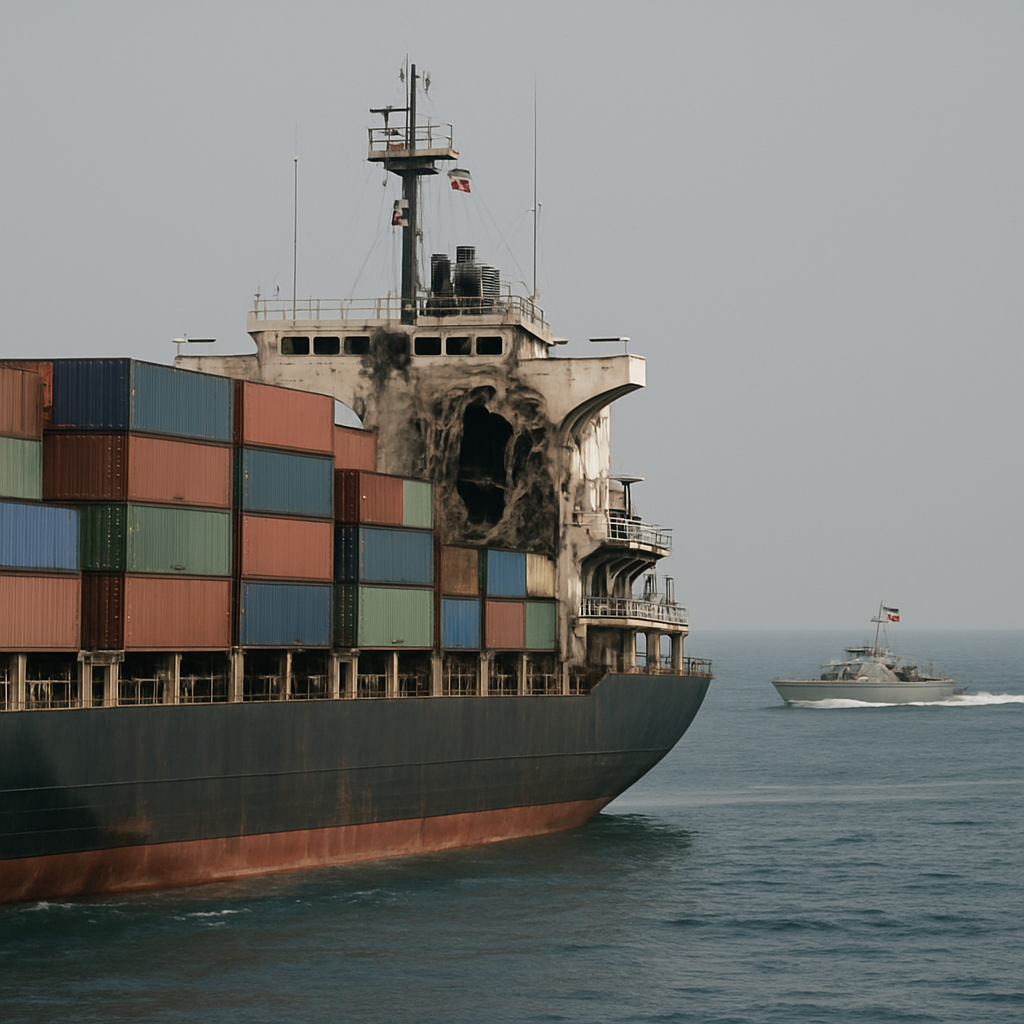
Iran Escalates Ship Attacks in Strait of Hormuz
A container ship narrowly escaped disaster in the Strait of Hormuz after an Iranian gunboat fired on it, causing significant damage to the bridge, but thankfully no injuries or environmental harm. The alarming incident is the latest escalation in a series of attacks in the region, heightening tensions in this critical waterway.

Safeguarding the Strait of Hormuz Requires Revitalized Diplomacy
Restoring free movement through the Strait of Hormuz, a critical global waterway, demands creative solutions and revitalized diplomacy that leverages existing frameworks with fresh thinking. By breathing new life into strained diplomatic and military channels, we can unlock a more stable and secure future for this vital chokepoint.

Insurance Premiums Signal Global Supply Chain Strains Ahead
A sharp spike in maritime war-risk insurance premiums served as an early warning sign of impending supply chain disruptions in the Strait of Hormuz, offering a potential low-cost signal for officials to anticipate and prepare for global supply shocks. By tracking these premium changes, Australia and other nations may be able to mitigate the impact of future disruptions.

US Bolsters Blockade as Iran Reopens Strait of Hormuz
As Iran reopens the Strait of Hormuz, a question remains: who's really calling the shots - Iran, with the strait now open, or the US, with its blockade still firmly in place? The answer is far from clear, leaving the world wondering who's in control.

Australia Confronts New Geopolitical Risks
Australia is facing a fresh wave of uncertainty with the escalating war in Iran, adding to the lingering impacts of Covid-19 and recent disruptions from the Strait of Hormuz closure. How can the country prepare for and navigate these complex external shocks?

US Blocks 13 Ships in Strait of Hormuz Confrontation with Iran
Tensions are running high in the Strait of Hormuz, a vital waterway where control can mean control of global commerce and perceptions of power. The US has taken a firm stance, turning back 13 ships in a direct challenge to Iran's reported blockade.

Pakistan Shifts Focus, Reduces Deterrence Against India
Pakistan's sudden decision to patrol the Strait of Hormuz has raised eyebrows - is it a shrewd move to cash in on security concerns or a strategic trade-off that could weaken its deterrence against India? By taking on this new role, Islamabad is sparking questions about its priorities and potential geopolitical realignments.
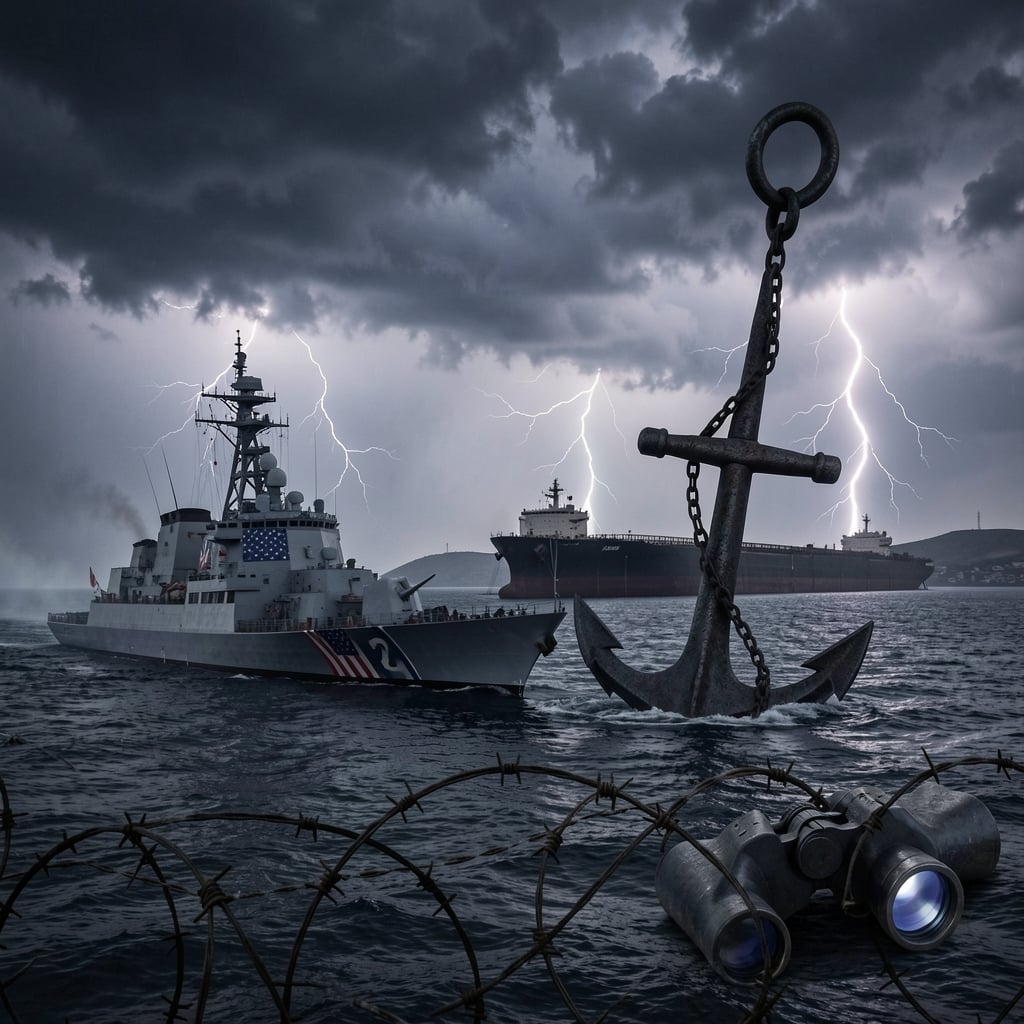
US Enforces Total Maritime Blockade on Iran
The US has reportedly imposed a total maritime blockade on Iran, stretching along the entire coastline - not just the critical Strait of Hormuz. This massive escalation raises urgent questions about the scope and impact of US action.
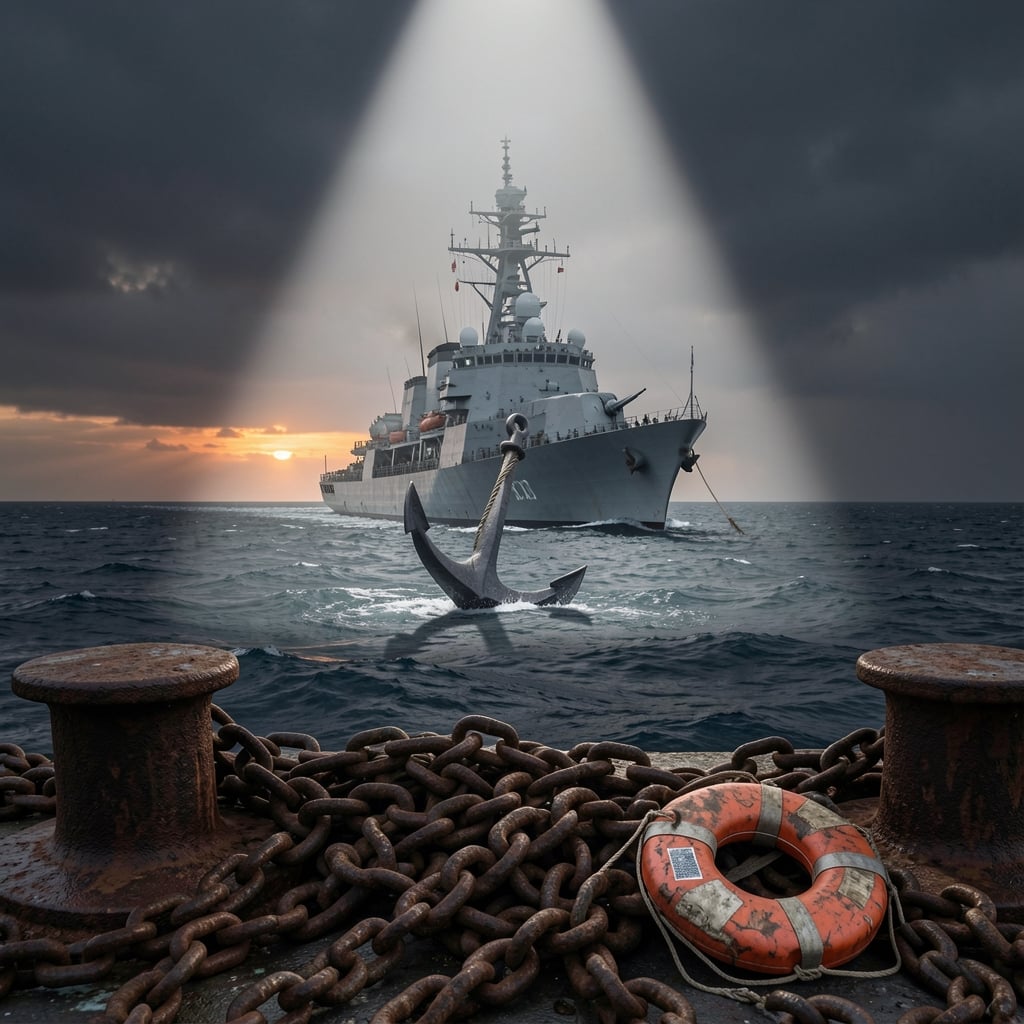
US Navy Bolsters Middle East Presence with Strait of Hormuz Blockade
On April 12, 2026, US President Donald Trump made a bold move, ordering the US Navy to blockade the critical Strait of Hormuz waterway, a strategic chokepoint in the Middle East. A third carrier strike group was also deployed to the region, heightening tensions and uncertainty in an increasingly volatile area.

Iranian Drones Redefine Defence with Loitering Munitions Tactics
Discover how Iranian drones are revolutionizing defence strategies with their game-changing loitering munitions tactics, and what this means for naval power dynamics in the region. Loitering munitions, as showcased in the US-Iran war, are redefining the rules of engagement.

US Navy's Minesweeper Exit Precedes Iran's Strait of Hormuz Mining
The US Navy's sudden exit from the Persian Gulf, marked by the retirement of its last four minesweepers in September 2025, created a power vacuum that Iran quickly exploited by mining the Strait of Hormuz just five months later. This bold move sent shockwaves through global energy shipments, causing commercial tanker traffic to plummet and prompting a frantic rethink of naval strategies worldwide.
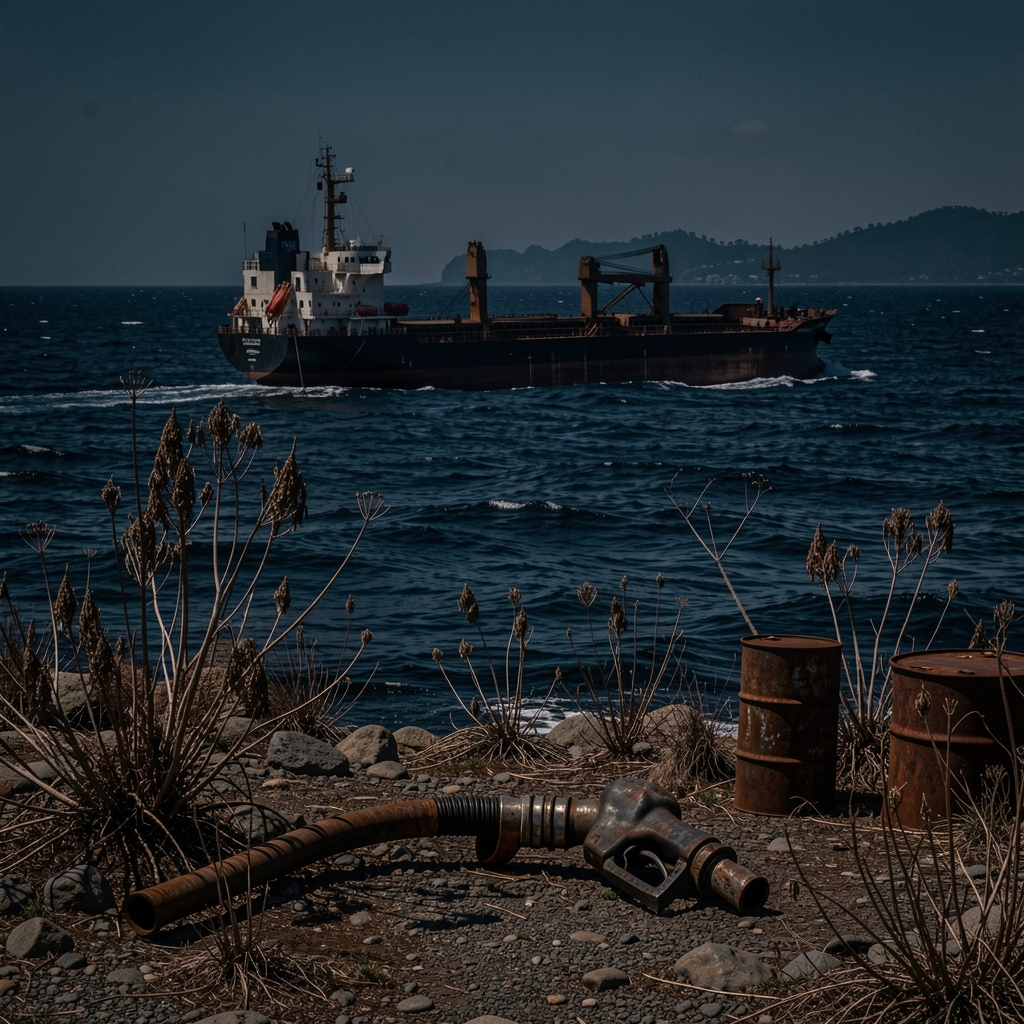
US Gulf Tensions Threaten Australia's Fuel Security
With Donald Trump's comments on Iran and the Strait of Hormuz sparking concerns, Australians are now faced with a pressing question: what does a potential US security guarantee gap mean for the country's fuel security and everyday life? As fuel prices continue to weigh on minds, the nation is holding its breath, wondering how bad things could get.

Hormuz Crisis Exposes Vulnerability in AI Chip Supply Chain
A shipping crisis in the Strait of Hormuz has exposed a vulnerable link in the AI chip supply chain, threatening to disrupt the production of specialist memory chips that power artificial intelligence systems. This critical bottleneck comes at a precarious time, with the industry's manufacturing heavily concentrated in South Korea.