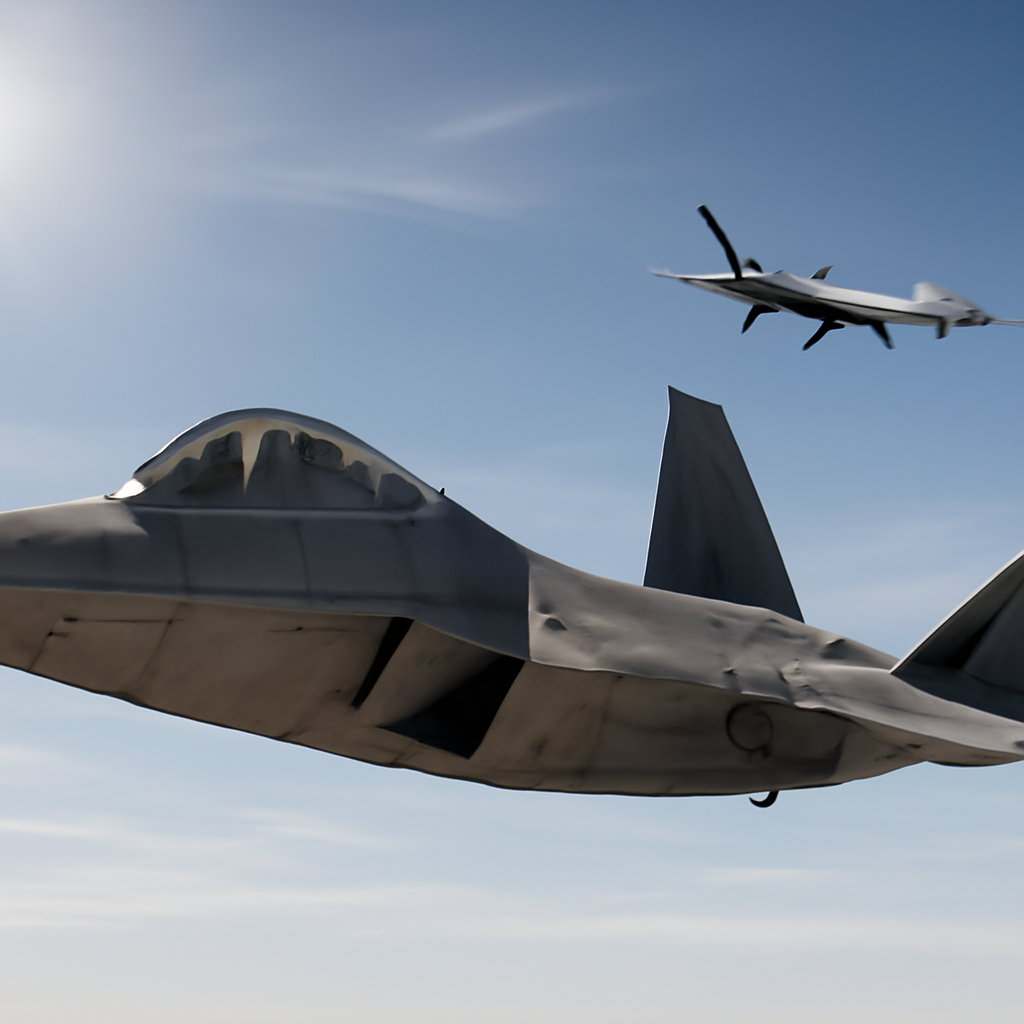
When a country that has long focused eastward suddenly starts patrolling one of the world's most sensitive waterways, hard questions follow: is this a commercial security move, a geopolitical realignment, or a strategic gamble? Quwa reports that Pakistan has moved to patrol the Strait of Hormuz, and the piece asks whether "Islamabad [is] finally charging a 'security premium' for the Gulf, or ... trading away its deterrence against India?"
What we know
The reporting in Quwa establishes two central facts. First, Pakistan has initiated patrols in the Strait of Hormuz. Second, the Quwa analysis frames that deployment as presenting a binary choice: either Islamabad is leveraging security for financial or political gain in Gulf waters — described in the post as charging a "security premium" — or it is accepting a potential erosion of its deterrence vis-à-vis India. Beyond those points, the Quwa item raises the question without asserting a resolved answer.
Why the move invites scrutiny
Any naval deployment away from a traditional axis of deterrence prompts debate about priorities and trade‑offs. The Quwa piece highlights two competing interpretations of Pakistan's patrols: one sees them as an offer of maritime security to Gulf partners that could carry economic and diplomatic benefits; the other sees them as diverting attention and resources from a long‑standing deterrence posture against India. The report leaves open whether the move is transactional, strategic, or both.

Audit-ready is a season. It shouldn't be.
Evidence in spreadsheets, controls drifting between audits, frameworks multiplying on flat headcount. Nubivance runs continuous compliance on Rapid7 Cyber GRC - SOC 2, HIPAA, ISO 27001, PCI, CMMC.
End the scrambleHow different stakeholders might read the shift
- Policymakers: Quwa's framing suggests officials must weigh near‑term gains in Gulf relations against potential long‑term costs to deterrence stability. The post frames the question as a deliberate trade‑off rather than an accidental consequence.
- Military planners and analysts: From the perspective offered by the report, planners would be expected to assess whether assets and attention committed to the Strait of Hormuz patrols reduce the credibility or readiness of forces oriented toward deterring India.
- Regional partners and users: The Quwa item implies Gulf actors could view Pakistan's patrols as a purchasable layer of maritime security — a "security premium" — or as part of broader alignment shifts that merit scrutiny.
- Adversaries and competitors: The post raises the possibility that observers in rival capitals could interpret the patrols as an exploitable reallocation of focus, though Quwa does not assert how any specific actor has reacted.
Why this matters
Quwa's reporting centers the policy dilemma rather than prescribing a conclusion. If Pakistan is indeed seeking to monetize maritime security for the Gulf, that could reshape fiscal and diplomatic ties; if it is diminishing resources devoted to deterrence against India, that could alter calculations of risk and stability in the subcontinent. The significance lies in the trade‑offs that such a move forces decision‑makers to confront: immediate diplomatic or economic returns versus the less tangible but strategically consequential assurance of deterrence.
Quwa's headline question — whether Pakistan is "sacrificing deterrence against India for the Gulf" — captures the core tension. The report does not settle the matter; it documents the action and frames the stakes, leaving policymakers, analysts, and the public to judge the balance of costs and benefits.
In an era when strategic posture can be repurposed as a commodity, the choice between selling security and preserving deterrence is not merely tactical. It is a statement about priorities and the future shape of a country's regional relationships. Will the move to the west prove a pragmatic recalibration or an expensive strategic compromise? Quwa raises the question; the answer will depend on how Islamabad and its partners measure security, influence, and risk.